Nancy’s 1992 journey to the British Isles Pt. 3

November 27, 2015

Nancy and Monica continuing their journey, having spent the previous day and evening viewing the sites of Edinburgh,  returning to Linlithgow by train, accepting the invitation to spend the night at Monica’s Scottish friends,  Bill and Ann Watts.  The morning found the two inquisitors viewing the Linlithgow Palace, and the birth place of Mary Queen of Scots.  The palace initially a 12th century manor house, a  fortification, and becoming a Palace in the 14th century, but burned out in 1746 and never restored,  the palace fountain so admired it was replicated at Edinburgh.
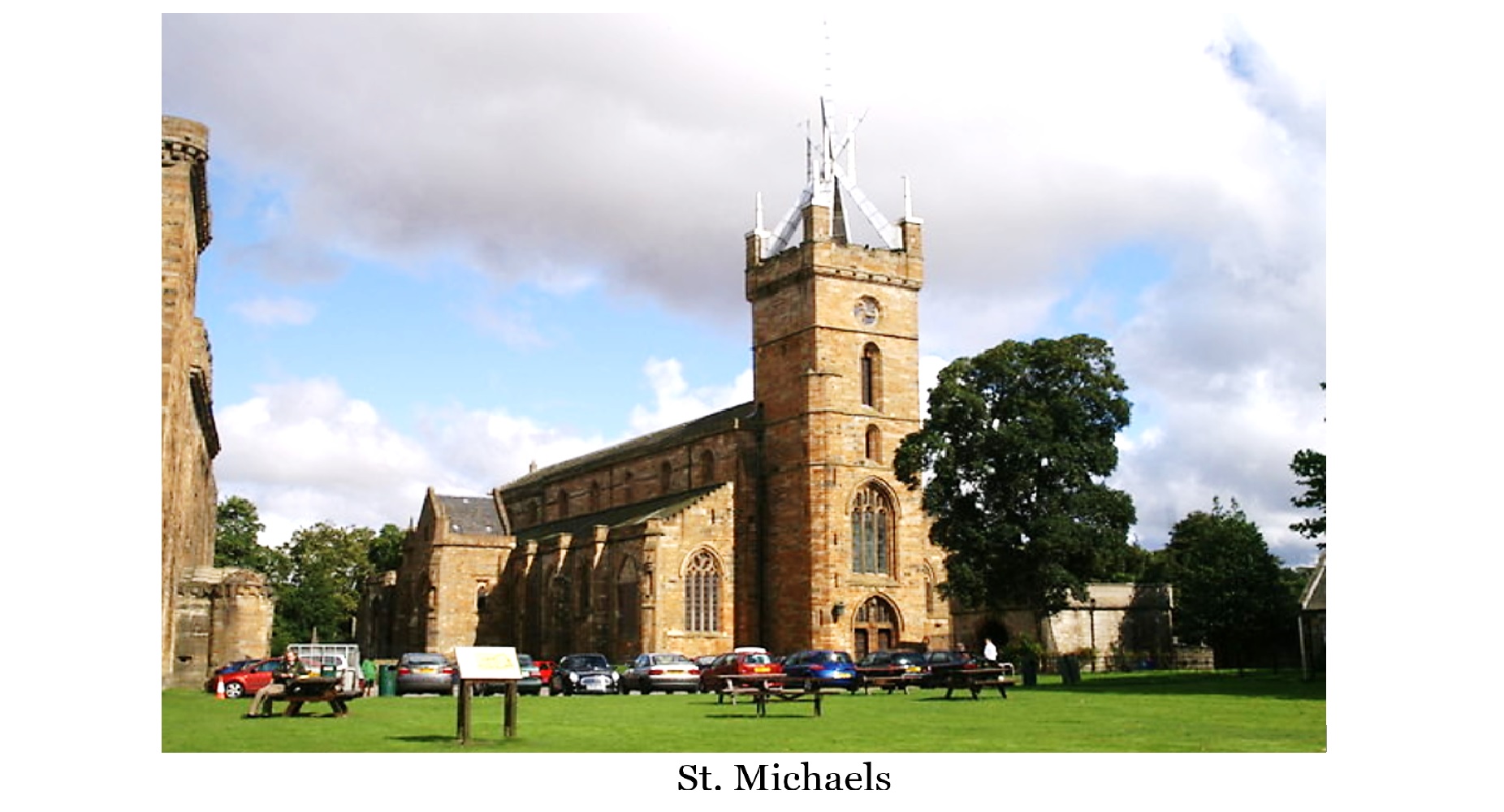
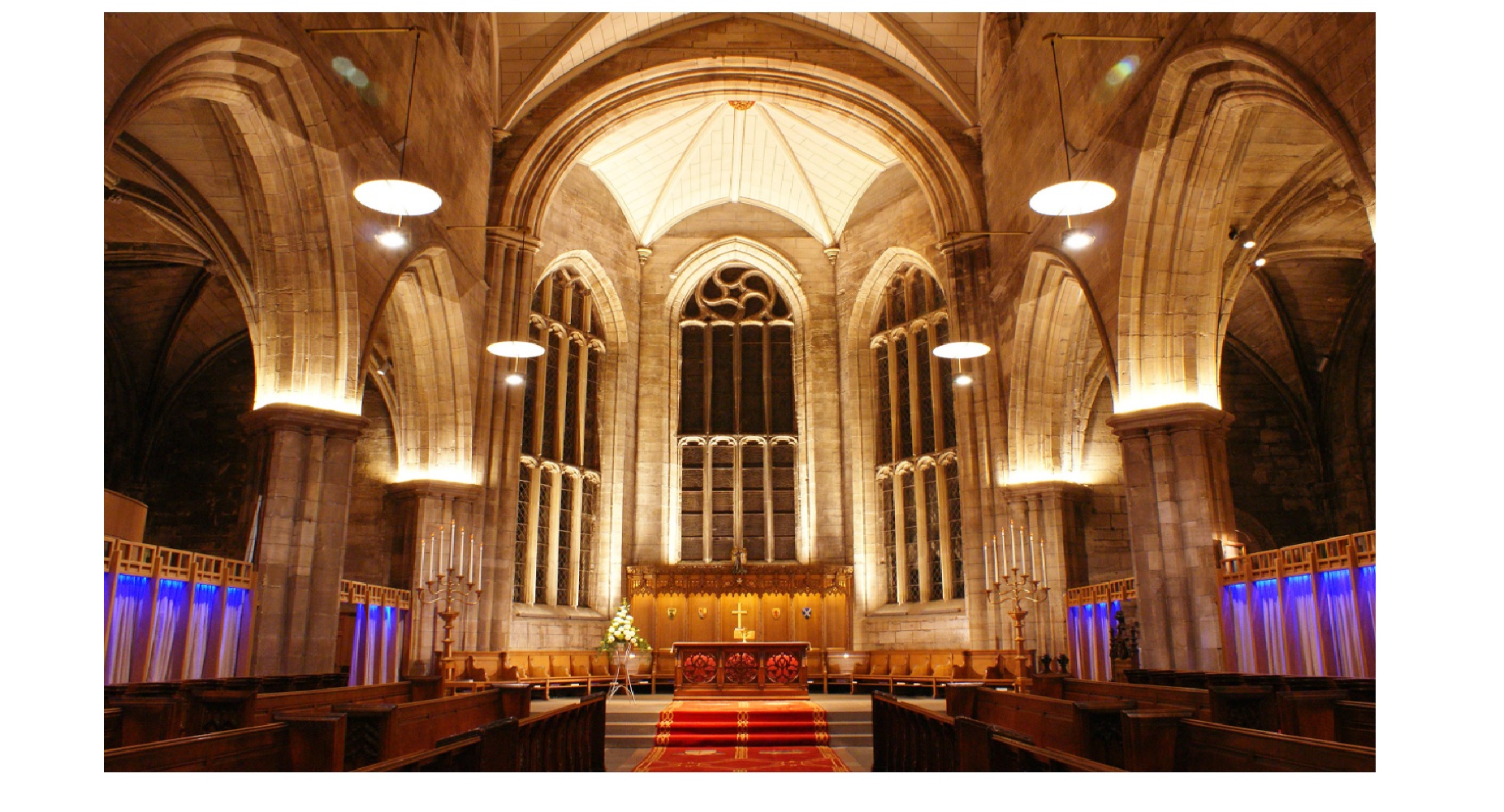
Nearby St. Michaels Church caught their attention, the church was consecrated in 1242, following a fire in 1424 it was restored,  but in 1559, at an early stage of the Scottish Reformation, the Protestant Lords of the Congregation destroyed the statues adorning the exterior and interior of the church.  The church remained pernicious until addressed in the 19th century,  and  rededicated in 1896.
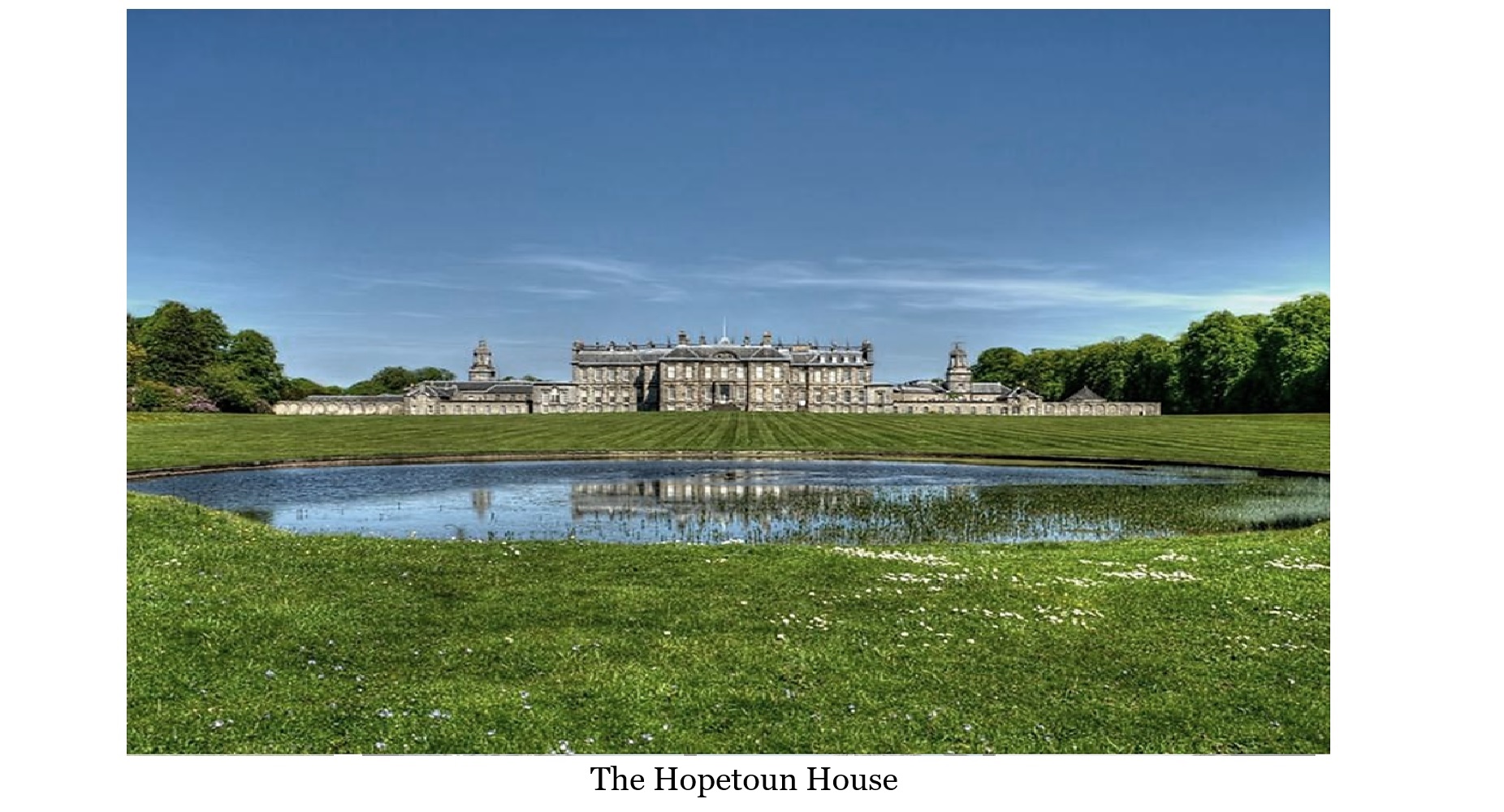
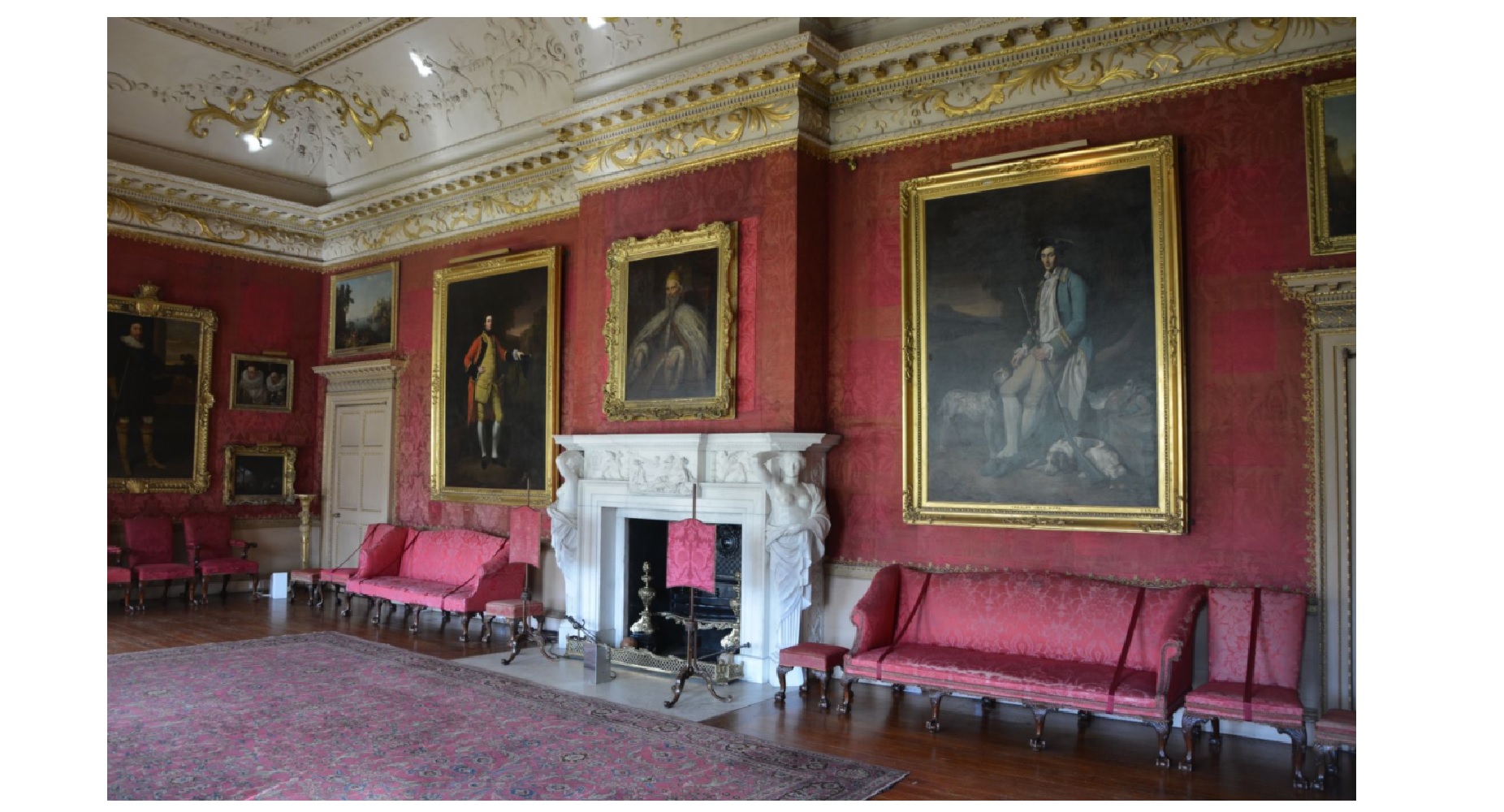
Their visit to St. Michaels completed, the two walking the four blocks to the post office so Monica could mail some items home.   It was lunch time, Bill having suggested a place, the two  discovering a long walk.  Their timing was great, Bill finding them finishing their meal, driving them to the Hopetoun House Estate, deemed one of the most beautiful structures in all of Scotland.  The house,  within sight of the Water of Leith river, was built for Charles Hope, the 4th Marquess of Linlithgow,  and was an ongoing project for a half of century starting in 1699.  The two viewing it magnificence,  Nancy deciding that of all the Palaces and houses she experienced, without a doubt,  this was her favorite.

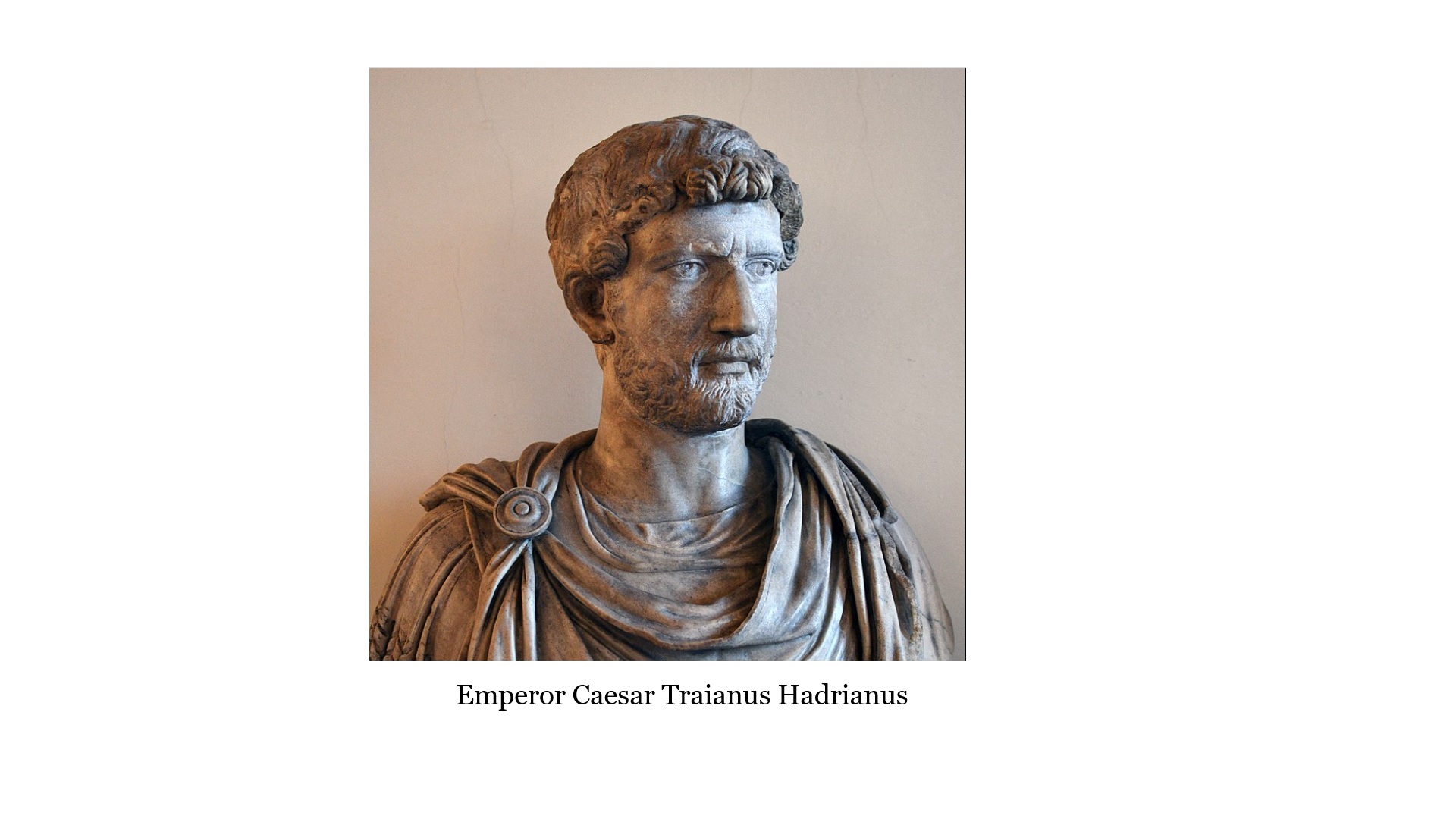
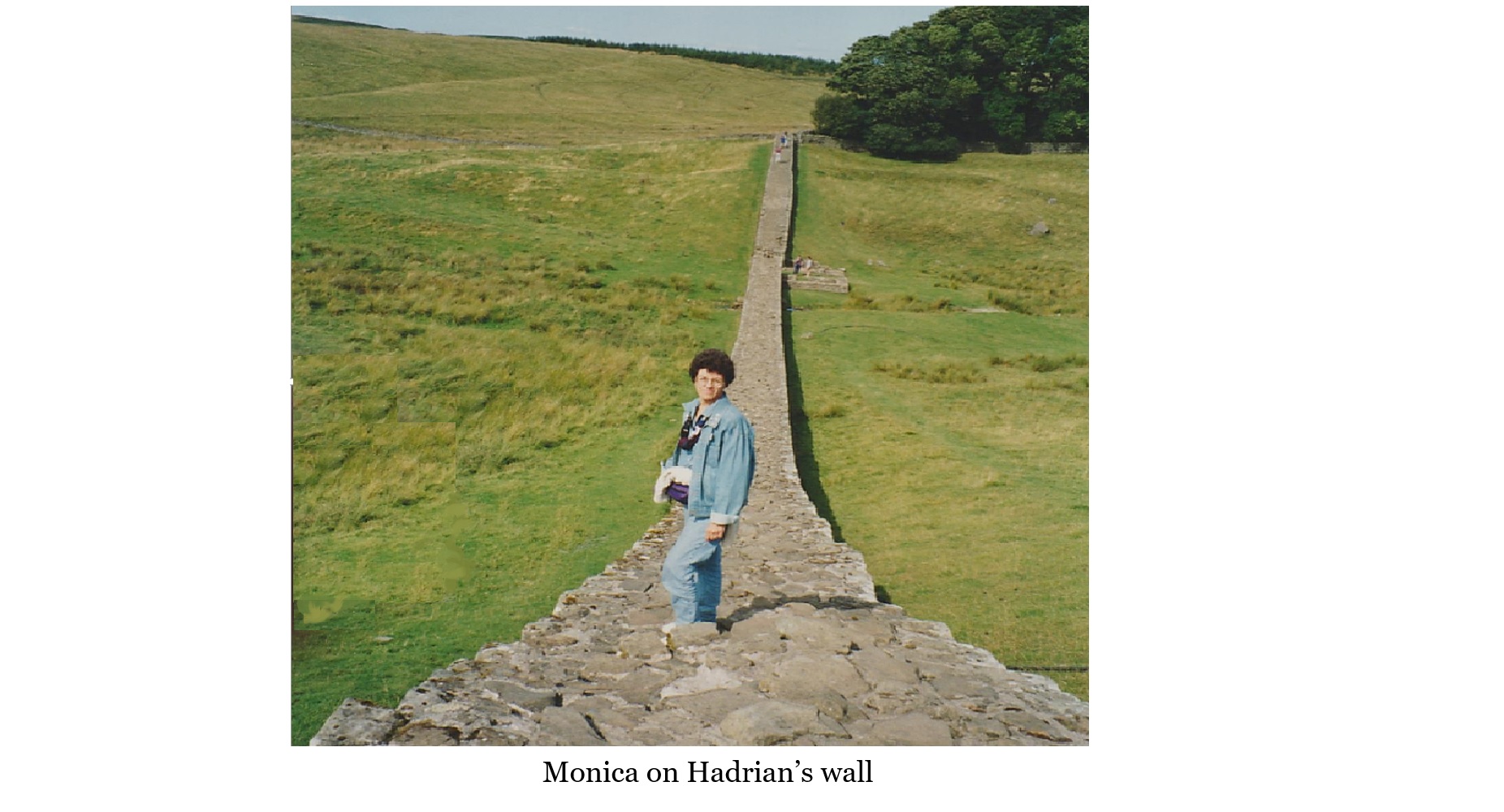
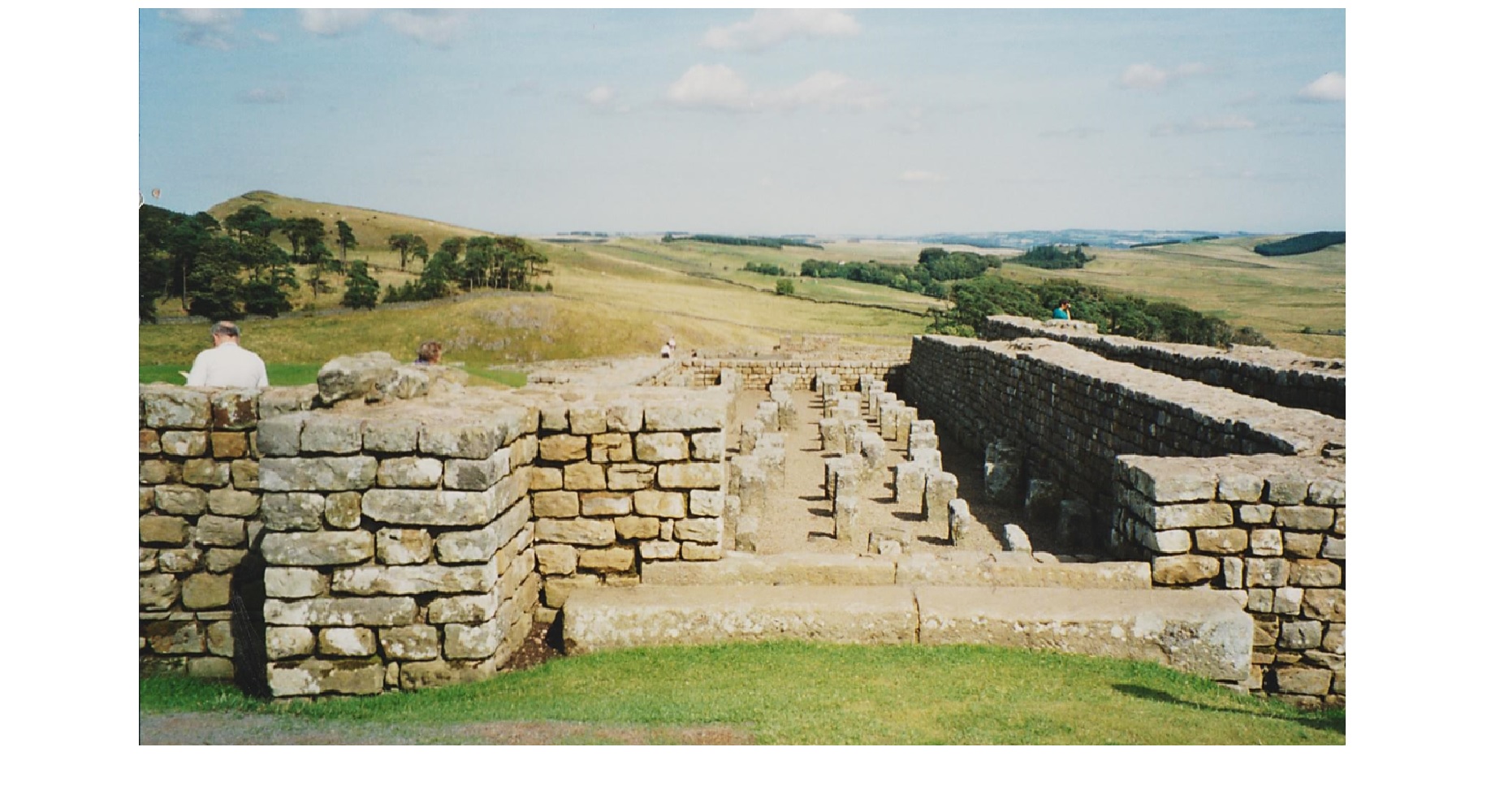
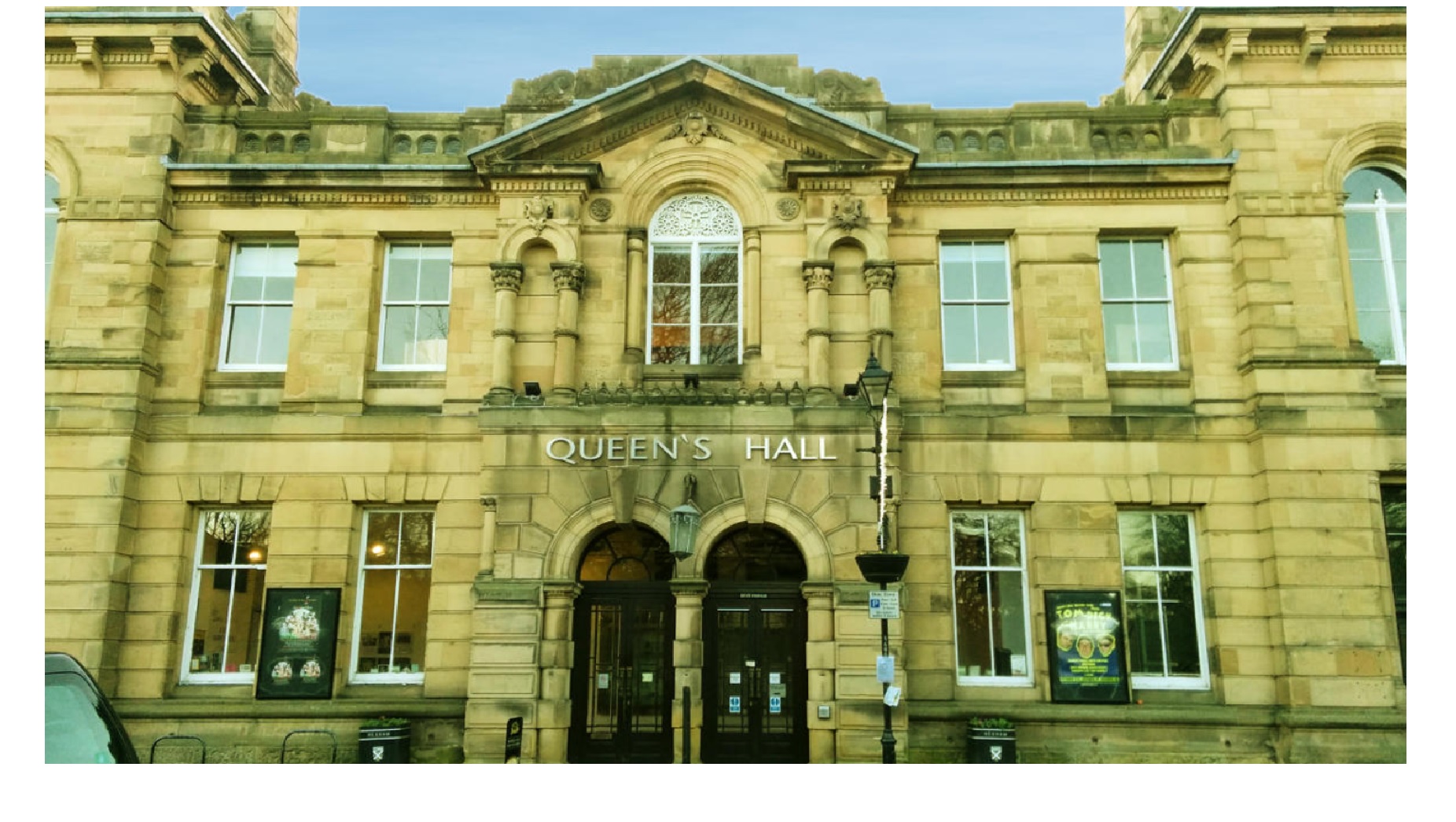
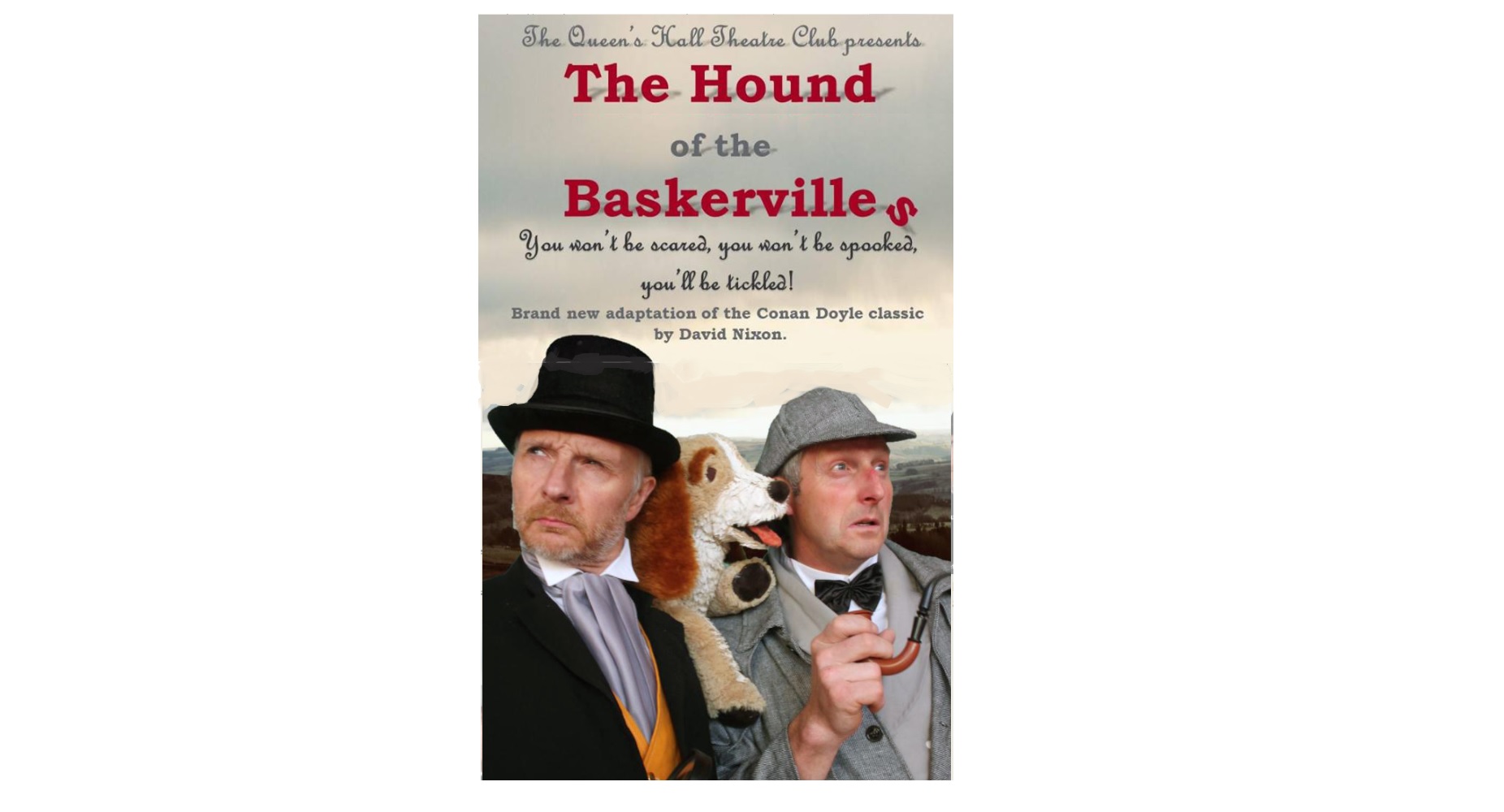
It was a goodbye to Bill and Ann in the morning, bill driving them to the train station for  their 3 ½ hour journey to Hexham.  The travelers arriving at 1 pm, checking into the Hexham Town Bed and Breakfast, then boarding a bus for  an afternoon tour of Hadrian’s wall.  Hadrian, The Roman Emperor Caesar Traianus Hadrianus,  ruling from  117 to 138 A D,   instituting  a 80 mile defensive fortification wall in the Providence of Britannia, the wall to separate the Romans from the neighboring barbarians.  Their viewing of the impressive wall and related ruins completed, the two looking forward to an  evening at the Queens Hall Theatre, and a live performance of Sir Arthur Conan Doyle’s,  The Hounds of the Baskervilles.
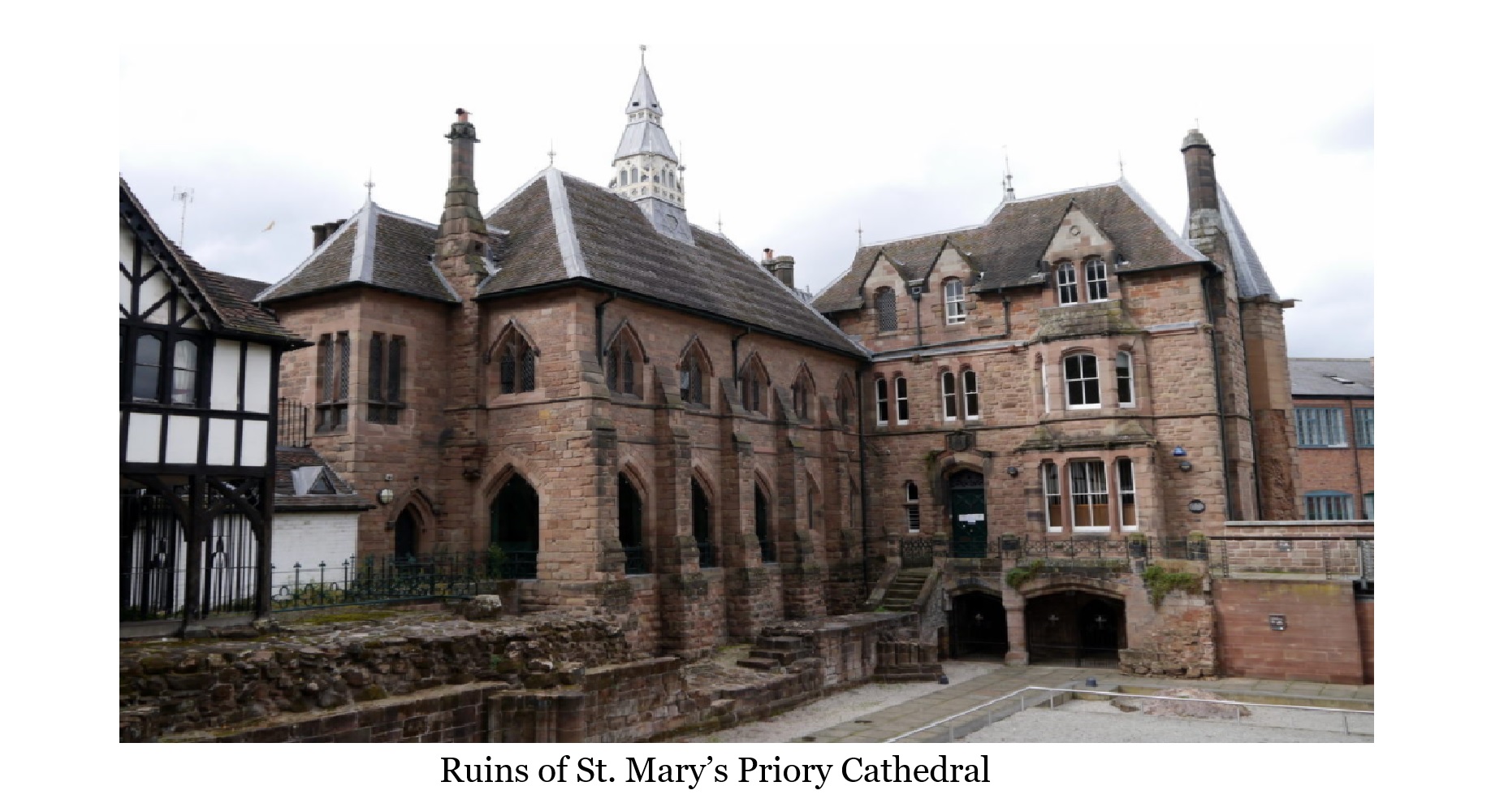
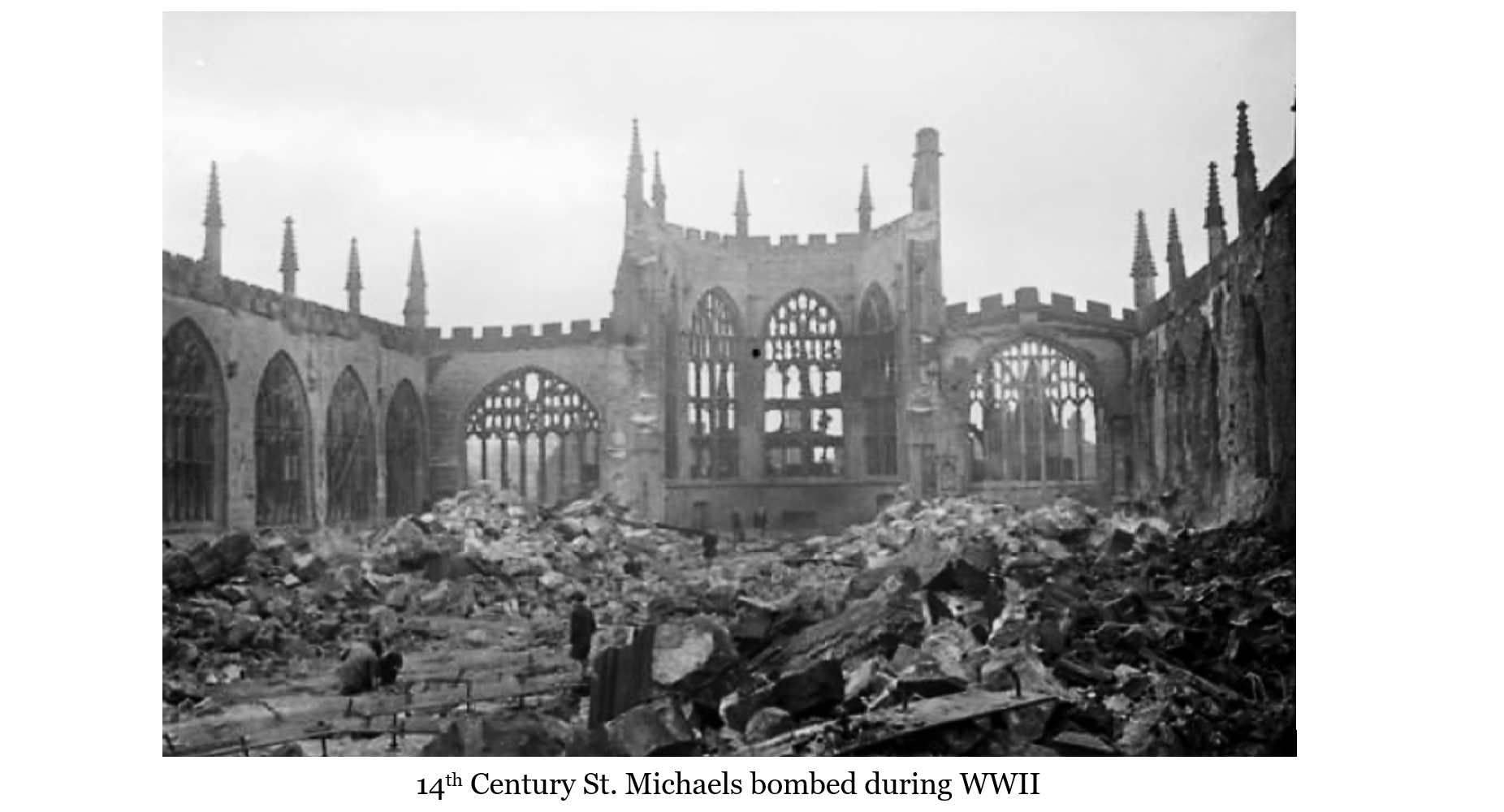
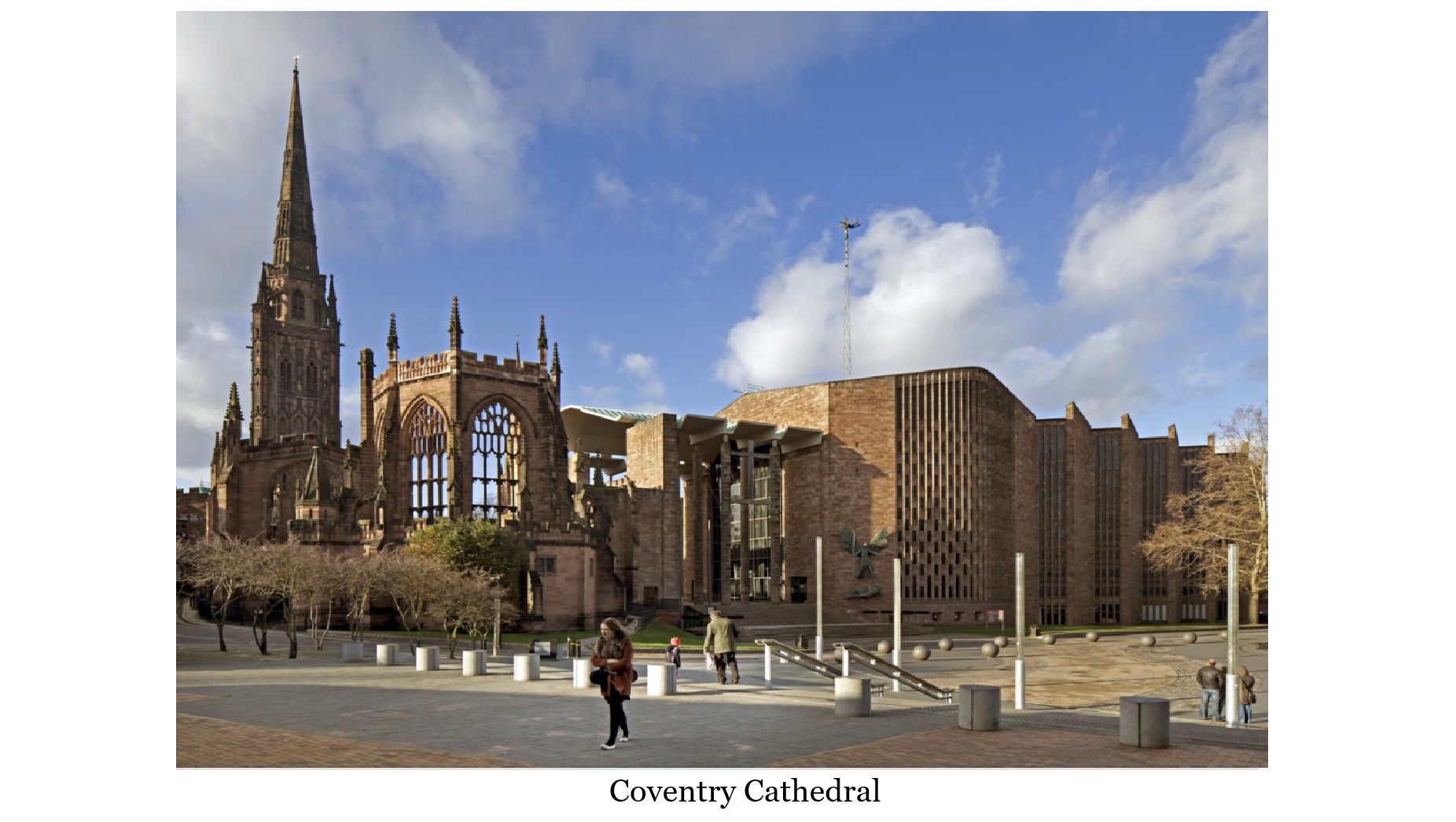
A late morning start and a five hour, changing trains twice, ride to Coventry, their next itinerary stop.  Completing their b and b afternoon check in, ready for their visit to the Coventry Cathedral but first a walk through history,  a visit to the ruins of St Mary’s, a monastic cathedral built in 1095 , of which only ruins remain.  A second cathedral was built in the 14th century, dedicated to  St Michael, but it was destroyed during the bombings in world war two. The current Coventry Cathedral,  St Michael’s,  was built after the destruction of the former. With their visit completed, he two taking a night off, but looking forward to their journey to Avebury in the morning,  summing it up with one word, Stonehenge.
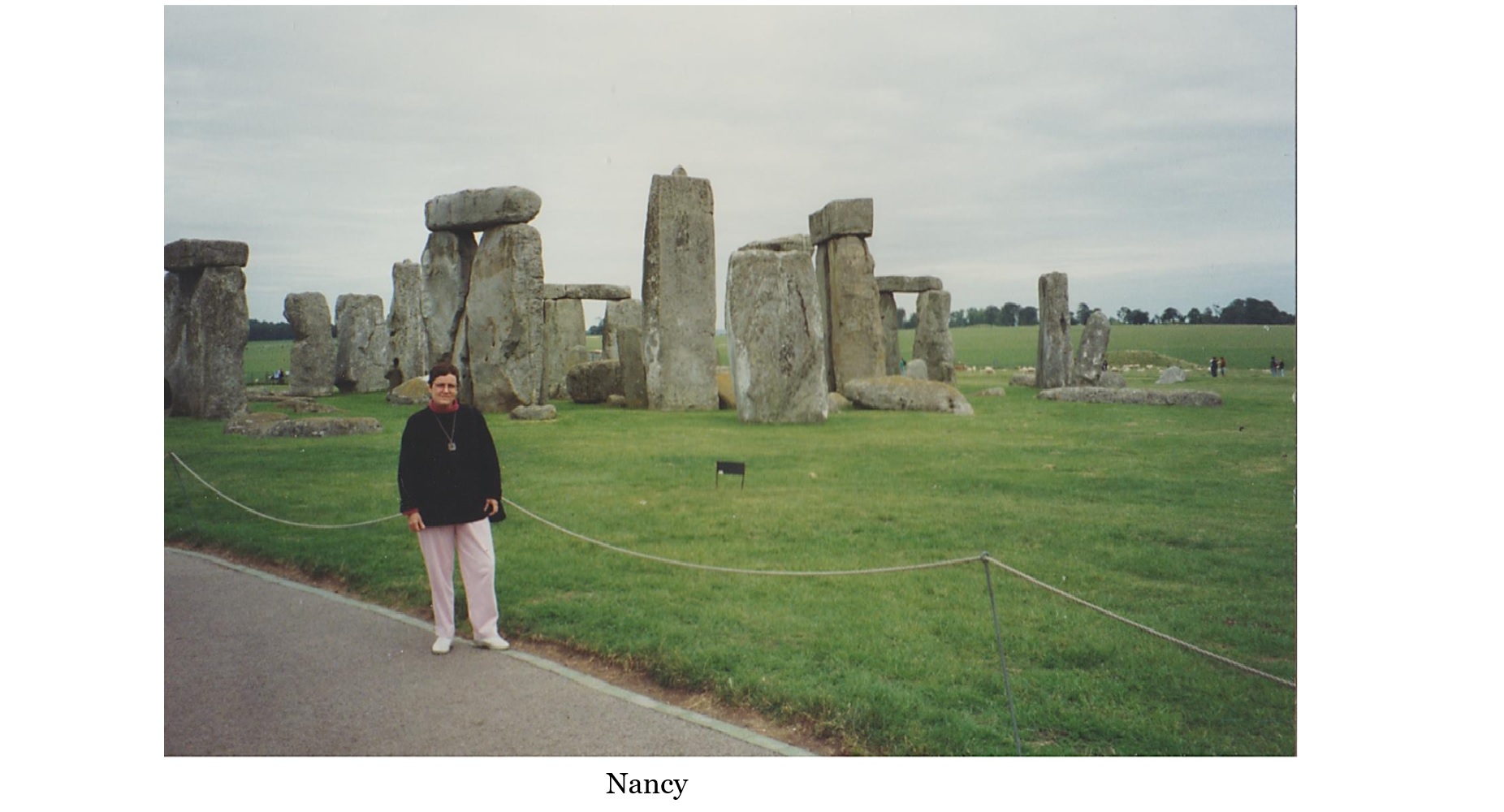
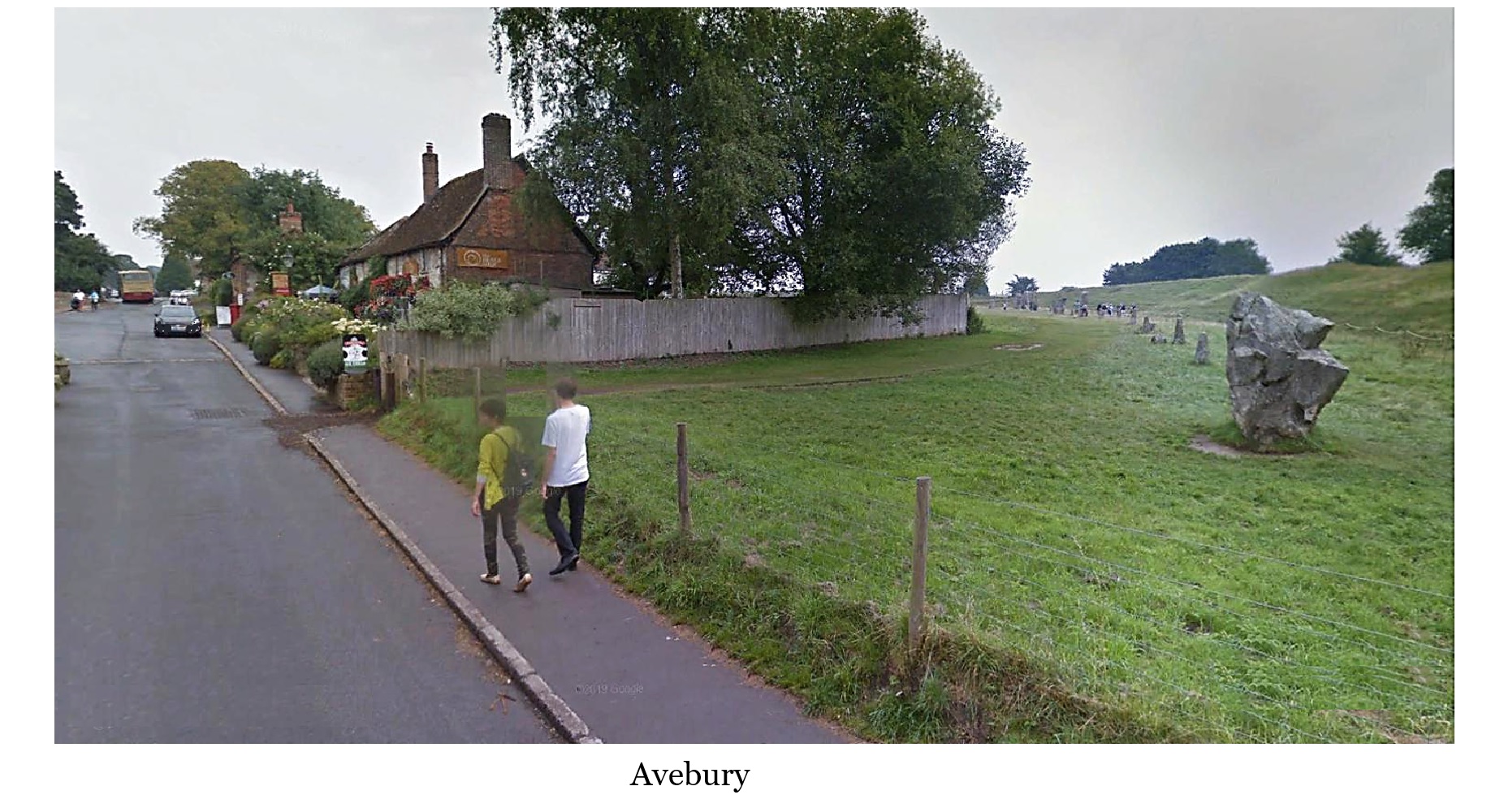
A morning departure by train to Swindon, a bus to Avebury, the two registering at the Avebury Lodge.  The B&B uniquely within Avebury’s  large circular ring of stones.  Nancy and Monica joining a local tour excursion, viewing the acclaimed Stonehenge phenomena, the historic stone creation constructed to  commemorate an unknown event some 5000 years ago.  The ring of  stones a wonderment, the stones 13 ft. high, 7 ft. in width, weighing 25 tons,  set in circular pattern,  Neolithic and bronze age monuments.  The group moving on, viewing a round tumuli, a burial mound,  one of the several hundred documented mounds.  entering the underground tomb of West Kennet Long Barrow, a burial site built around 3650 B C,  its excavation having discovered partial remains of individuals inside.  With their return to Avebury, enjoying  an evening walk, the twilight surrendering to a canopy of stars, the two absorbing the serenity of the countryside’s stillness.

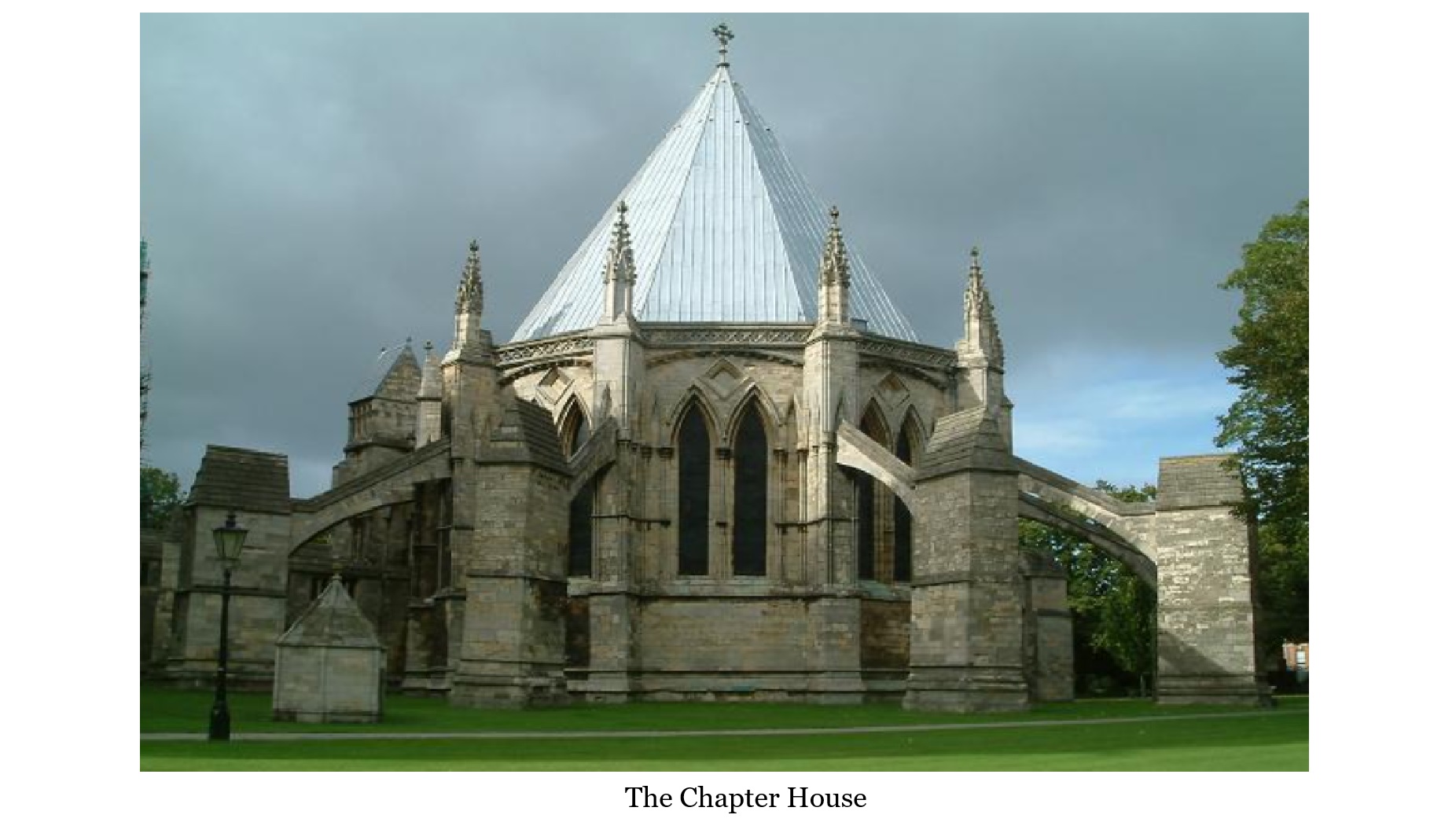
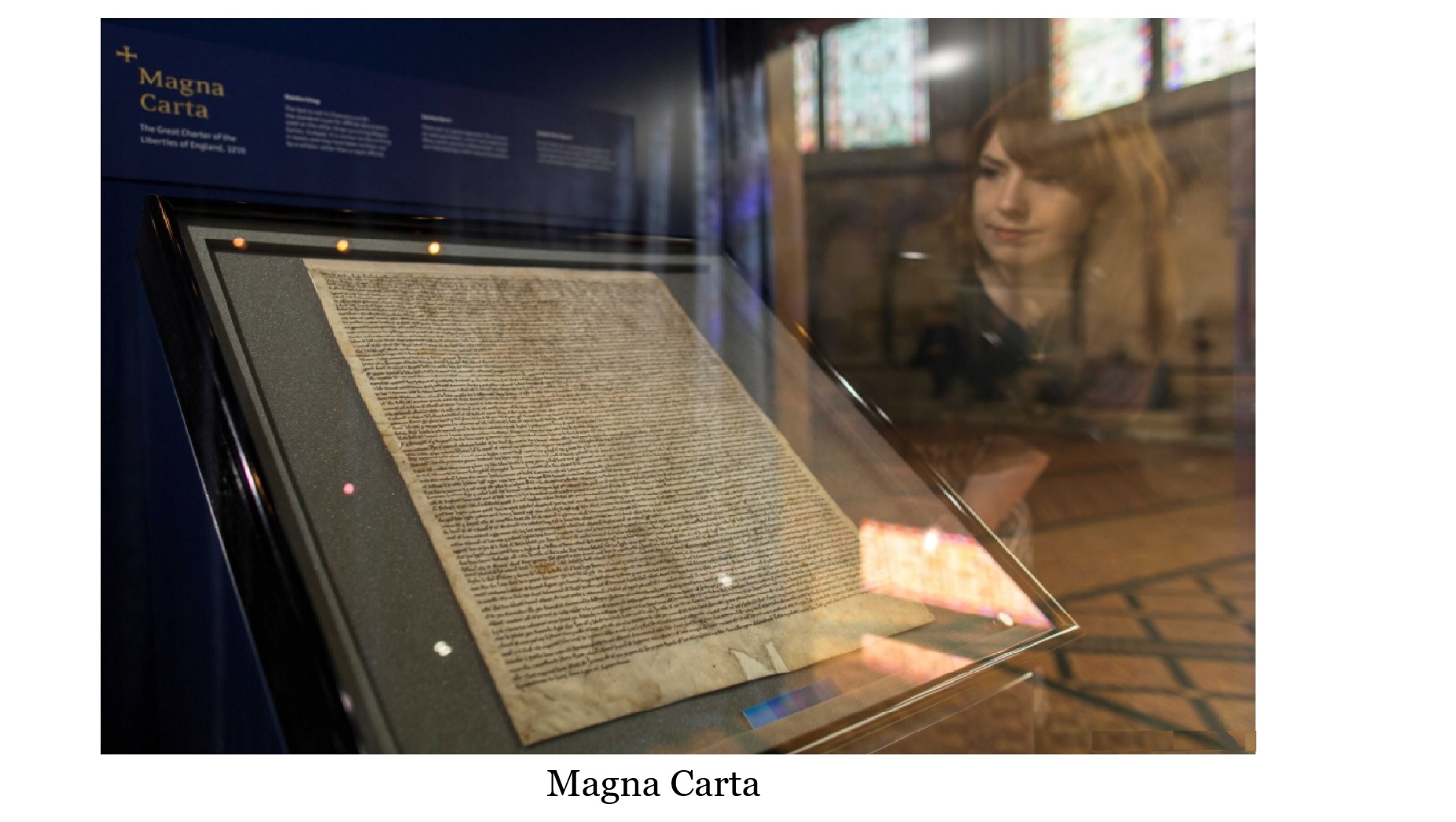
A long day ahead of them, a hour and half morning bus ride to view historic Salisbury before going on to London.  Nancy and Monica’s  entering the Salisbury Cathedral, its main body  completed in 38 years, from 1220 to 1258, the 440 foot spire added in 1549 and opened for those who desired to walk the 332 stairs to the top, Nancy and Monica declining.  The Cathedral notable  for its long and narrow nave,  Seating area , and chapter house for its octagonal shape, and also for its display of  the best-preserved of the copy of the 1215 Magna Carta.  The explorers experiencing  the historic statues,  Madonna Walking, William Lomsespee the younger, a true Knight of the realm having died in Egypt during the crusades, and a treasure of other eminent icons .  The day waning, an appointment with London still to come.

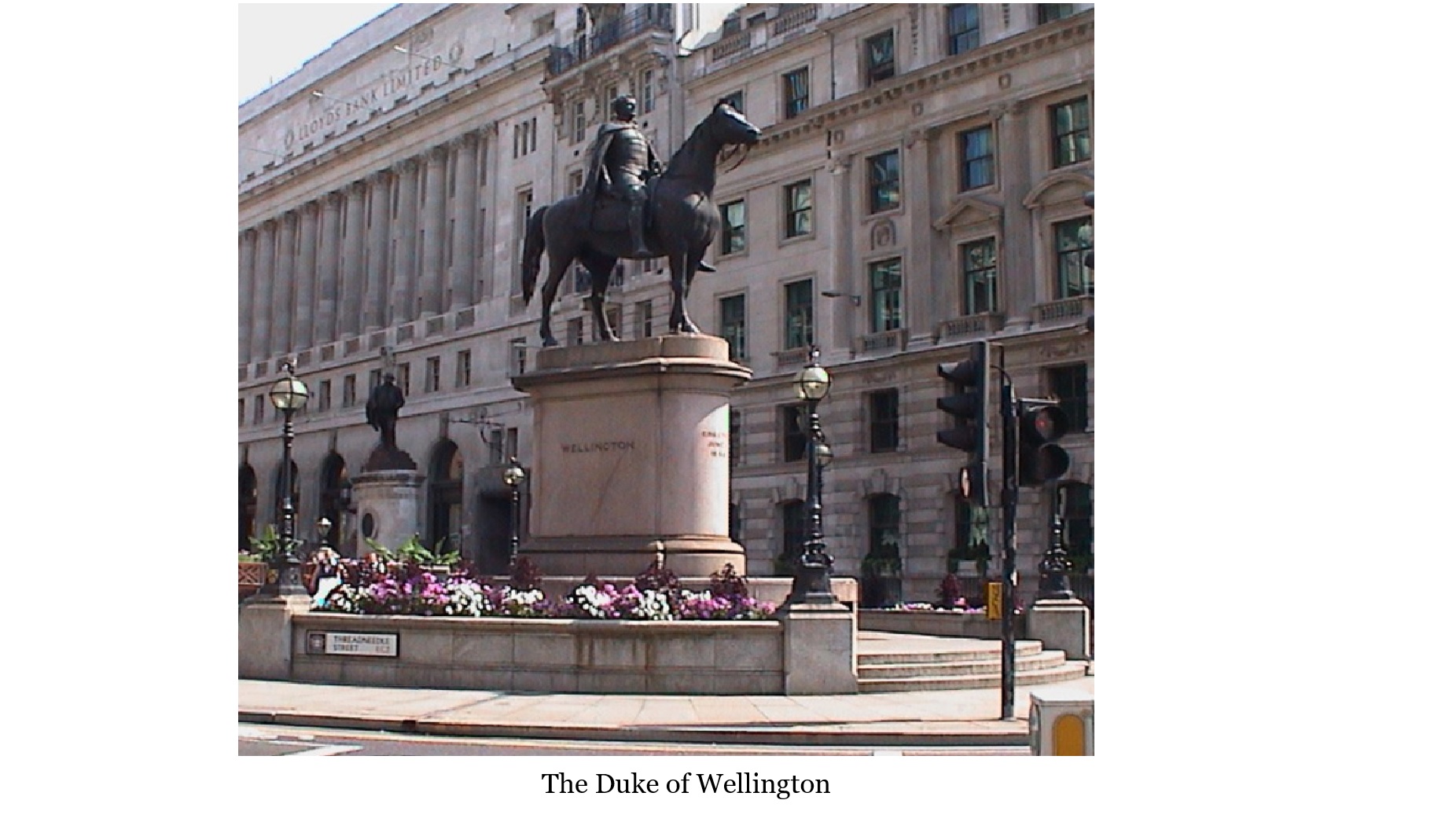
The two departing Salisbury,  arriving at London’s waterloo station, having reservation at the London House Hotel.  Their morning agenda starting with a hop on hop off tour bus.   Nancy and Monica’s first stop, St. Paul’s Cathedral,  the initial church was founded in  604 AD and dedicated to Paul the Apostle.  the present cathedral,  a result of the 17th century. The entrance adorned with a  Statue of Queen Ann, the original statue was sculptured by Francis Bird in 1712, but through the millennium  suffer reprisal damage, . and was replaced in 18 86..  The cathedral interior was unlike any they that had viewed, both agreeing, of all the churches and cathedrals they had toured,  Saint Paul’s  was the most breathtaking.  Continuing on viewing another historic classic, The Royal Exchange, it officially opened in 1571 by Queen Elizabeth as a center of commerce for the City of London, its entrance displaying a large bronze figure of the Duke of Wellington on horseback, on a granite pedestal sculptured in 1844.

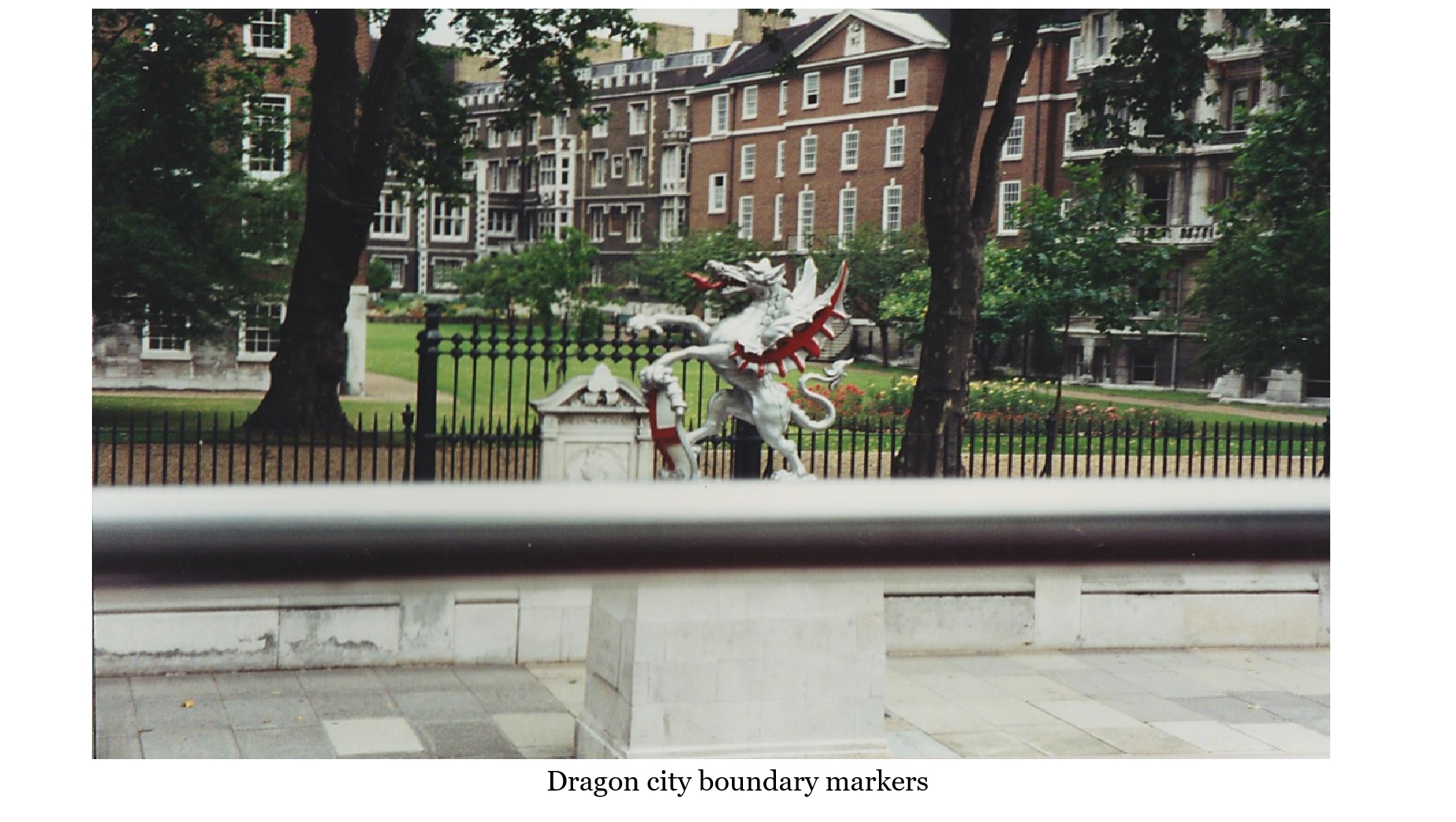
Their tour of London continuing on the banks of the Thames River, viewing the Palace of Westminster,  where the two houses of Parliament meet, the House of Commons and the House of Lords.   observing the Whitehall bridge with its magnificent Whitehall Palace overlooking the river.   both taking notice of the busy waterway, continuing their riverside scenic voyage.  As the evening hours approached,  their bridge viewing wouldn’t be complete without the London Bridge, but finding that in reality, what they thought was the London bridge was the Tower Bridge.  They couldn’t help but notice during their London travel, seeing a six foot fire discharging dragon,  discovering there were 13 such statues,  placed as markers to designate the boundary of the city of London. They long day coming to an end,  returning to the London House, this their final night before returning home.
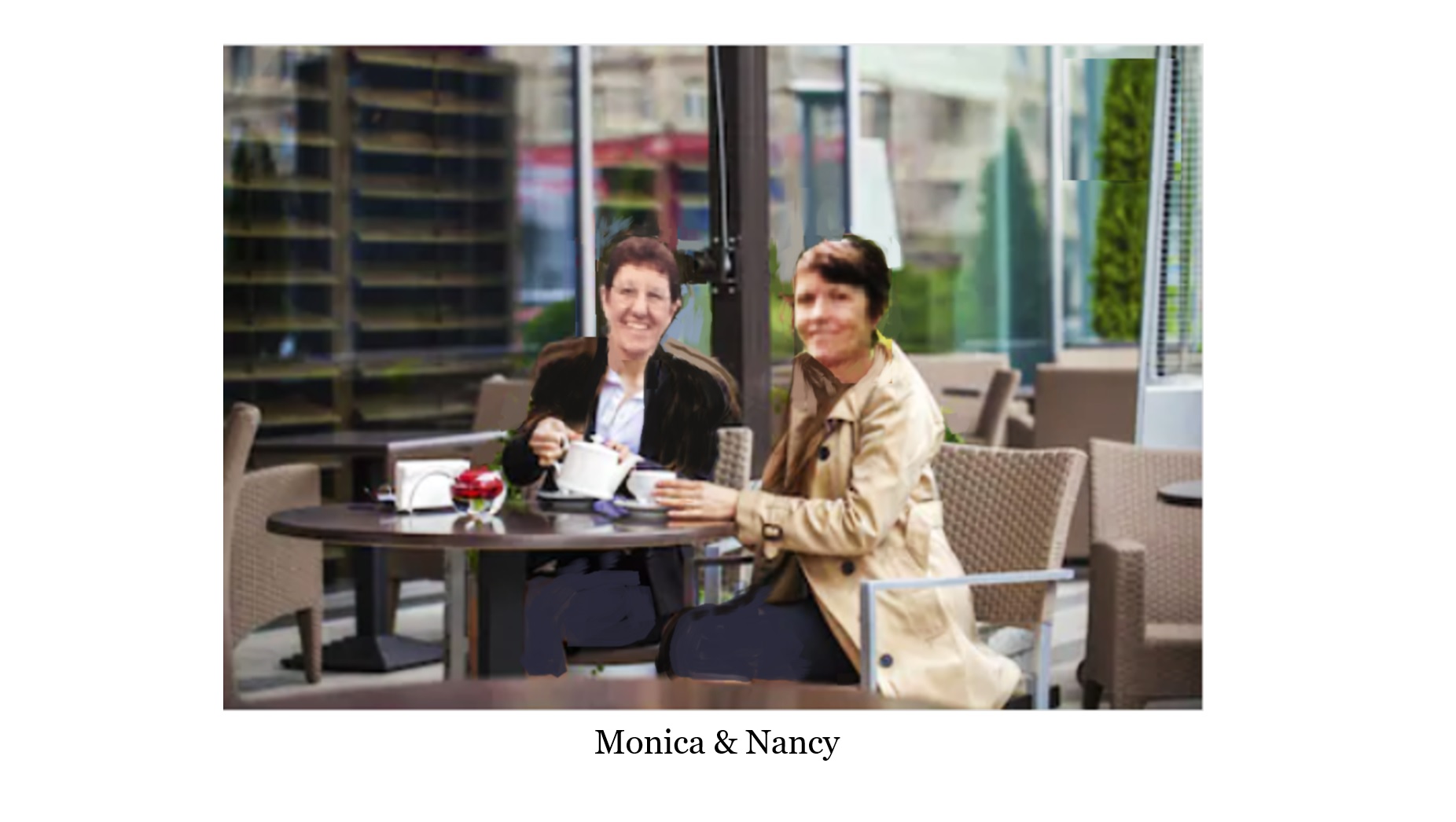
 

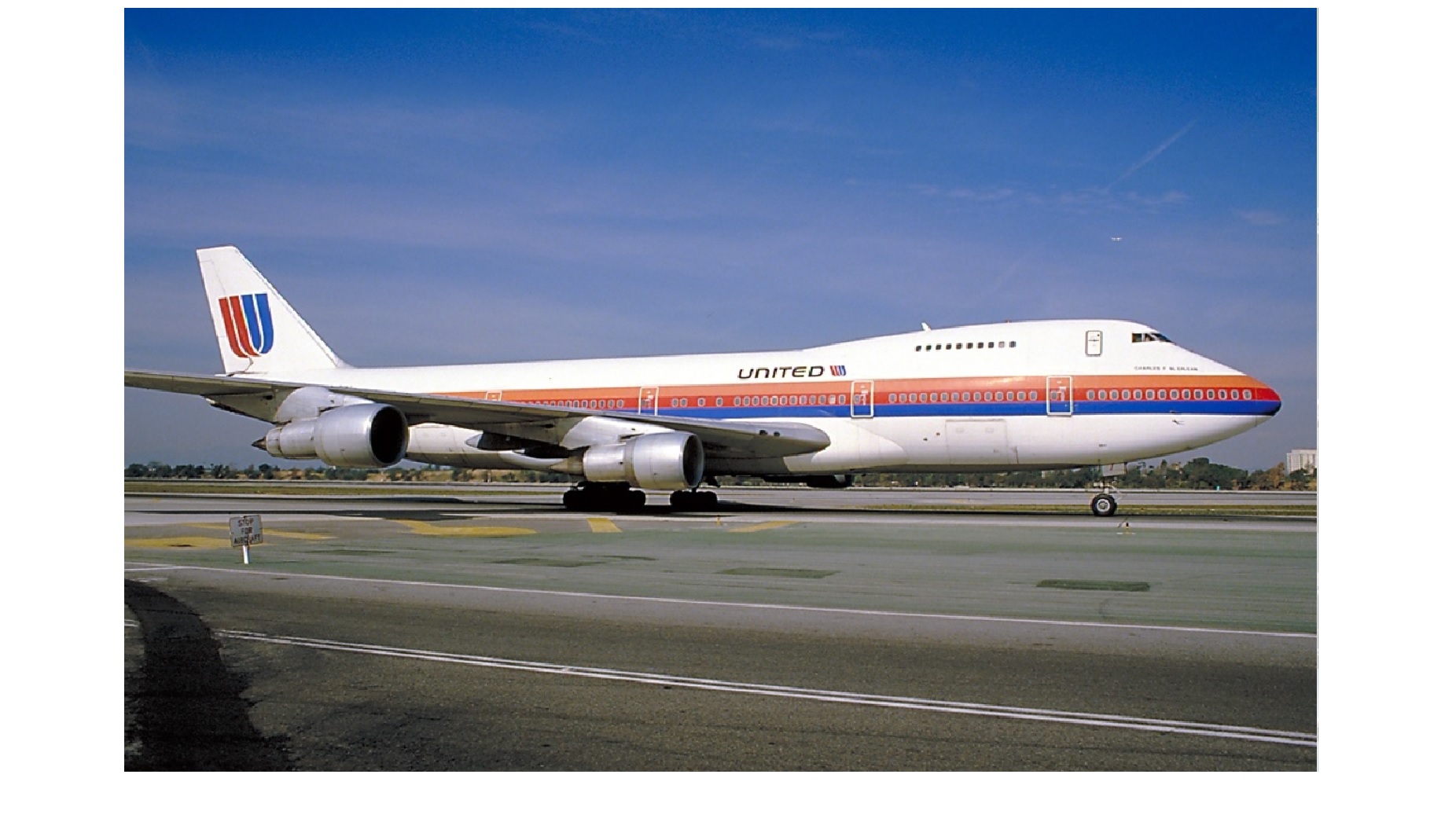
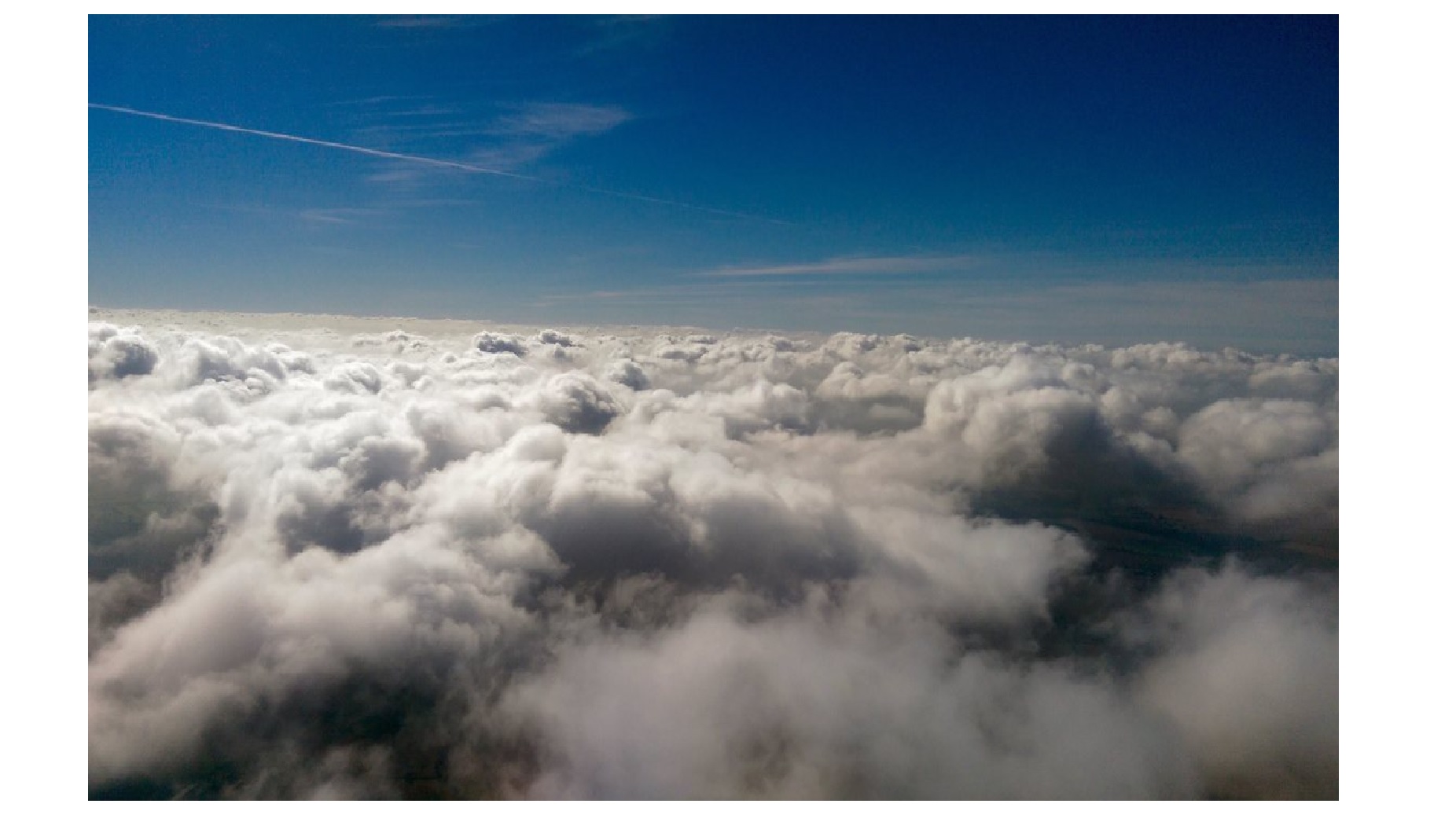
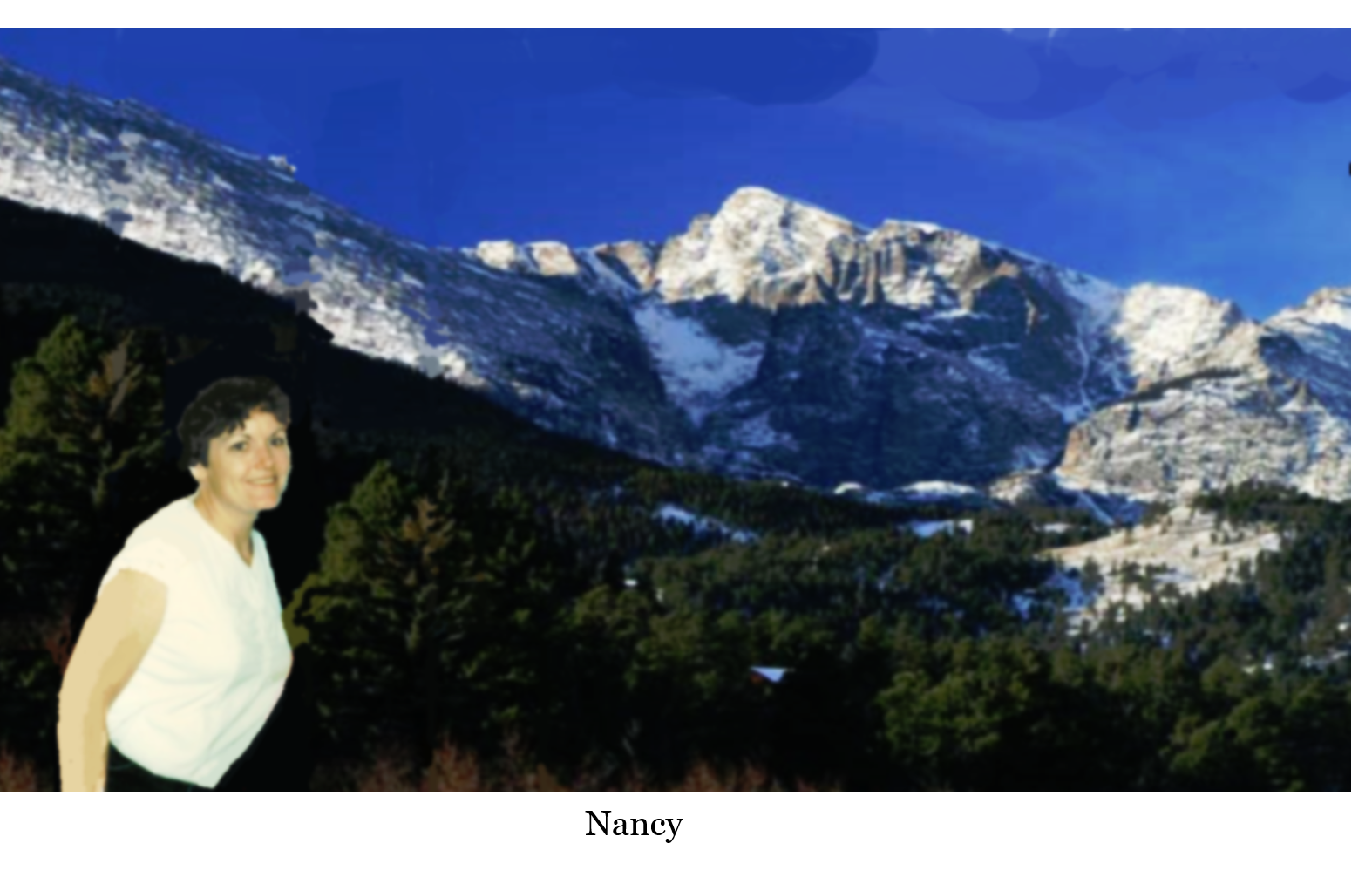
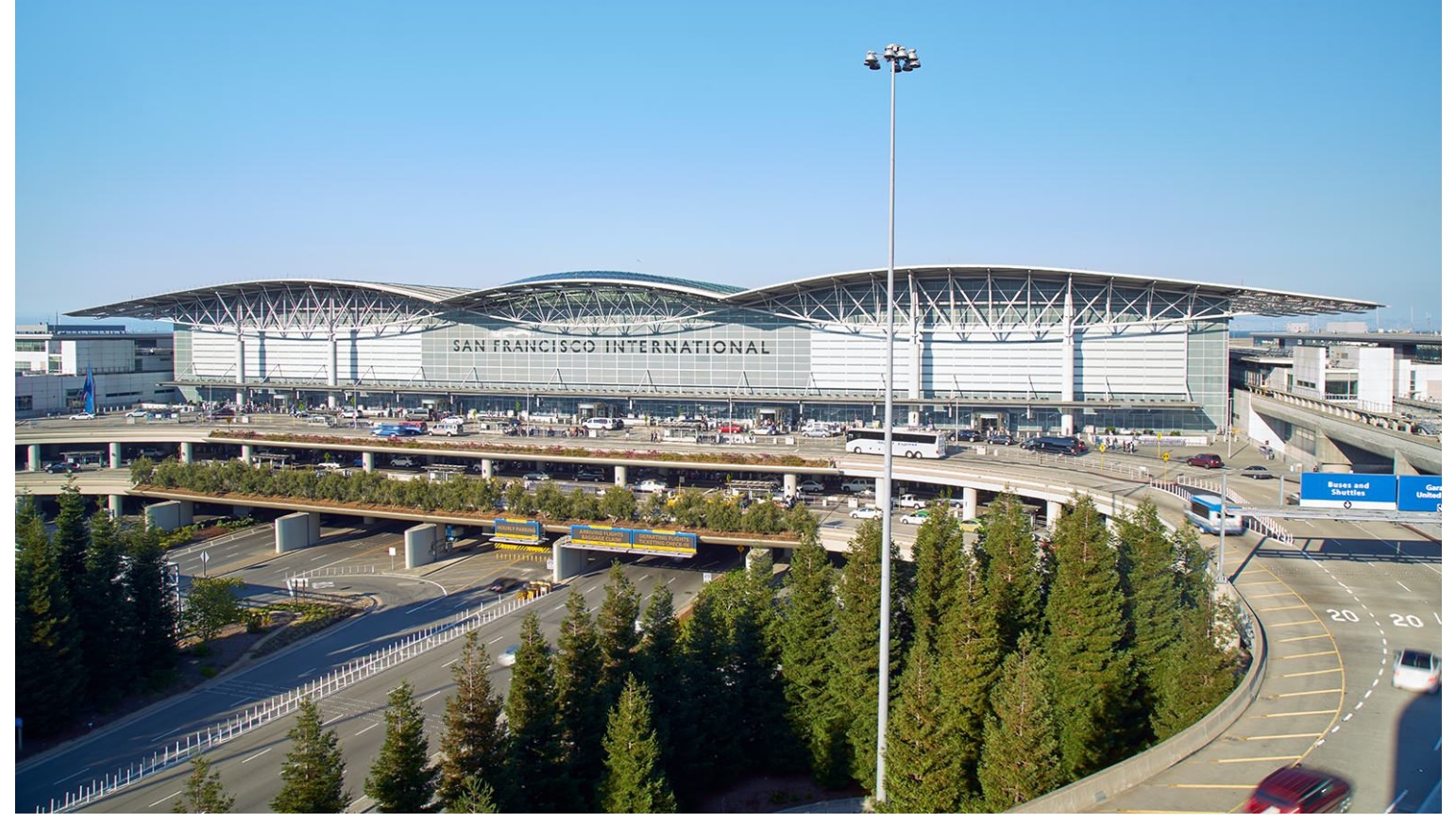
The morning found Nancy and Monica not only saying farewell to London, but to each other, they didn’t arrive together,  having made separate roundtrip reservations.  .  Nancy boarding her United Airlines 7 47 for the 11 hour return flight to San Francisco, and a return to the real world.   Sitting back, the gentle sound of the engines whispering their assurance,  her mind trying to process all that she experienced,  having spent the past weeks walking through  history, baring witnessing to  its accomplishments,  attempts,  frustrations  and failures,  reconciling what she observed,    monument are not what you engrave in stone but what is woven in the lives of others.  recalling an Irish blessing  .  .  May the road rise up to meet you and may the Wind always be at your Back.  May the sun shine warm upon your Face and the Rains fall Soft upon your Fields.  And until we meet Again…May God,  Hold you in the Palm of his Hand….
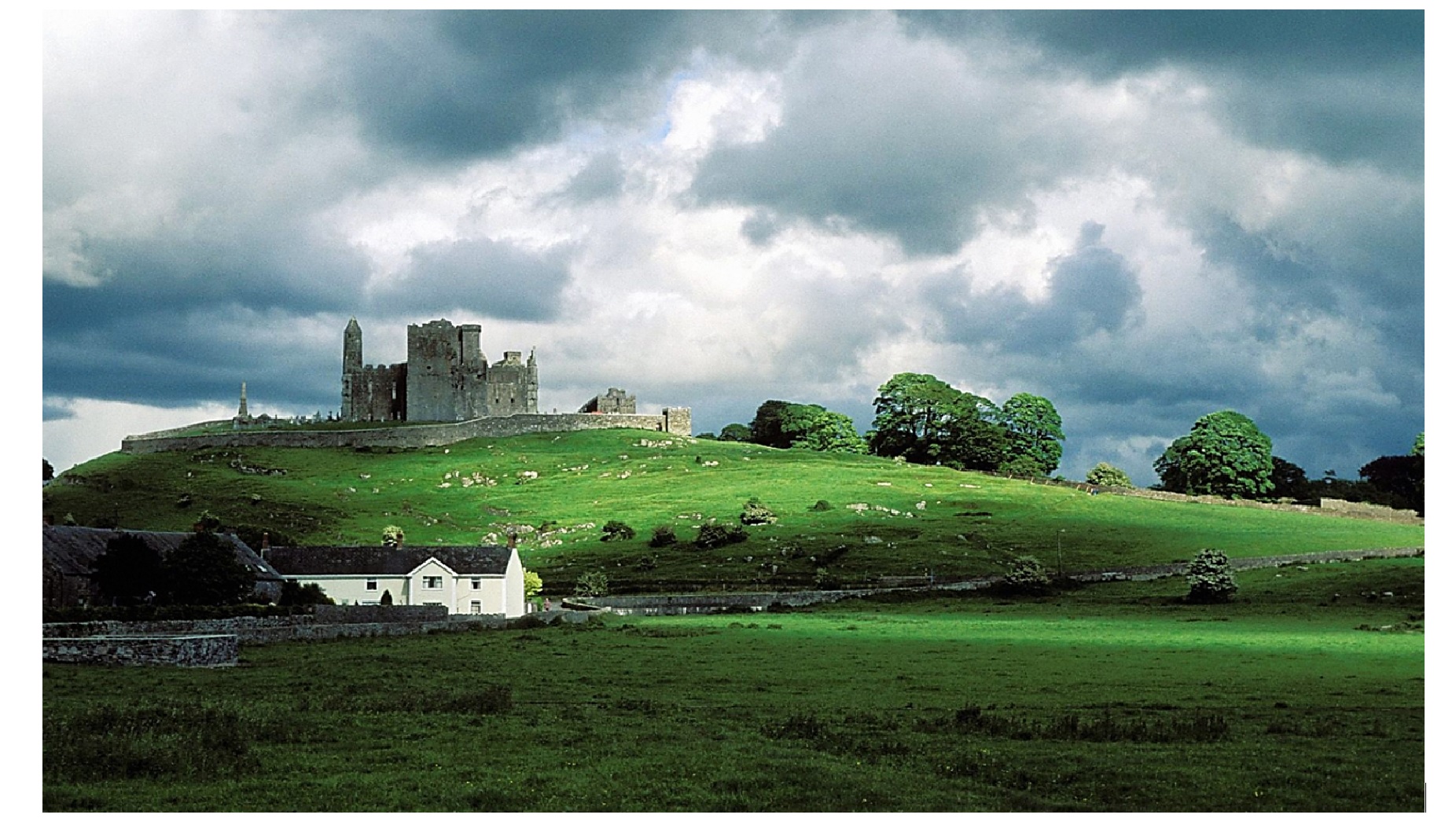


Nancy’s Dream Vacation Pt. 1
October 12, 2015


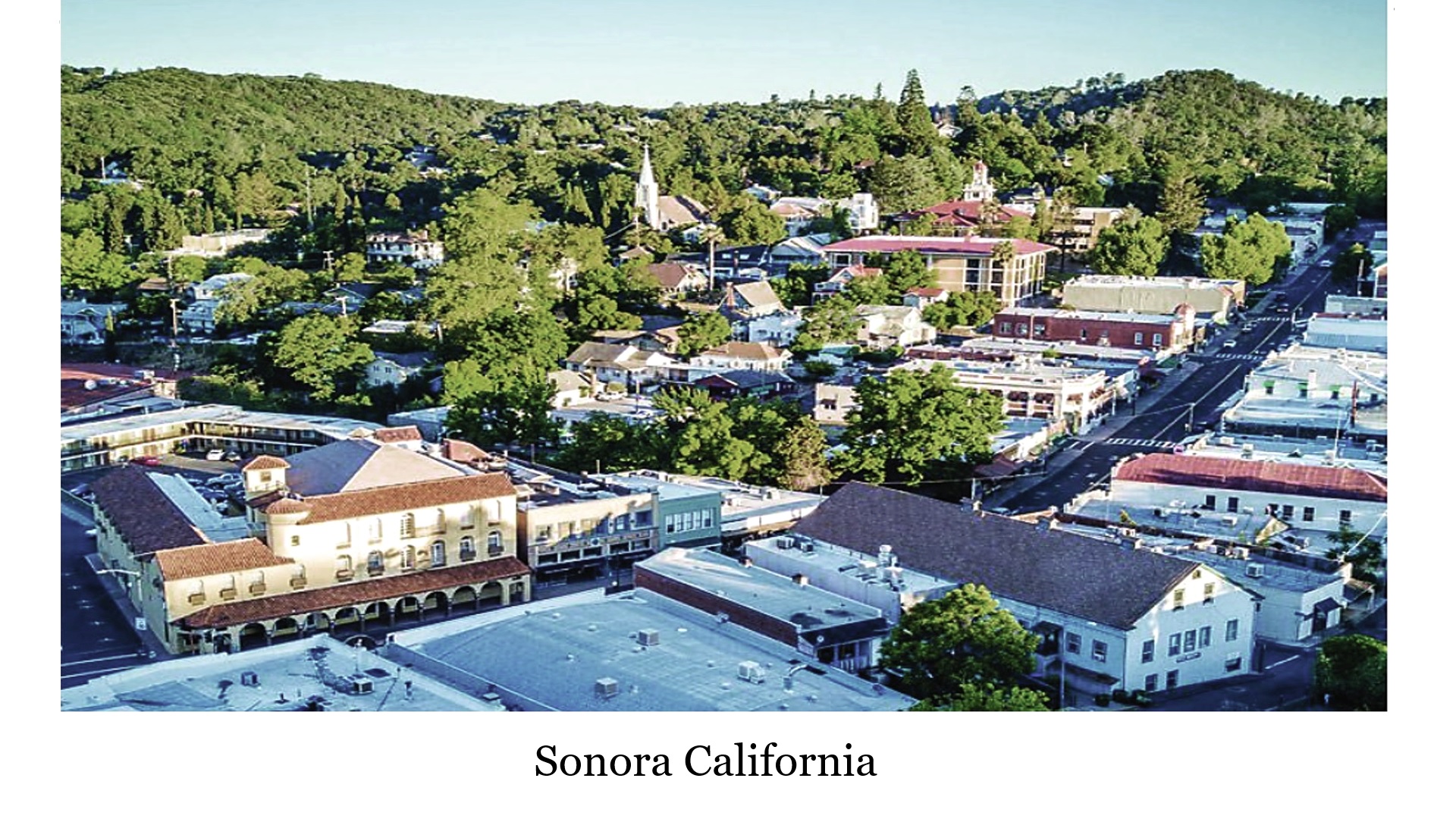
It was no surprise in the summer of 97,  to those who knew  Nancy Willson Gokey, when she announced  her  and good friend Monica Johnson,  a Sonora school teacher,  had booked a two week dream vacation to the portals of the Austria Alp’s,  the picturesque Sound of Music town of Salzburg Austria,  and from the majestic Alp’s, the two would journey to Egypt, the pyramids, the Sinai and the shores of the Mediterranean.
 

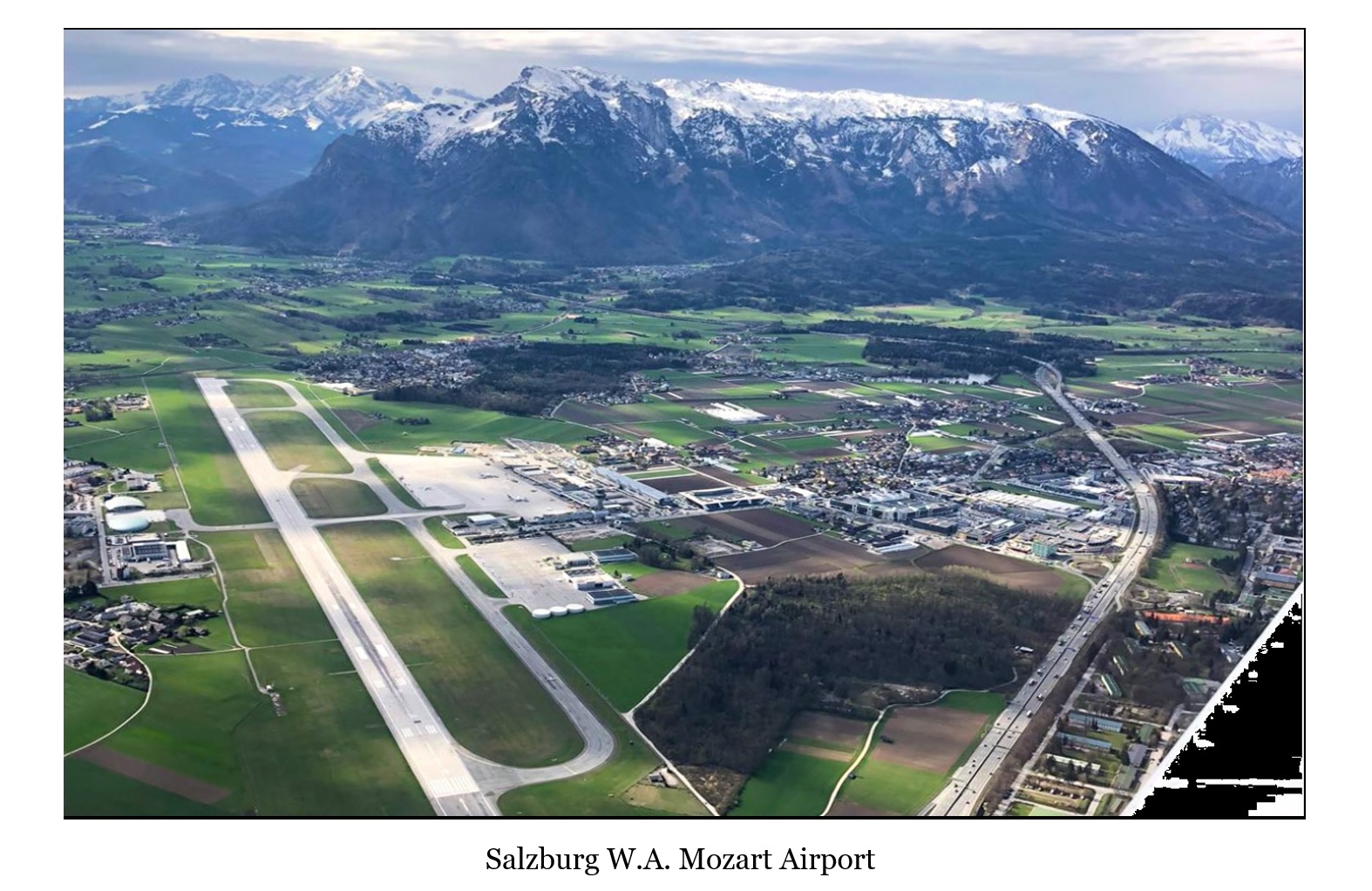
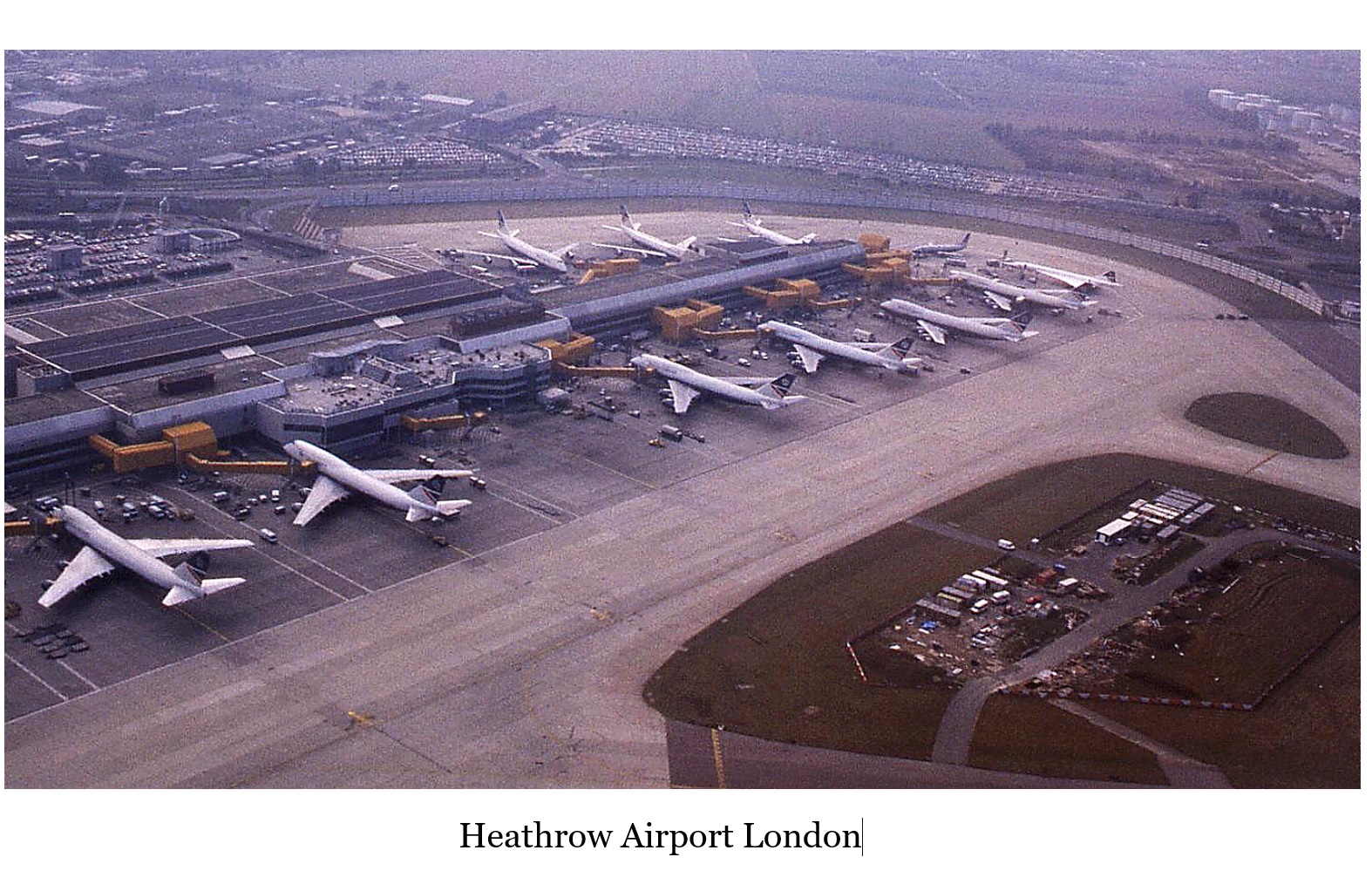
July 11th,   Nancy and Monica boarding a SFO British Airline 747 at 6:20 p.m.  for the 10 hour 10 minute nonstop flight to London.  Arriving at Heathrow Airdrome at 12:30 p.m. Greenwich mean time on the 12th,  an eight hour time difference.    The two having a 4 ½ hour layover,  boarding a Lufthansa Airline Airbus 320 for the hour and a half flight to Frankfurt Germany.  The 9:50 p.m. one hour flight arriving at Salzburg’s W. A Mozart Airport.


From the Gablerbraeu, StarInn hotel..   Nancy and Monica  looking forward to exploring this culturally historic city.   Their tour itinerary having scheduled a Sound of Music dinner show,  a sound of music tour of the scenic movie landmarks,  and a sound of music evening Marionette Show.  With a  bountiful itinerary of other tours available, more than sufficient to  fill their four day stay.


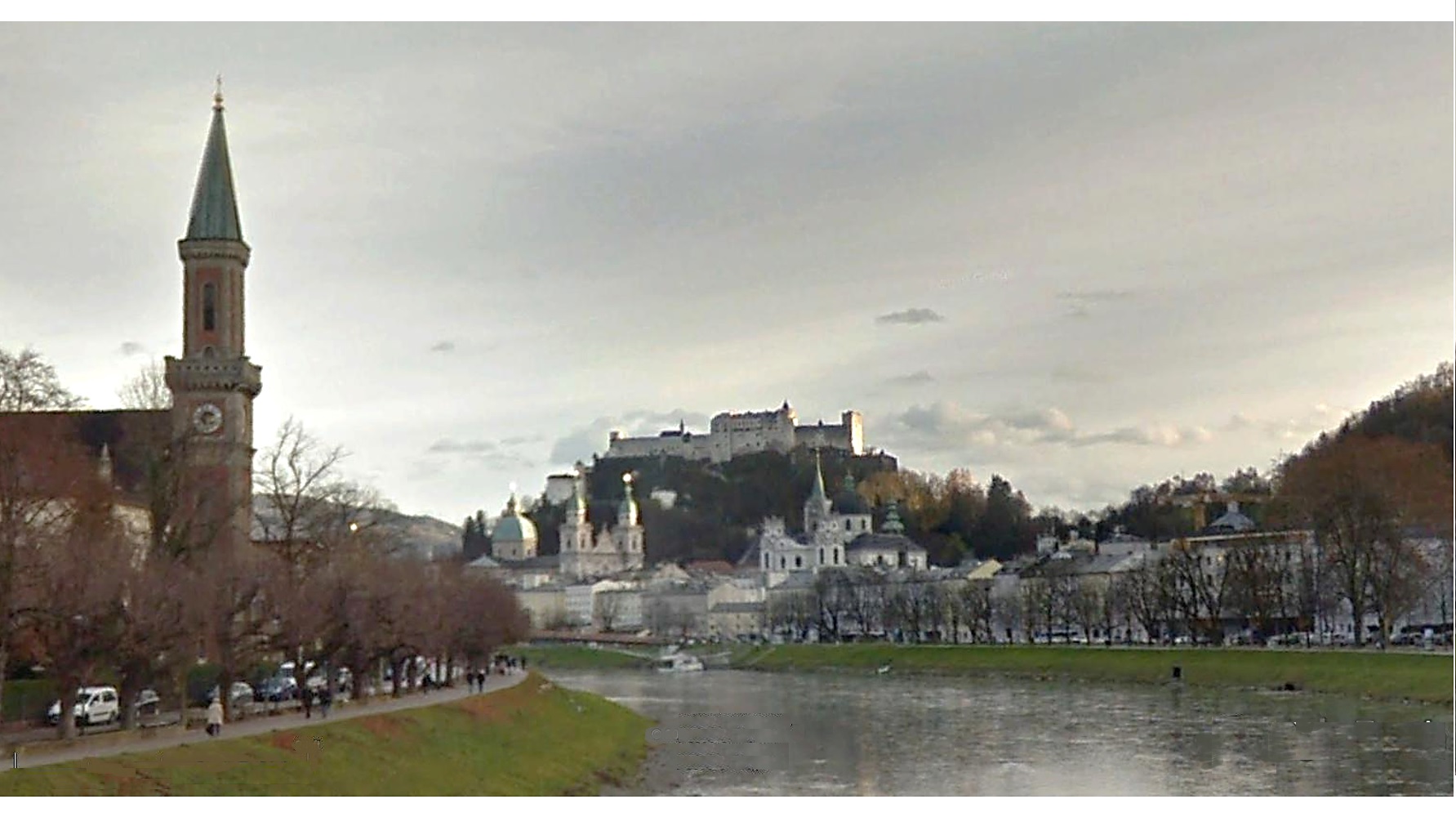
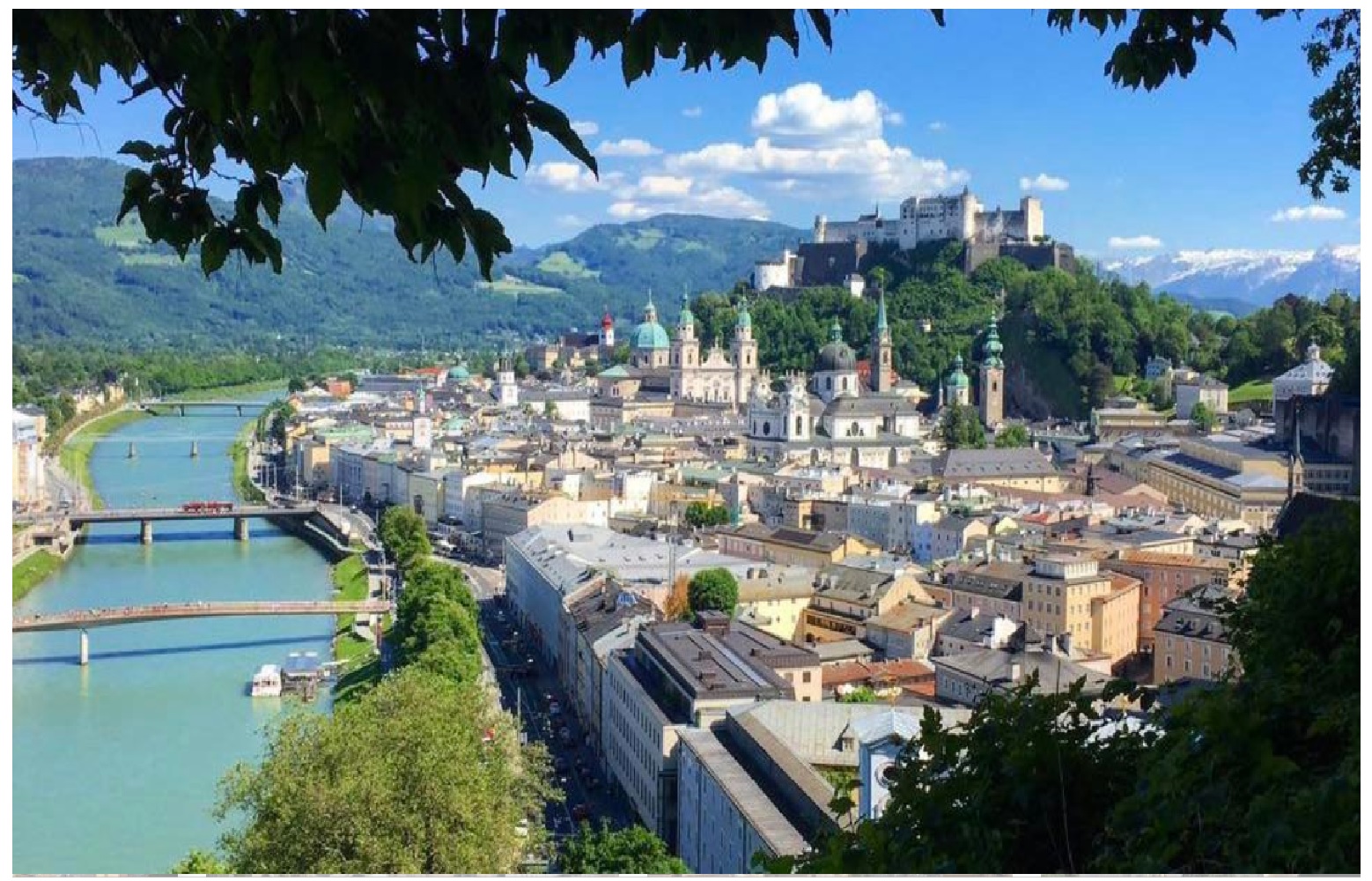
The two starting their elucidative journey venturing to the 241 mile long Salzach river which flows into the Johann  Strauss  music acclaimed Danube.   Viewing Wolfgang Medias Mozart’s birthplace home on the river’s edge, and from the pedestrian river bridge,  able to behold the majestic Hohensalzburg Fortress in the distance.  Their walking tour taking them to the center of historic Salzburg.   The Residenz Brunnen fountain residing in the center of the old town square.


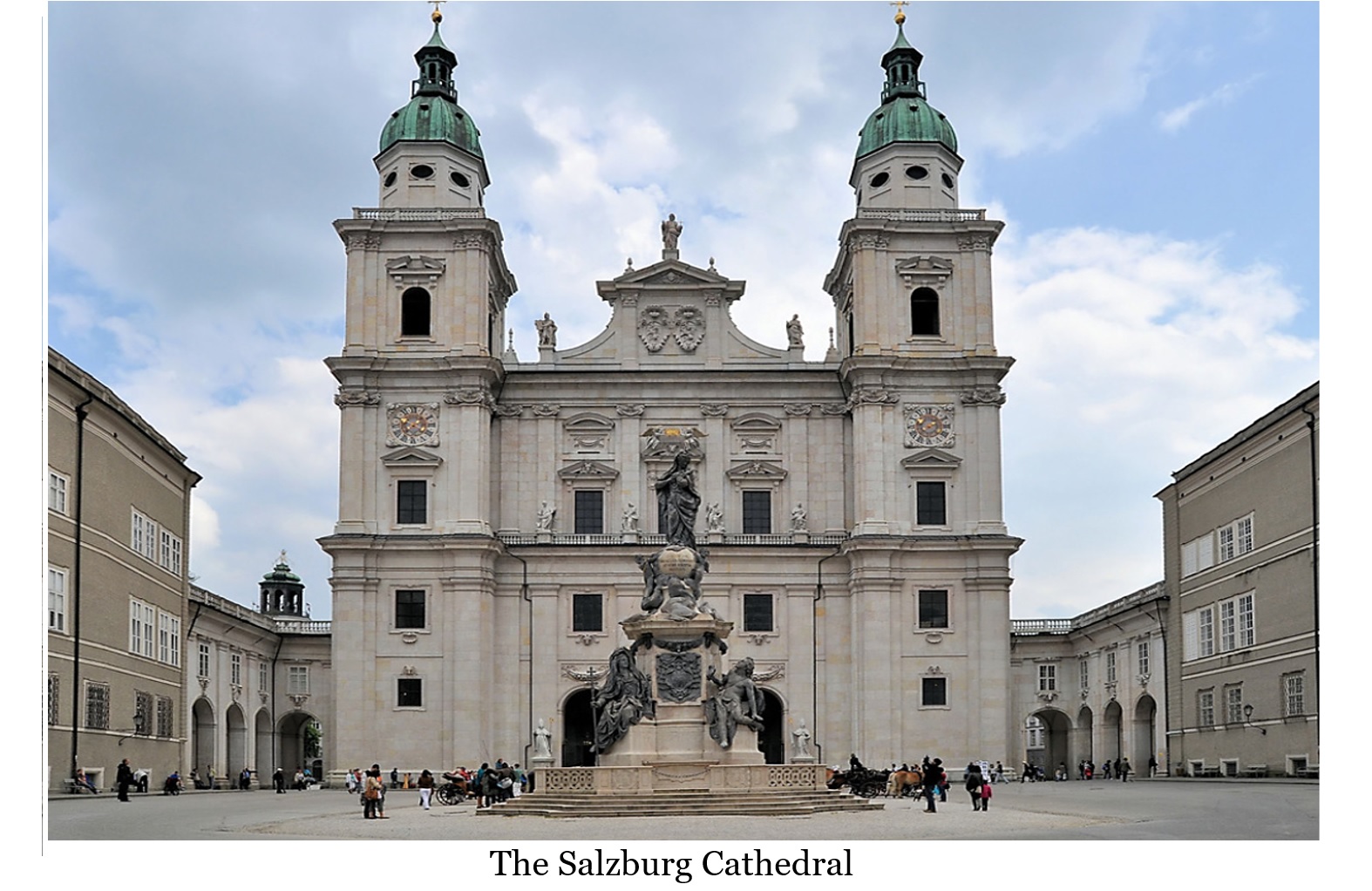
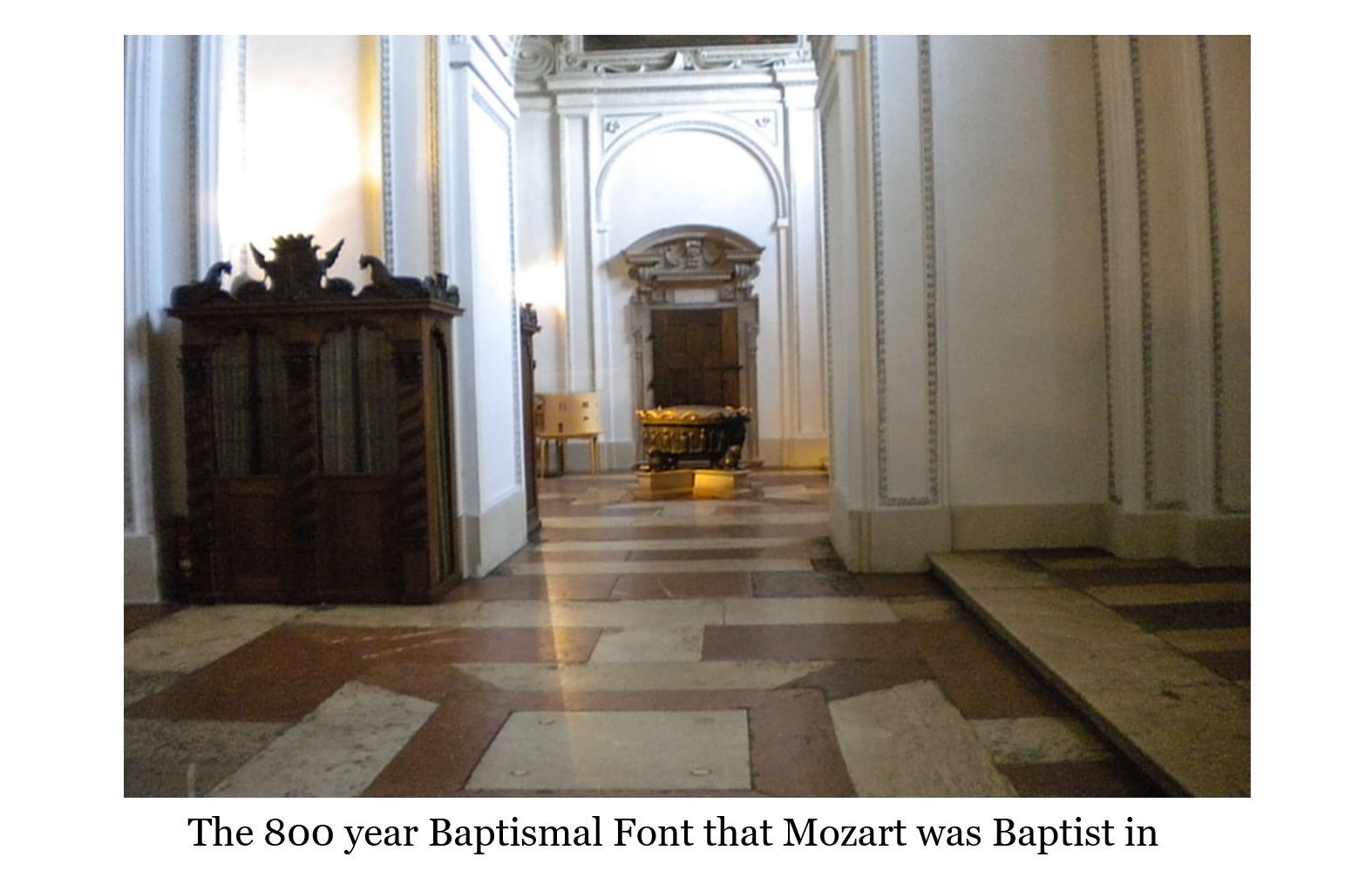
The square erected between 1656 to 1661, enclosed within the Salzburg Cathedral grounds,  founded by Saint Rupert in 774 on the remnants of a roman town.  The cathedral was rebuilt in 11 81 after a fire,  and  in the seventeenth century, rebuilt in the Baroque style under Prince/Bishop Wolf Dietrich von Raitenau.  the Salzburg Cathedral still contains the baptismal font in which composer Wolfgang Amadeus Mozart was baptized.   Continuing on to St. Peters Abbey,  the benedictine monastery and former cathedral, considered one of the oldest German speaking  monasteries.


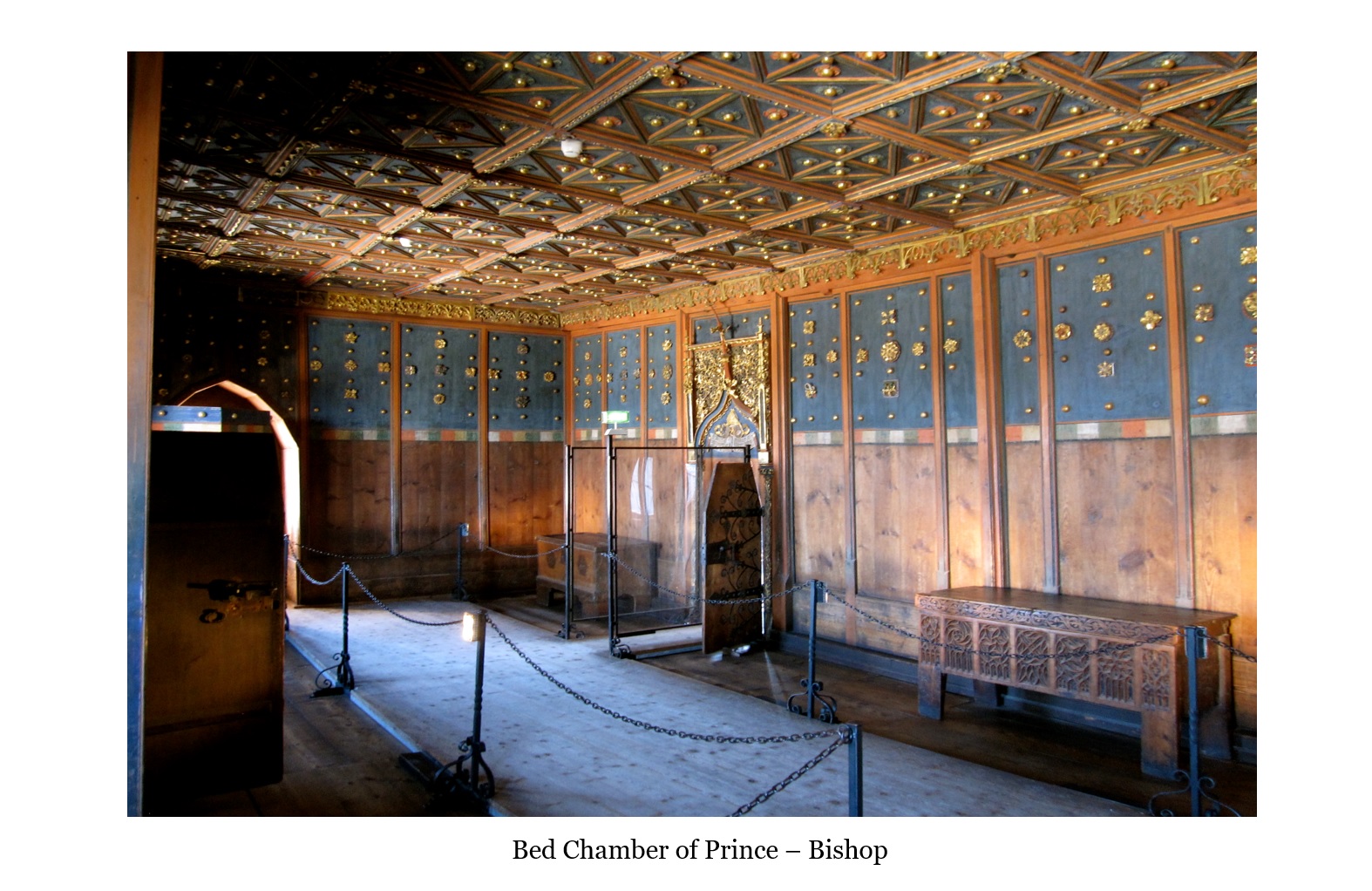
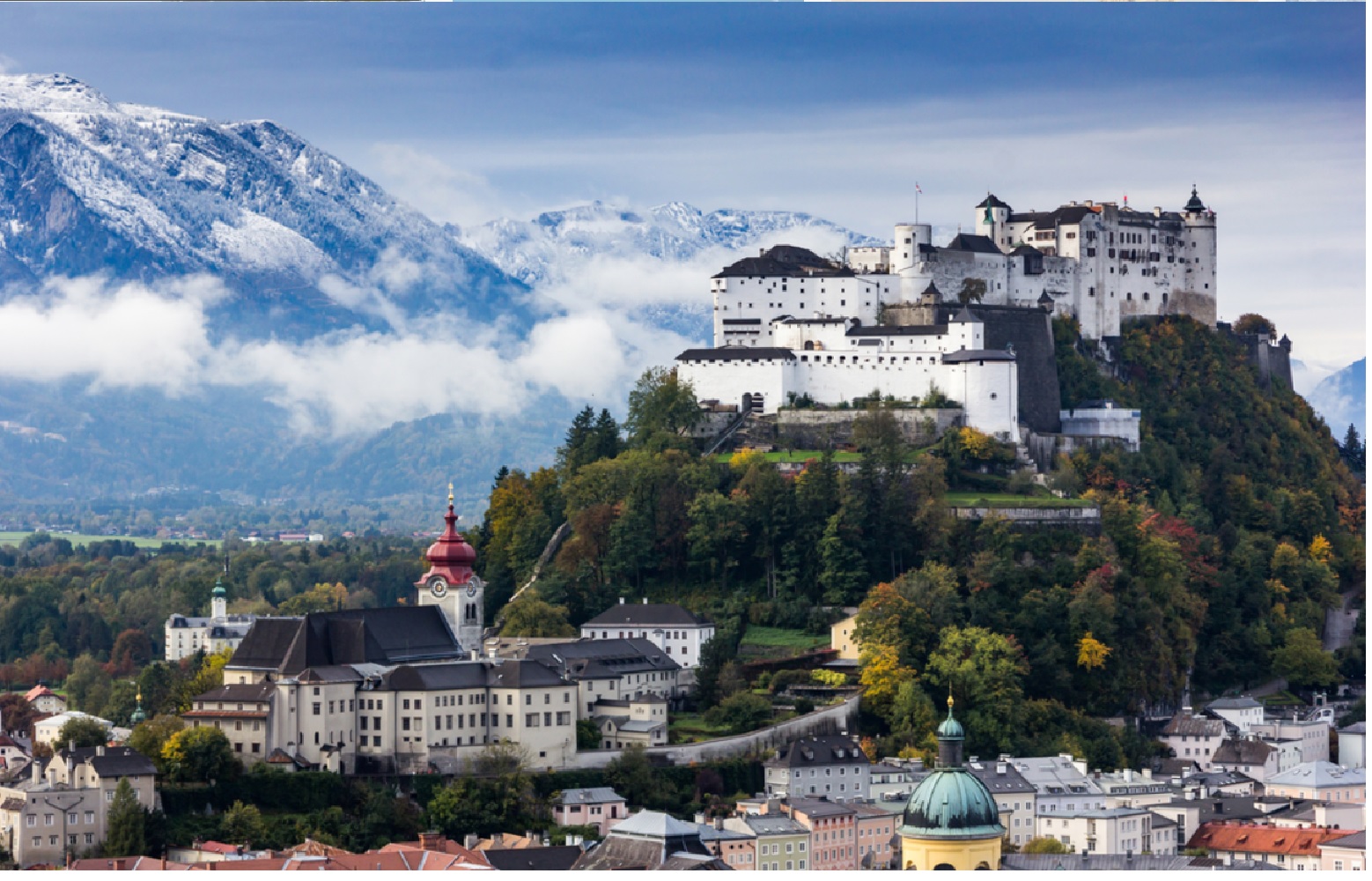
The sentinel Hohensalzburg fortress, beckoning  from its vestige overlook.   Construction of the fortress beginning in 1077  and gradually expanding thru the centuries. The ring walls and towers being built in 1462 under Prince-Archbishop Burkhard  von Weißpriach II.  Starting in 1498, Archbishop Leonhard von Keutschach installing the magnificent state apartments, a chapel and with the richly decorated golden hall,  indicates the fortress served the archbishops not only as a sanctuary in times of adversity, but as a home.  Nancy and Monica entering, the two  discovering  a treasure trove of the heirlooms, princely artifacts and magnificent rooms,  one could spend hours emulsified in the grandeur.


The evening found the two enjoying the sound of music dinner show at the Stieglkeller restaurant and gardens.  The vacationers enraptured by the local musical  presentation of the songs from the Rogers and Hammerstein 1959 play and 1965 movie, the Story of the von Trapp Family Singers.  An enlightening  video narrated by Maria von Trapp was viewed,  giving insight to some of the events and realities encountered in their exodus


T

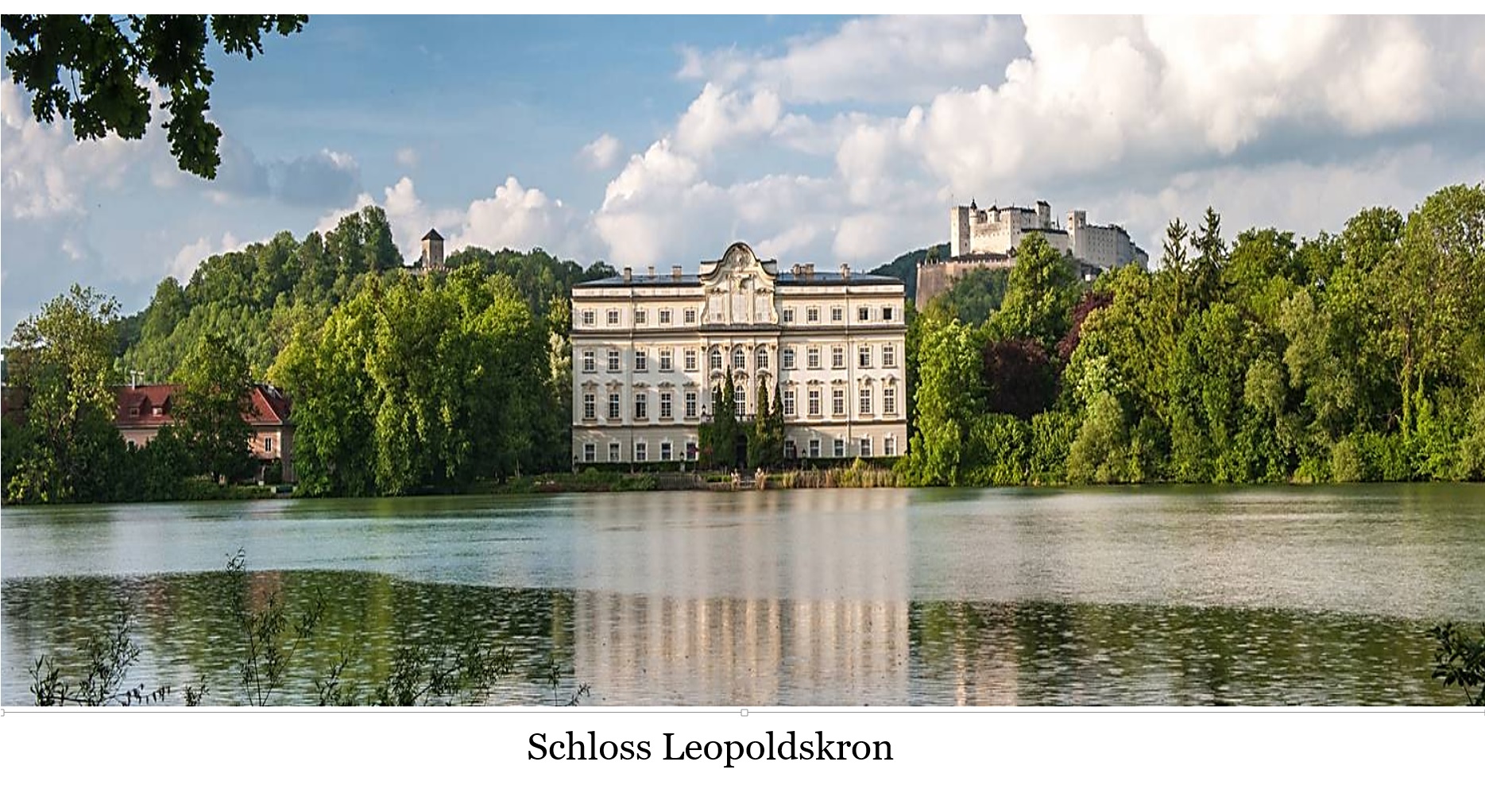
he 9:30 morning  Sound of Music guided tour commencing, viewing the Mirabell Gardens and Pegasus Fountain, where Maria and the children danced in the movie.   A stop at the Leopoldskron Palace and Gardens  where the famous boating scene was filmed.   and  at the Herbert von Karajan Square with the famous “Horse Pond”, which dates back to the 17th century,  where the prince-archbishops’ stables used to wash off and groomed the parade horses.


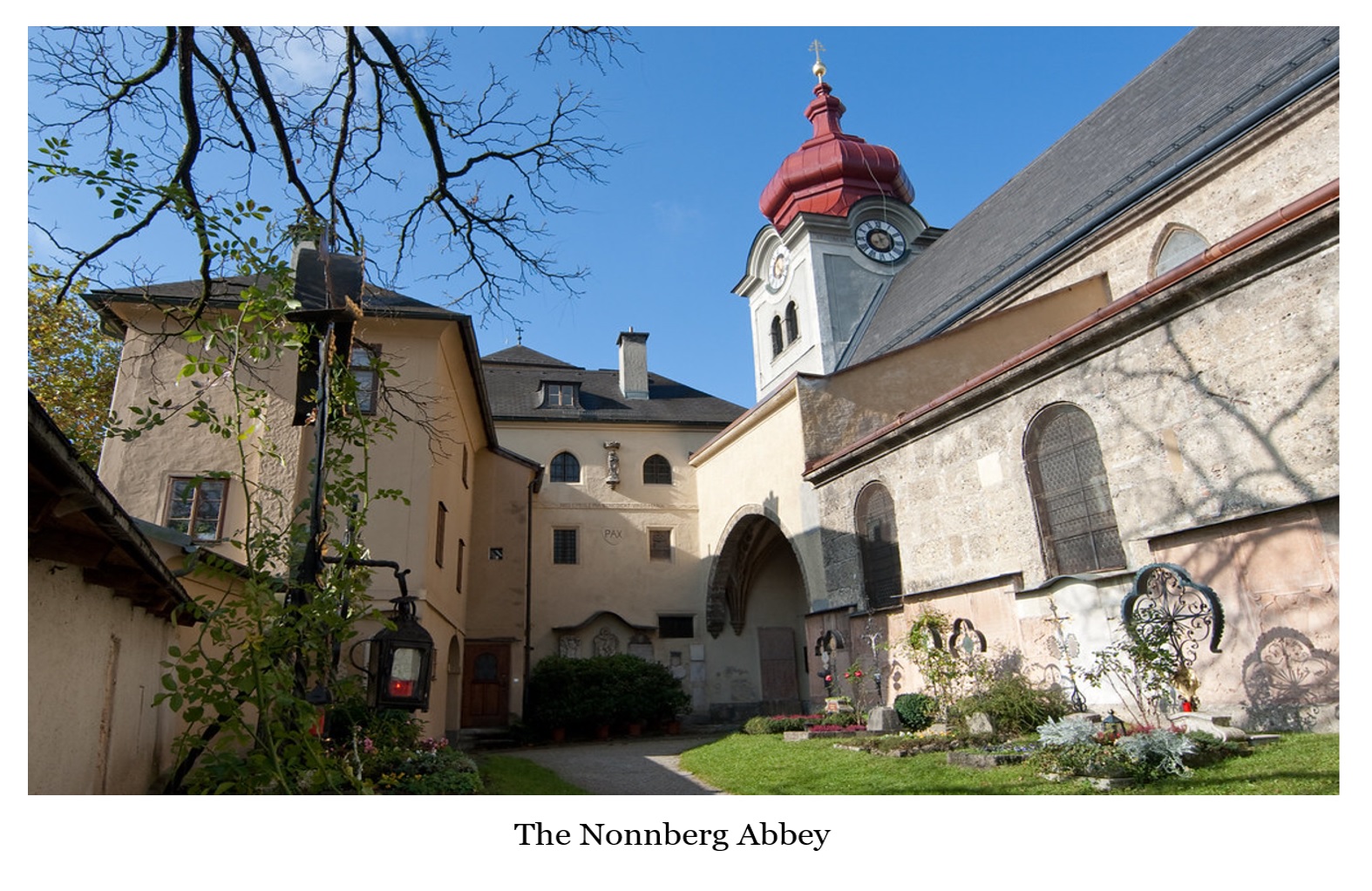
Stopping at the Hellbrunn Palace,  behind the palace walls are some  60 hectares of artistically landscape gardens,  and the gazebo where Liesl and Franz sang to each other  the enduring song,  16 going on 17.   On to the Nonnberg Convent,   the Abbey is the oldest female convent north of the Alps, and the courtyard of the abbey is where the song “Maria” was staged.


The heart of the old city center is Residencz Square.  In the film, Maria crossed this square singing , “I have confidence”,  while on her way to the Trapp family home for the first time.    At the rock cliff  base of Mönchsberg  Mountain,  named after the Benedictine monks, the church caves overlooking Saint Peter’s Church and Cemetery, the cliff forming  the back wall of the church consecrated in 1178.   Saint Peter’s Church can be seen in the opening scene, where the military was searching for the von Trapps,  the family hiding behind the tombstones.


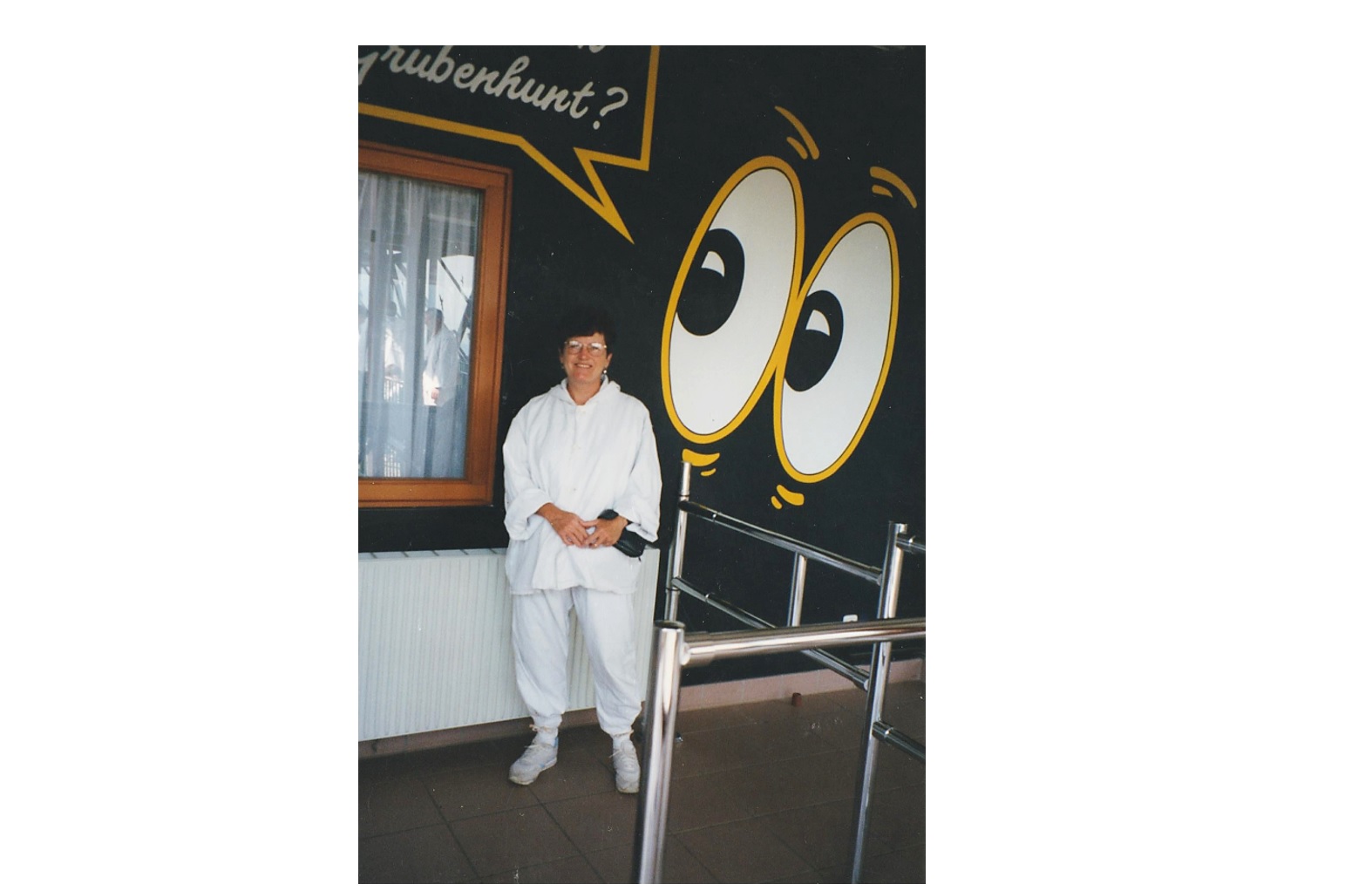
The two once again fulfilling a quest, a morning tour of the 500 year old  Salzbergwerk Dürrnberg underground salt mine located on the Dürrnberg plateau,  above the town of Hallein.    Disembarking from the gray line bus at the entrance to the mine,  the group provided protective coveralls for their personal attire before boarding the miners train, venturing them 1300 feet into the mountain.  Inside, instructions on mounting the impressive 138 foot wooden slide down to the grotto, and brine lake.  for many an exhilarating experience.  Once below, an informative presentation given of the salt extraction process,  the utilization of the addition of water, turning the salt into a brine and pumping it to the surface, where the water would be evaporated.  The domed underground area donned with emphasizing lighting, and a underground boating experience on the brine lake before the group exited the subterranean  cathedral .

There, coveralls returned,  the tour continuing in the 770 year old town of salt mine town of Hallein.  Nancy and Monica entering the pilgrimage church Maria Dürrnberg,  amazed at the pristine chapel and the numerous historic artifacts that they found to be characteristic of the inherent Austrian culture.  A return to Salzburg, the day’s journey coming to an conclusion.


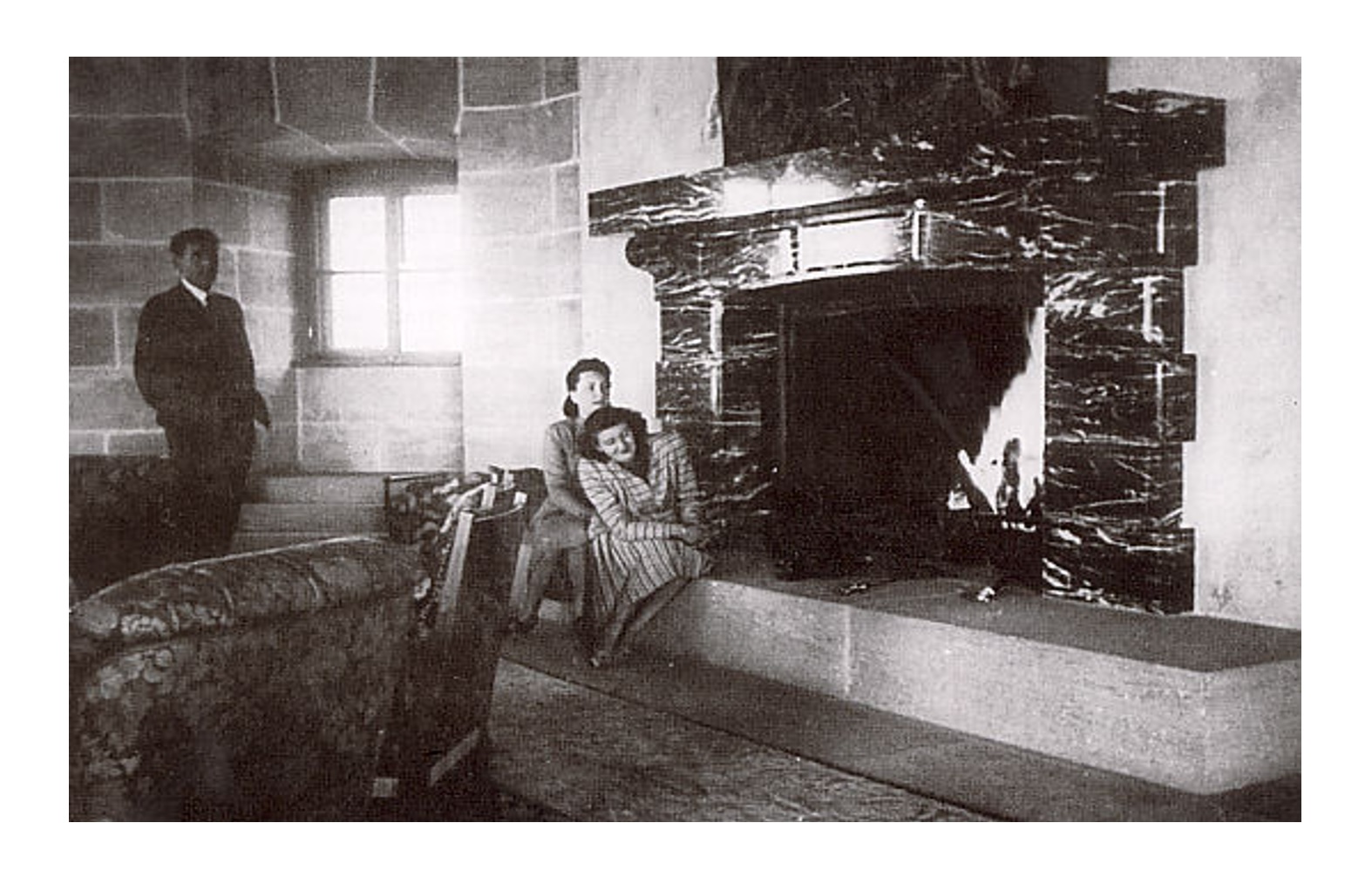
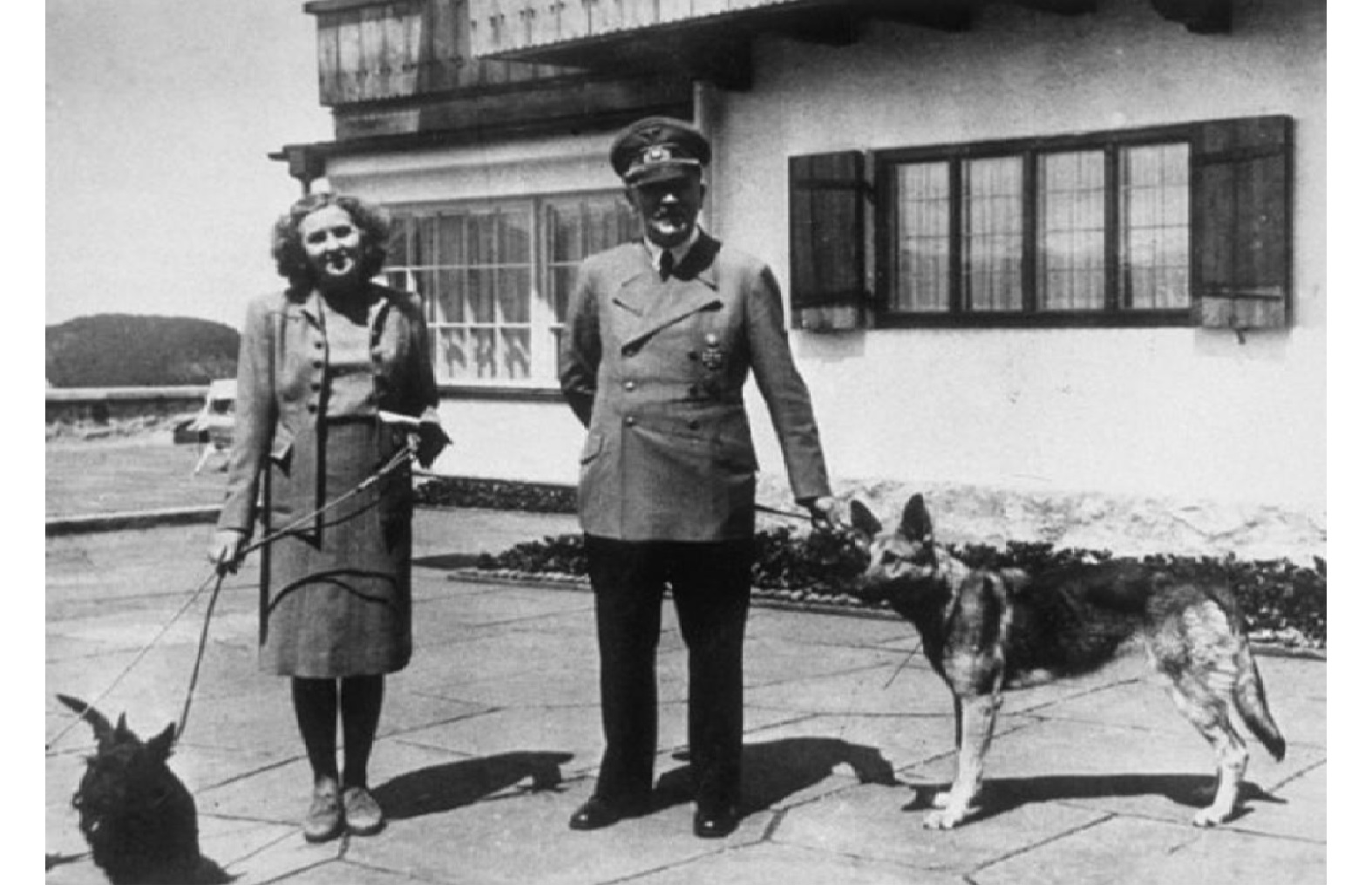
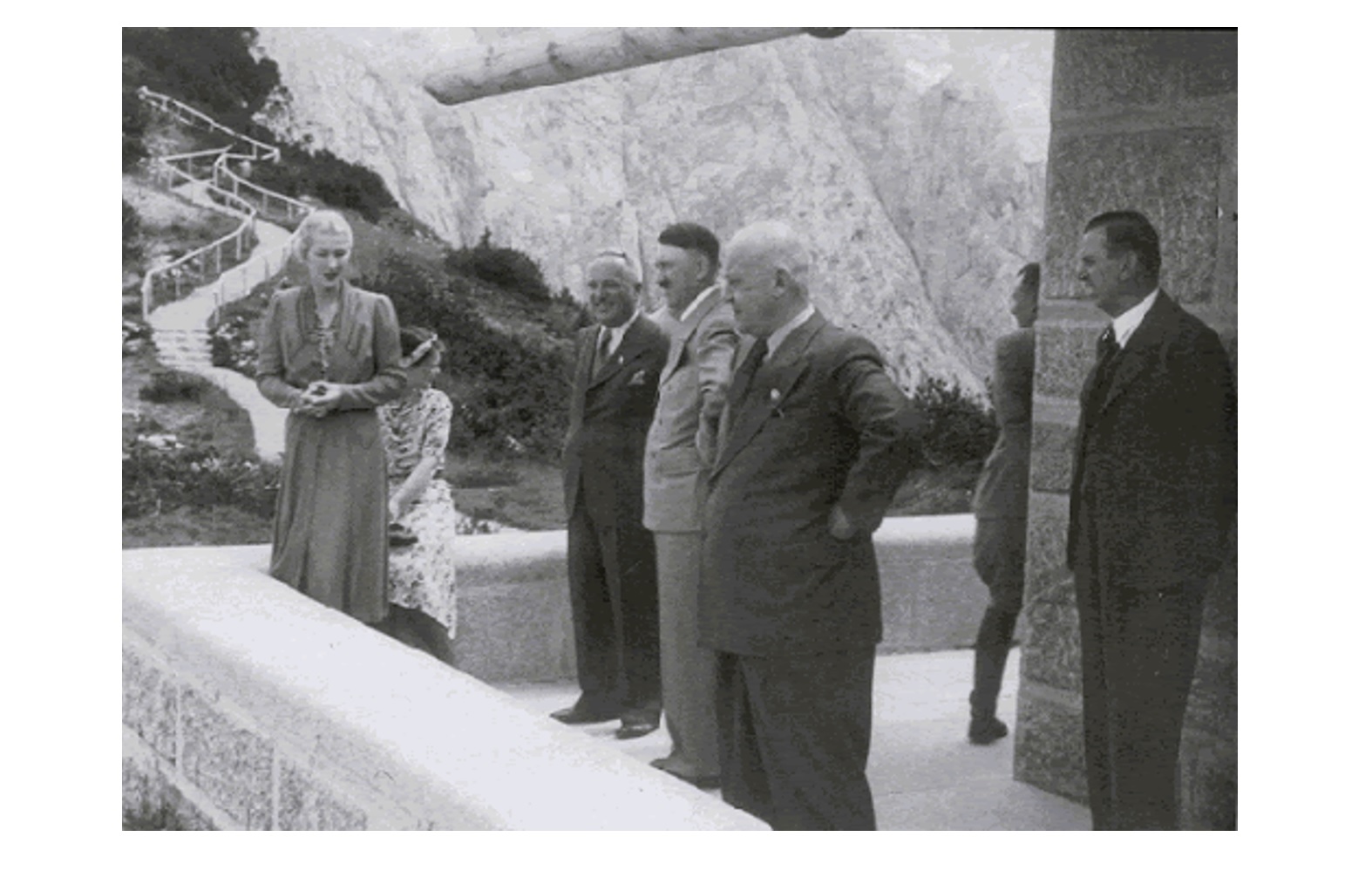
In 1938, national socialist workers party secretary Bormann,  embraced the construction of  a tea-house on the 6217 Ft. Kehlstein mountain.  Bormann’s goal was to impress diplomats from all over the world, to witness what German engineers could accomplish.  the original name of the tea house was the “D” ,   referring to “Diplomats”,   Later commonly known as Kehlsteinhaus,   the Eagle’s Nest.  The engineering project, including a 11,000 square foot structure erected on the rocky promontory,  included a tunnel,  elevator and employed 3000 well paid Germans, Austrians and Italians.   It was completed in 13 months,  and presented to Chancellor Hitler in 1939 as a gift on his 50th birthday.


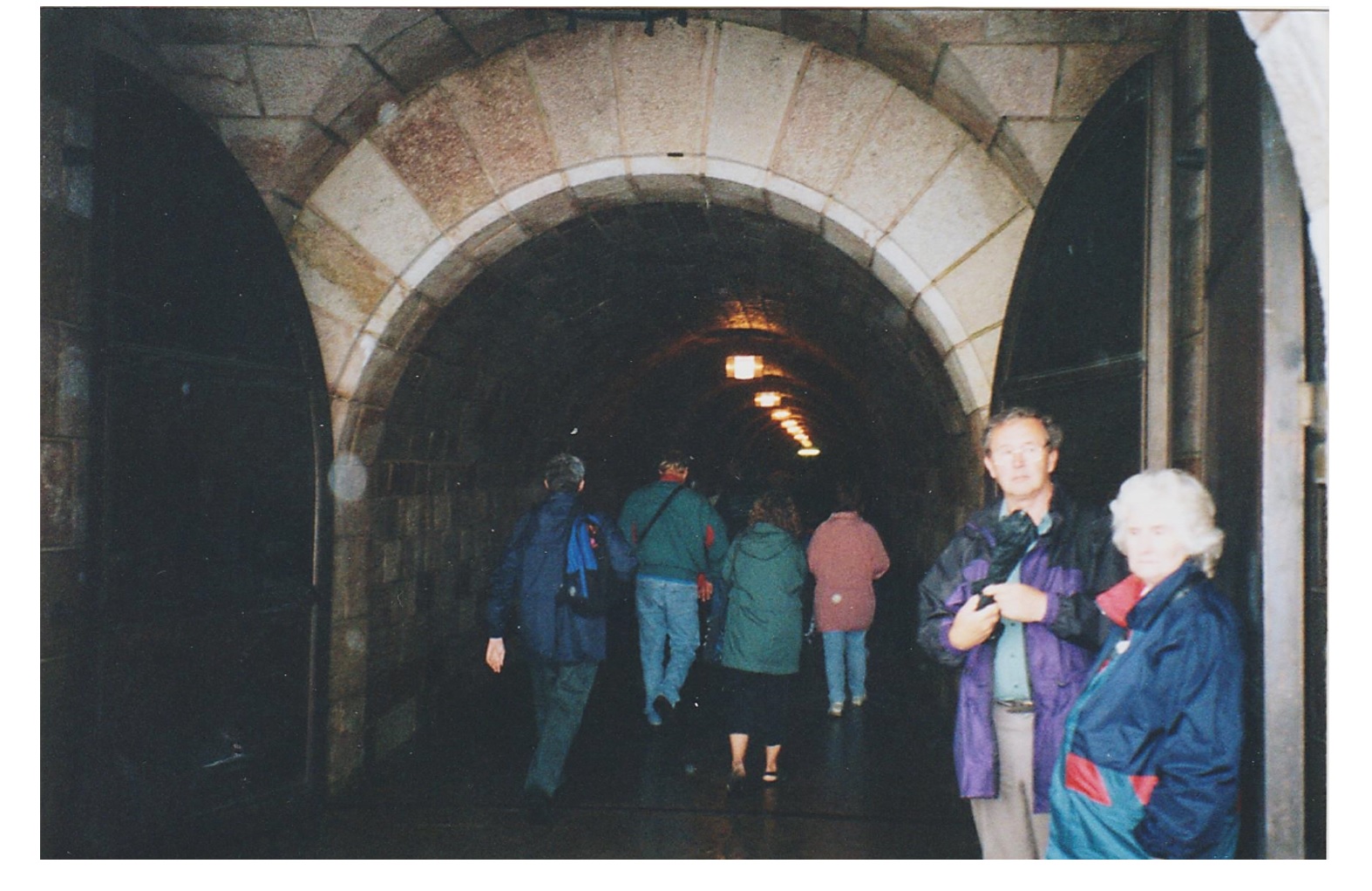
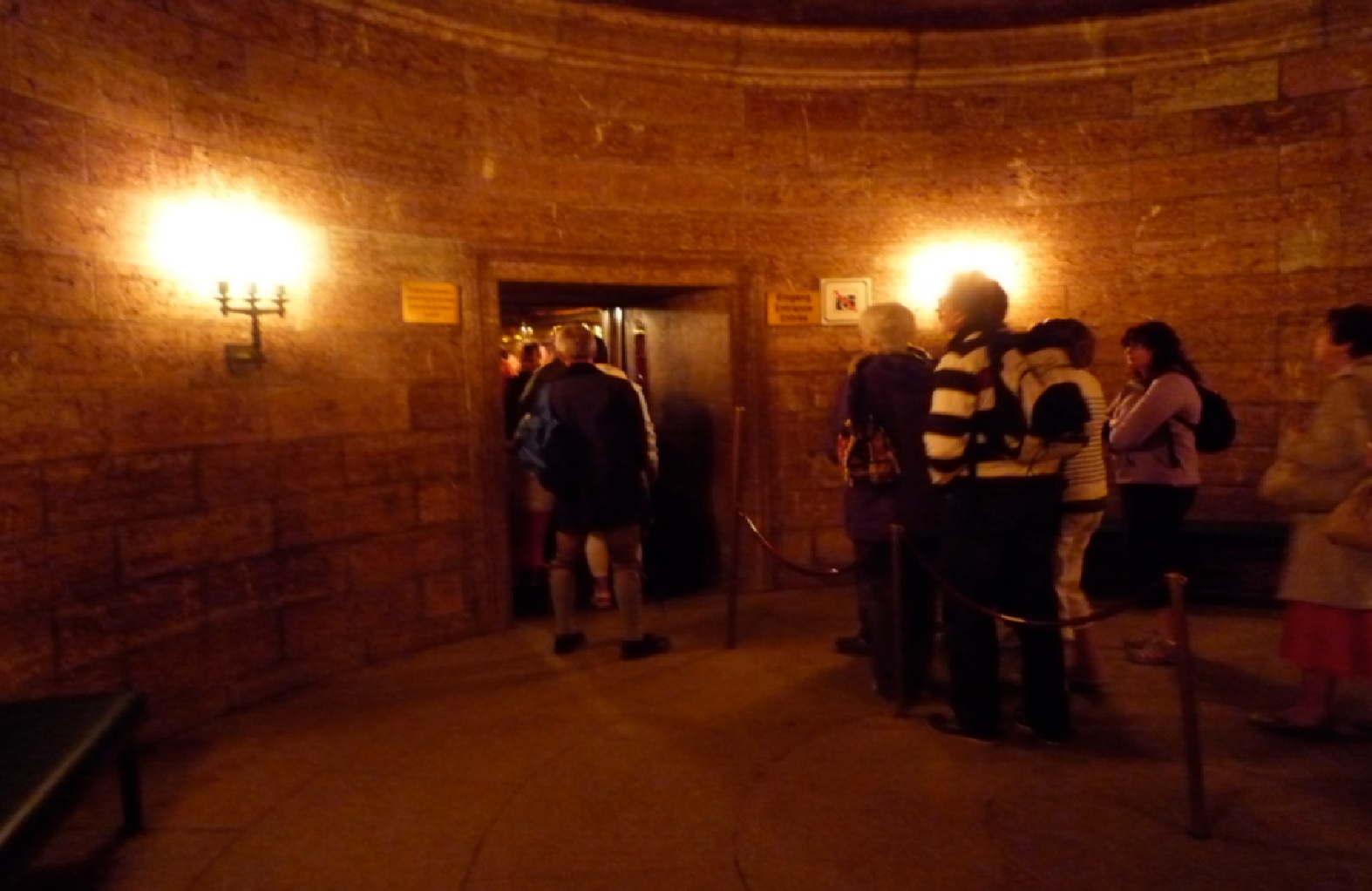
The morning eagle nest tour bus leaving at 9:00 a m,  an overcast drizzle greeting on their past thru of Berchisgaden,  continuing the four mile elevated drive to the eagles nest parking area and entrance tunnel.  The group entering the 430 foot tunneled entryway inside Kehlsteinhaus mountain.   arriving at a circular reception room to embark on the ornate brass and mirror walled elevator for the 400 foot ride up.


The two somewhat disappointed, the weather not cooperating, the world acclaimed majestic view from the eagles nest was somewhat obscured with low cloud overcast.  Inside experiencing the presence of a tea-house ,  but sensing an indelibly inscribed atmosphere of a detrimental history.  From the quaint town of Hallein the Gray Line motoring along the Kings Lake-Ache,  continuing to the Obersalzberg, traversing the scenic valleys below the ever towering Alp’s.  A final stop at Berchtisgaden  before returning to Salzburg.


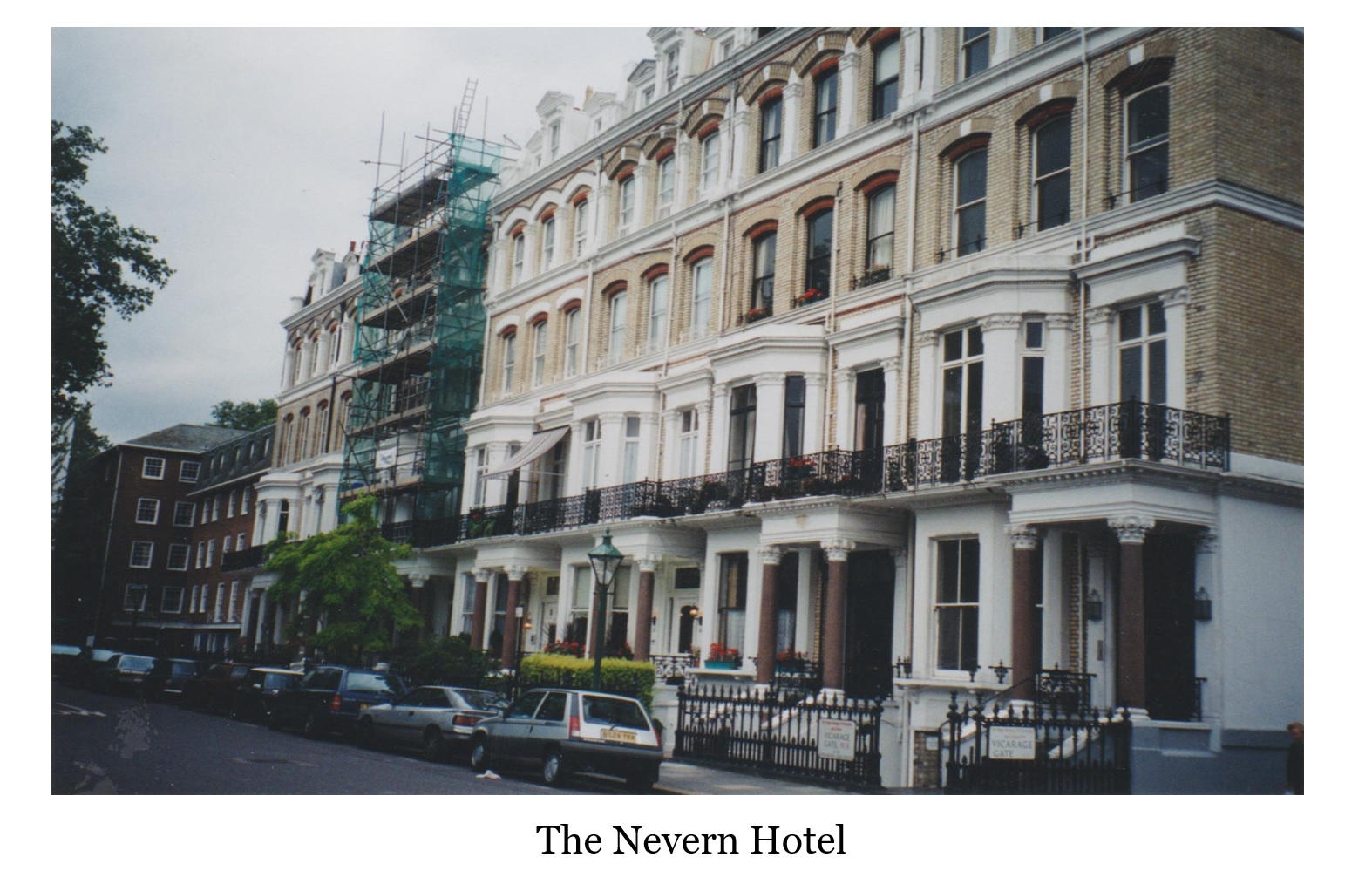
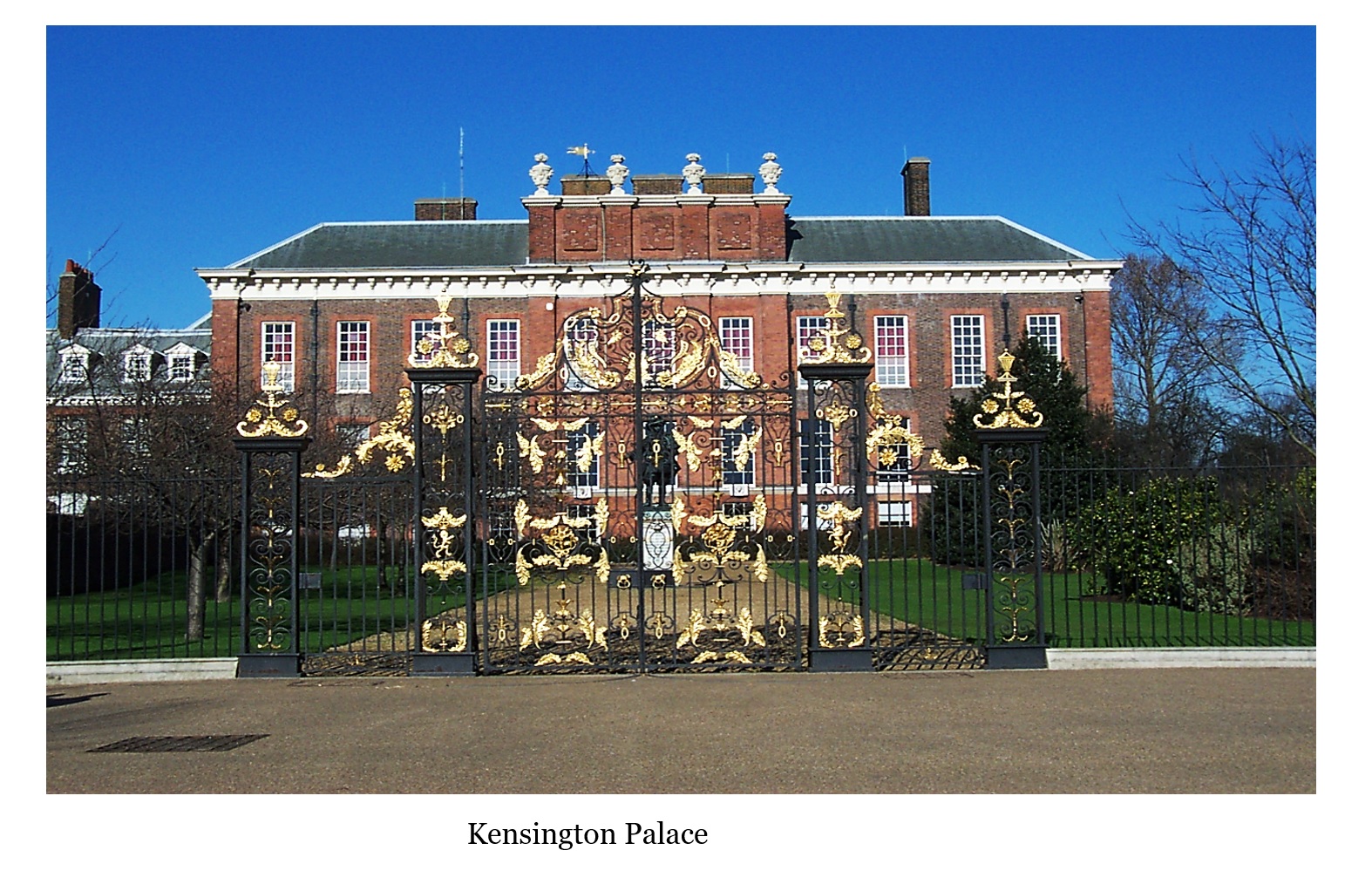
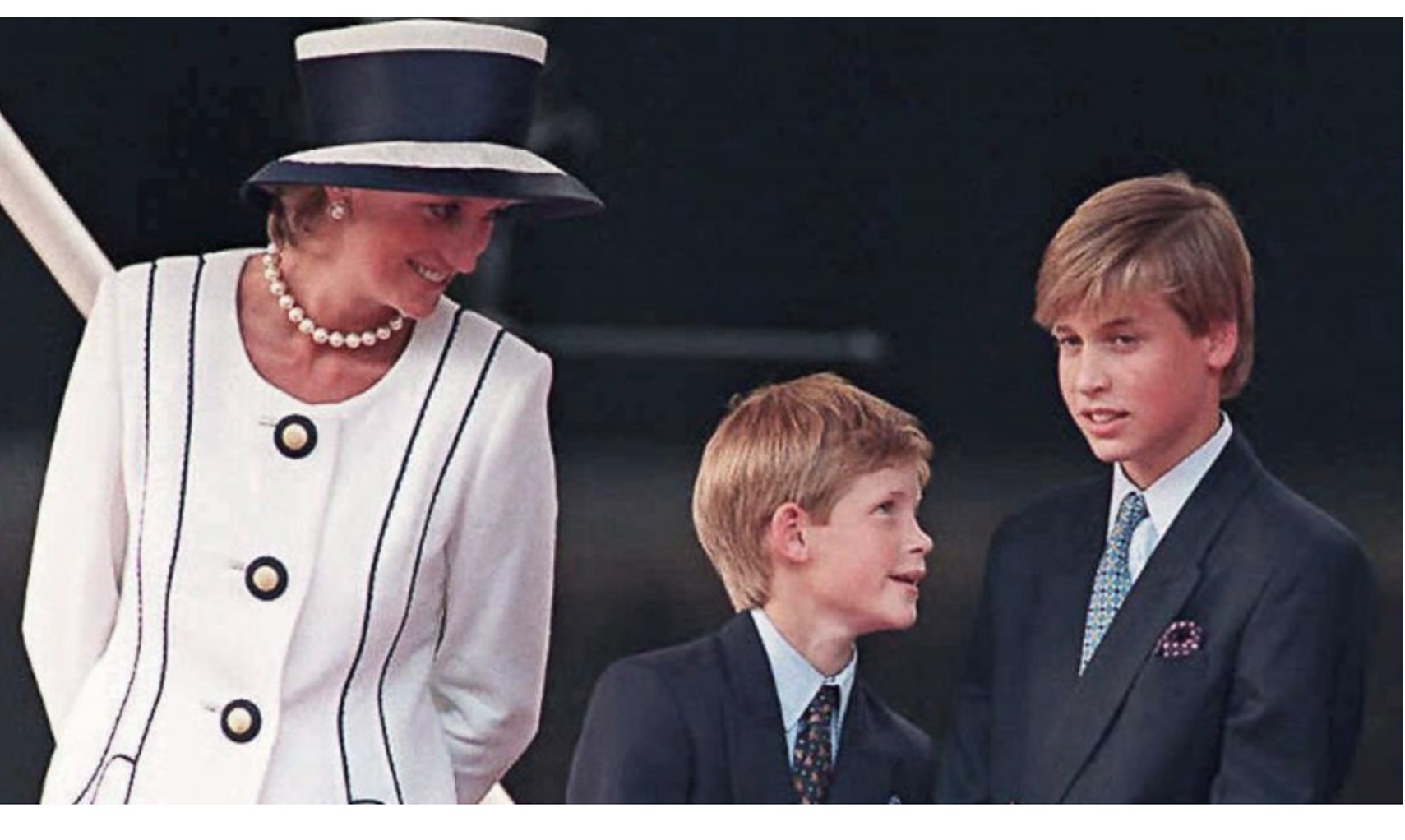
The morning bidding a farewell to Salzburg,  Nancy and Monica boarding  a 1020 a.m. flight to Frankfurt,  then according a Lufthansa Airline Airbus 320  to London Heathrow, arriving at 2:00 in the afternoon.   checking in at the Nevern Hotel,  the two opt for a golden tours hop on, hop off,  bus tour to the Kensington Palace and Gardens.  The Estate made up of several buildings,  rental apartments to bloodline royalty and other members of state.   a residence of the British Royal Family since the 17th century, and  currently the official London residence of Diana, Princess of  Wales, sons William and Harry.  The two enjoying the exhibits and the pristine Gardens.


Their visiting time having elapsed, a Heathrow departure  having arrived, Nancy and Monica boarding an afternoon British Airlines 320, bidding a farewell to London,  their journey to continue,  Cairo and Egypt awaits.


Nancy’s 1997 Dream Vacation – Pt 2

October 11, 2015


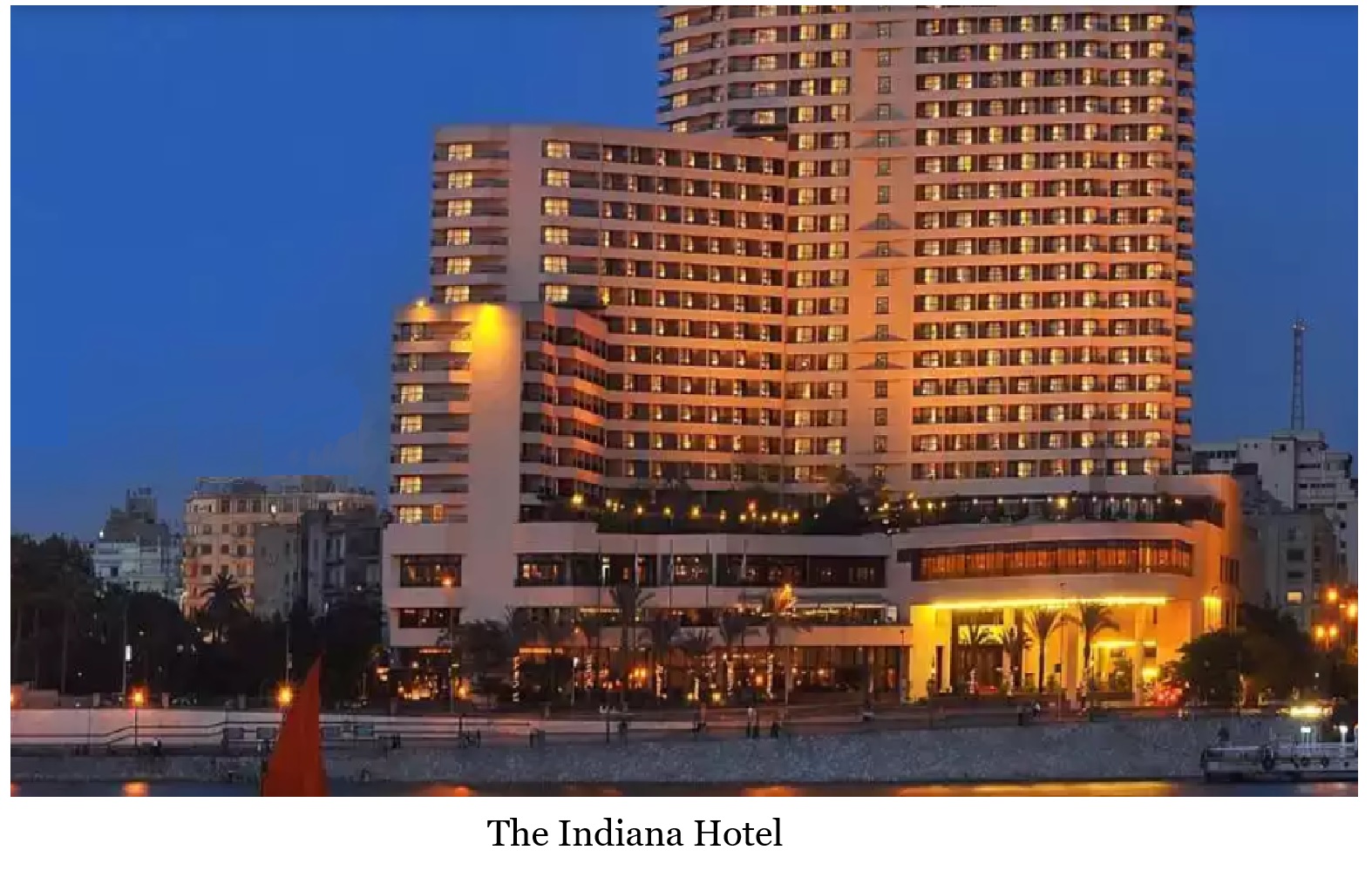
Their dream vacation continuing, Nancy Willson Gokey and Monica Johnson seated aboard a British Airlines 320 having fulfilled a lasting memory in the historic Austrian city of Salzburg.  A late night arrival at Cairo Egypt’s International Airport, the two provided transportation by Cross Country Tours to the Indiana Hotel, their two week journey into the anamnesis of  Egypt having begun.


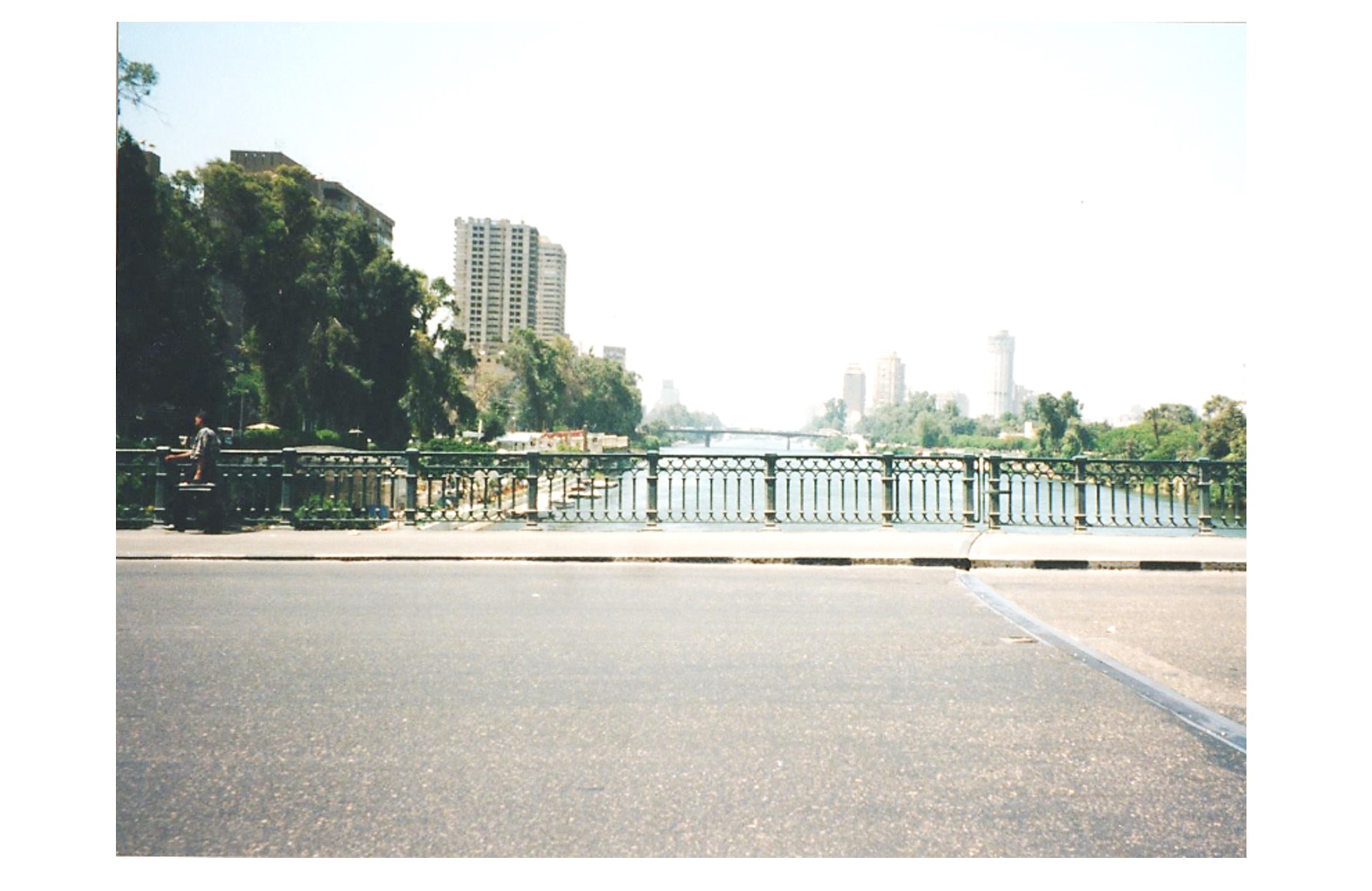
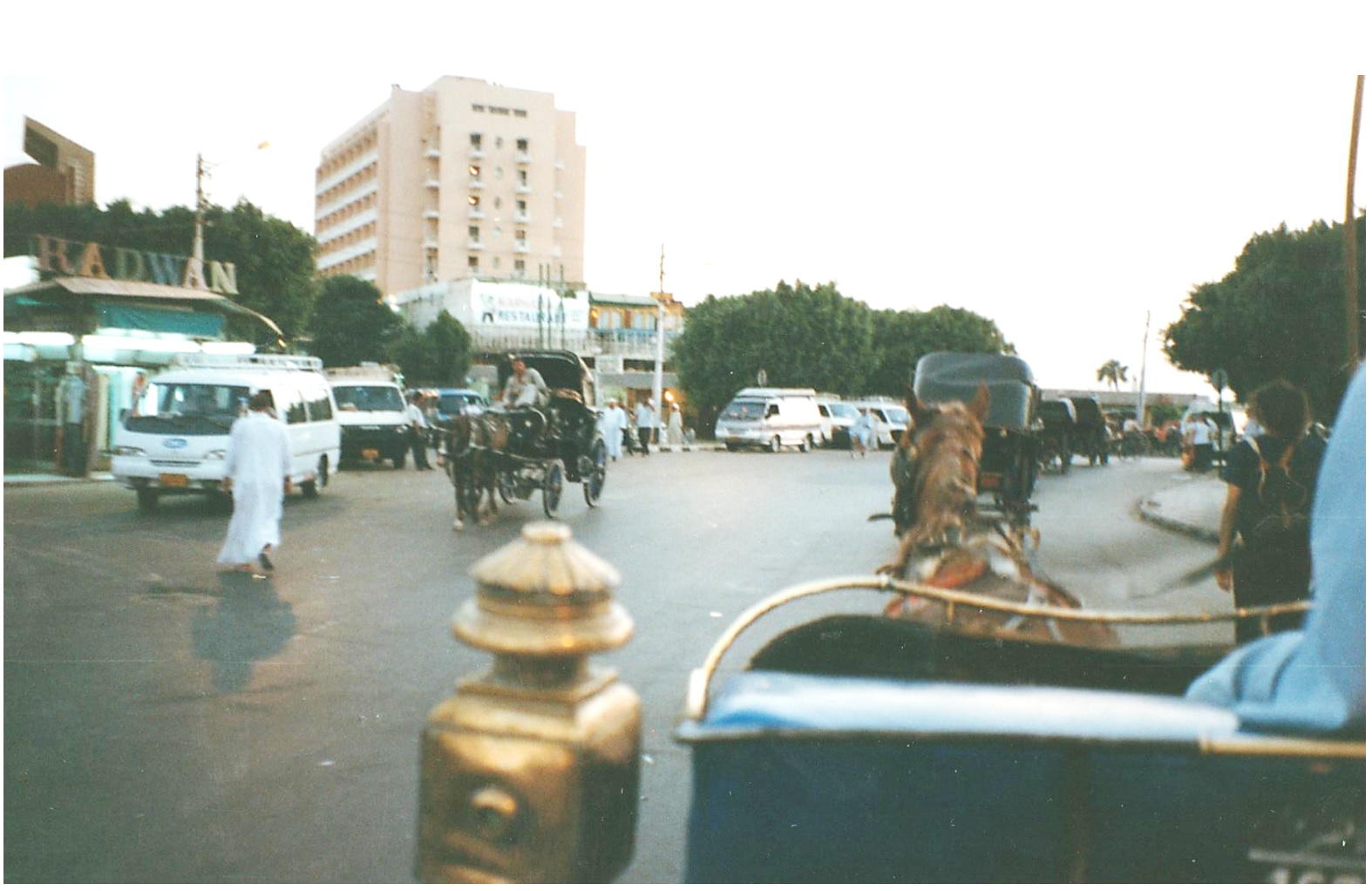
A view of the Nile from the Hotels roof top garden restaurant was only surpassed with their morning visit to the Cairo Tower.  the towers appearance constructed to evoke a pharaonic lotus plant, an iconic symbol of Ancient Egypt.  It is crowned by a circular observation deck, and a rotating restaurant with a view of greater Cairo, making a rotation  every 70 minutes.  The two crossing over the 4,130 mile north eastern flowing  Nile, the longest river in Africa.  It’s Cairo banks projecting a park like setting, flourishing tree line gardens with horse and carriage tours available.


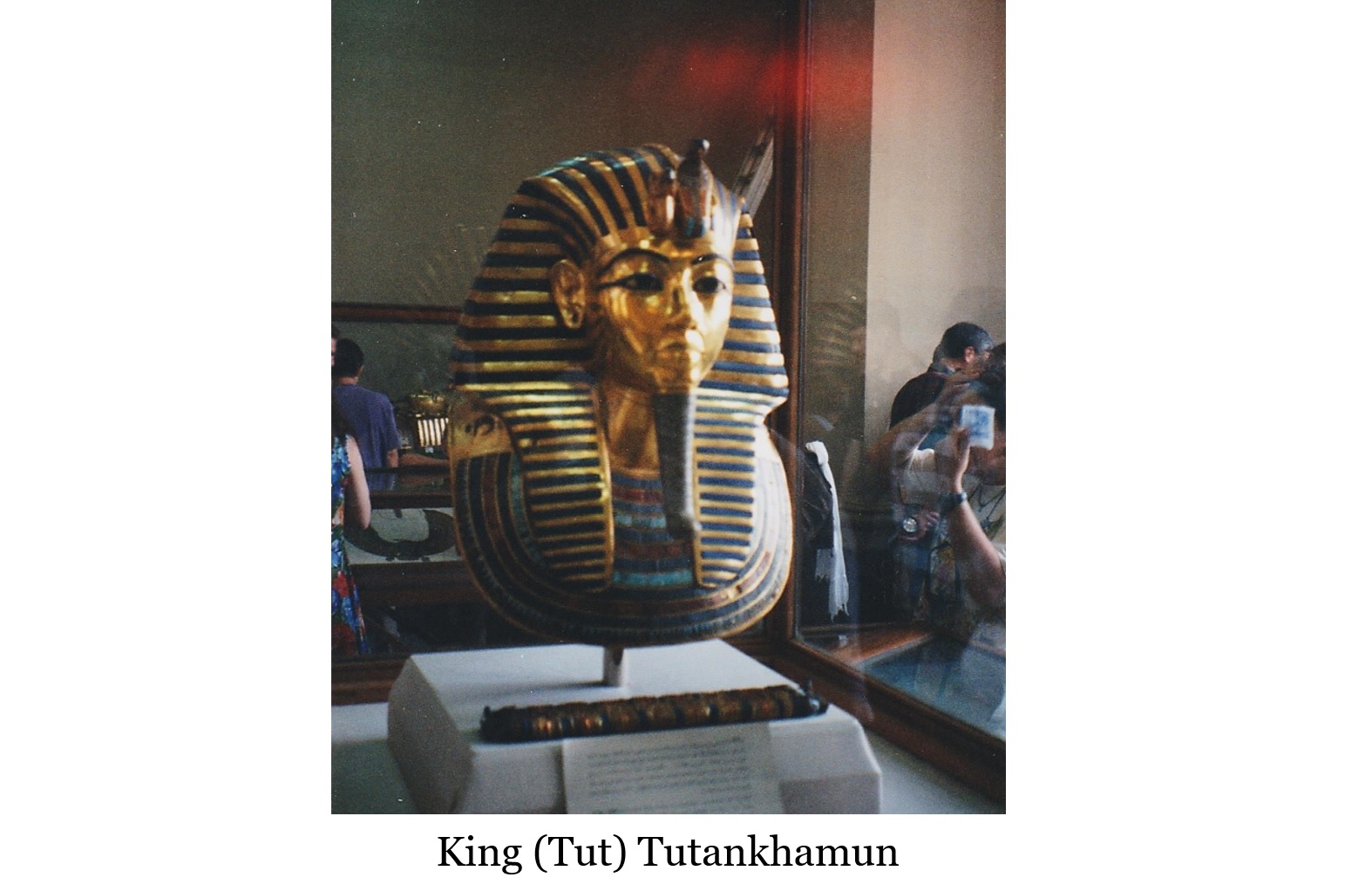
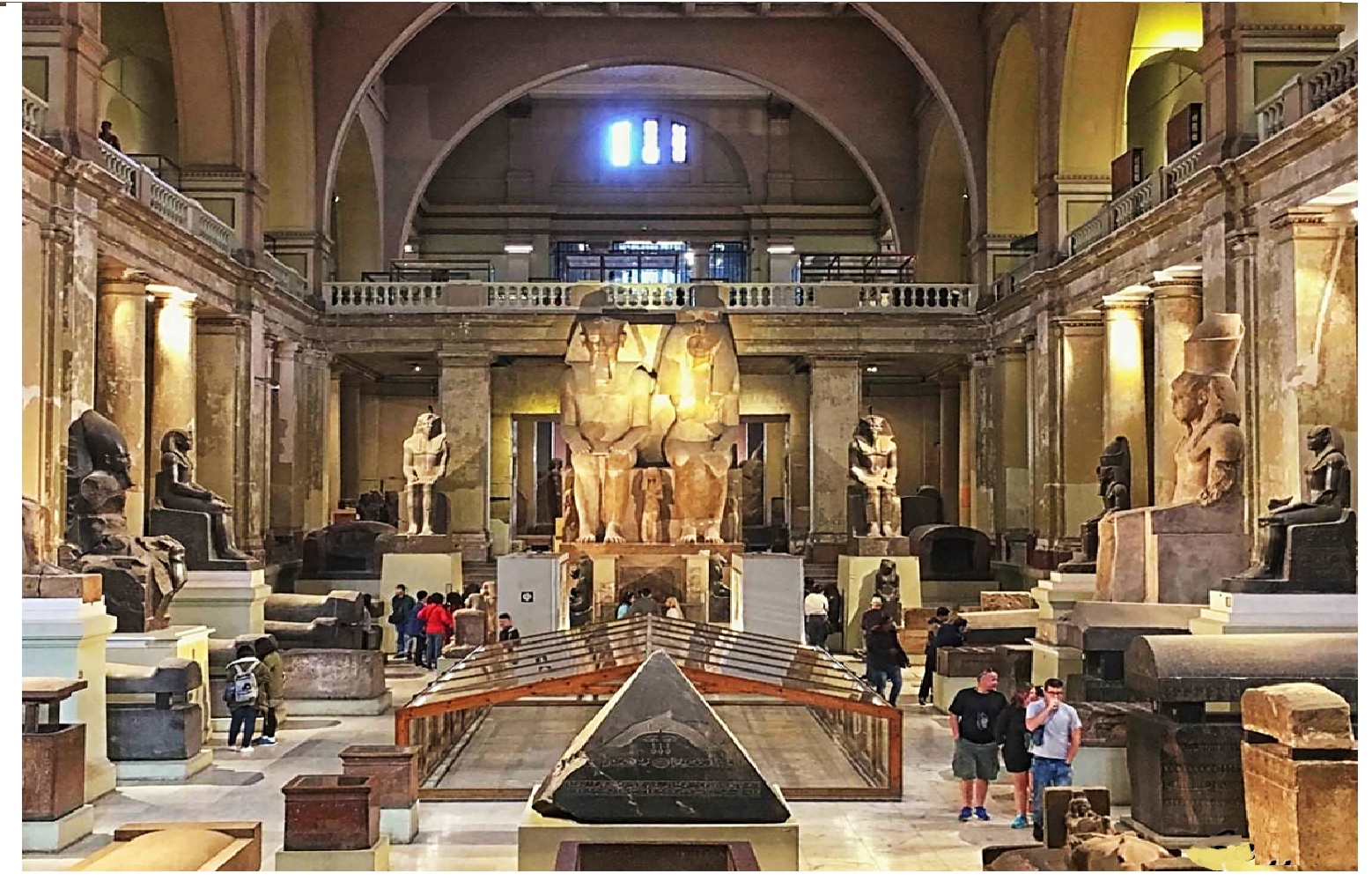
Their anticipation heighten with an afternoon visit to the acclaimed Cairo Egypt Museum, built in 1901, one of the largest museums in the region.  Entering the museums main room, Nancy and Monica were awed by the artifact’s and exhibits, a residing display of the historical past and culture of the land,  and in one respect, projecting a presence of  familiarity,  a probability, the two having viewed a lifetime of Hollywood movies scripted about ancient Egypt.


T

he early morning found them boarding a compartmental European style train to Luxor and the Emilio Hotel to meet with the Adventure Center Tour group.  Luxor constructed in 1400 BC on the east bank of the Nile,  characterized as the world’s greatest open-air museum,  it includes the ruins of  several temple complexes.  The tour groups adventure beginning with the Luxor Temple, where many pharaohs of Egypt were crowned.  It’s Temple of  and the columns of sun court being commissioned by King Amenhotep the third.    The Mortuary Temple of Ramses II and the Temple of Ramses III also remain.   The Mosque of Abu Haggag stands atop the ruins of Luxor Temple,  Abu Haggag was a descendant of the prophet Muhammad.


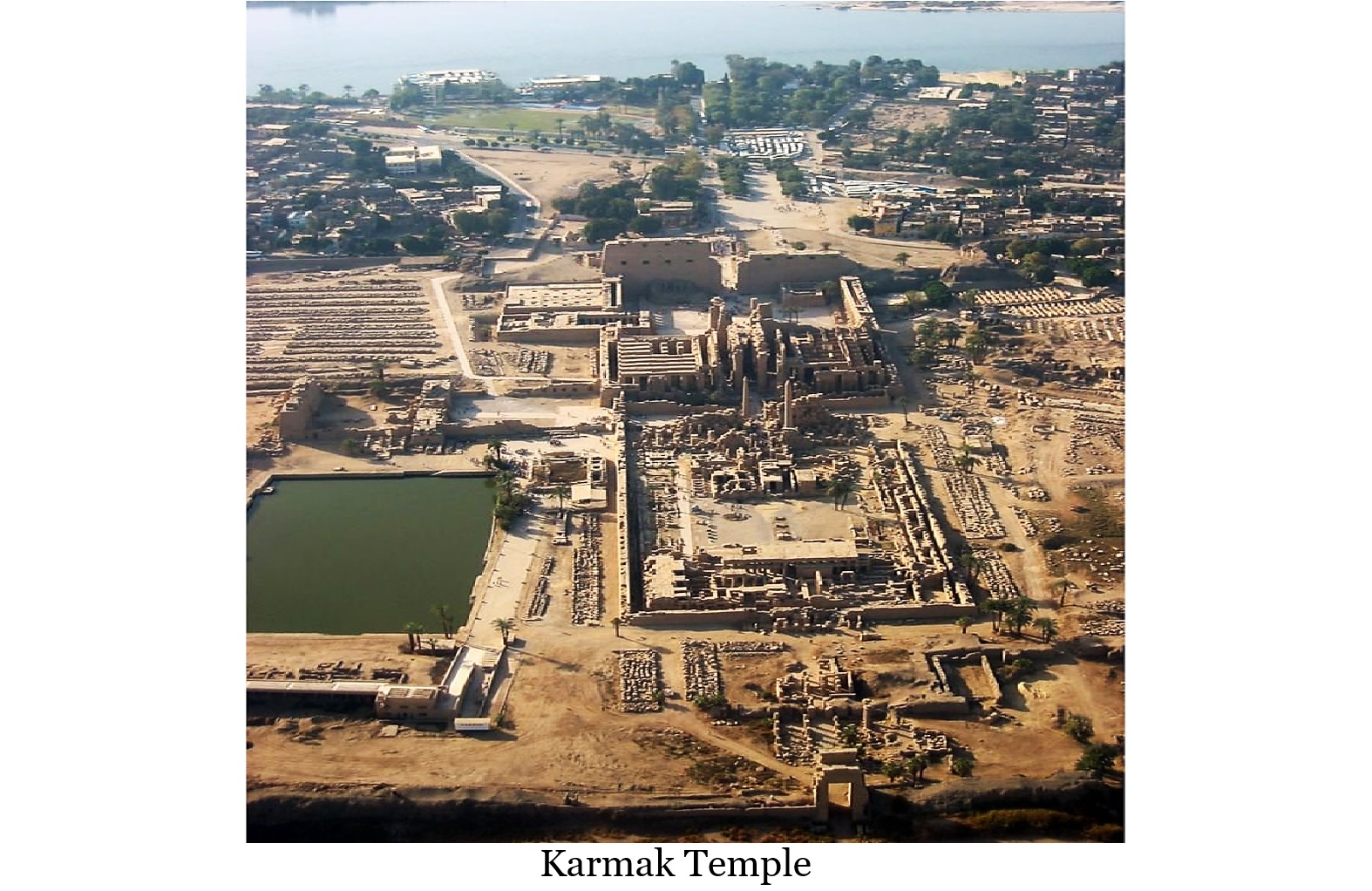
The two returning from the history laden temple to what they thought would be the 20th century, but finding the hubbub of street vendors and an open-air markets, their endeavors and everyday presence having remained the same for the past millennium.  Still an ongoing public market place, not only for visitors, but frequented by the city’s population.  The afternoon traveling to The Karnak Temple Complex,  1.5 miles from Luxor. The temple comprises a vast mix of decayed temples, chapels, pylons, and other buildings. Construction beginning around 2000 to 1700 B.C.  Approximately thirty pharaohs through the millennia contributed to the buildings, enabling it to reach a size, complexity, and diversity not seen elsewhere.  Gracing the grounds is Karnak Temple Sacred Lake,  the largest of its kind, dug by Tuthmosis the third in 14 seventy three BC  and is lined with a stone wall and has stairways descending into the water.


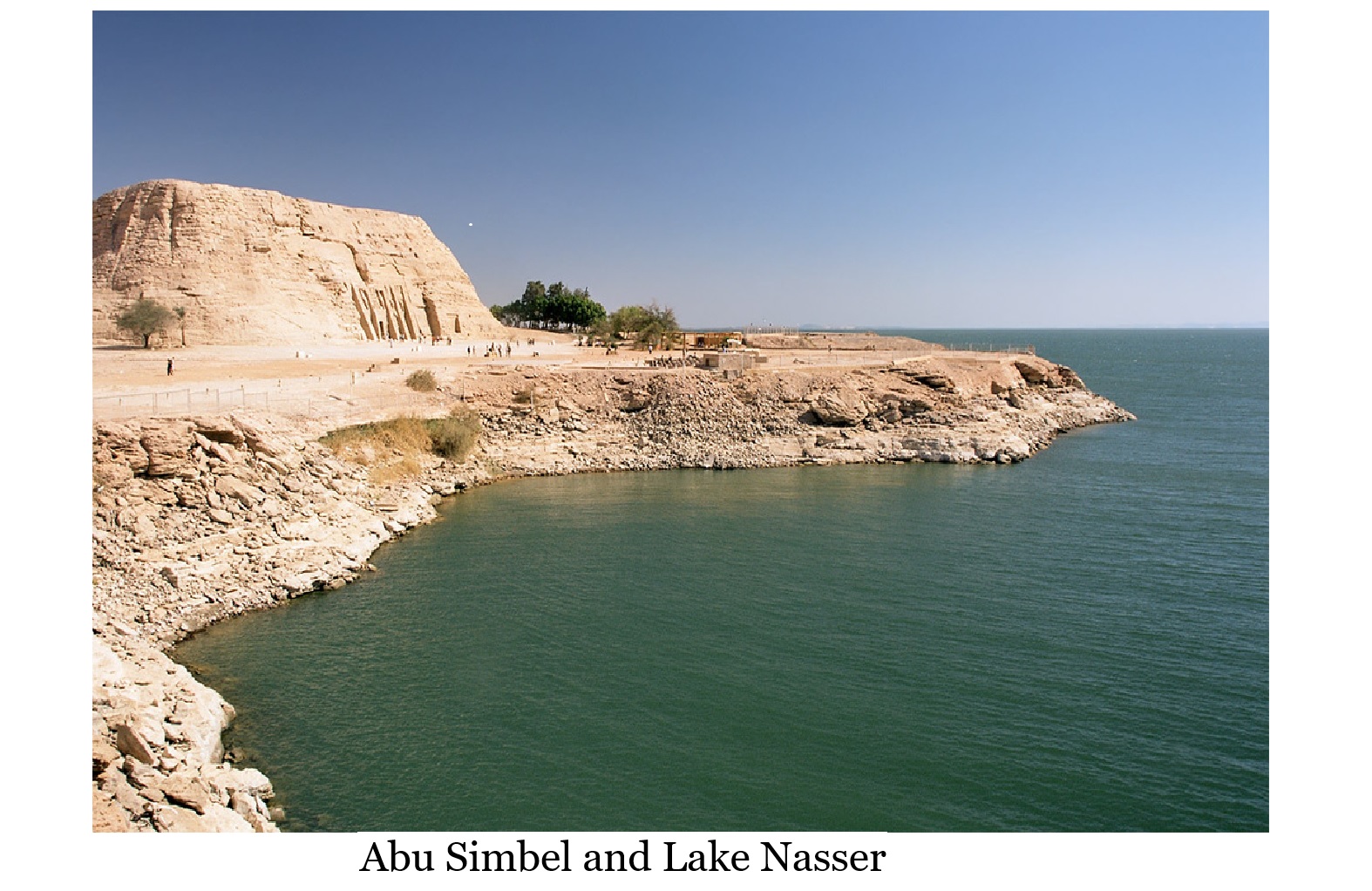
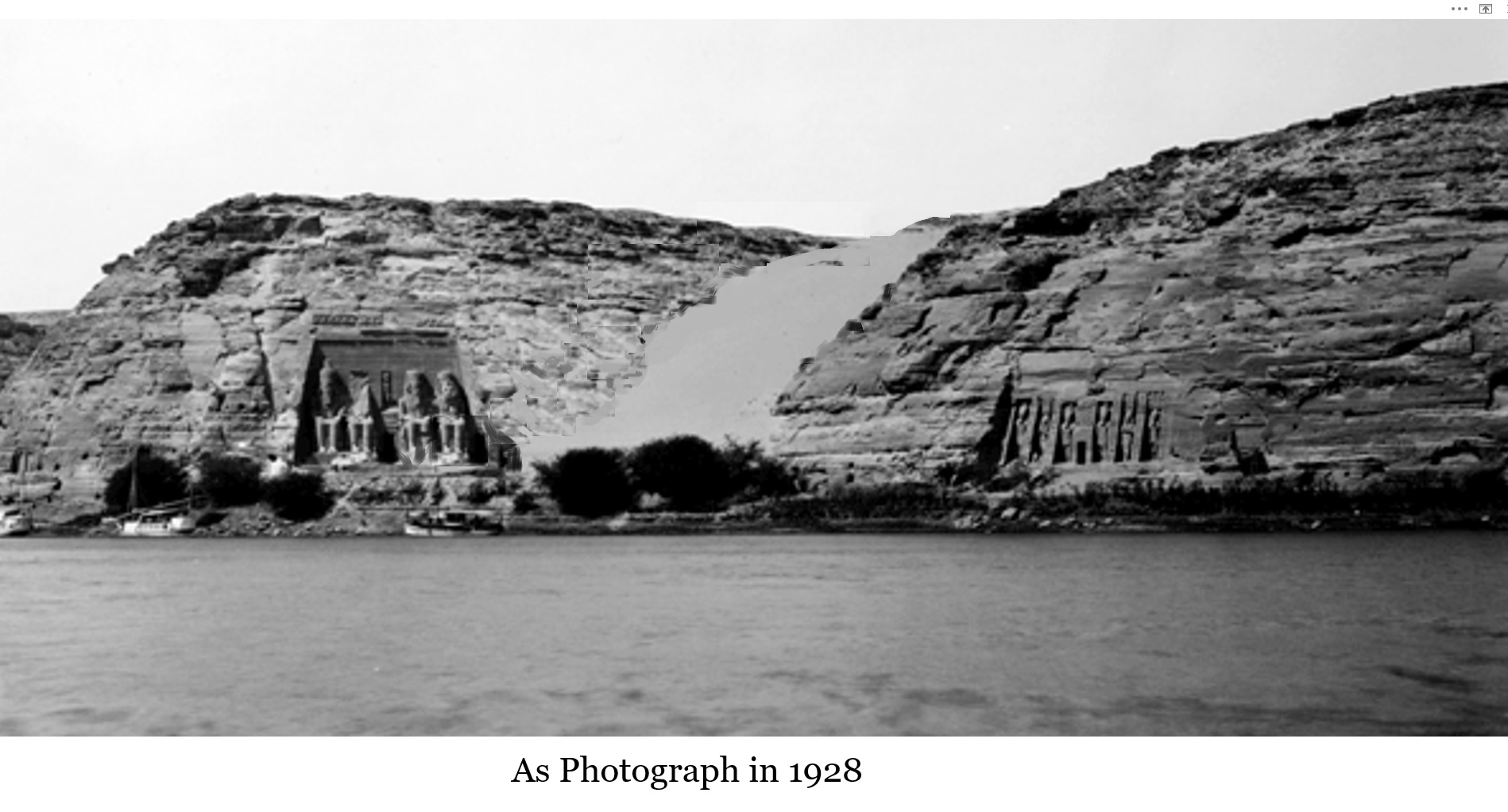
The tour group bidding a farewell to Luxor, boarding a train for the 110 mile journey south to Aswan and a 190 mile road trip southwest to the Abu Simbel complex on the western bank of lake Nasser.   During the reign of Ramses II,  he embarked on an extensive building program throughout Egypt and the region of  Nubia, which Egypt controlled.  Nubia was very important to the Egyptians because it was a source of gold and many other precious trade goods.  Ramses II   built several grand temples in this region in order to impress upon the Nubians of Egypt’s might.   In 1264 BC he started construction of the Abu Temple Complex which was completed in 1244 BC.


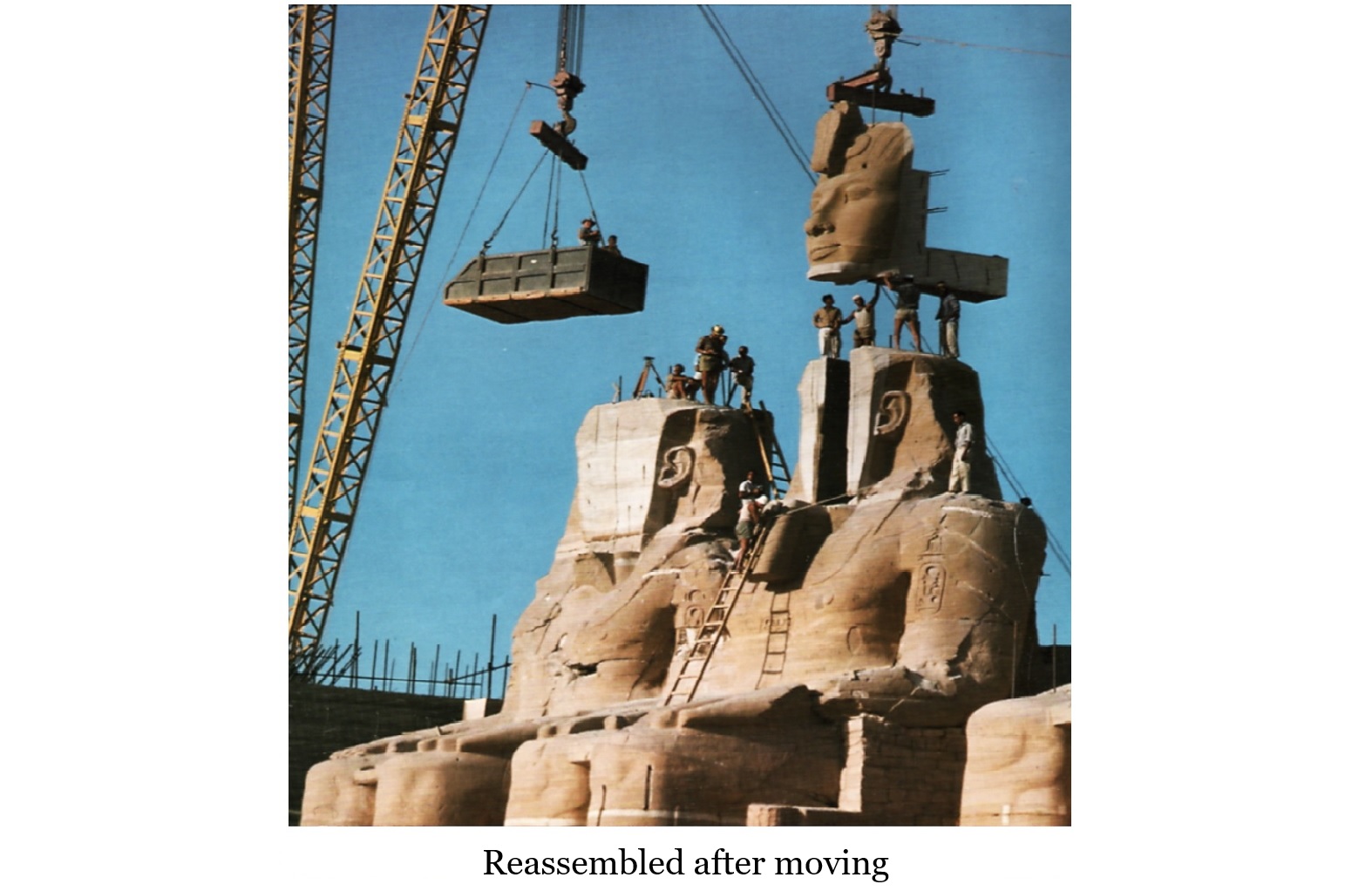
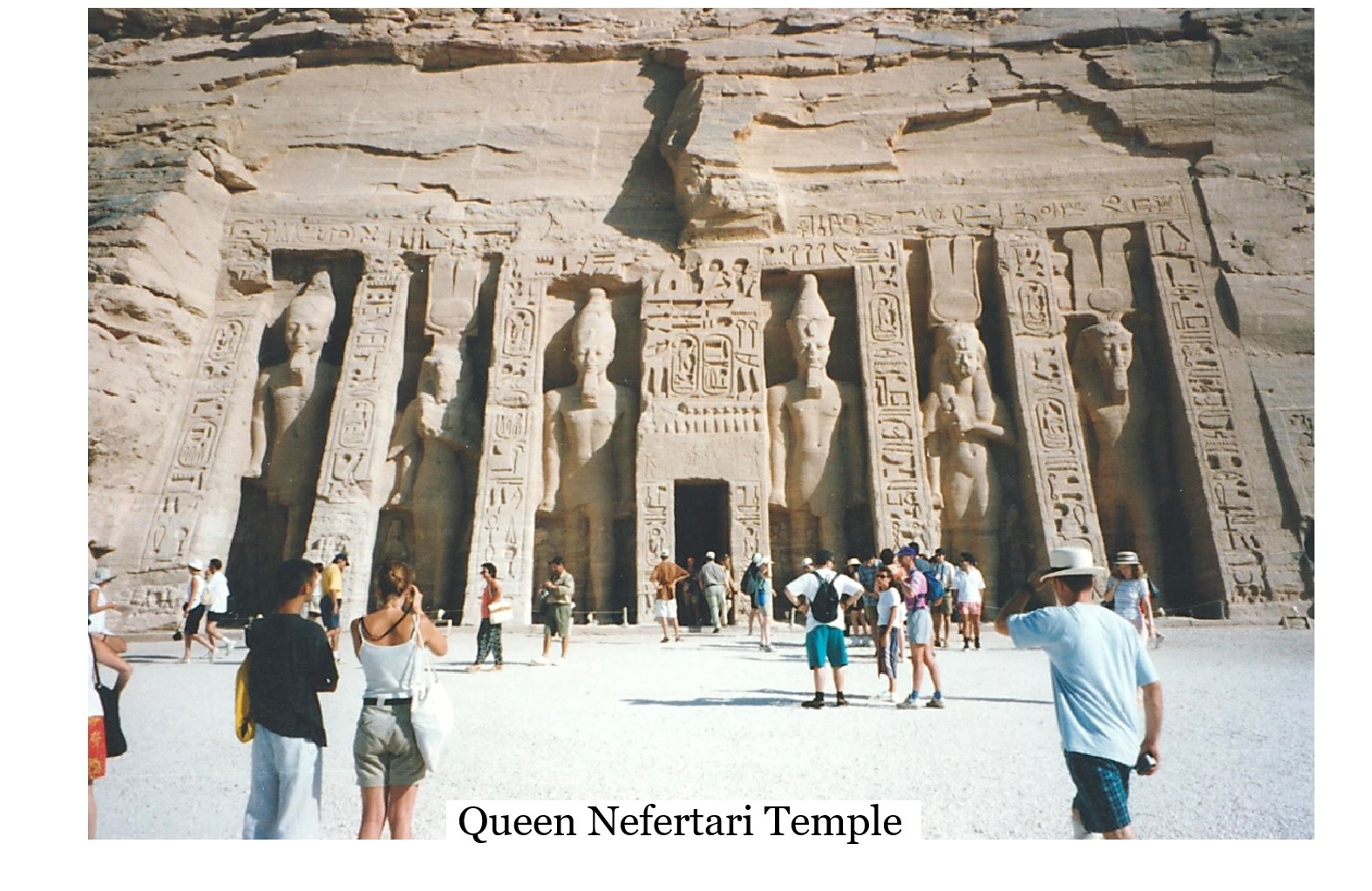
With building of the Aswan Dam on the Nile River,  it was necessary to relocate the temple complex or it would have been submerged during the creation of the reservoir and  Lake Nasser.  There are two temples in the complex,  the Great Temple,  dedicated to himself, Ramses II the,  and the Small Temple, dedicated to his foremost wife,  Queen Nefertari.   The tour group experiencing the reality of the Abu Simbel Temples,   returning to Aswan.


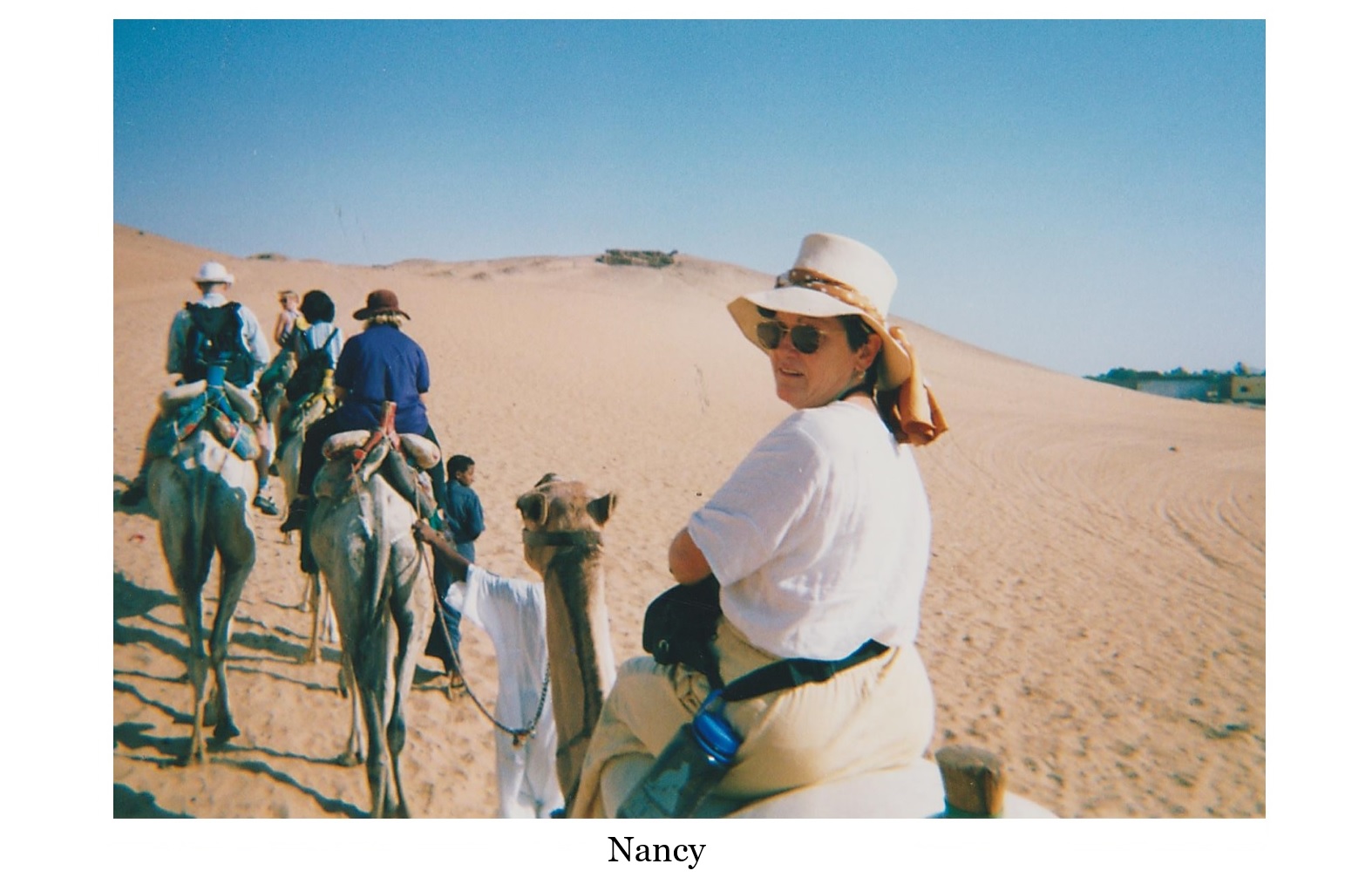
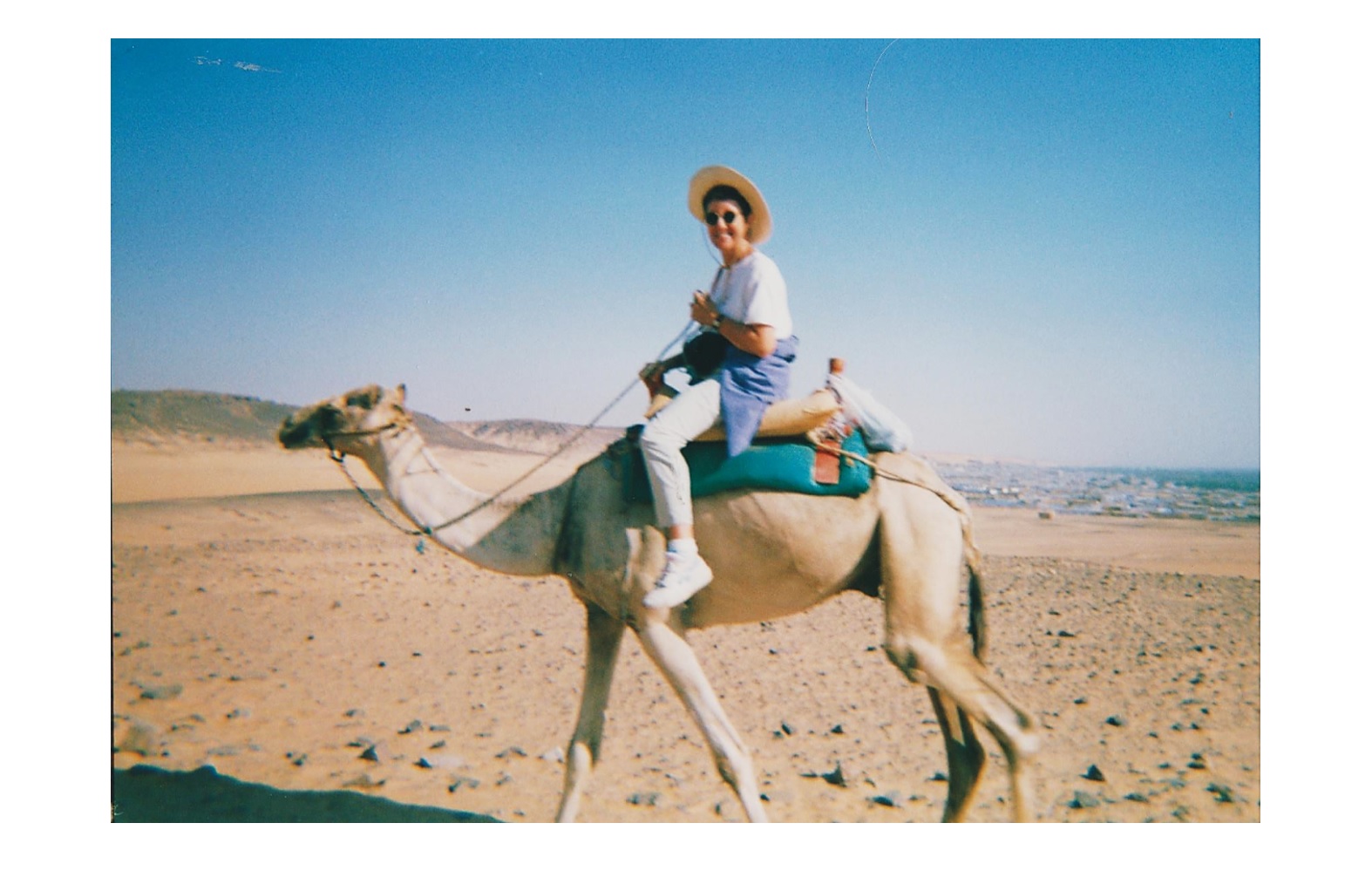
A nights rest, Nancy and Monica’s group  venturing across the west bank of the Nile and introduced to the ships of the desert, the camel.  The camel ushered into the middle east about 900 BC.   The twelve member group at first somewhat hesitant, but all being adventurist,  discovering that you didn’t mount an upright camel,  all boarded the kneeling dromedary for their  excursion to the Saint Simeon Monastery,  a fortress-like seventh century monastery,  rebuilt in the 10th century and dedicated to Saint Simeon,  the monastery monks in hopes of  converting the Nubians of lower Nubia to Christianity.


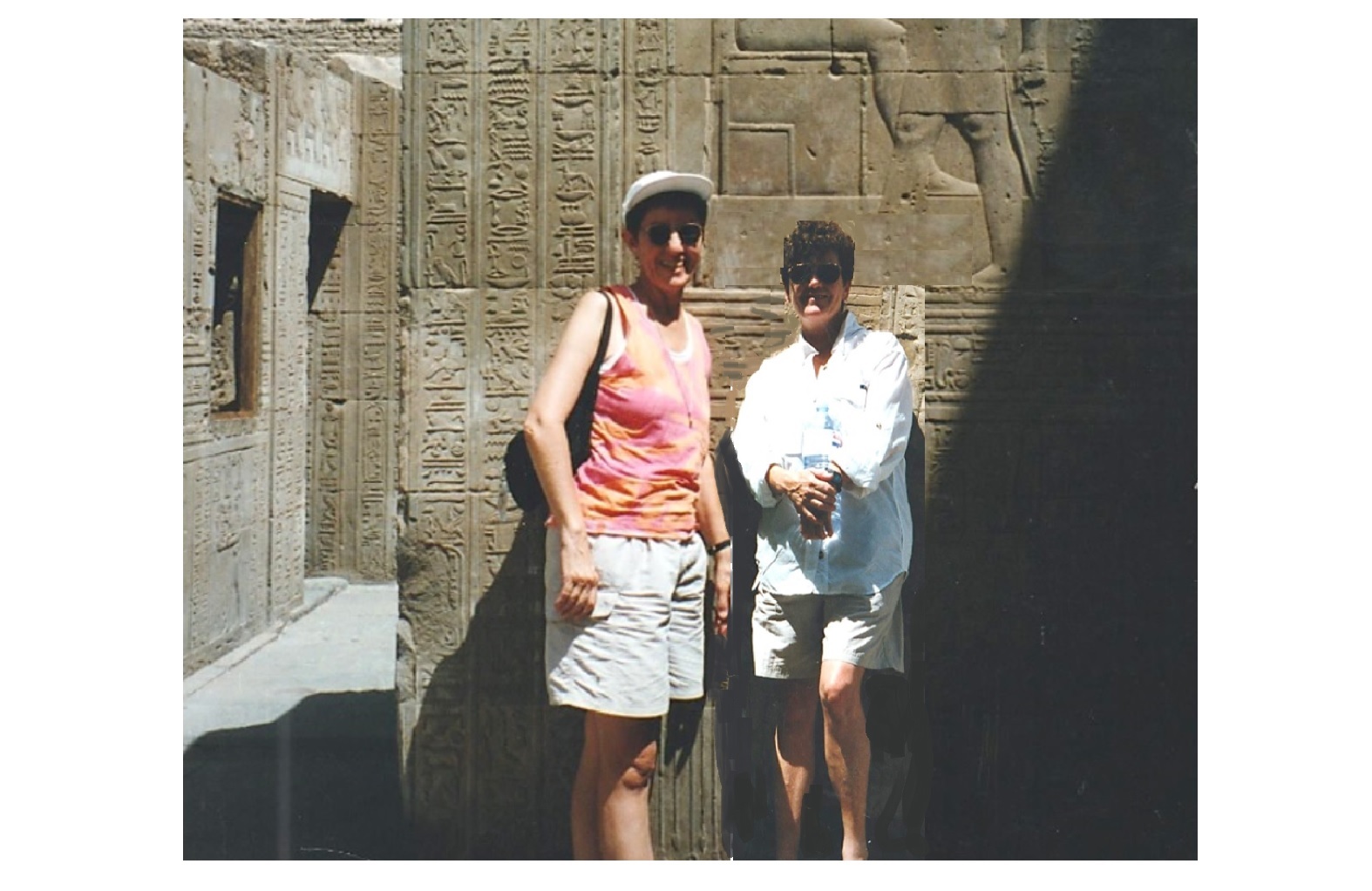
The means of transportation to Luxor having changed, boarding a river cruise boat,  their down river Nile  journey continuing.   An itinerary stop at the west bank city of Kom Omobo, a morning venture to the view the ancient remains of the two distinctly different parts of the Kom Omobo temple.  The southern half of the temple was dedicated to the crocodile god Sobek,  god of fertility.  And  the northern part of the temple was dedicated to the falcon god Haroeris,  Horus the Elder.   The afternoon spent aboard the boat enjoying the waters of the Nile, the evening finding a relaxing time, the group doing a rendition of a hokey pokey dance line with even the crew members participating.


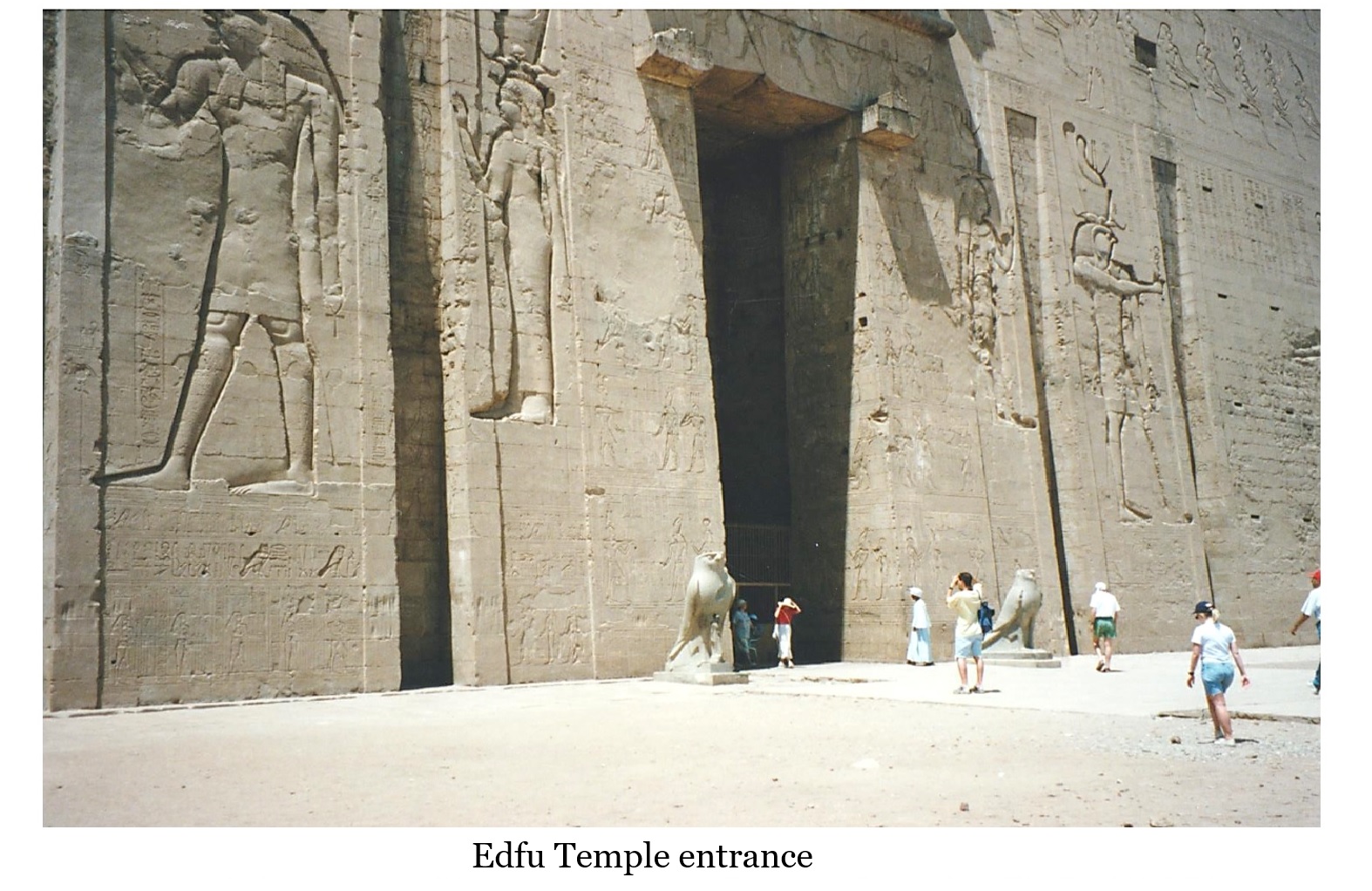
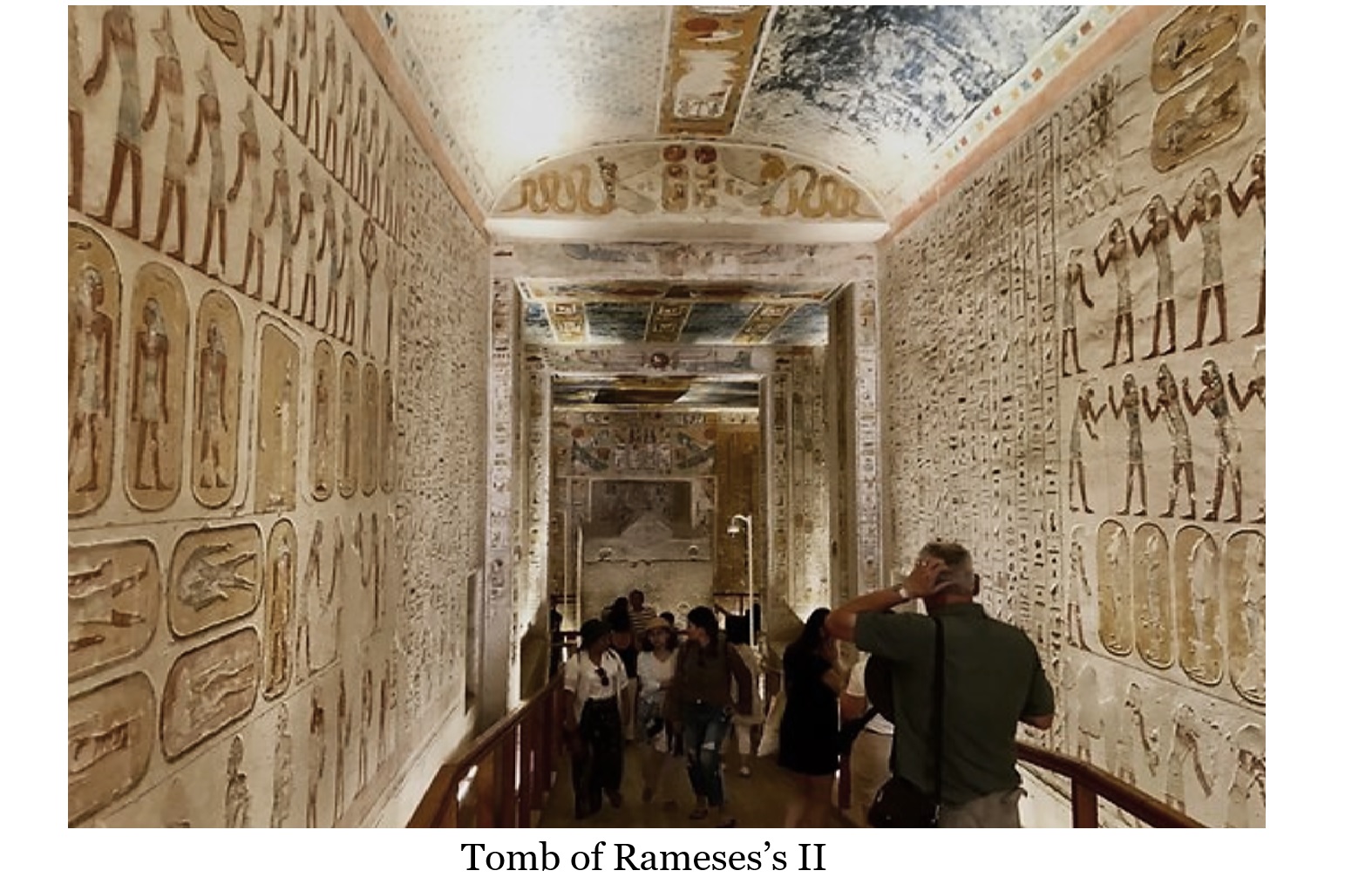
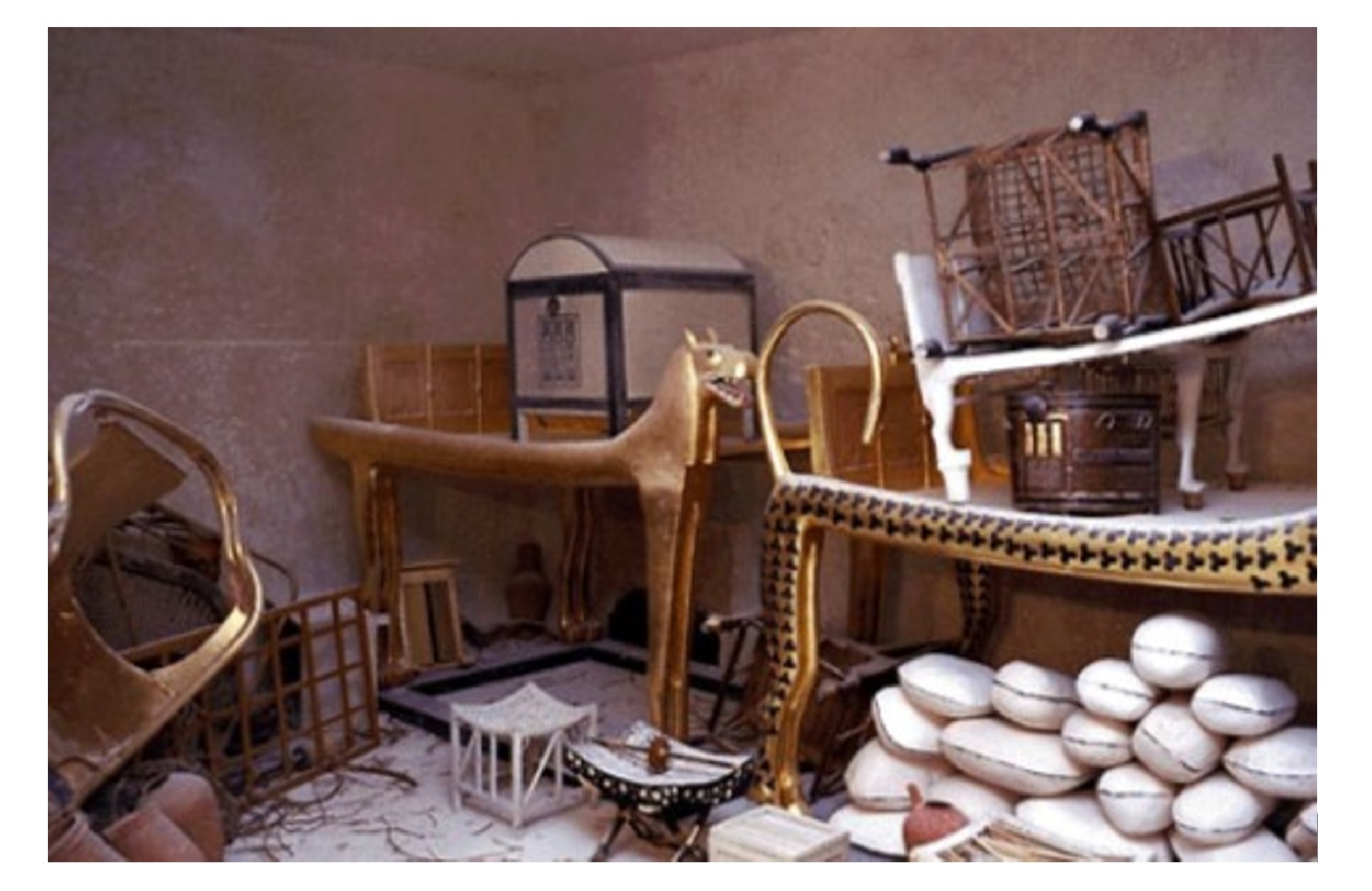
Casting off, the tour continuing to cruise down river, Edfu coming into view,  once a flourishing Greek city and in ancient times  known as Apollinopolis Magna, the city of the God Horus Apollo.  The excursion group embarking, viewing The temple  dedicated to the falcon god Horus, the structure consisting of elements of both Egyptian and Greek architecture dating back to the Ptolemaic times, between 237 and 57 B.C. and considered to be the best pre served in Egypt.  The tours Nile river cruise accomplished with the return to Luxor,  fulfilling  a scheduled visit to the Valley the Kings and Queens still on the itinerary,  the burial site of almost all the kings and pharaohs of the 18th, 19th and 20th dynasties from 1539  to 1075 BC.   Located in the hills on the west side of the Nile,  the majority of the 65 numbered tombs in the Valley of the Kings could be considered as minor tombs,  But some are larger and multi-chambered.  The valley having been a major focus of modern Egyptology exploration for the last two centuries.


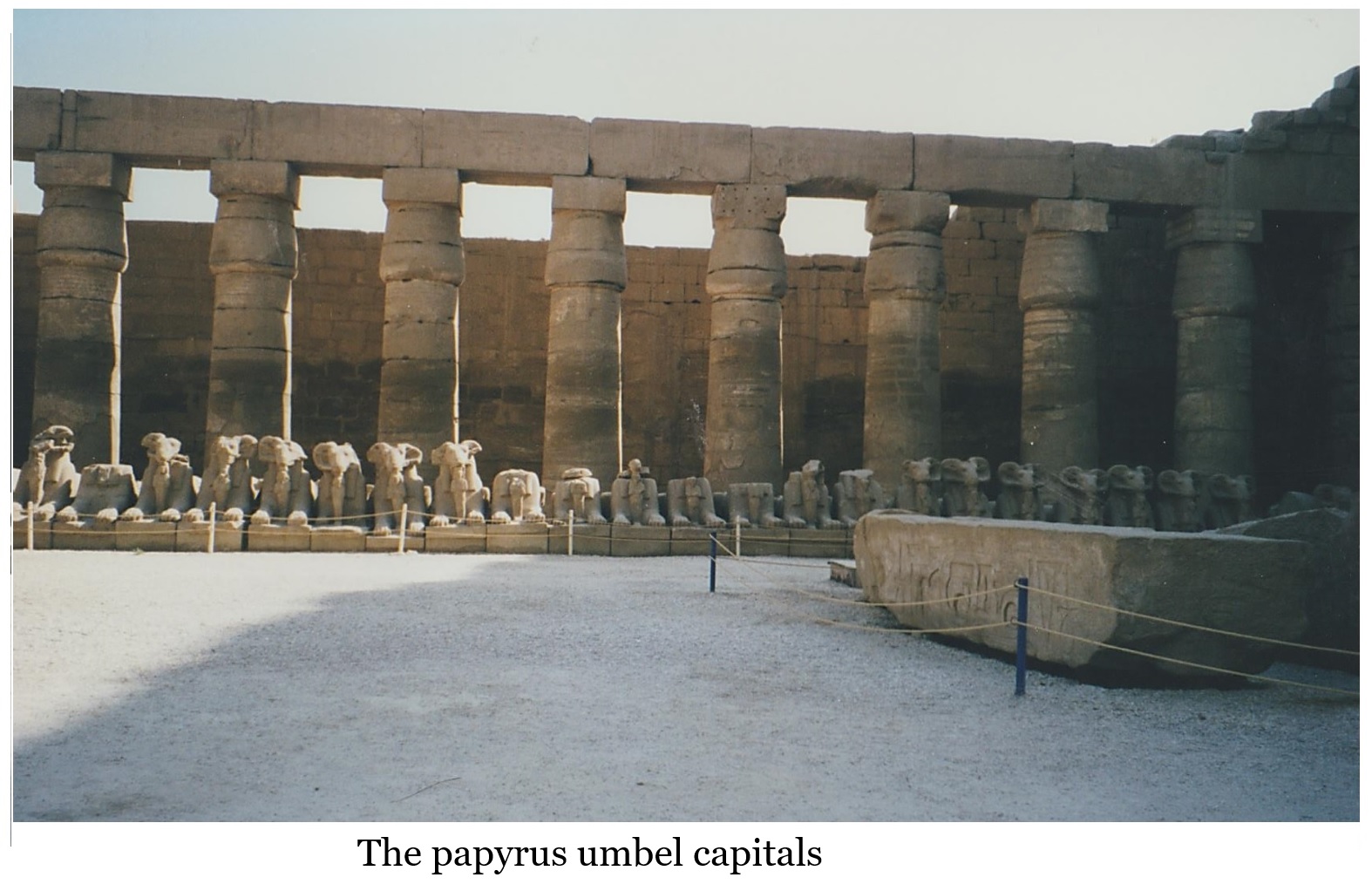
The visit to the majestic valley of the kings experienced, a return to Luxor’s old town and a brief visit to the Luxor Temple,  the papyrus umbel capitals of the Hypostyle Hall,  the Colossal statue of Ramses II and other yet explored aspects of the grounds.   The morning found Nancy and Monica in the lobby of the Emilio Hotel, their dream vacation journey to continue to the red sea, the Sinai Desert, Saint Catherine’s Monastery, and Mount Sinai where Moses’ received the ten commandments.


Nancy’s Dream Vacation – Pt.3

October 10, 2015

Nancy and Monica’s tour group having returned to Luxor from their southern journey south.  The new day found the cross country tour  crossing the eastern desert mountain range, arriving at the red sea expanse of Hurqhada, with its miles of linear coastline and numerous beach-side resorts.    The tour group pausing for an overnight stop,  relaxing with a red sea boating excursion,  enjoying the beach-side hospitality,  a welcomed overnight stop before continuing their journey north,  entering the gulf of Suez.


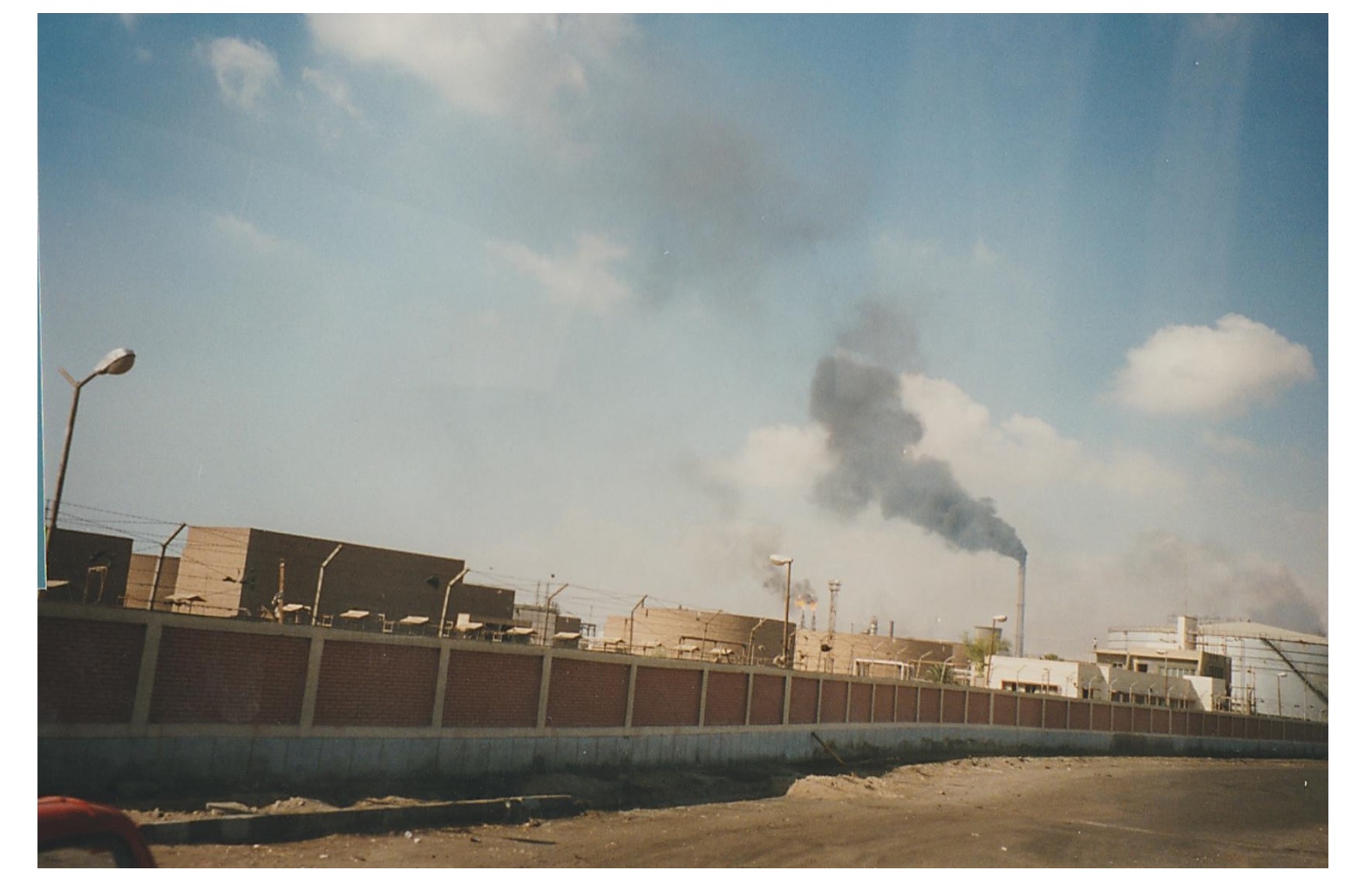
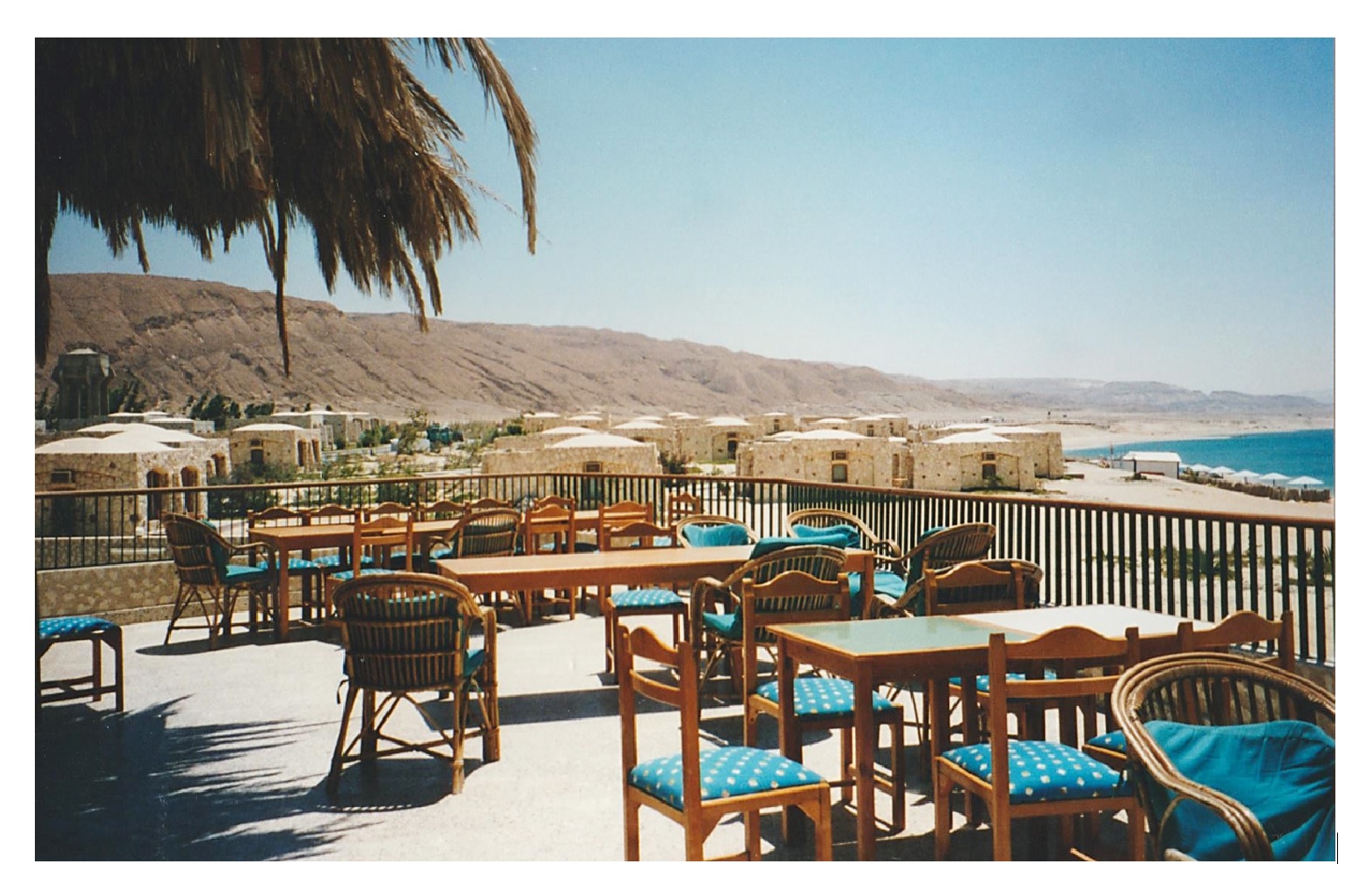
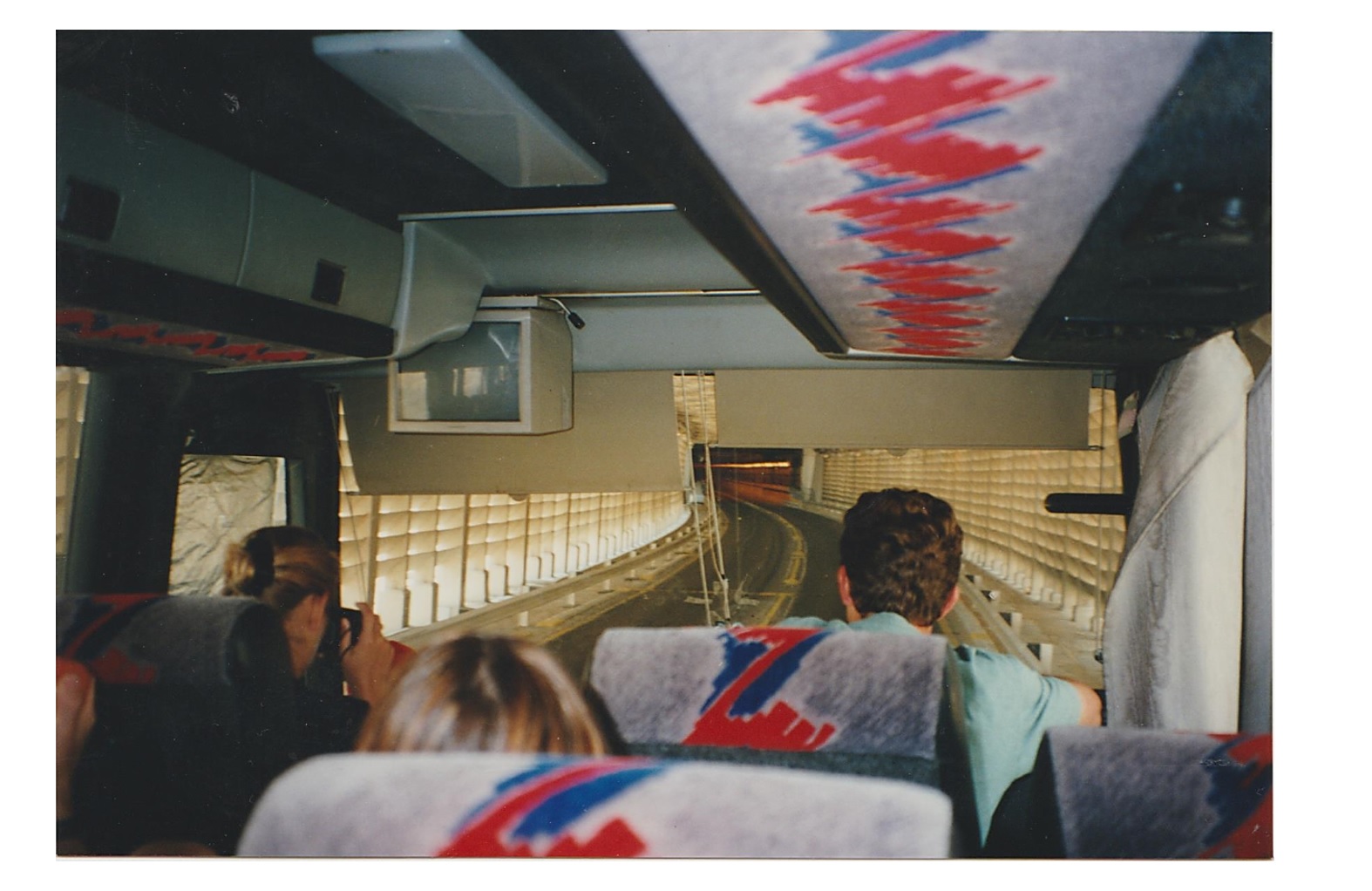
the mornings progression provided a changing view of the ancient landscape and ancient ruins.  observing the fields of contemporary circular pyramids, the petroleum oil tanks of the Egyptian oil industry.   10 miles north of  the city of Suez,  their  bus entering  the Ahmed Hamdi tunnel beneath the Suez canal.    Their journey acquainting the expanse of the eastern desert  heading south down the shores of  the gulf of Suez.  A welcomed afternoon stop for the night at Rahs  Sudr,    the tour group once again able to enjoy the comforts of a resort and the blue waters of the red sea, only this time on the eastern side of the gulf.


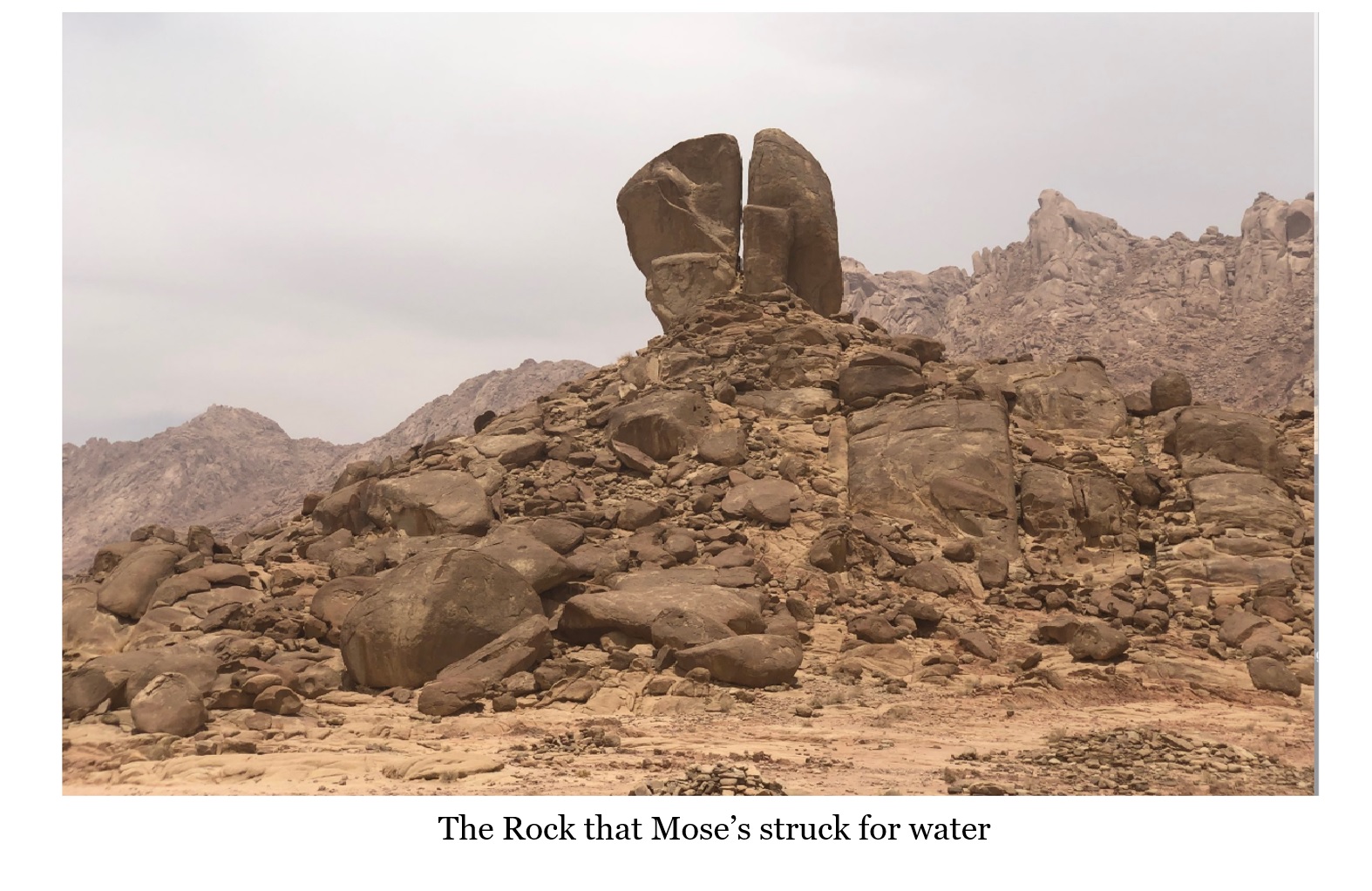
The continuing journey and a  intersecting highway from the east, their desert surrounding now in transition,   experiencing the slopes of the eastern mountains.  A hesitation at  wadi feran,  wadi,  meaning dry river bed,  and Feran is where Moses struck a rock,  creating a spring to provide drinking water, and also the location of the ruins of an ancient convent.  It’s also the home of the Bedouins, once a nomadic people who were the stewards of the desert sheltered  in goat tents,  but now reside in stone huts.


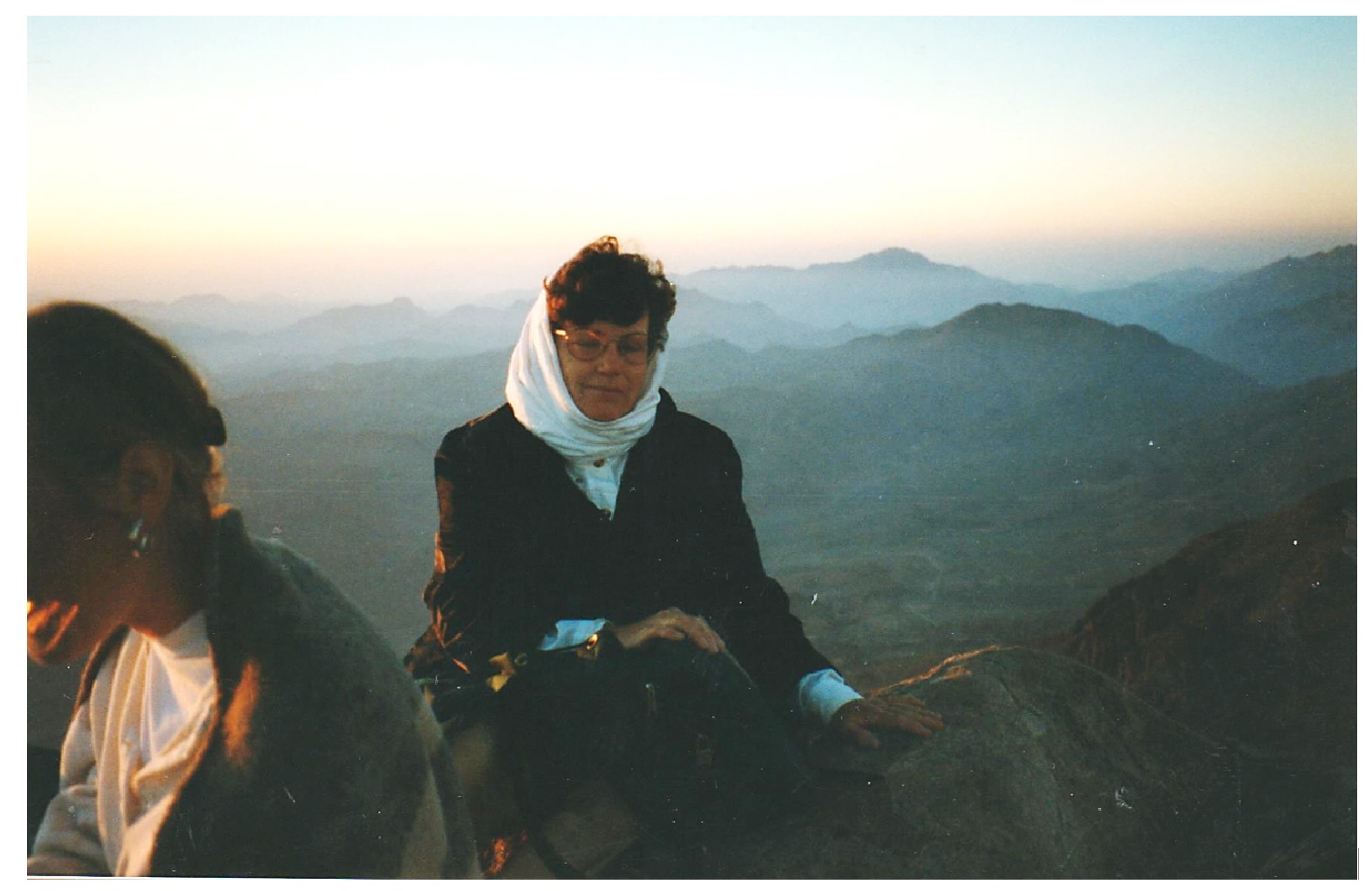
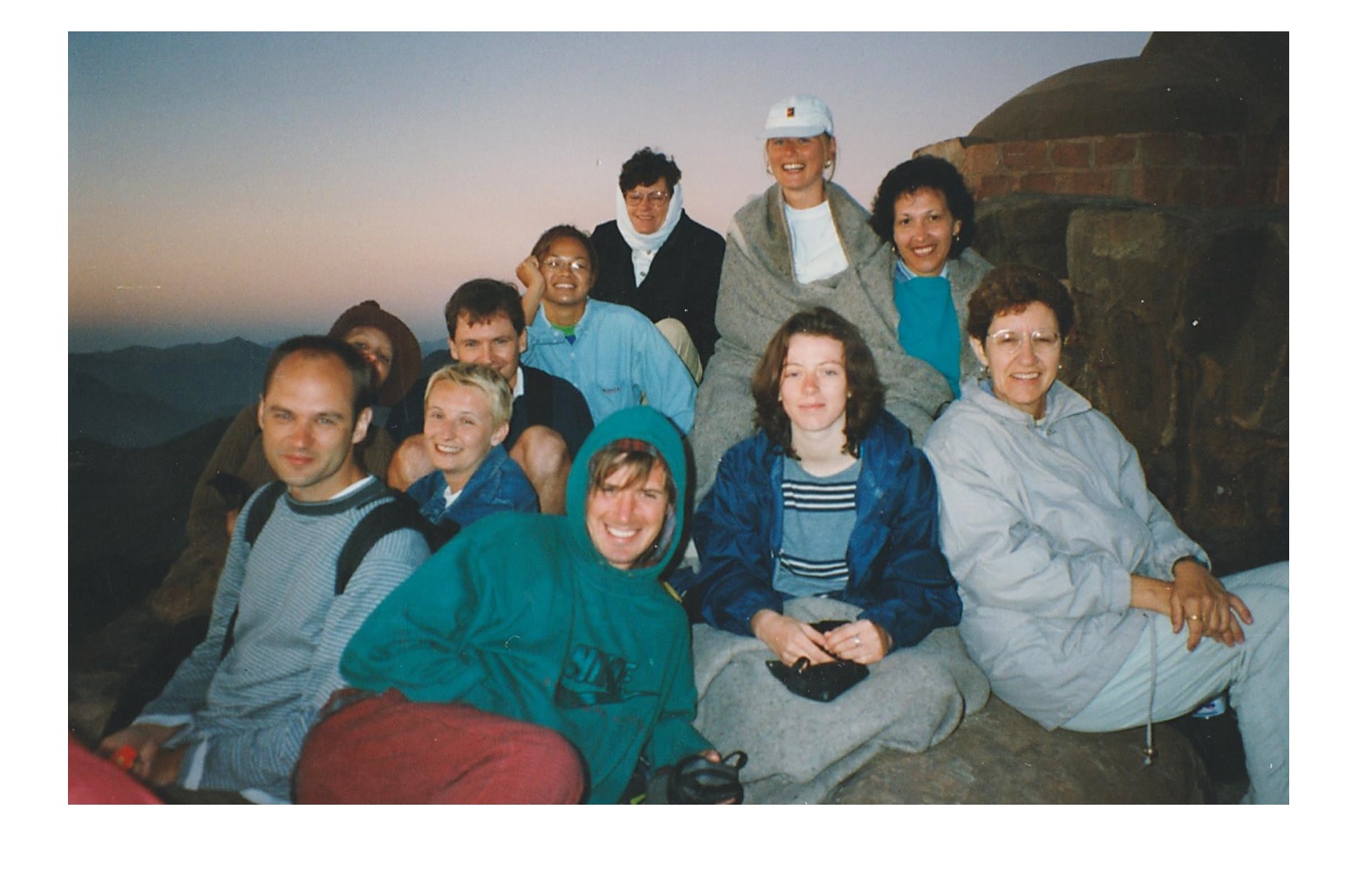
The tour bus reaching the biblical surroundings of St. Catherine’s,  arriving at the Daniela Villiage  their overnight accommodations at the foot of Mount Sinai.  A darken morning awakening,  their predawn excursion beginning. Viewing the concession huts along the way  to purchase  hot drinks or rent a blanket for warmth because of the cool mornings temperature.  Nancy’s and Monica’s Bedouin guided group not alone,  with many others on their trek up Mount Sinai , where Moses’s received the ten commandments. The visitors walking the last 37 hundred 50 stone steps, appropriately  named the 37 hundred 50 steps of repentance, the morning sunrise inscribing an everlasting memory of where they were,   an awareness of what had transpired,  and a inner feeling of humble witnessing.


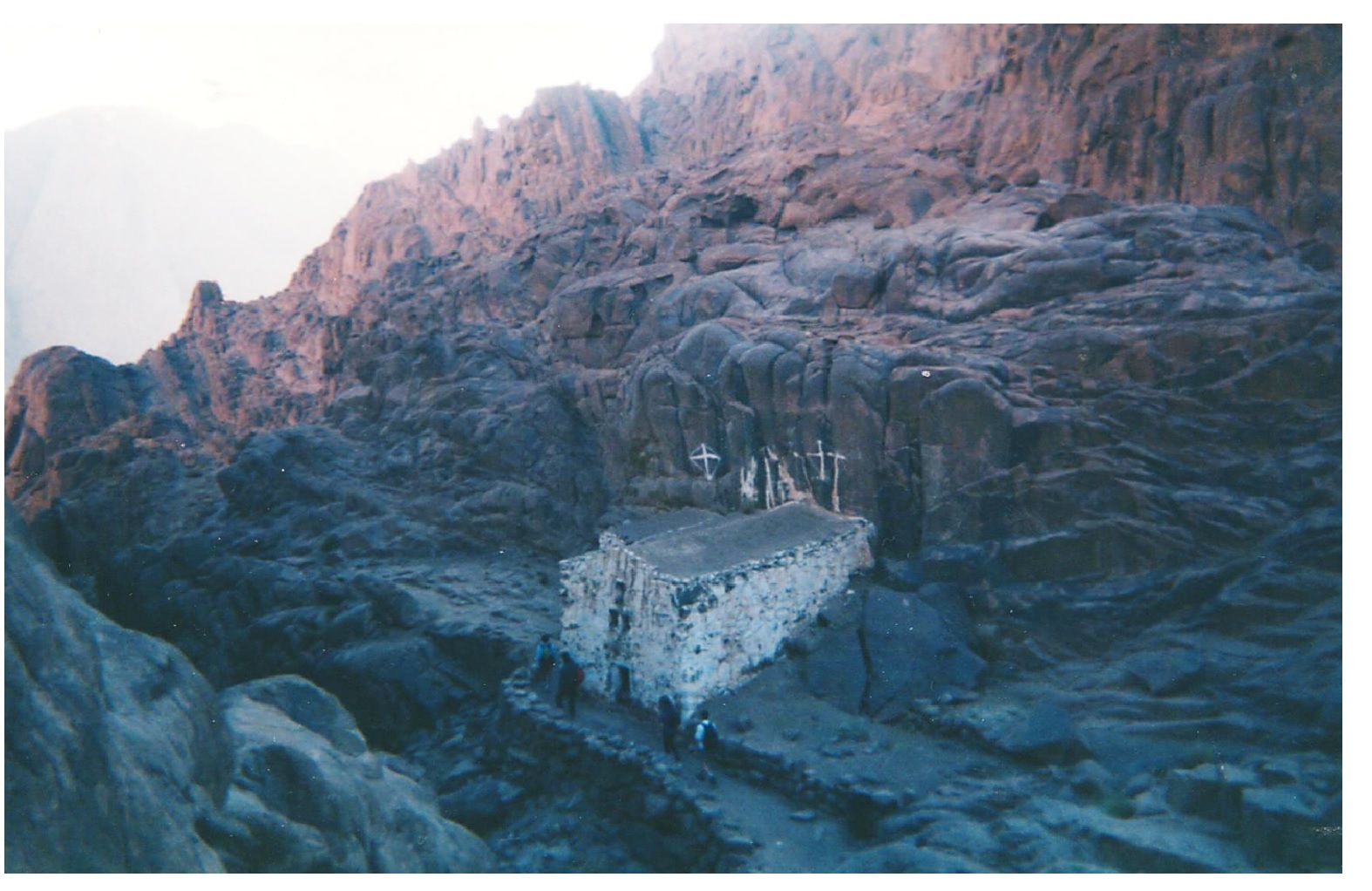
The silence of the twilight and awe inspiring sunrise slowly fading, the tour group assembling  for a photos,  and with the dawning of the day,  a better view of their surroundings and the Chapel of the Holy Trinity, a Greek Orthodox church built in 1934 on the ruins of a fourth century church built by the Righteous Julian of the Euphrates. Also south of the chapel reached by a stair case is a cave where Moses’s fasted for forty days and forty nights. A second cave is actually a cleft in the rock where Moses’s was hidden from the Glory of God… “And it shall come to pass, while my glory passeth by, that I will put thee in a cliff of the rock, and will cover thee with my hand while I pass by”.


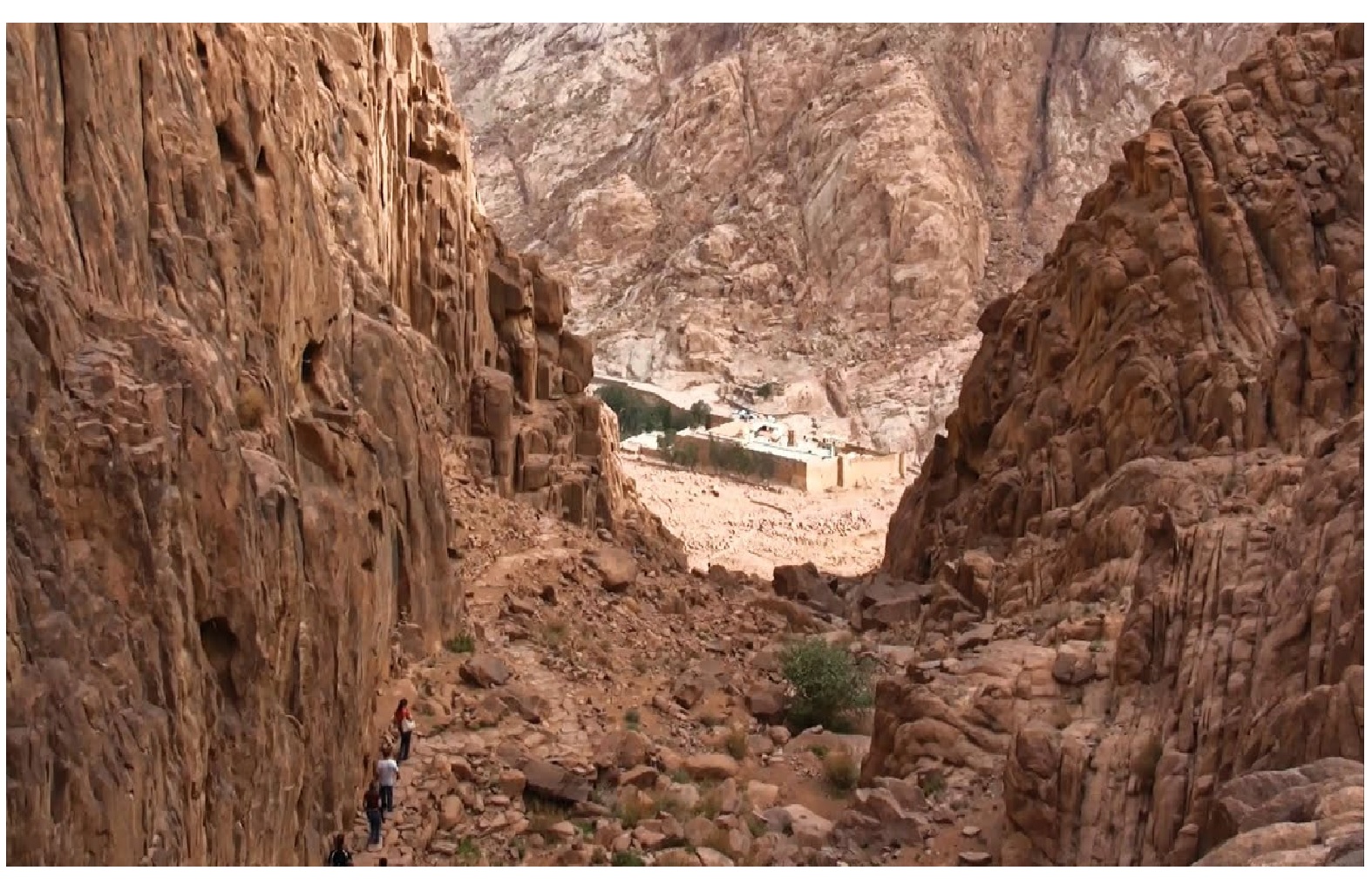
On their return,  they were able to view  St Catherine’s monastery from above, pausing  to see the rock where the golden calf was placed by the Israelite’s, its effigy was  to deliver a majestic voice like Gods.   and  viewing the Church of Elijah, commemorates the spot where Elijah fled from Ahab and Jezebel after the killing of the prophets of Baal.    coming upon the  Chapel of our Lady of the Steward,  built to honor the apparition  visit of the Virgin Mary to the steward of saint Catherine’s Monastery in the sixth century.


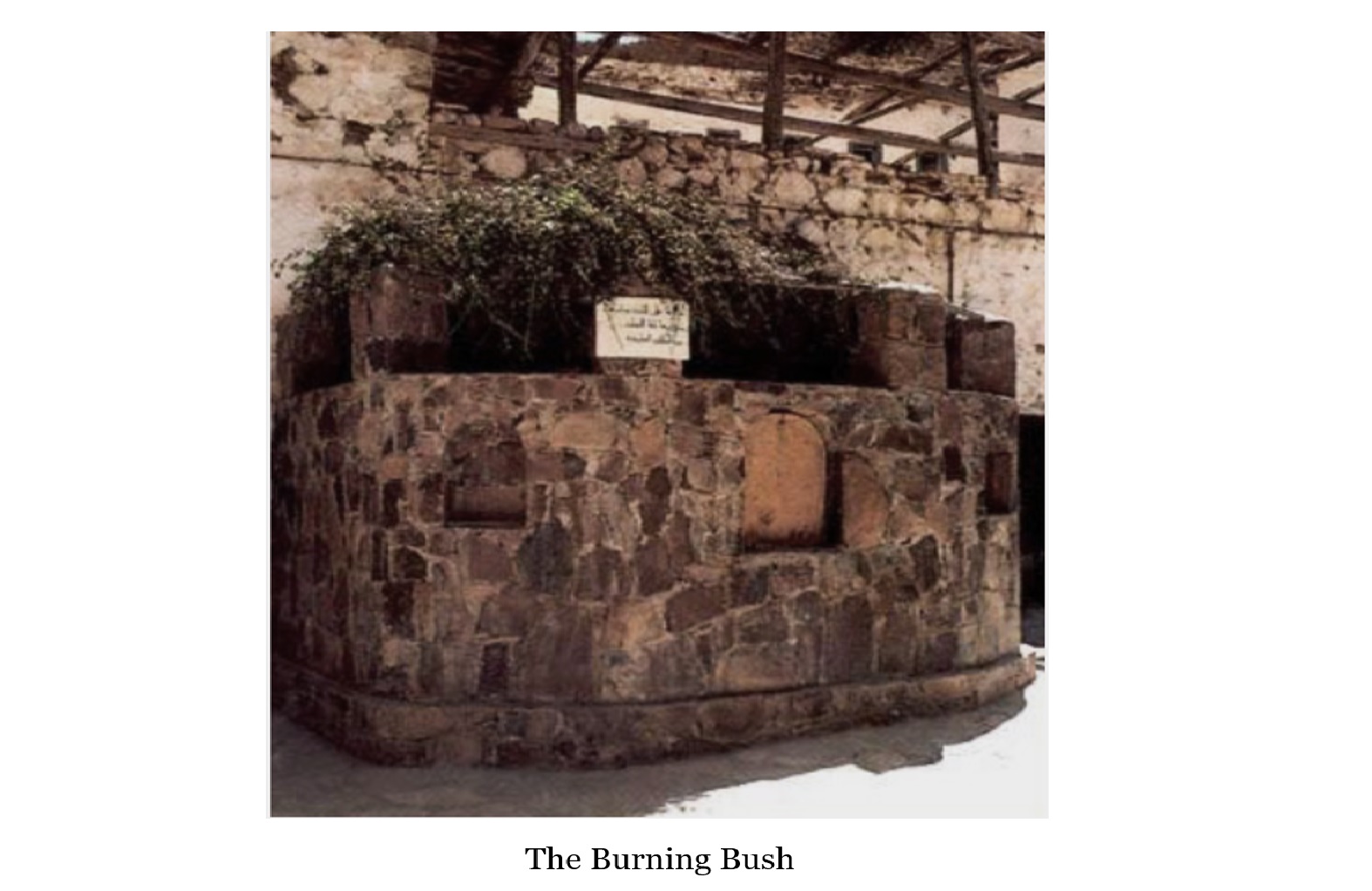
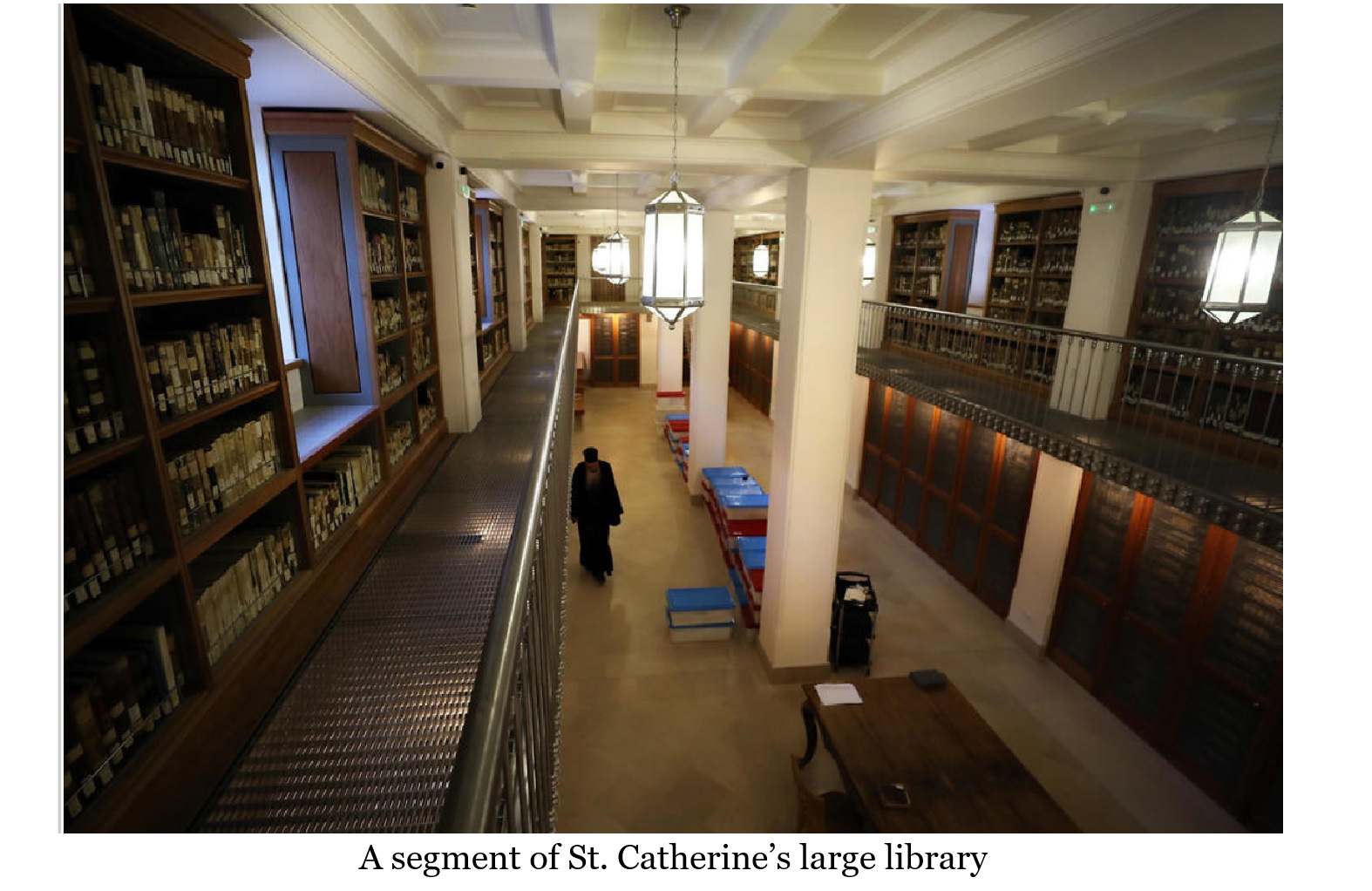
Arriving at  St. Catherine’s compound, the monastery was built by order of Emperor Justinian the first,  who reigned from 5 twenty seven to 5 sixty five, and within the enclose was a small chapel erected by Queen Helena,  mother of Emperor Constantine,  the site where Moses experienced  the burning bush..    the 12 member group,  their Egyptology  guide accompanying them,  viewing the historic riches from the past,  the second largest collection of early codices and manuscripts in the world..   The complex housing irreplaceable works of art. mosaics and a collection of early icons, dating back to the 5th century.  Also incorporated into the monastery compound,  besides the main Church, were nine other smaller dedicated chapels.


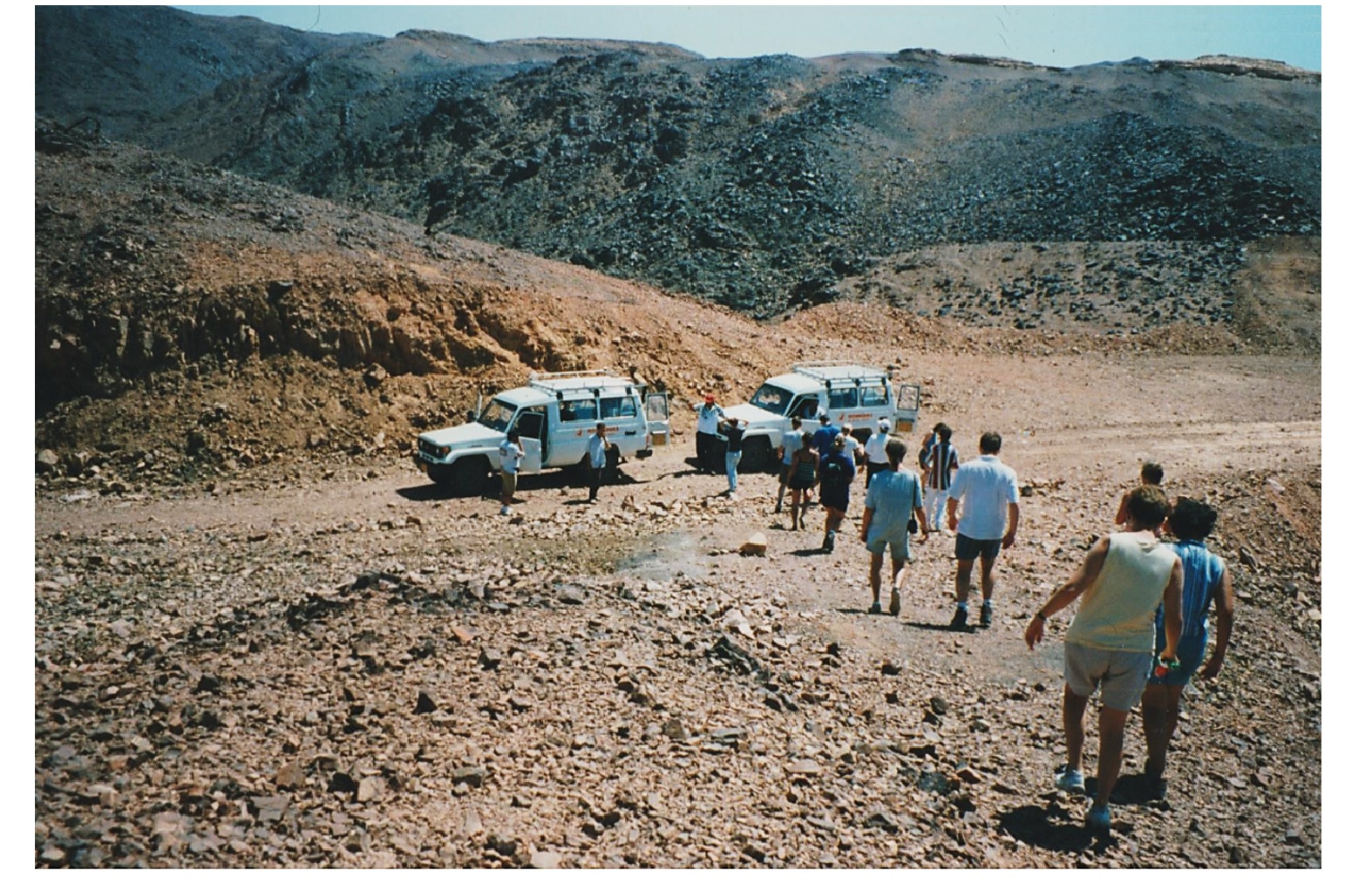
The 12 member tour group leaving St. Catherine’s,  a two car caravan on an exploration of the biblical referenced valleys,  and the homage of the Jebeliya Bedouin,   the People of the Mountains.  some two hundred families brought from the Pontos of Anatolia, the upper Euphrates, and from Alexandria,  to guard defend, and assist the monastery monks.   The local Bedouins are considered to be the descendants of those families that were converted to Islam in the seventh century, and today form the Sinai Bedouin families that make up the Jebeliya tribe.   Their northwest journey finding the group once again acquainting the desert of the Sinai and the beach lined coast of the red sea as they trekked north,  their destination a return to Cairo, and  the Pharaoh Hotel.


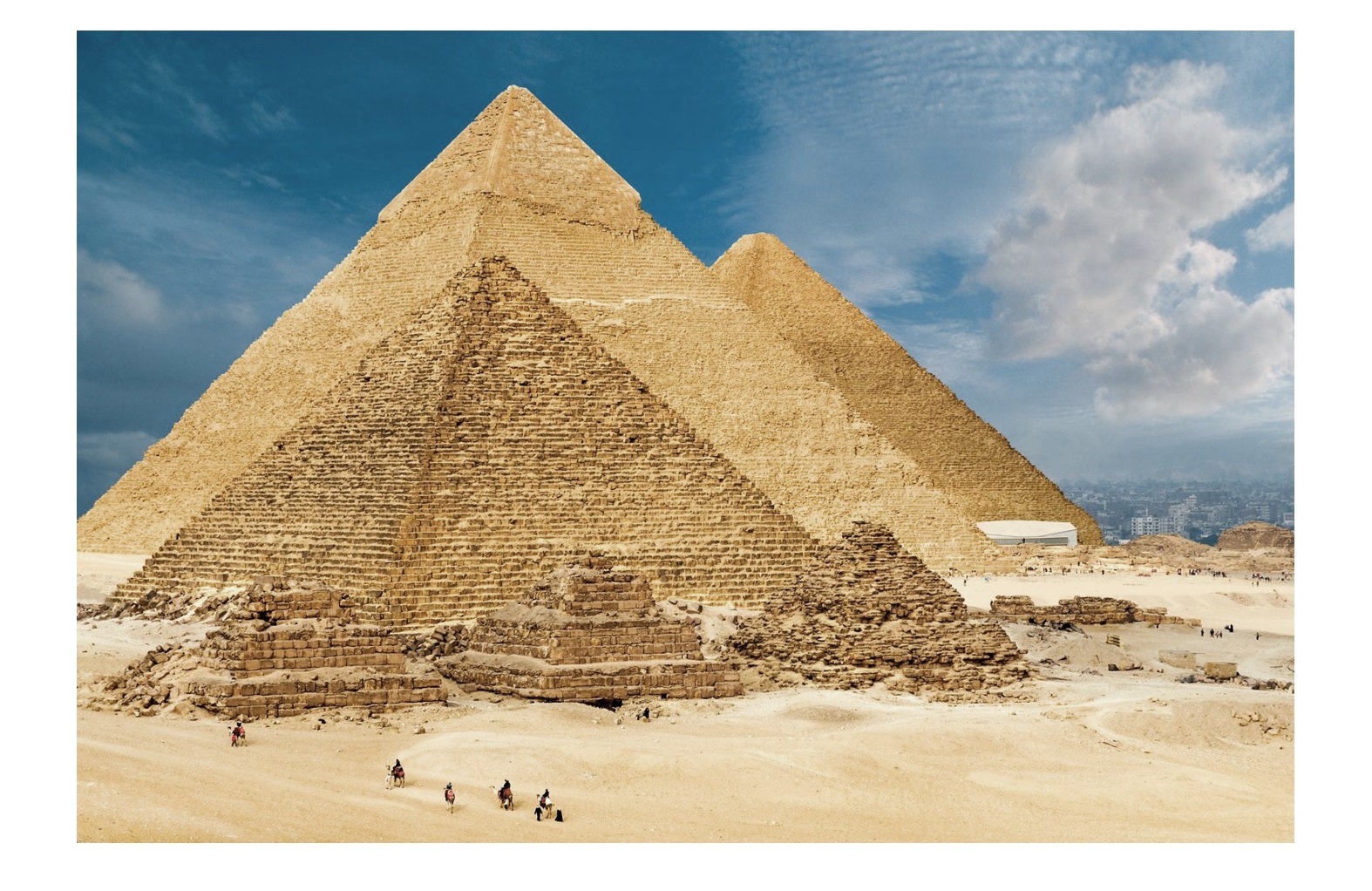
A Cairo morning dawning,  Nancy and Monica venturing a brief trip Giza and the edge of the great western desert to view the World Iconic Pyramids.  Egypt’s pharaohs believed they would  become gods in the afterlife,  and to prepare for the next world, they erected temples to the gods of Egypt and within the massive pyramids,  tombs for themselves, filling them with all the necessities a ruler would require, to guide and sustain himself in the next world.  The Great Pyramid of


Giza the oldest and largest of the three pyramids was a project of Pharaoh Khufu,  beginning in 2550 B.C.,  towering 481 feet above the plateau.   Khufu’s son, Pharaoh Khafre, starting the second pyramid in 2520.    The third of the Giza pyramids is considerably smaller, its construction beginning in 2490 by Pharaoh Menkaure, but featured a more complex mortuary temple.


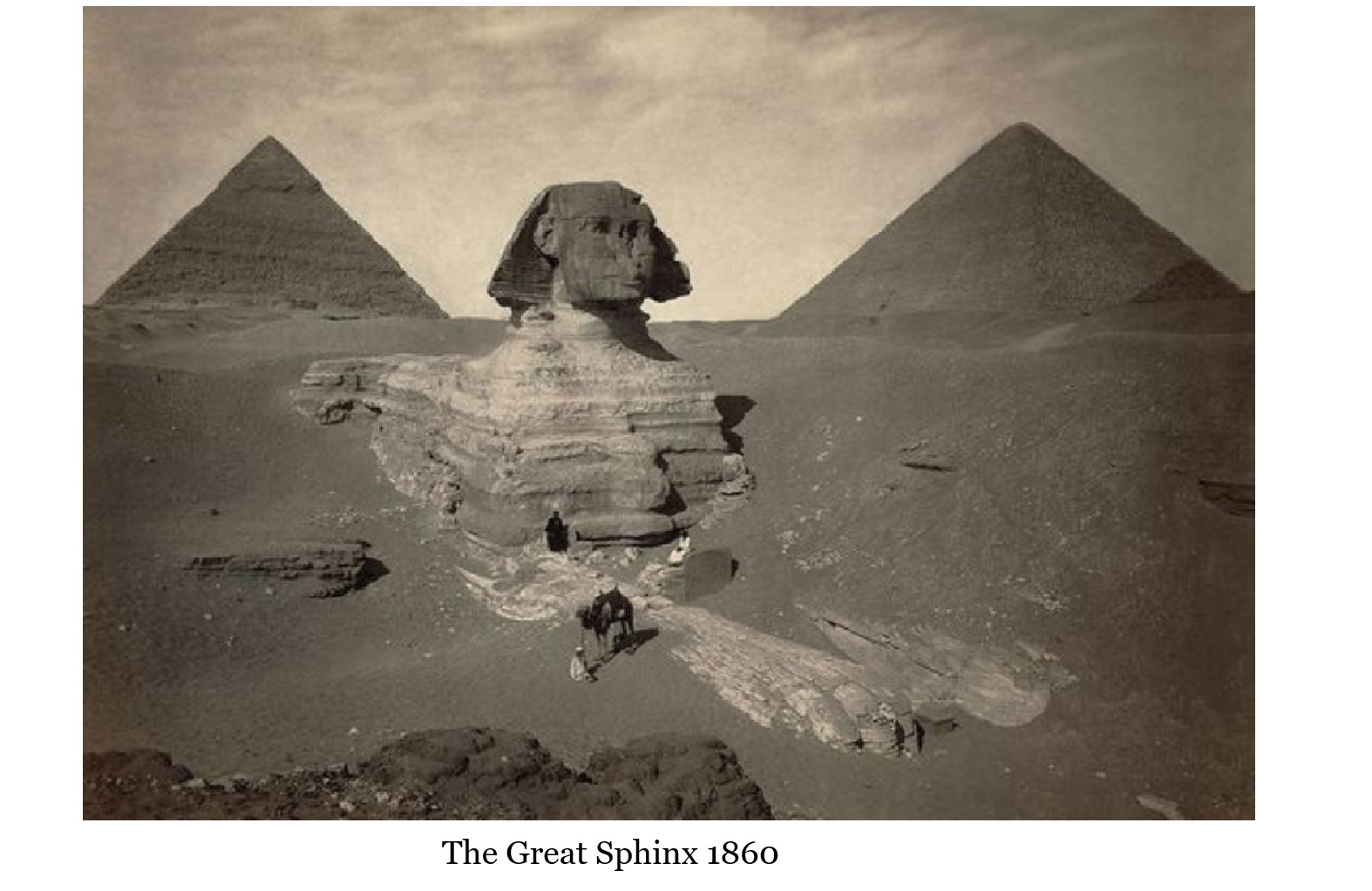
The Great Sphinx, the show piece of Giza, a colossal monument with the body of a lion, bearing a pharaoh’s head with a royal headdress,   said to be that of King Khafre, who reigned between 2575 and 2465 BC.   The Great Sphinx carved from a single piece of limestone.   measuring 240 feet in length and 66 feet in height, and for thousands of years was buried up to its shoulders in sand.   In 1817,  a Italian adventurer, captain Giovanni Battista Caviglia, with 160 men attempted to excavate it, but the sand poured into their excavation pits as fast as they could remove it.  The Egyptian archaeologist Selim Hassan finally freeing the statue from the sand in the late 1930’s.


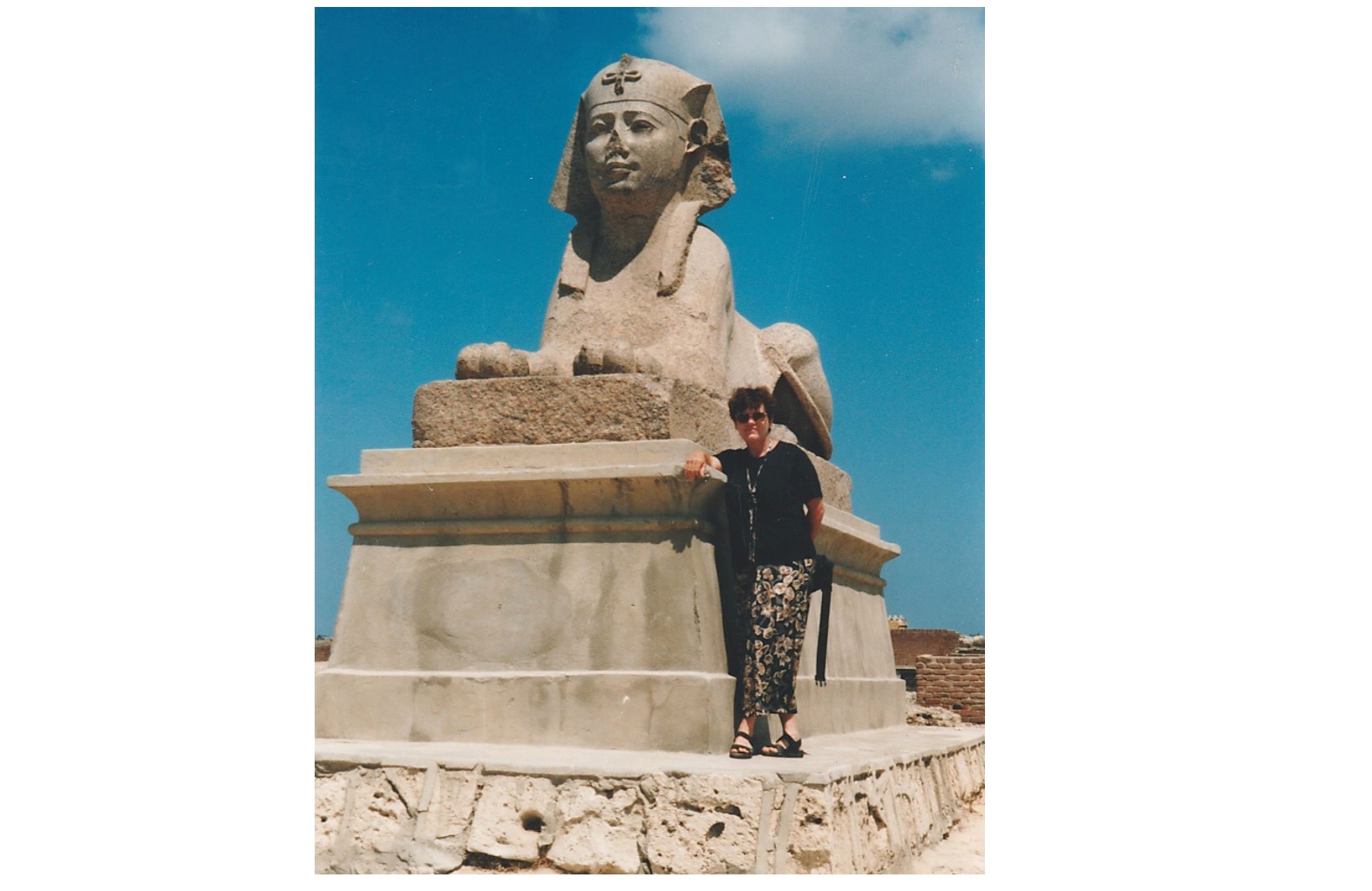
Returning to the pharaoh hotel,  A cross country tour representative arriving to transport the adventurers to the bus station, a four hour journey  to Alexandria.   Nancy and Monica having reservations at the Alexandria Hotel.  Rising in the morning. The programmed  historic tour of  the city founded in 331 B.C,  by Alexander the Great beginning.   first on their itinerary was the Roman Amphitheater,  dated from the 2nd century AD.   The theatre once having a large auditorium seating 800, and at one time having been adorned with columns several story’s high.  Continuing on to the Serapeum,  an ancient Greek temple constructed for  Ptolemy the third Euergetes.  The two viewing the magnificence’s of  Pompey’s Pillar,  a 88 foot Roman triumphal column, one of the largest monolithic columns ever erected.  Entering the the artifact garden, viewing a statue of a headless Ramses the second sitting on his throne,  holding a haka scepter in one hand.  Monica standing behind the headless Pharaoh’s statue, providing him with a smiling face for the photo,  and the two having their picture taken, with one of the two red granite sphinx’s adorning the base of the Serapeum.


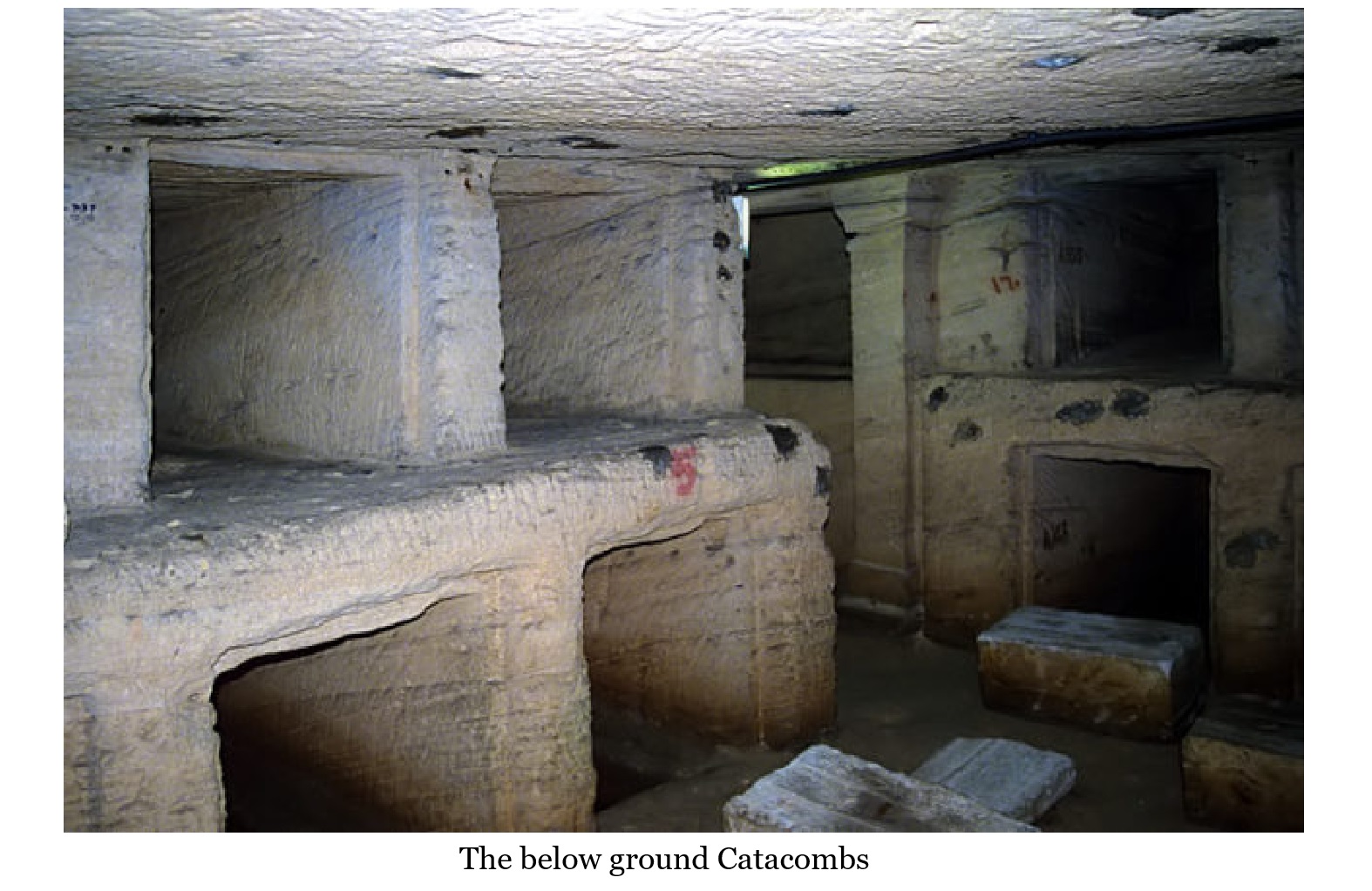
Their tour continuing, visiting the necropolis, literally meaning the city of the dead, an area of Alexandria including the catacombs of Kom El Shoqafa.  the underground burial chambers, that were in use from the second to the fourth century AD.    The necropolis more than a burial site,  at the different levels the underground burial tunnels displayed centuries of Egyptian, Greek, Roman legacy, culture and their dedications to the dead.    Entering the catacombs of Kom el Shoqafa, and it’s circular staircase leading down two levels, the third is underwater.  The staircase was  believed used to transport deceased bodies down to the numerous tombs tunneled below into the bedrock.  Nancy and Monica at one level viewing a room where mourners of the deceased would sit and bring offerings.  another room full of mosaic inscription,  sculptures, and a sarcophagus with bas relief,  showing Egyptian gods and priests offering sacrifices.  It was said that  Kom el Shoqafa is one of the best-preserved ruins of Egypt because of its hidden time lined centuries of mixed ancient cultures.


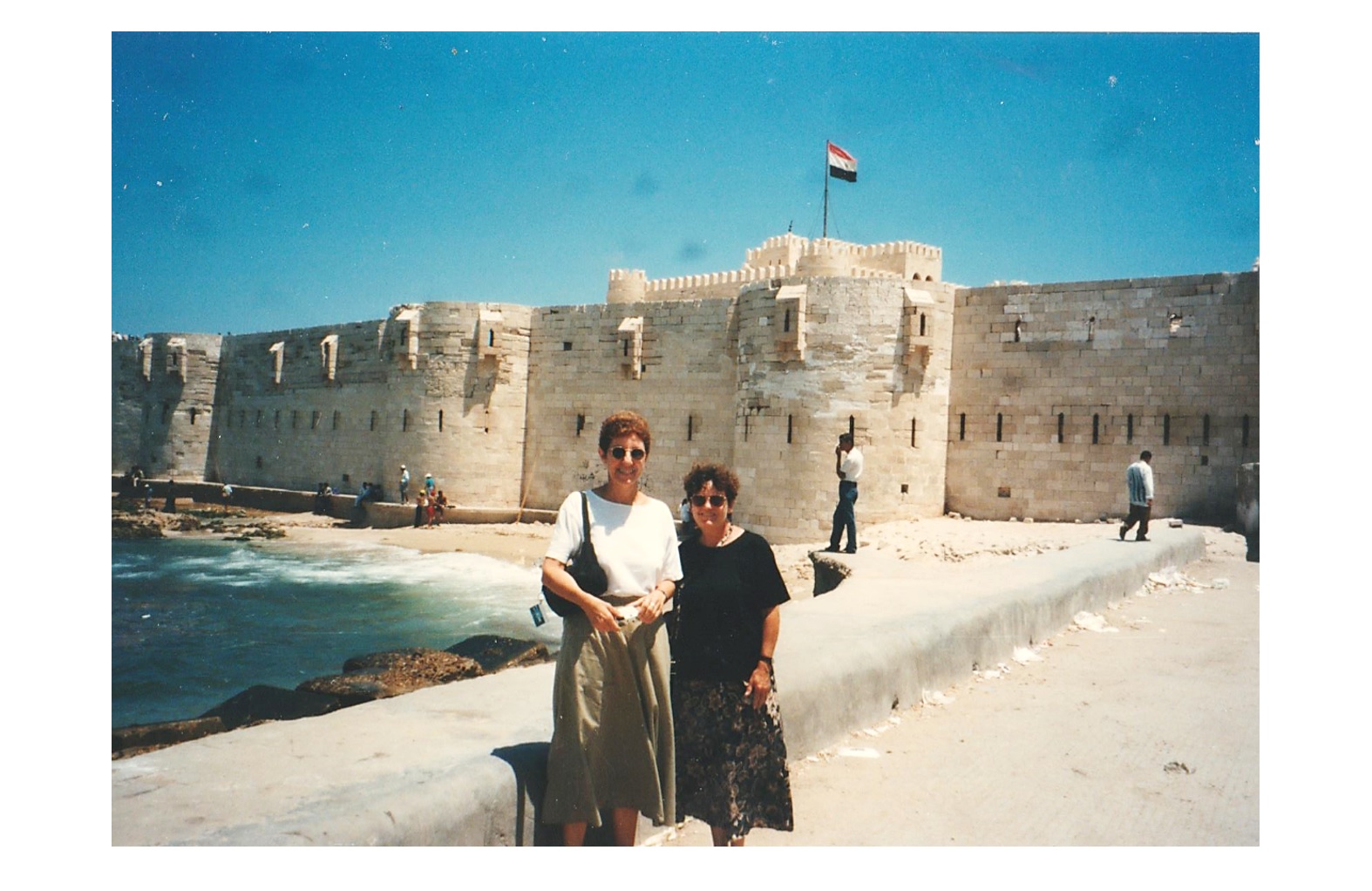
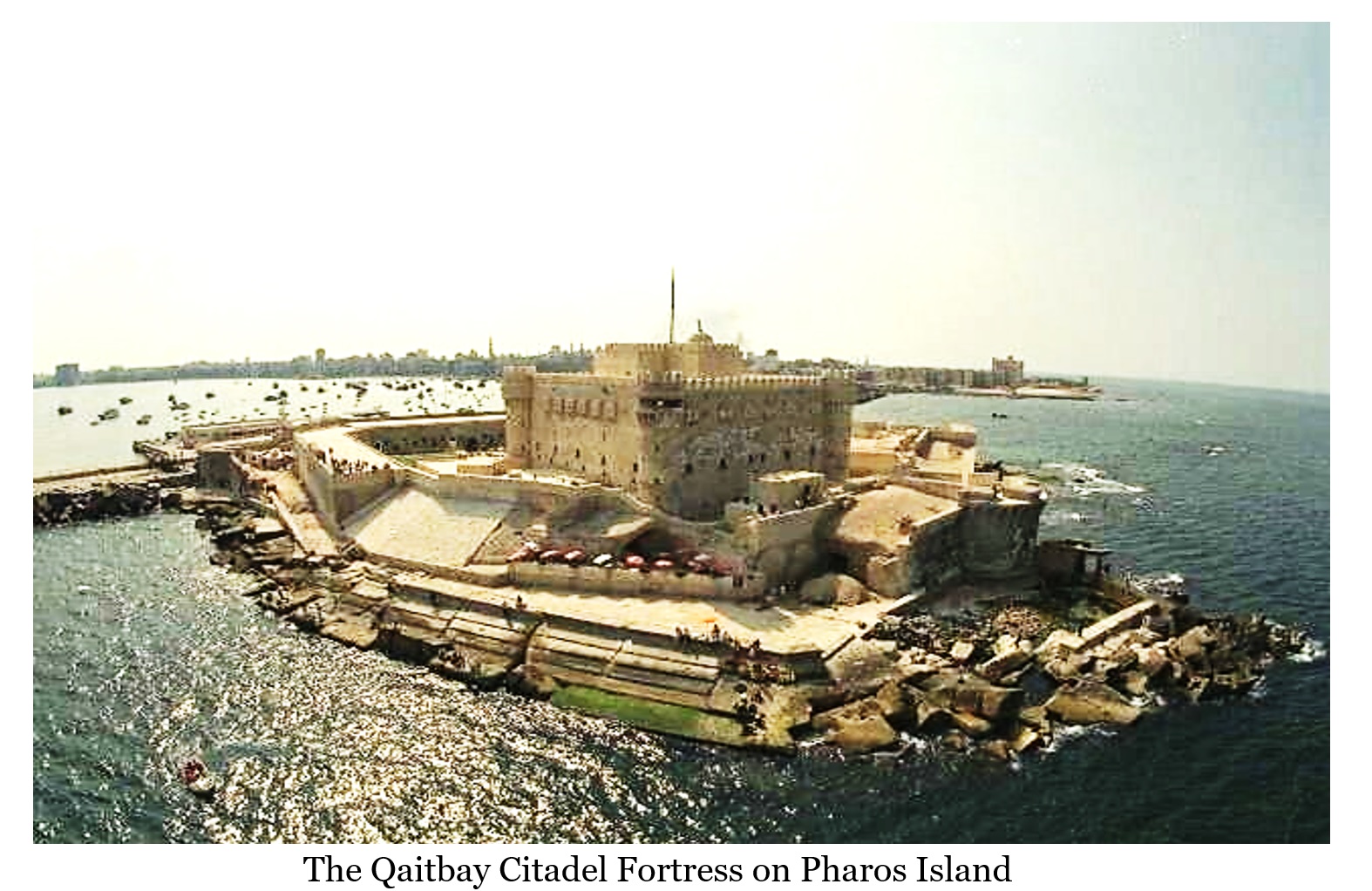
The two spending the afternoon addressing the majestic Mediterranean sea, viewing the Citadel of Qaitbay, better known as The Qaitbay Fortress, established in 1477, and erected on the eastern point of the Pharos Island, the exact site of the famous Lighthouse of Alexandria, built during the reign of Ptolemy Philadelphus in  two hundred 80 B.C.   One of the Seven Wonders of the Ancient World.     The Pharos island and the citadel connected to Alexandria by an ancient stone causeway.  The fortress was considered one of the most important defensive strongholds, not only in Egypt, but also along the Mediterranean Sea coast in the 15th century,  it was considered a very significant port for Mediterranean trade at that time.  Their day long tour completed, Nancy and Monica spending a quiet evening at the hotel in preparation for their return to Cairo by bus.


The four hour bus ride to Cairo seemed prosaic, the two returning to the Indiana Hotel, the only  event remaining on their itinerary,  a 9 am morning flight departure for  London. .   Seated in a British airlines 320, their 5 hour 20 minute flight having begun, a final view from the air of the implausible pyramids and a farewell to the museum of mankind’s surreal history, Egypt.    A rushed arrival at Heathrow, the two having  only 30 minutes between conveyances.   aboard their British Airlines eleven hour nonstop excursion to San Francisco, the wayfarers in one respect, happy to be returning  home,  but it was still an anticlimactic journey.  their three week excursion, inheriting the majesty of the Austrian alps, adorning the sound of music historic town of Salzburg, and the haunting past centuries of mankind’s presence,  indelibly preserved and displayed in Egypt.     Nancy and Monica’s Dream Vacation,  their once in a lifetime journey,  would forever abide as an everlasting treasure.


Nancy’s Amazon River Rainforest Experience

October 6, 2015

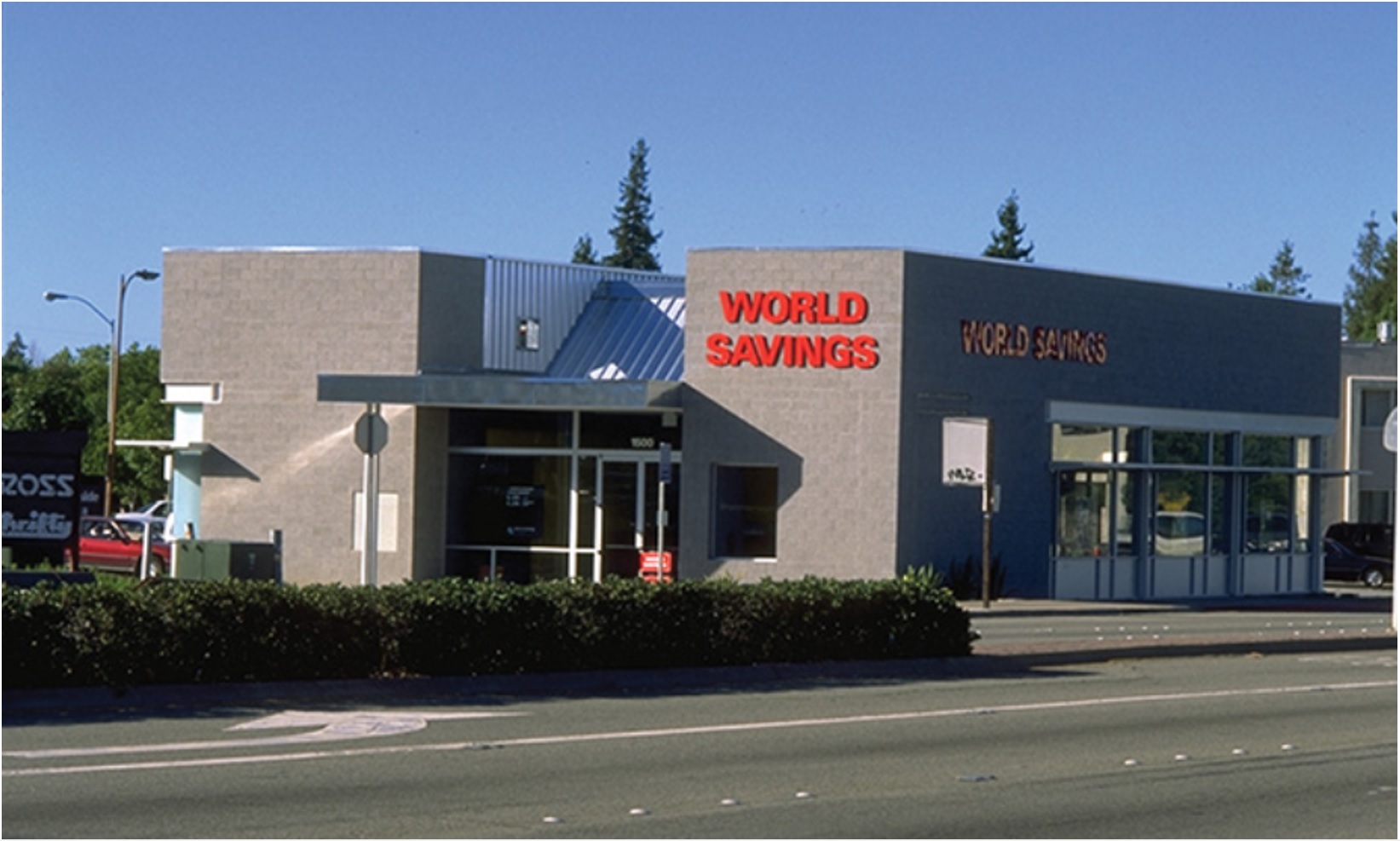
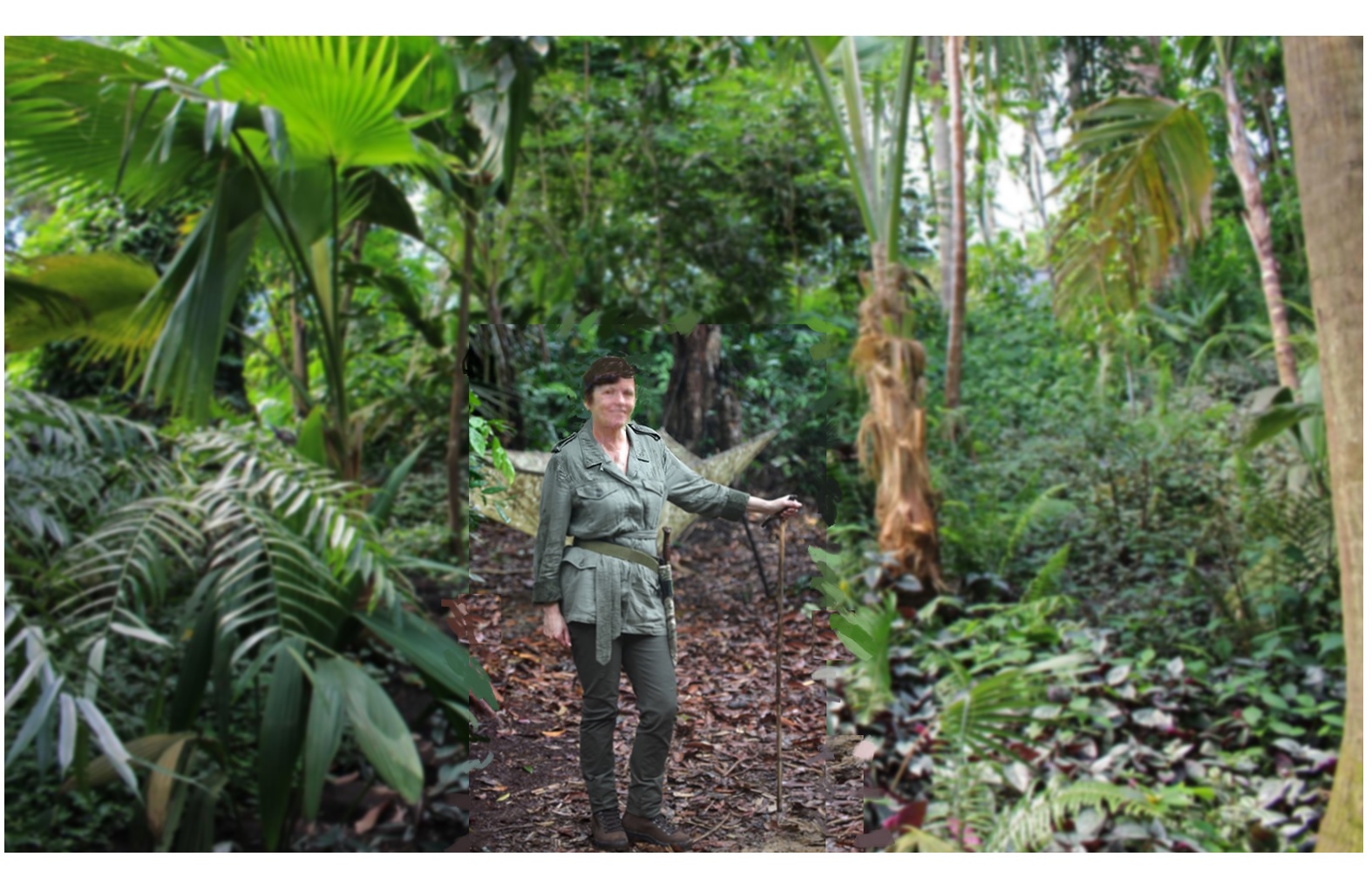
Nancy Willson Gokey,  her life having been one of paradox’s, her professionalism rising to the status of  bank manager for World Saving, a division of golden west financial,  the country’s second-largest savings and loan association, and later for Wachovia.   Throughout her life,  her first priority,  the raising of her two children, and introducing them to the wonders of mother nature’s great outdoors.  Nancy at age 64, was yet about to implement a long awaited desire,   a journey to the secluded realm of the Amazon Rainforest.


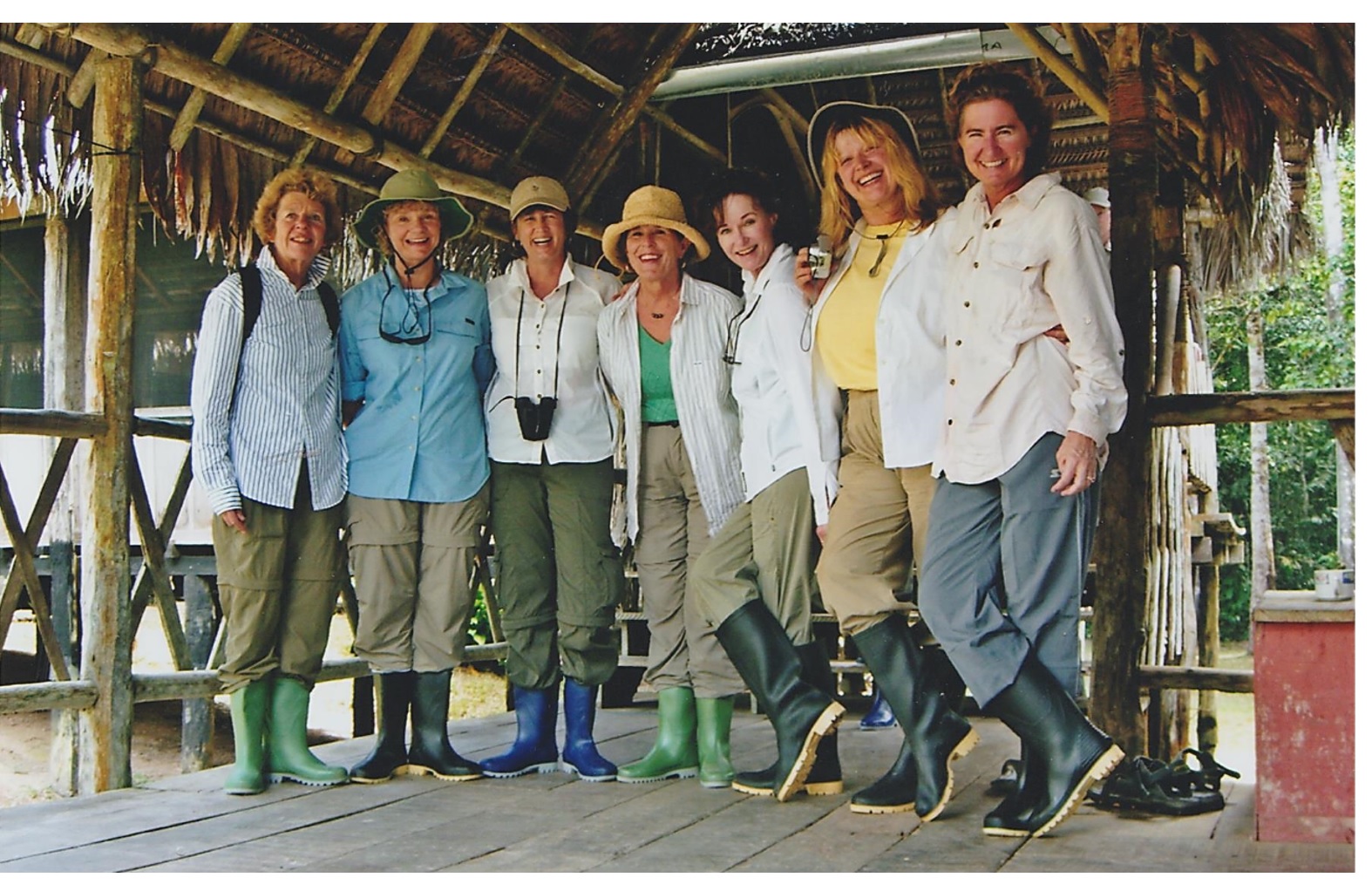
With a internet inquiry, the adventurist pinning a travel included, week long Amazon River tour,  complete with a one hundred ten mile river excursion and a exhaustive rainforest experience.  Her sponsored host, Yacumama Lodge and the YTB Travel Network.    The agency E-mailing  a list of her 12 accompanying tour members and surprisingly eight were local,  from Columbia, Sonora and Murphy’s,  with the remaining members joining them at Miami for their flight to Peru


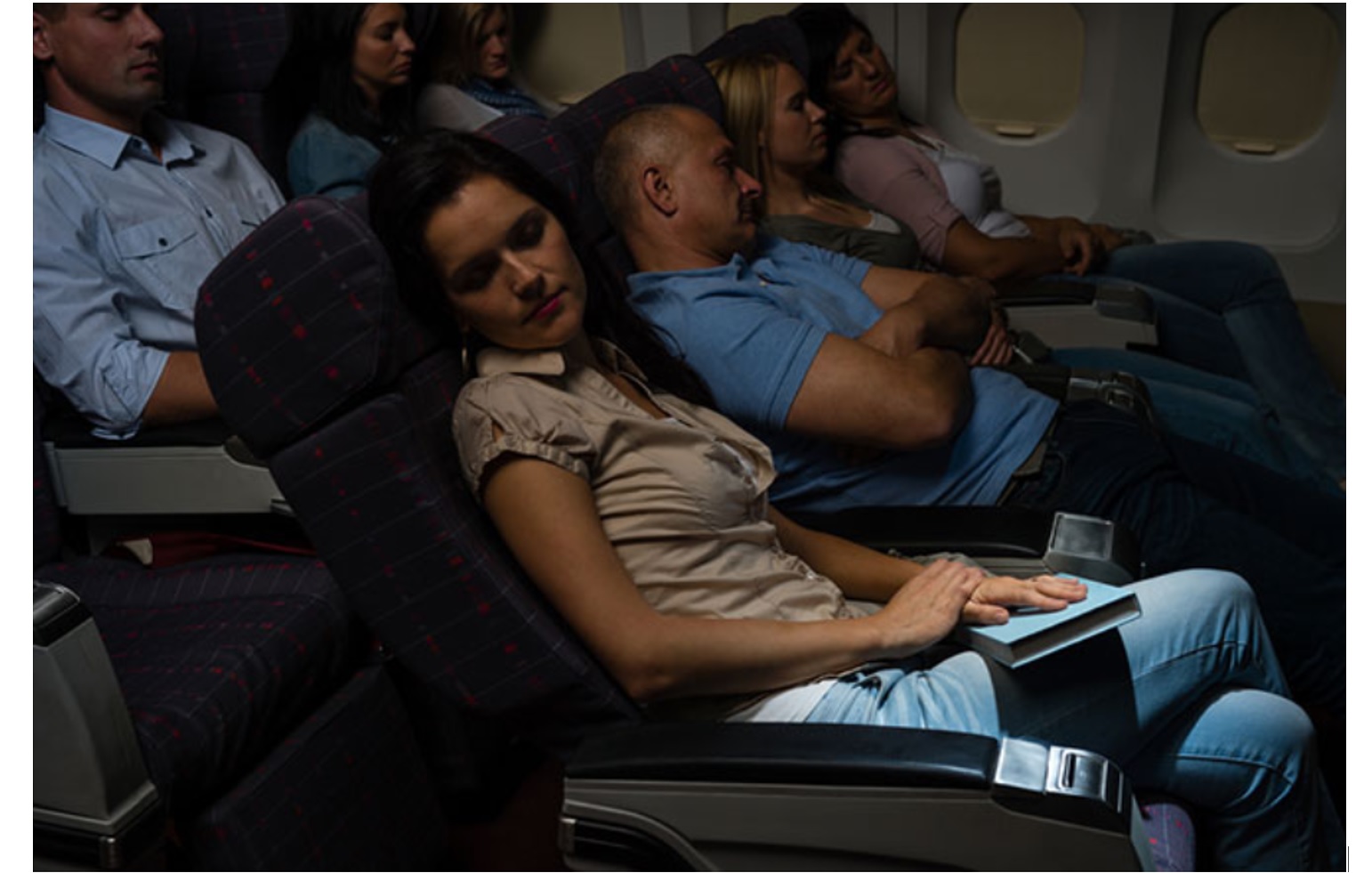
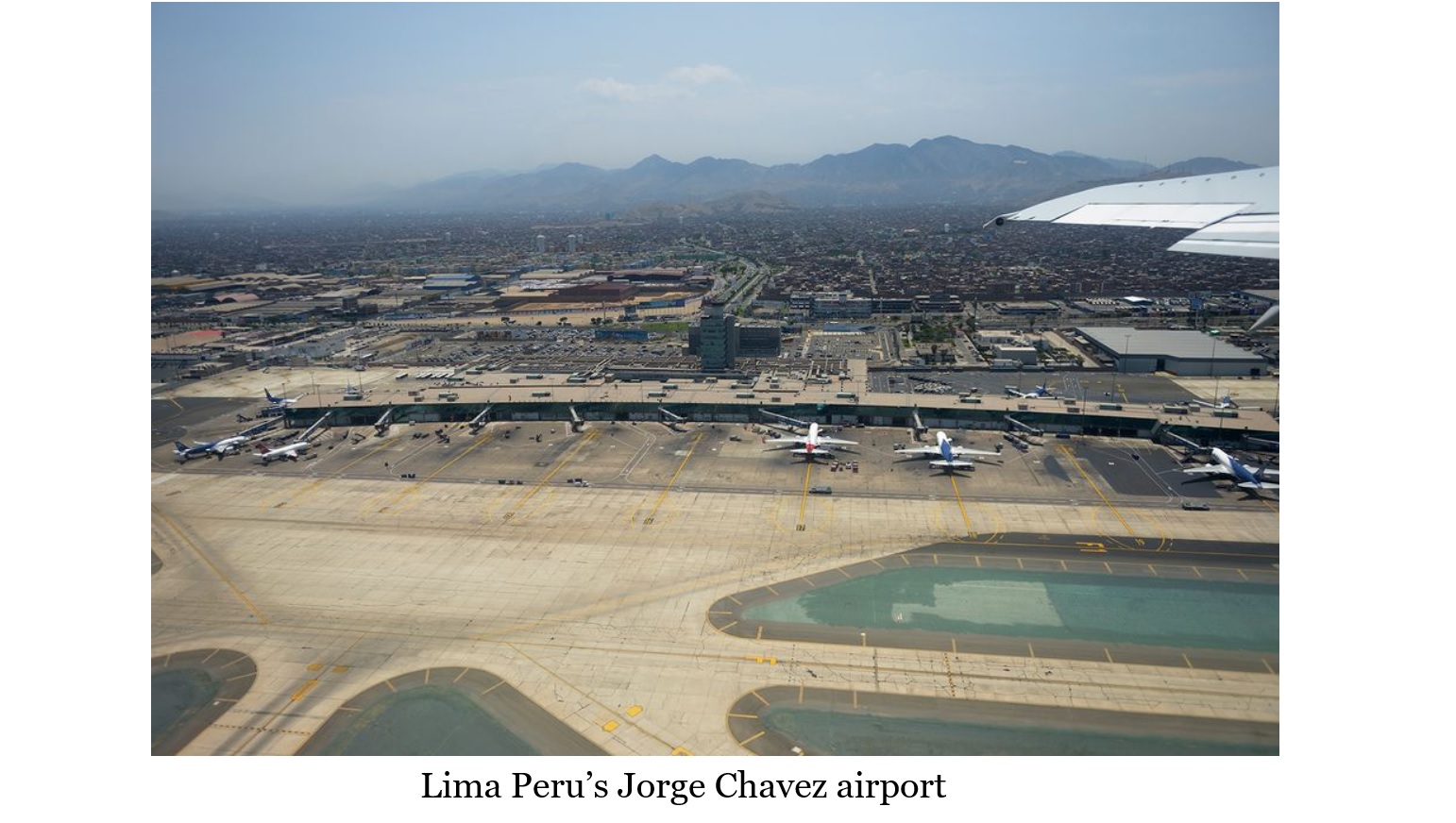
Nancy’s California group departing at 12:30 pm from SFO,  Friday January 18th,  boarding a american airlines Boeing 767 for the five hour fifteen minute non-stop journey to Miami.   Arriving at Miami International Airport,  a 3 hour and 10 minute layover before boarding their American Airlines to Lima Peru. The airbus 320 travelers attempting to get some sleep on another non-stop  five hours flight,  arriving at Lima Peru’s,  Jorge Chavez airport at 5:45 in the morning.  The itinerary calling for a 10 hour layover in Lima before their hour and 45 minute flight to Iquitos.  Not surprising,  some members deciding on a taxi tour of the city before their afternoon departure.


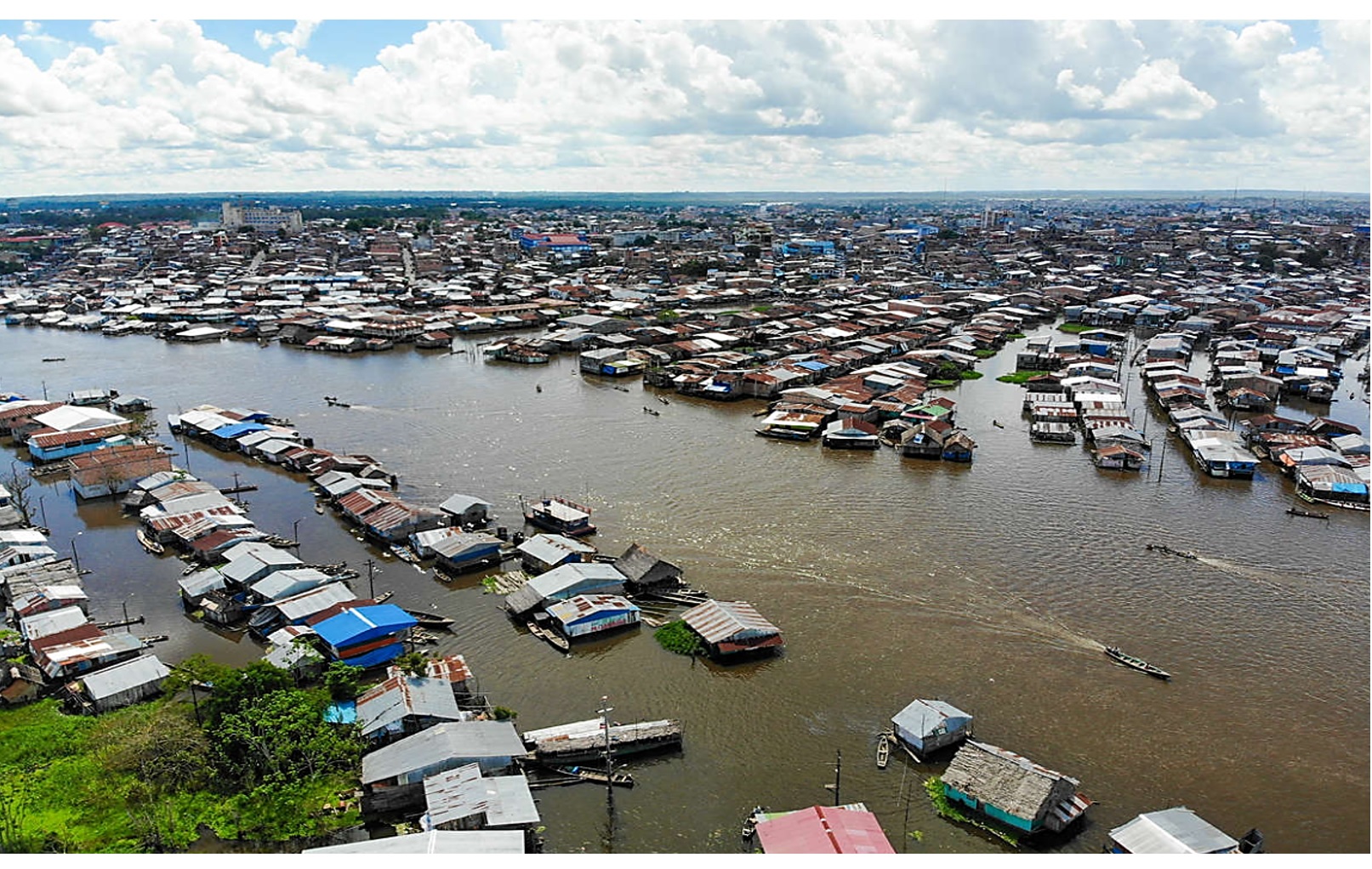
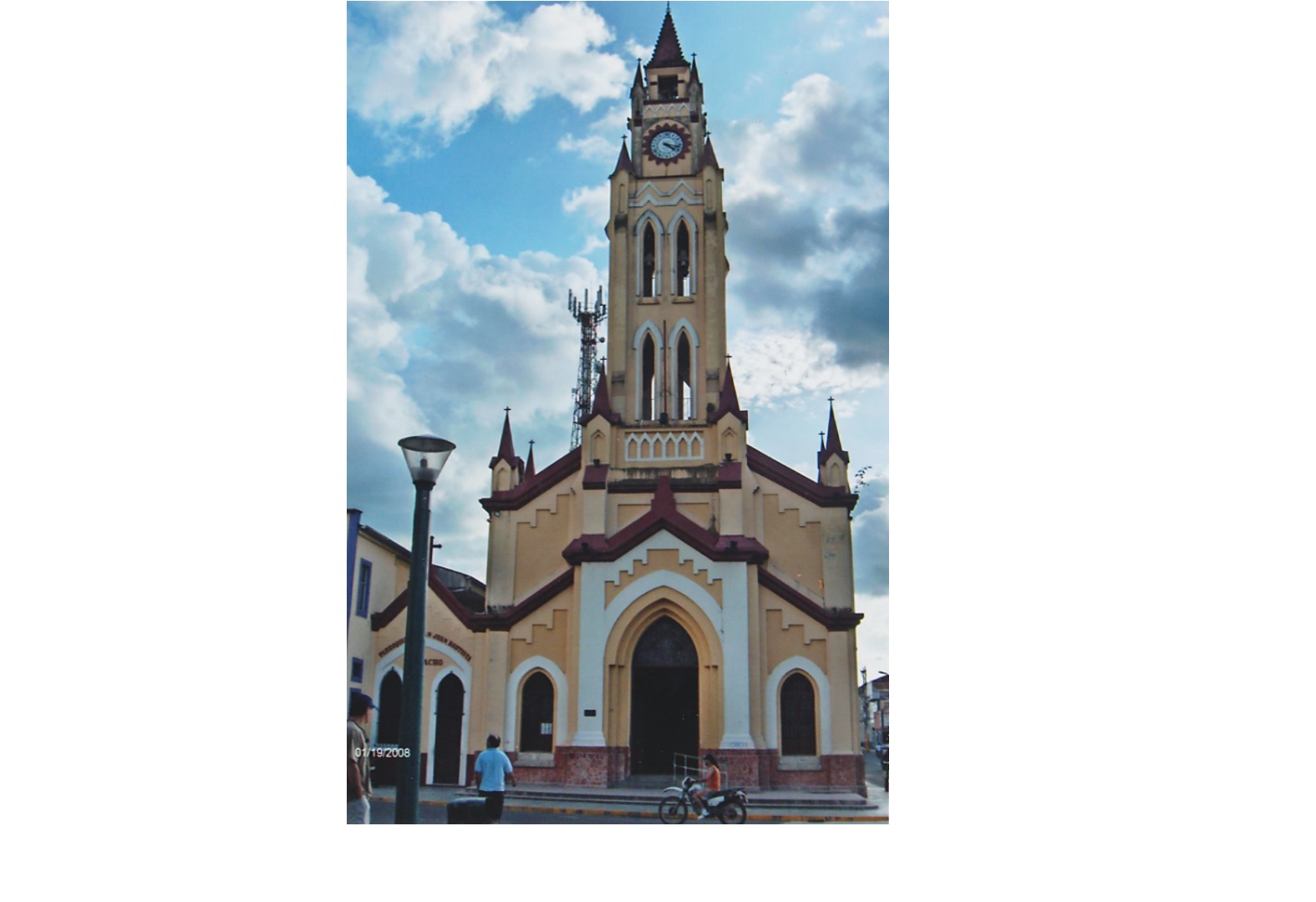
Iquitos, the ninth largest city in Peru, and the largest city in the world that cannot be reached by road,  accessible only by river and air.  The group greeted by a Yucamama Lodge tour guide having made transportation arrangements to the residential Yucamama, referred to as the backpackers hostal..  Nancy and others with camera in hand, venturing to the city square, the Plaza de Armas, and its land marks the Saint John the Baptist Cathedral, a roman catholic cathedral built on the sight of an ancient Peruvian temple demolished in 1919.


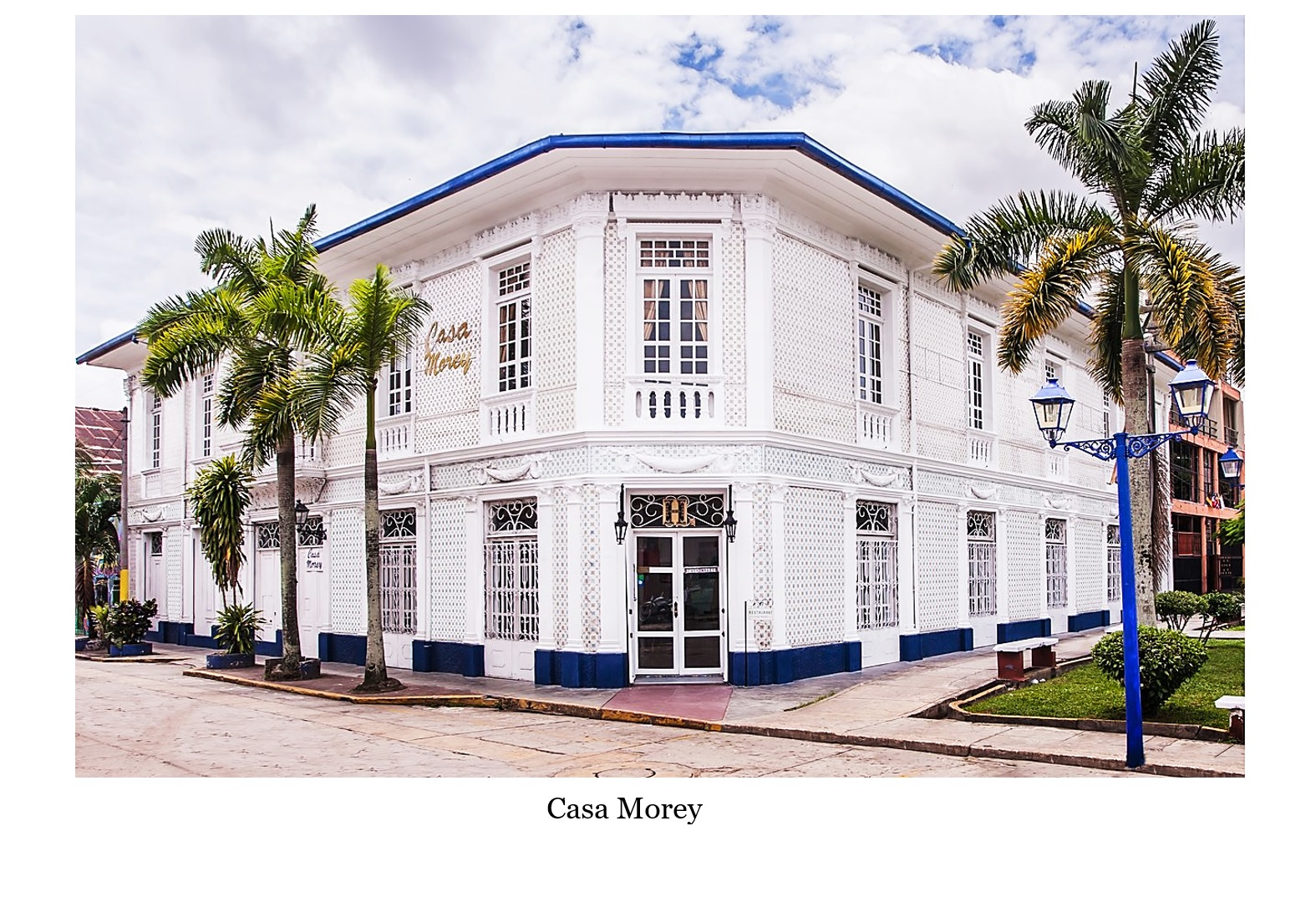
Other sights included La Casa Morey,  the mansion of a rubber industry baron, now a hotel and restaurant.  The Casa de Fierro, the Iron House, plates of steel donning the walls and ceilings, said to have been bought at the 1889 Paris International Exposition and reassembled.  The Plaza de Armas was not without eminence, a monument in remembrance of the death warriors at the Guerra del Pacifico.  What stood out about the town was the obvious, it was long inhabited by indigenous people, representative of the rubber plantation era, from appearances it’s populace still somewhat residing in the third world atmosphere of the past.


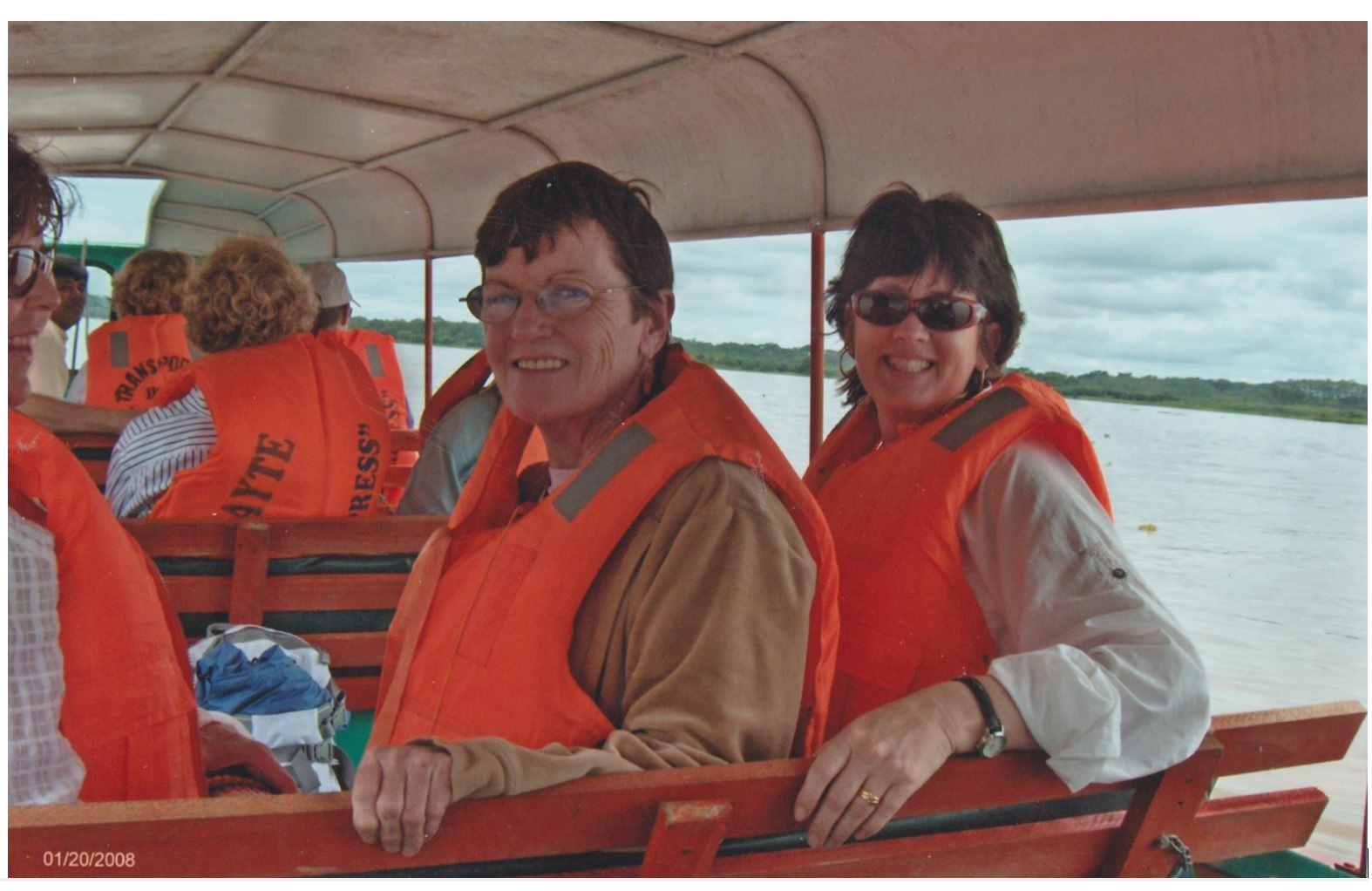
After breakfast the tour group boarding a river cruise craft for their 110 mile venture up  the tributary fed Amazon.  The scenic river journey providing  a picture of mother nature’s unblemished work,  the Amazon Jungle.   Their journey culminating on the Rio Yarapa contributory.   Their Yacumama Lodge amazon host welcoming the new arrivals, ascribing their lodging bungalows and a late lunch, enjoying an introductory rainforest excursion.  After dinner, one was able to converse in the spacious main lodge or retire to their private bungalow for a well deserved night of sleep in concert with. The Night Sounds of the Jungle


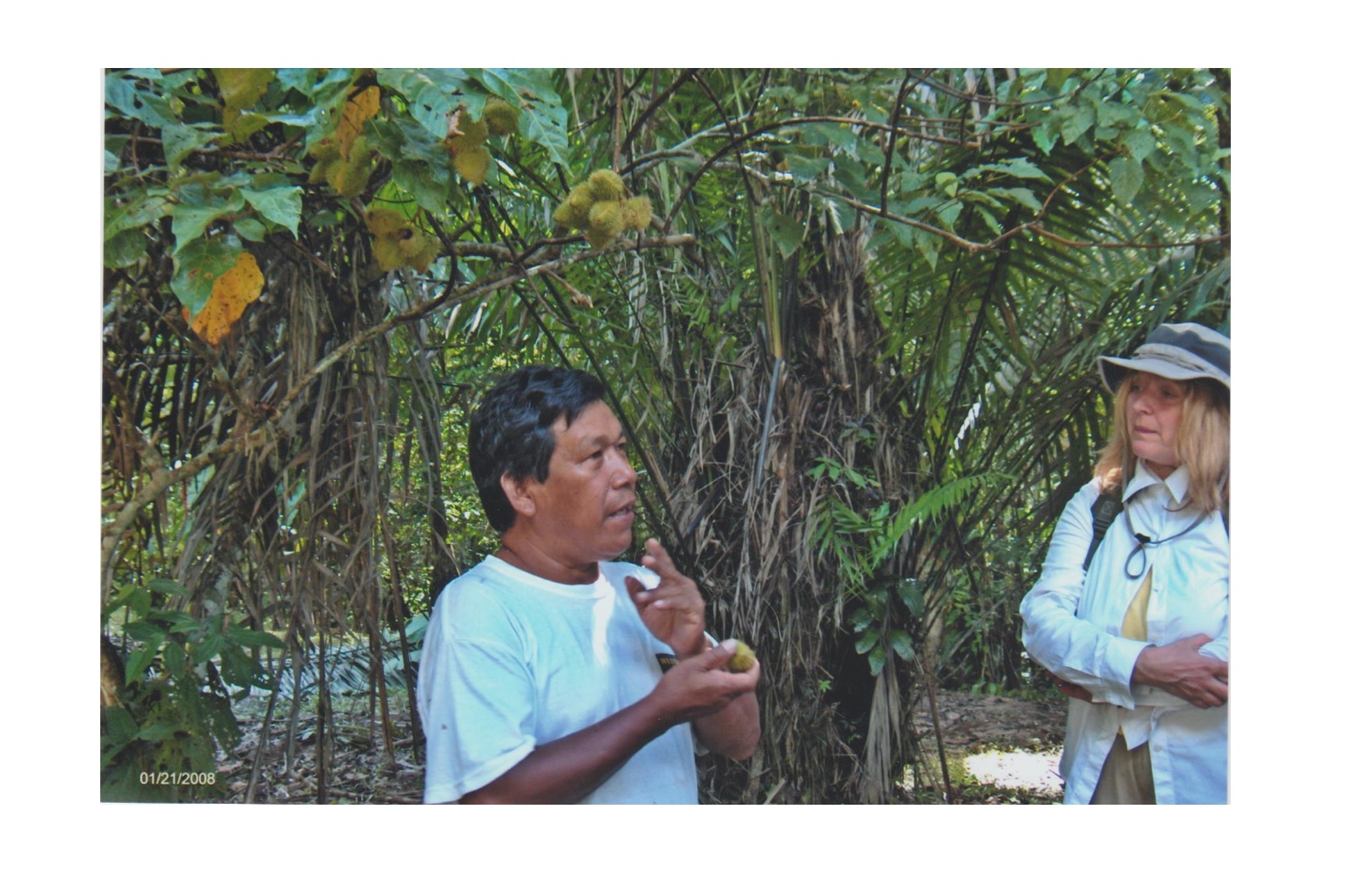
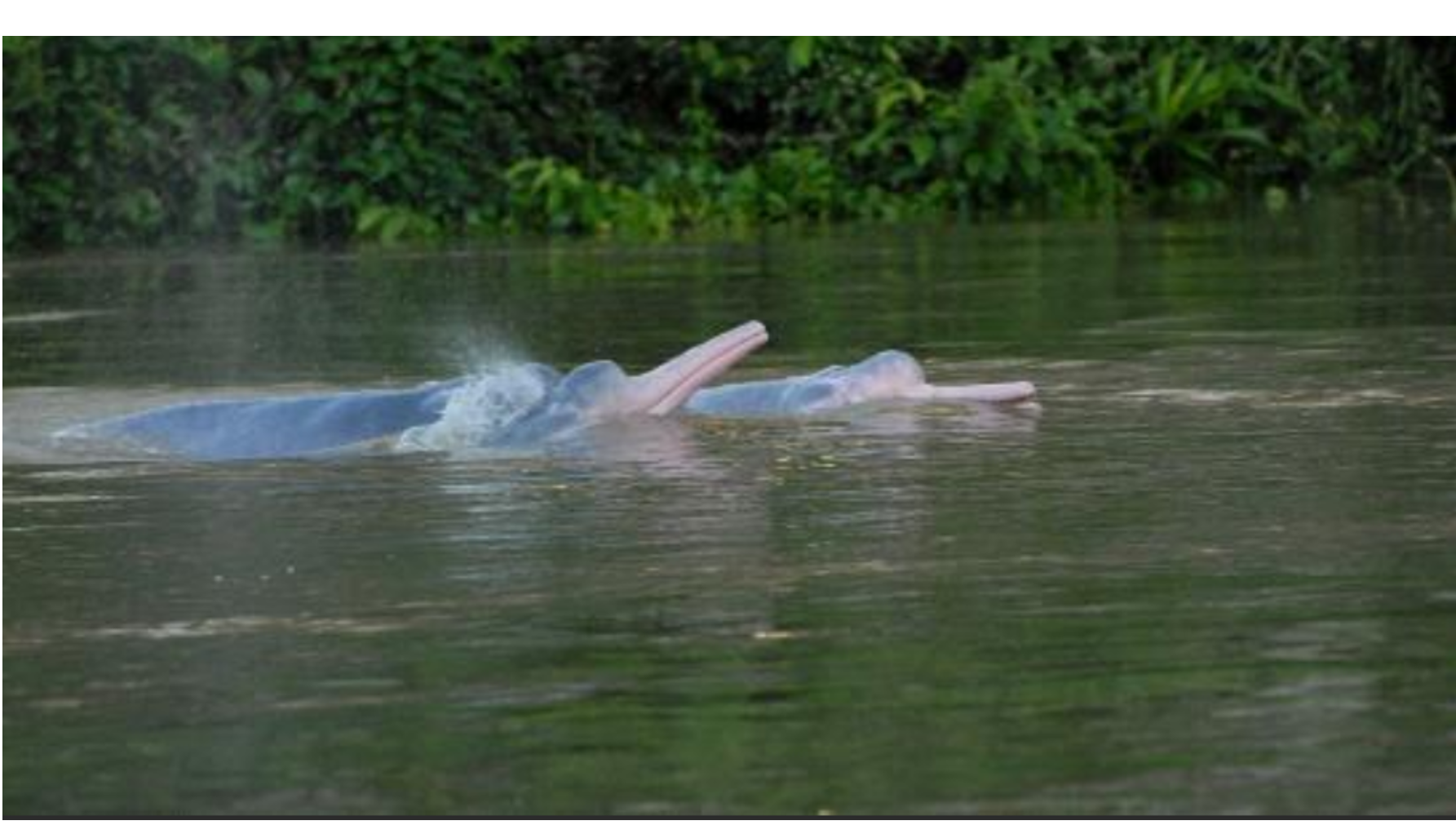
A breaking dawn finding the group once again boarding a river conveyance, enjoying the sunrise and the opportunity to view bird life and the primates among the terrestrial foliage and trees..    a bilingual Yagua Indian guide conducting a tour of the medicine trail,  able to discern the native botanical herbs and point out a wide variety of wildlife and insect..   Fulfilling the day was an afternoon river trip to view the rare Amazon pink dolphins.  The fresh water Dolphins being mammals,  like whales, they share the defining traits:  they breathe air, are warm-blooded, give live birth, suckle their young on milk.


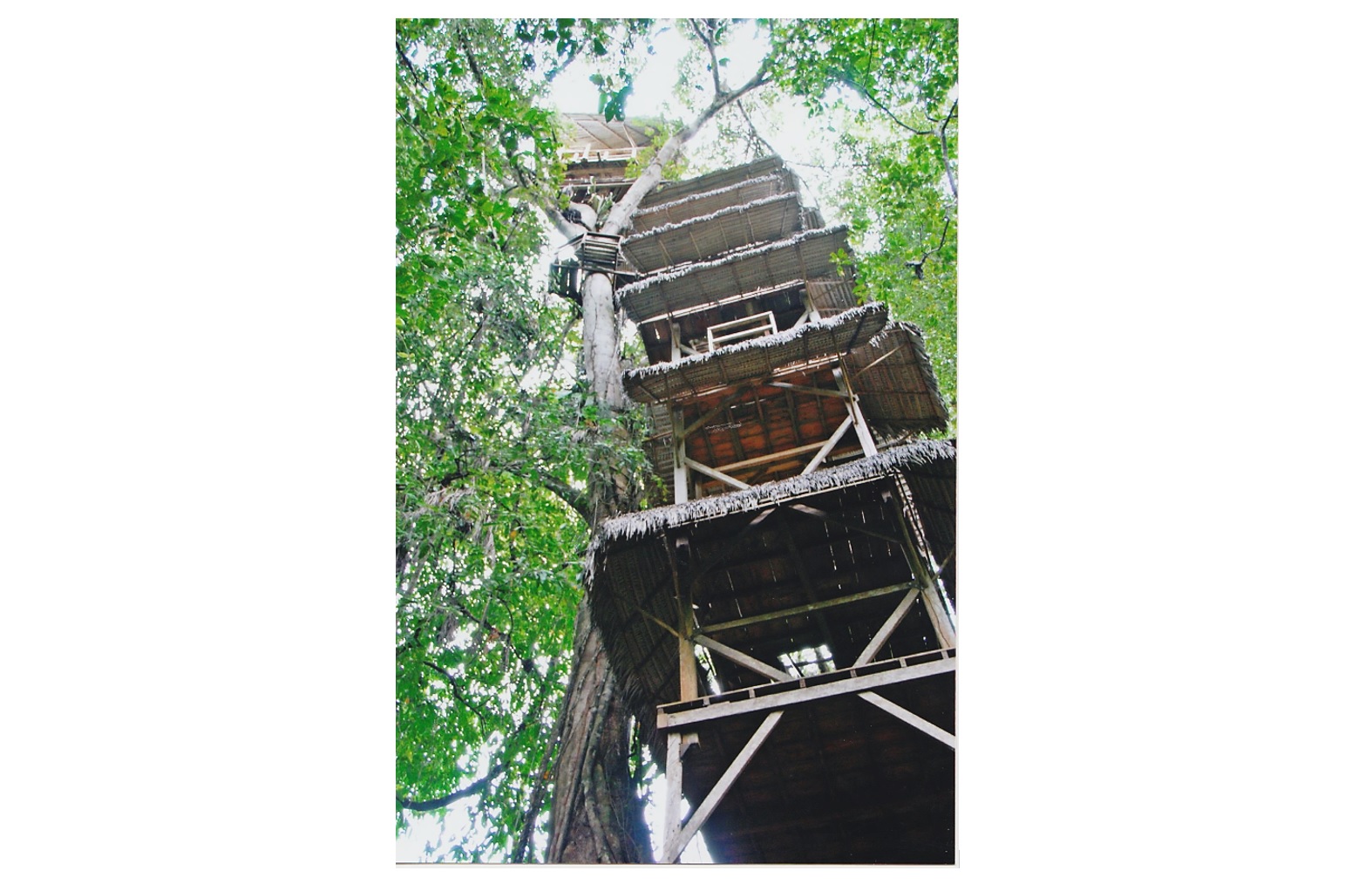
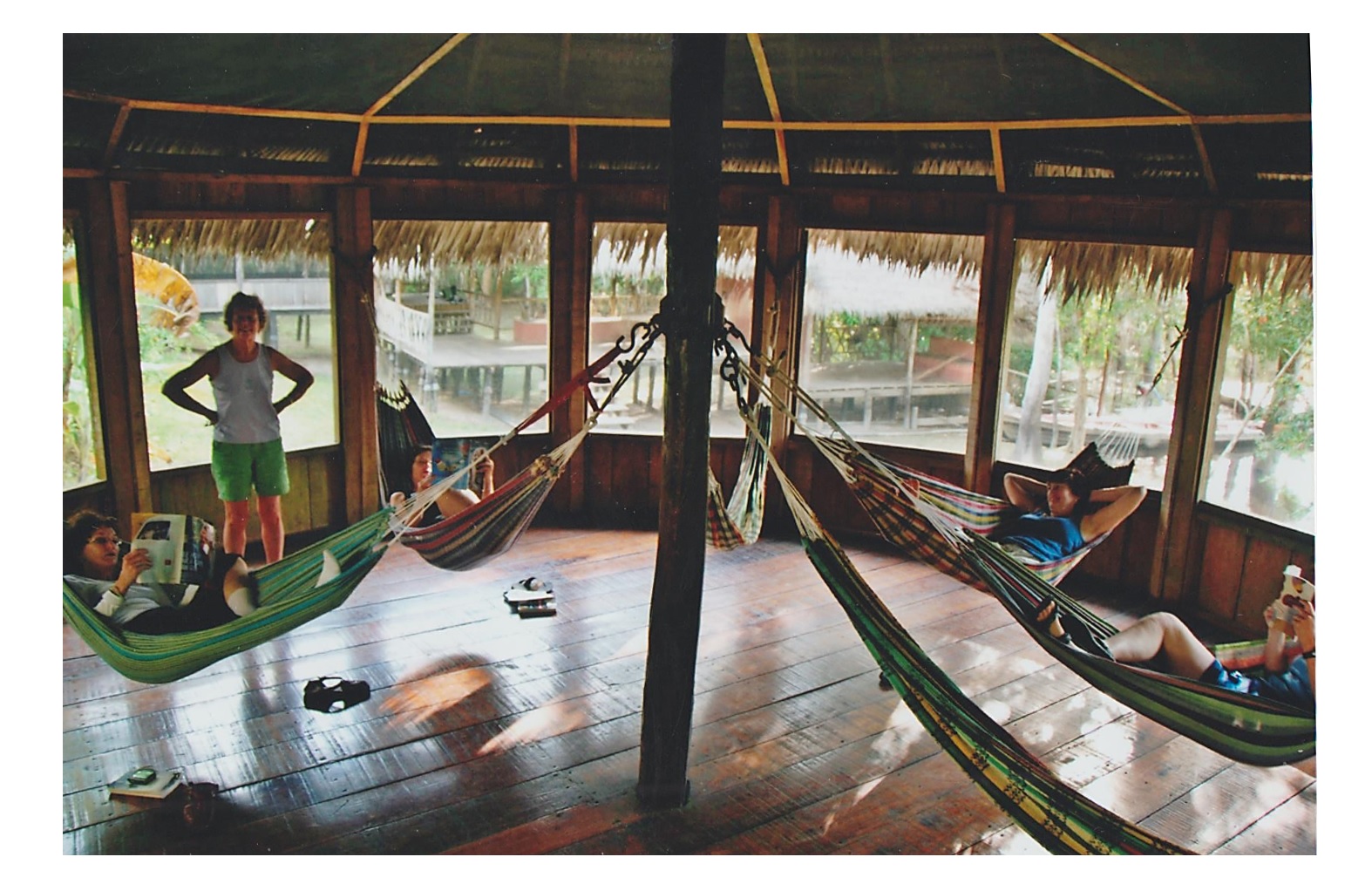
Another amazon river morning venture, Nancy and the group gazing at the 115 foot  forestation thatched rainforest canopy viewing tower.  The climb up the nine tower levels somewhat of a challenge, but once attaining its view overseeing the rainforest, discovering it well worth the effort  even in the constant humidity  That is The Jungle.  The afternoon found a choice of activity time, including boating canoeing, fishing, hiking or just relaxing in the hammock room over the river.  The sunset hour found a night river excursion to view the amazon nocturnal life, including the black Caiman,  a night feeding a 16 to 20 foot alligator.


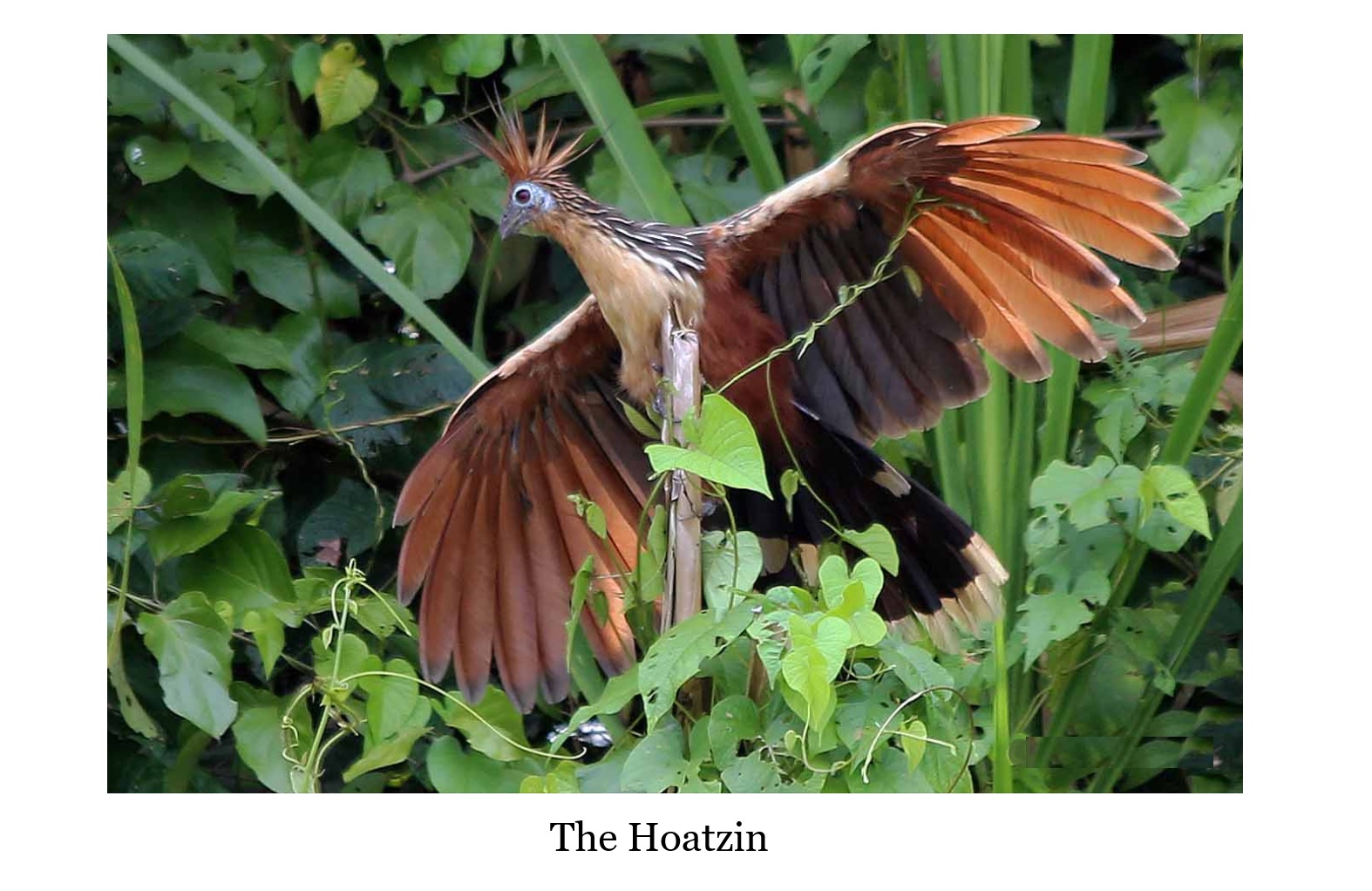
The morning breakfast concluded,  again seated in the boating craft,  an agenda to explore the famous giant water lilies of the Amazon.   The lilly leaves floating on the surface, being large, 10 feet  in diameter, their submerged stalk,  23 to 26 feet in length residing below the surface.  The amazon lilly being large enough to support a small child..   Moving on, a traveling lunch provided as one experienced the scenic wonders of the river and once putting ashore, the abundance of  birds, including the pre-historic Hoatzin, the Hoatzin,  a feathered theropod dinosaur,  it being noted that birds and crocodiles constituted today’s only living dinosaurs.  The tour continued on to explore  the remote inbound areas of the river before returning for dinner.


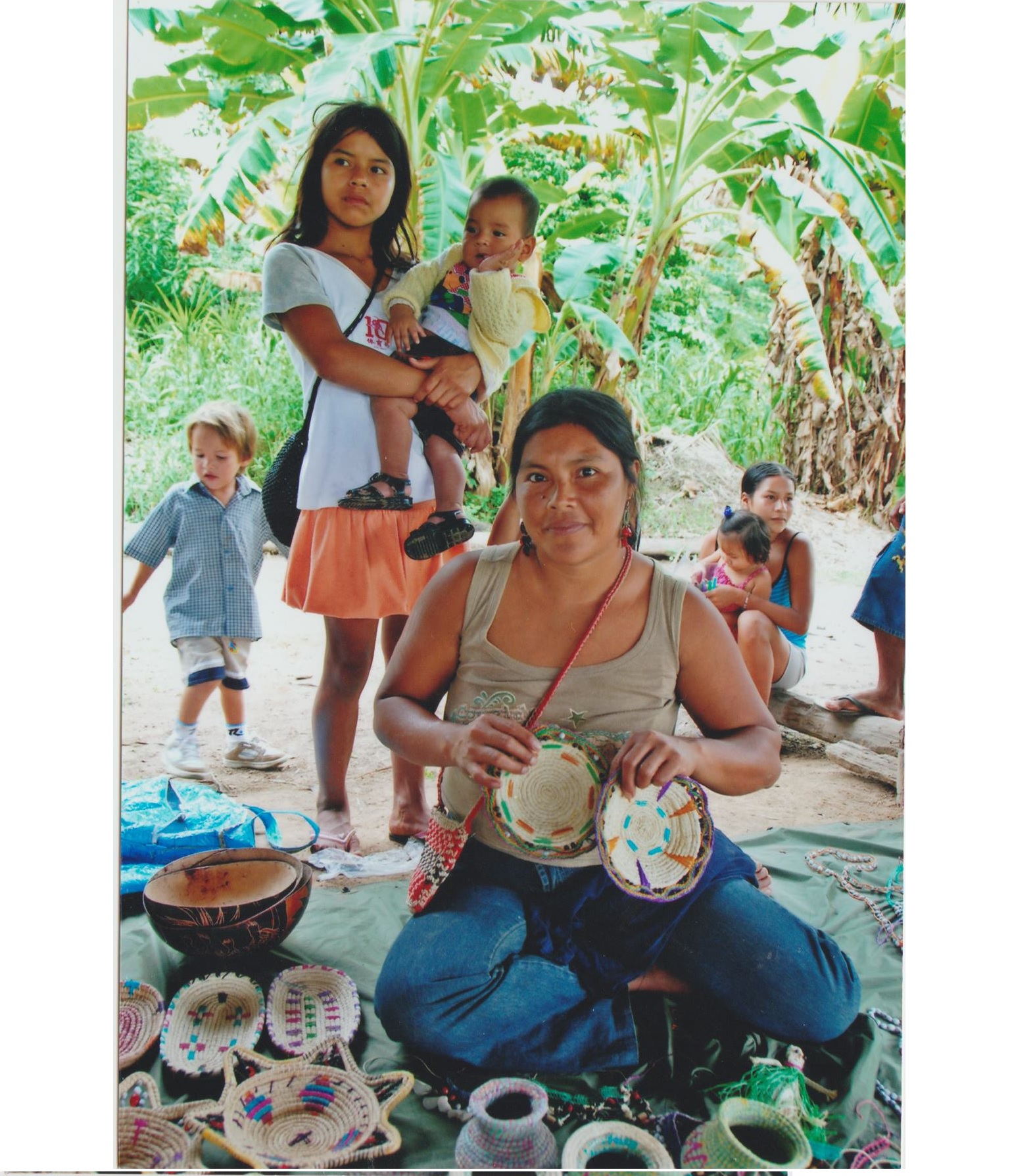
The jungle river tour would not be complete without a visit to an authentic Indian Village,  where one could trade for the hand-made crafts and experience their life on the river. The tour group acquainting the river side exposition, being introduced to native family members and their understanding way of life.   this their final touring day, returning to a variety of free time activities,  instructions in the use of authentic dug-out canoes,  piranha fishing lesson’s, and many just relaxing, pausing to take stock of where they were,  and all they had experienced.  After dinner, a final hosted jungle night walk,  to once again absorb and experience the nocturnal environment and sounds of the amazon jungle.


Nancy and her group bidding a farewell to the jungle, a life aspiration fulfilled,   the river and the 110 mile return journey to Iquitos having begun,  the 5:35 pm  flight to Lima awaits, and a return to the reality of the twenty first century.


Nancy’s 1994 Australian Quest – Pt.1

October 5, 2015


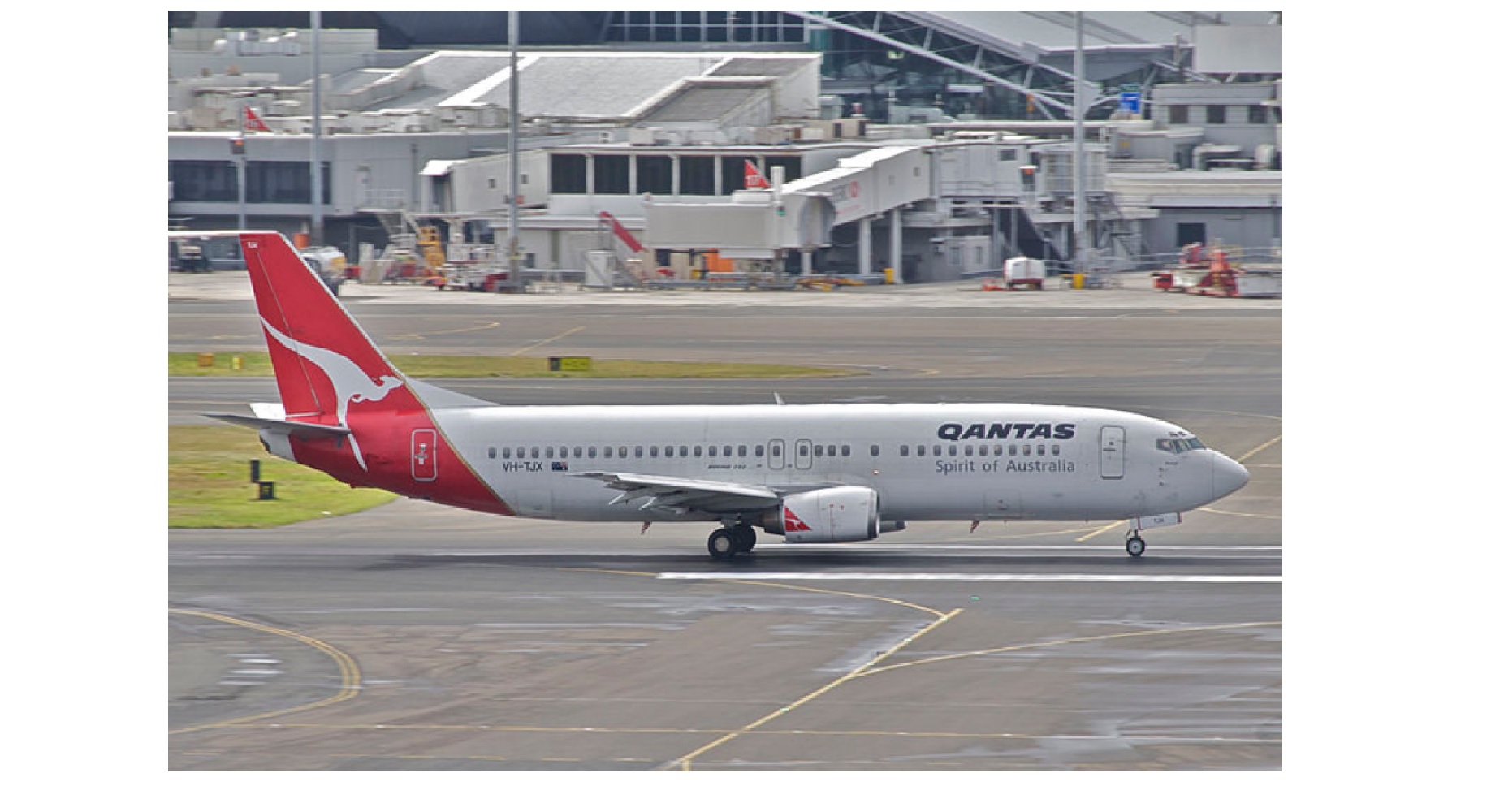
It was the latter part of July when Nancy Willson Gokey, Monica Johnson, and several other friends first inquired  at the Sonora Travel Service,  about touring the eighteen hundred mile east coast of Australia,  and the island state of Tasmania.  Nancy and Monica arriving at the Sacramento International Airport, their September twenty one day journey having begun.  the two boarding  a United Airlines flight to LAX to embrace a Qantas Airlines 747 for the 7,300 mile non-stop journey to Cairns in Queensland Australia.  A 6:30 arrival at LAX, with a 9:20 departure, both travelers questioning the new experience of the long flight, and somewhat beguiled by the time zones and international date line,  leaving California at 9:20 p.m. on the 10th, traveling 22 hours and arriving at Cairns at 6:15 a.m. on the 12th, agreeing September 11th was never played and must have been shuffled back into the deck..

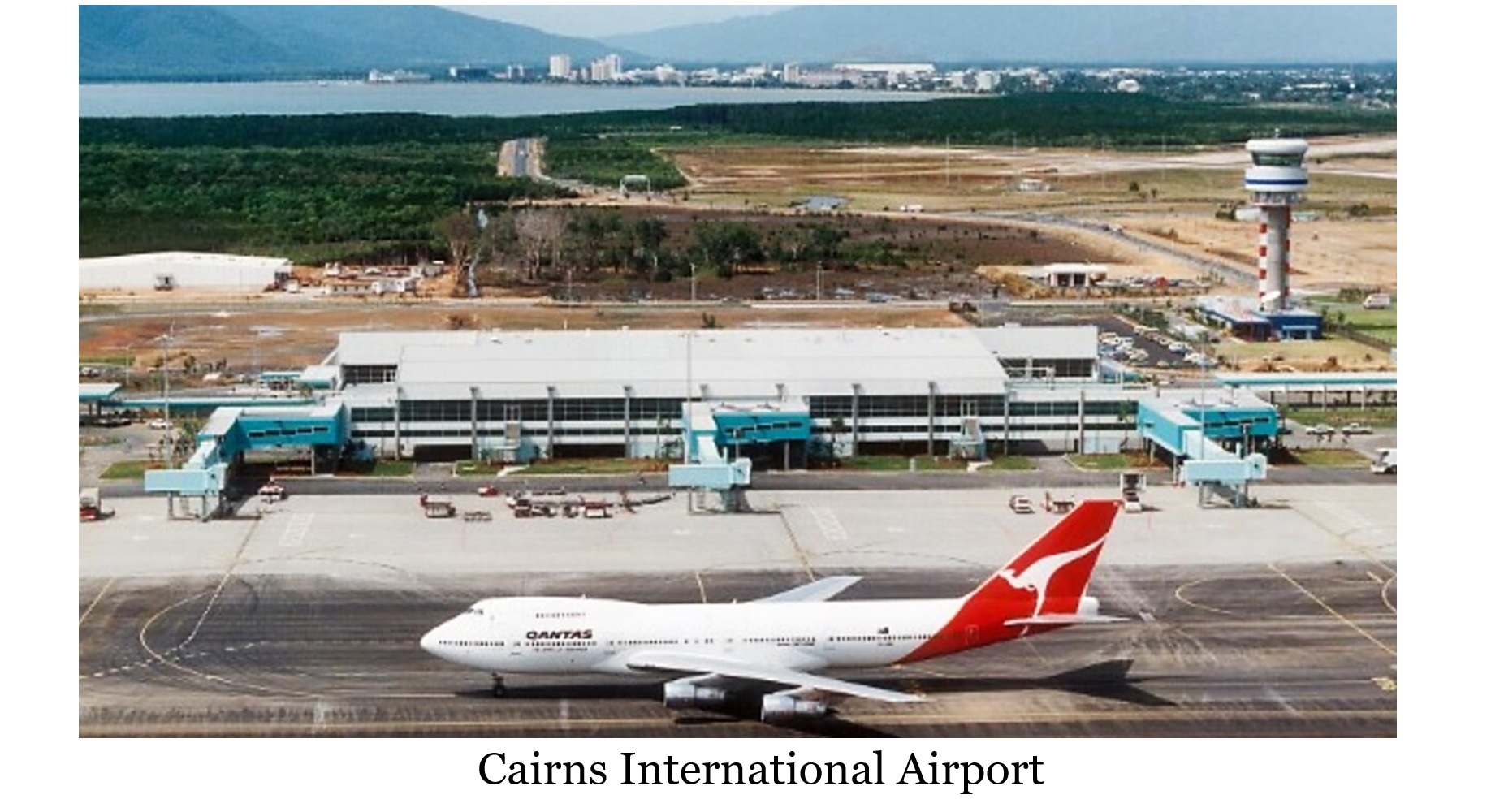
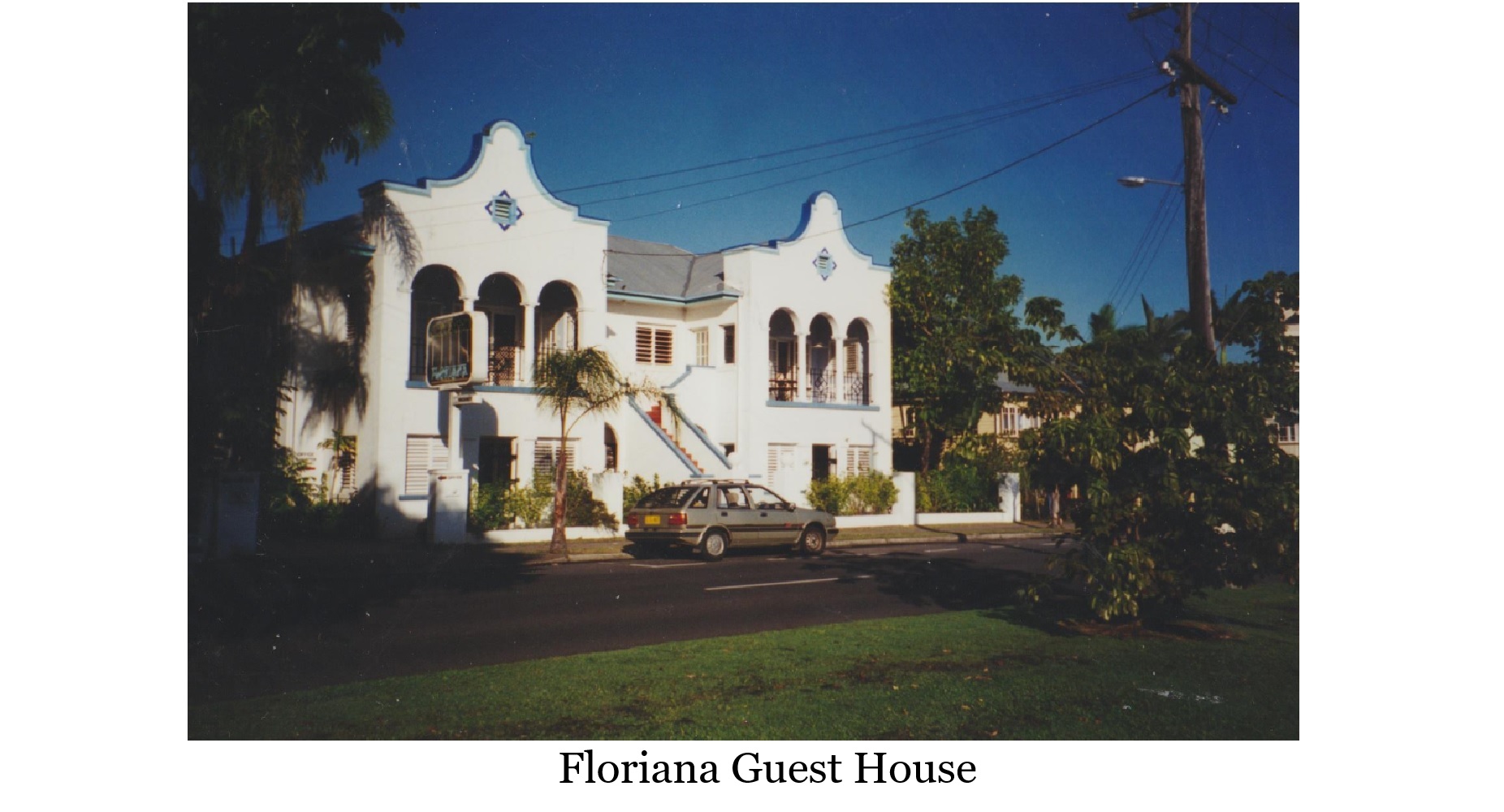
Nancy and Monica enduring the relatively long flight confinement with forbearance,  in anticipation of their venture.  It was welcome, the pilot with an Australian accent, announcing  their decent to the Cairns International Airport.  Debarking, the two travelers joining the flight  arrivals at the passport control station.    Cairns was situated between the Coral Sea and the Rainforest Mountains,  a city of 70,000, and was noted as  the commercial center of the east coast.  A representative of the tour company having arrived,  providing transportation to the Floriana Guest House, their residence for their stay in Cairns.   Experiencing the throes of jet lag, little sleep and an early wake up call for their sea adventure,  a day long Quicksilver snorkeling cruise to the great barrier reef,  deciding to curtail any extensive exploration of Cairns.

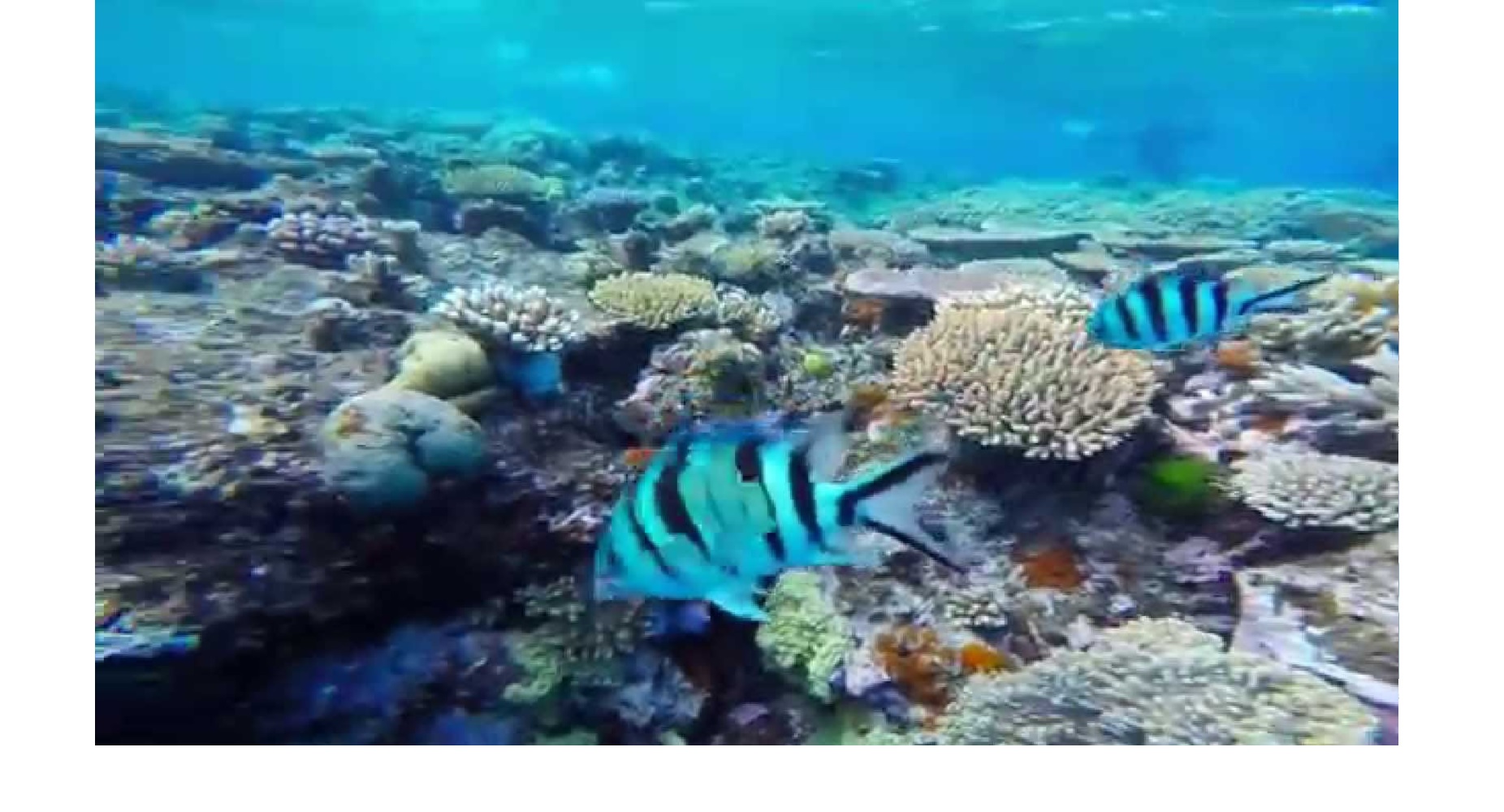
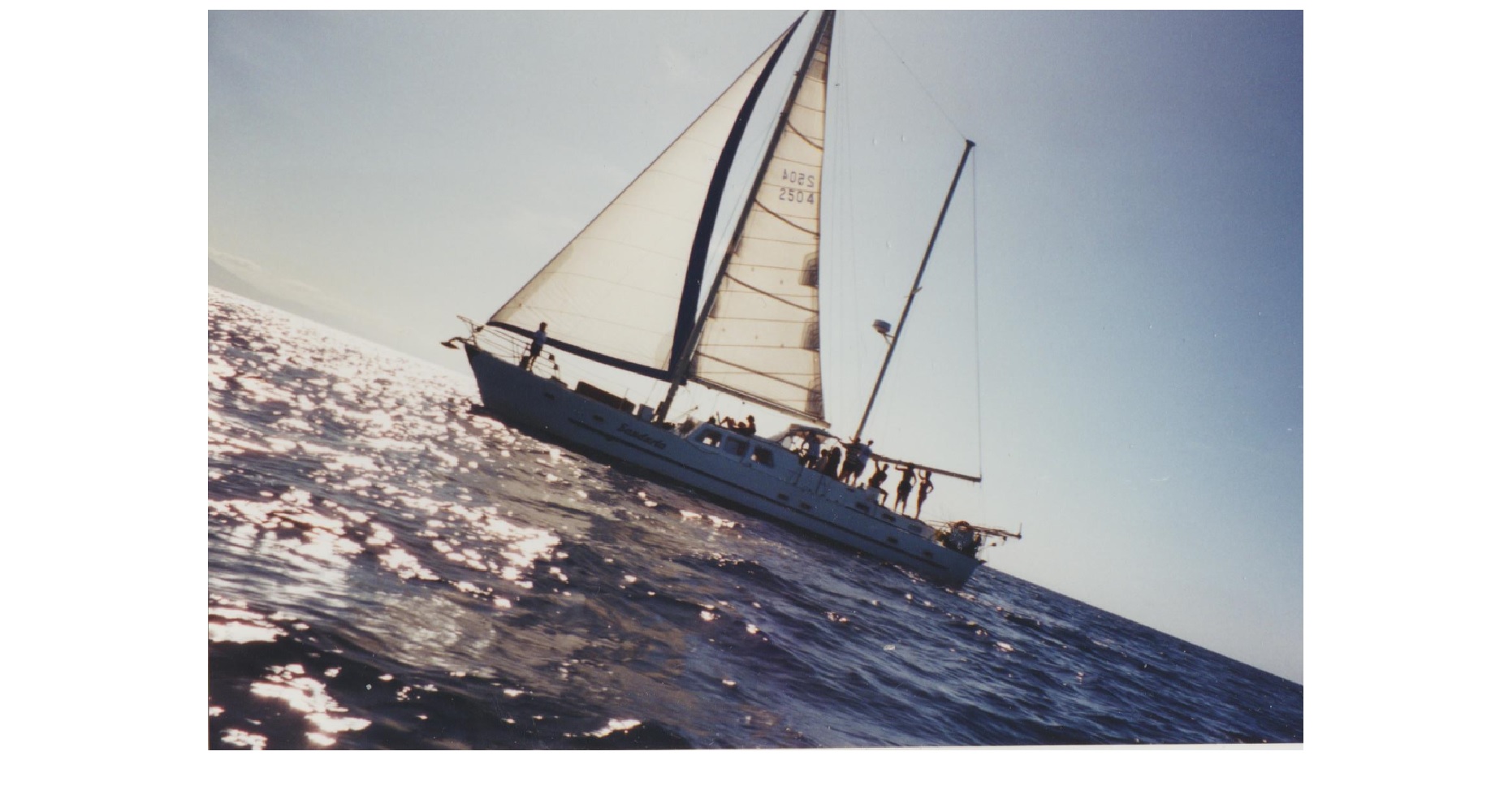
The early morning departure found the adventurers boarding the Sandurio,  a 62 foot, 2 mast ketch at the Marlin Marina,  located a short distance from their Floriana abode.  Others joining as they embarked on Quicksilver’s outer edge of the great barrier reef  cruise.  The morning found refreshments and an informative presentation about the great barrier reef by a marine biologist.  The journey taking them to the very edge of Australia’s continental shelf, to the Agincourt Reef, a kaleidoscope of underwater color and brilliance.


The two enjoying a tropical buffet lunch, followed by an instructional course on snorkeling, realizing they weren’t the only ones who had never meant the challenge.  Soon discovering that those with no experienced would not be free lancing in their underwater endeavor,  a flotation device would limit their underwater depth.  The new great barrier divers,  in addition to  their snorkeling view, were able to get an up close view of the underwater world from Quicksilvers underwater observation platform, discovering,   several other touring enterprises provided underwater great barrier reef viewing platforms.  On their return, the  gentle swells of the coral sea provided a solace of satisfaction, their introduction to Australia, five stars.

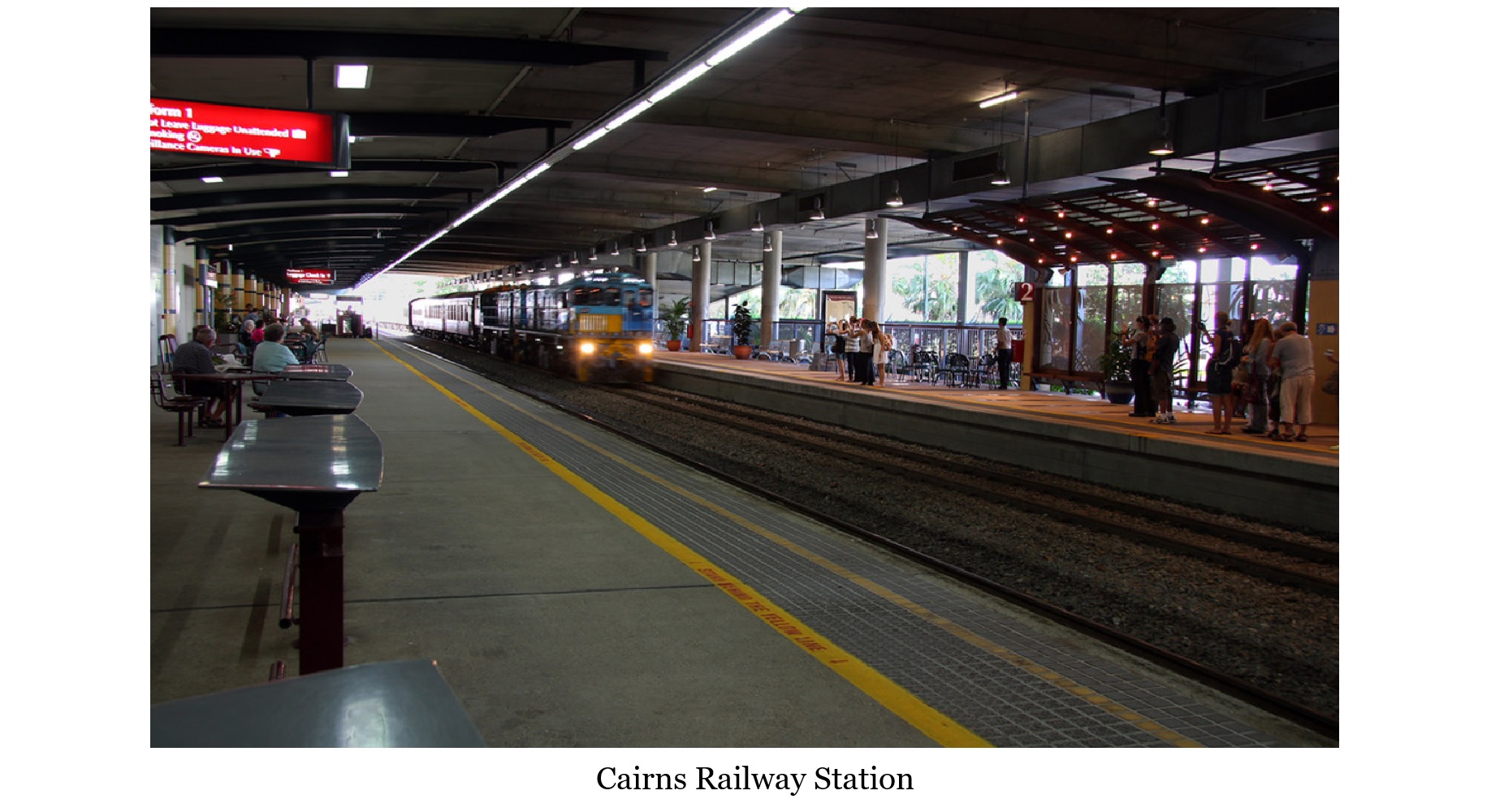
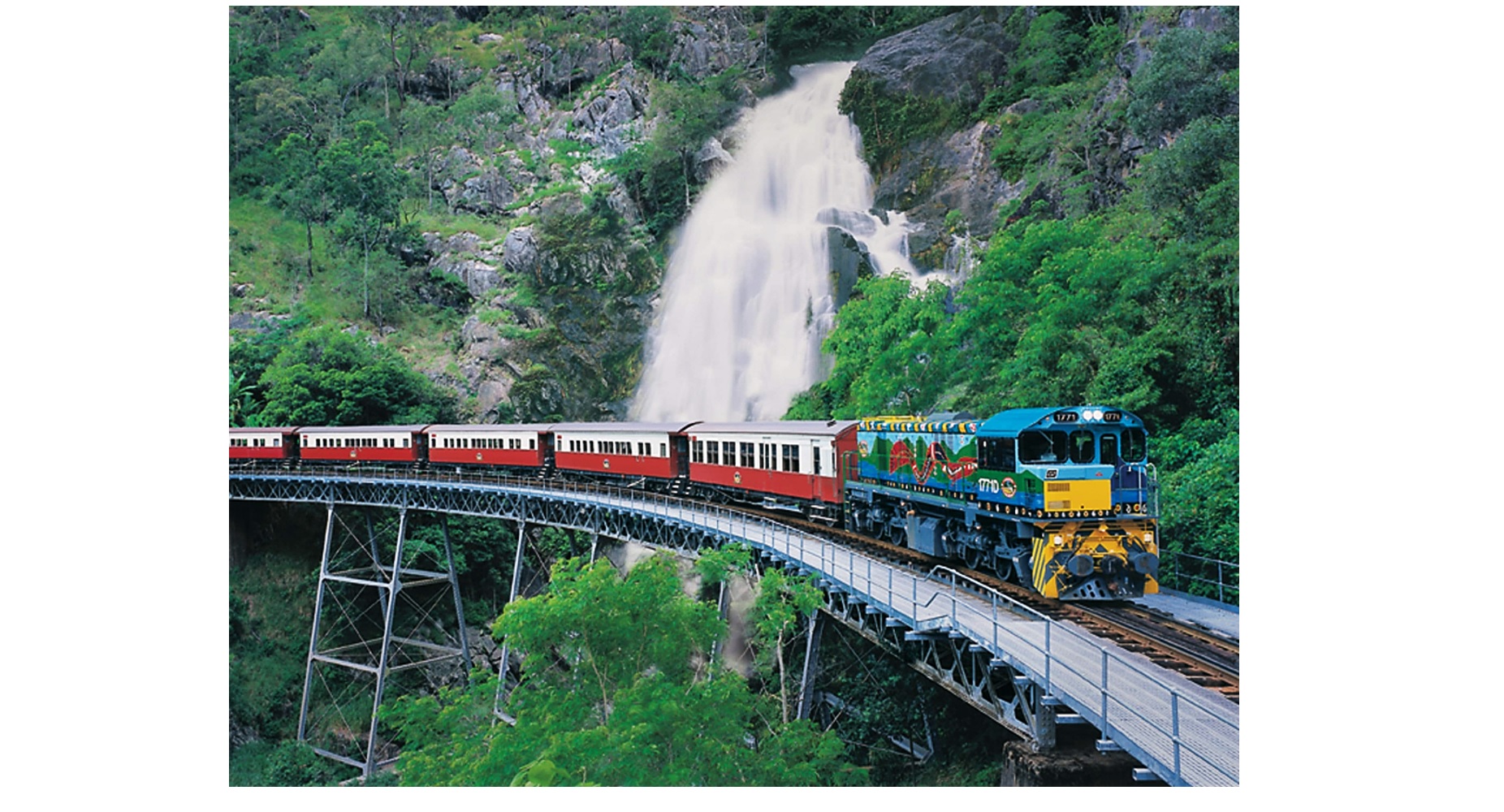
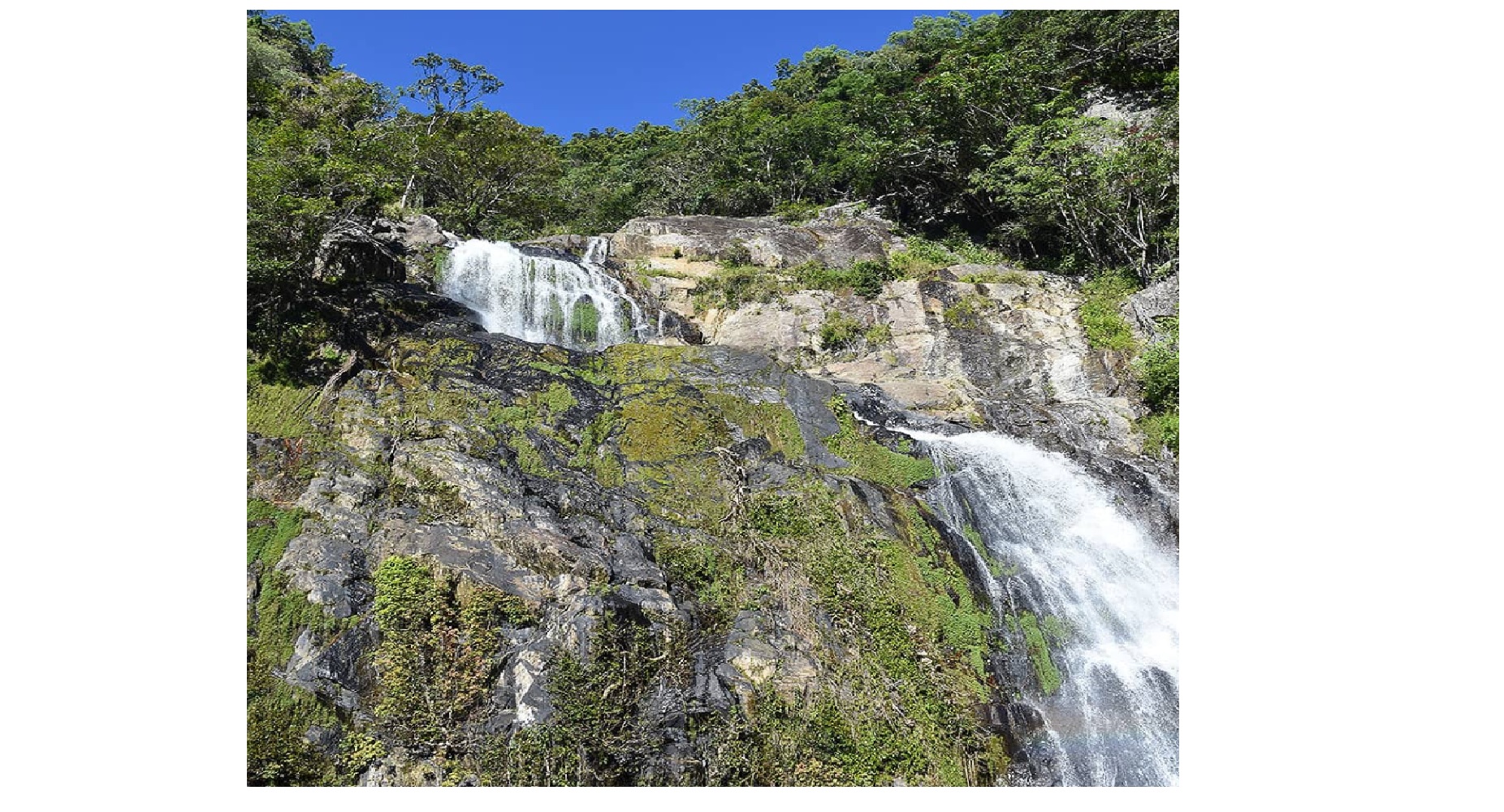
The morning found Nancy and Monica arriving at the Cairns central train station for the 8 30 departure of the scenic Kuranda Railway Tour.  A brief wayside stop at Freshwater found additional tour groups boarding.   The two experiencing the viewing comfort of the carriage cars, their  two hour journey to Kuranda  encompassing the crossing of 37 bridges,  the train slowing to view the Stoney Creek Falls Bridge,  being one of the most photographed bridges in Australia because of its structure and  the spectacular beauty of its location.   It’s concrete foundations on which the wrought iron trestles are mounted was started in 1887 and  is one of only two Queensland railway bridges constructed with wrought iron trestles.  Their railway journey passing through 10 hand carved tunnels as they continue to view the scenic splendor of numerous waterfalls that frequented the surroundings.  A non-station stop was enhanced, enabling those aboard to absorb the breath-taking steep tiered Barren Gorge, with its cascading falls of the cresting Barren river descending from the Atherton Tablelands that bordered the majestic rainforest.

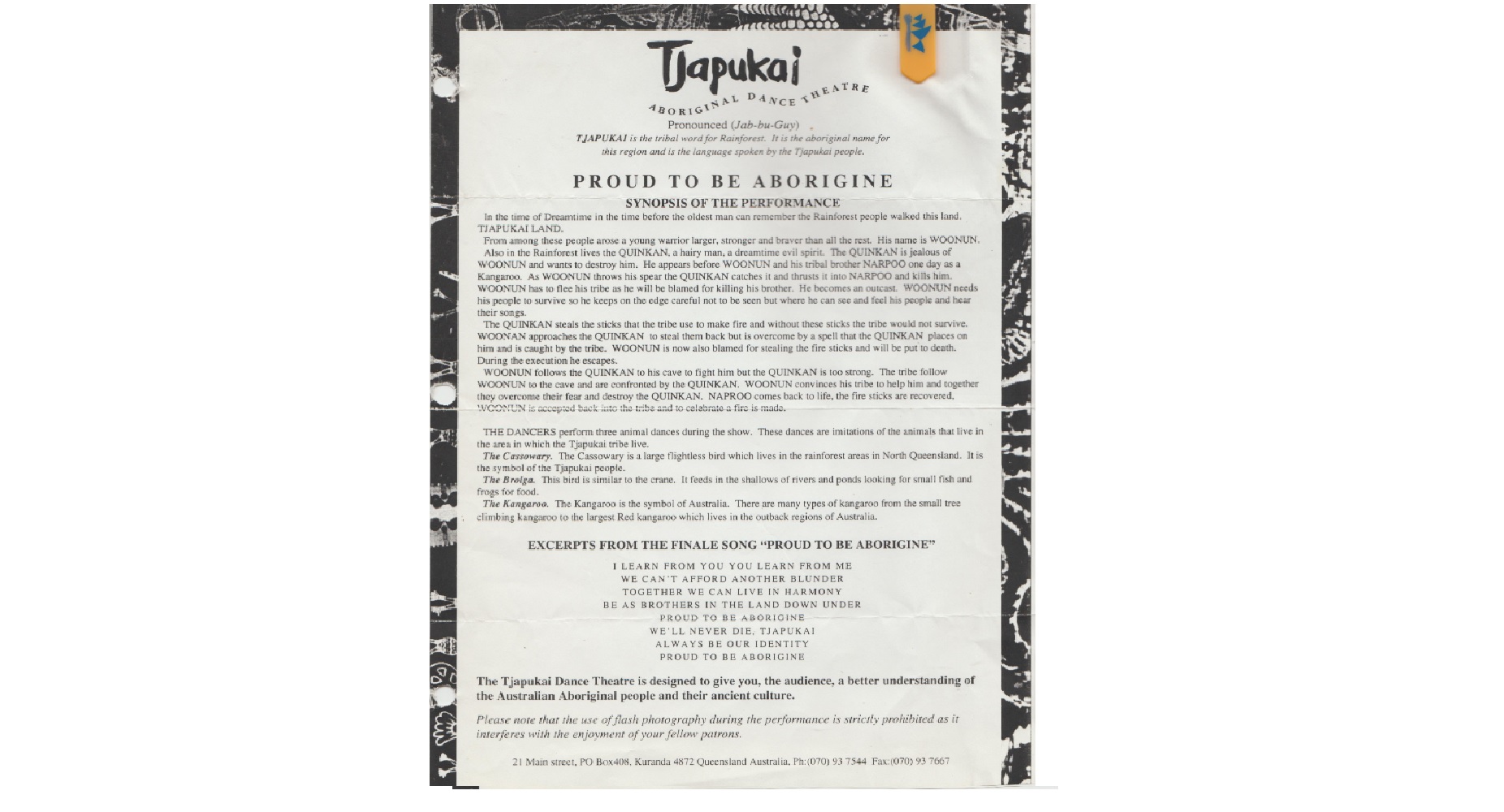
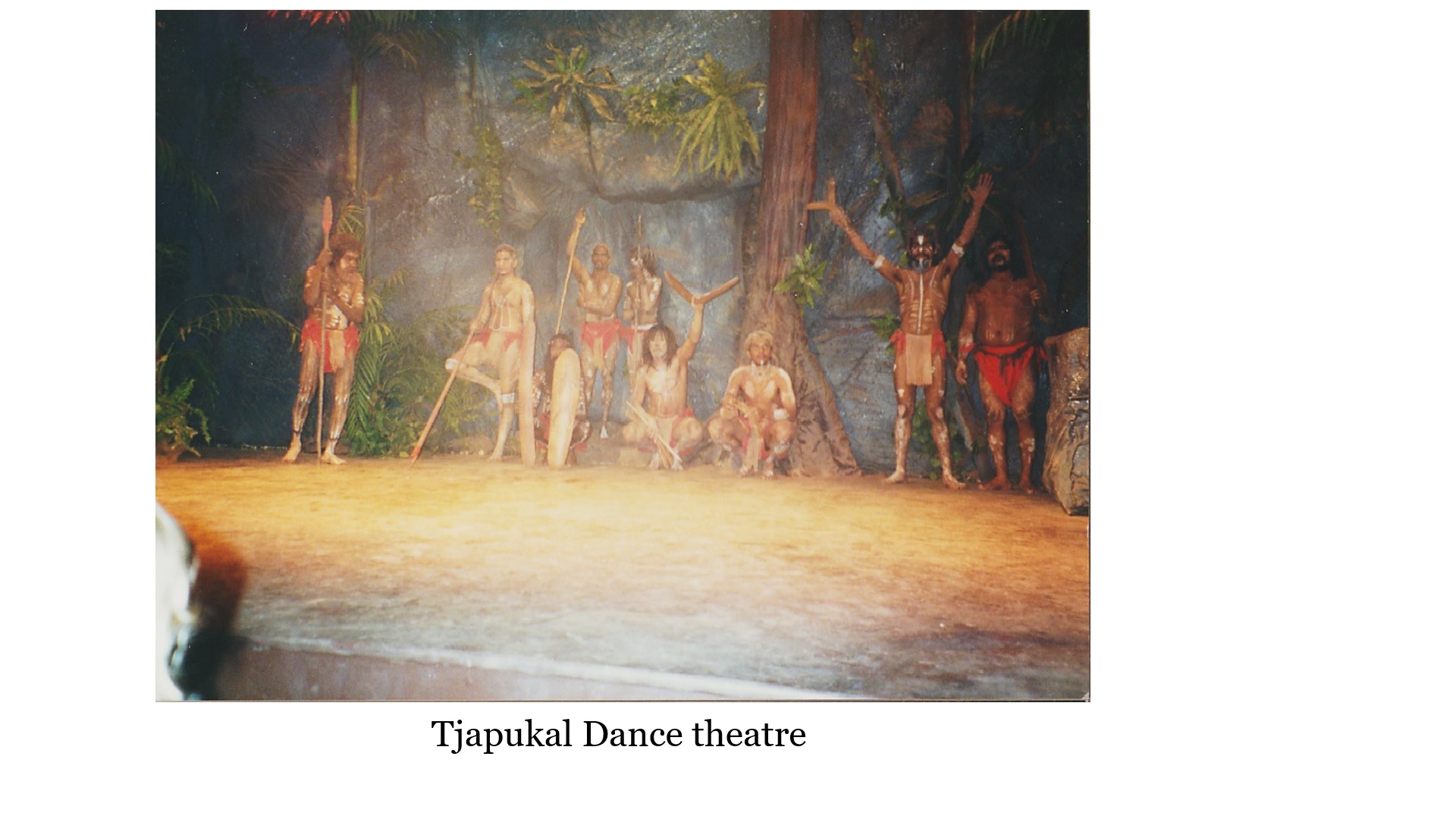
Arriving at Kuranda Station, world renowned for its tropical gardens and historic significance,  noted as one of the most photographed railway stations in the world. Departing the train, the two finding the station but a short walk into town, visiting the   art galleries and ethnic Aboriginal crafts displays.   After lunch a scenic rainforest walk before  returning to Cairns,  their day still having more to come,  attending a tour scheduled Night Fire Show at the Tjapukal Dance theatre, in the Abor Tjapukai’s Aboriginal Cultural Park, six miles northeast of Cairns.  The two experience meeting the Bama, the Indigenous rainforest people, taking  you on   a historical journey, telling of actual events passed down through dance and music, with the haunting sounds of the aborigine didgeridoo, a 1000 year old conical instrument. The fire dance presentation  highlighting the their use of fire to open a canopy in the rainforest, enabling a savannah, to increase the number browsing and grazing animals for them to hunt..

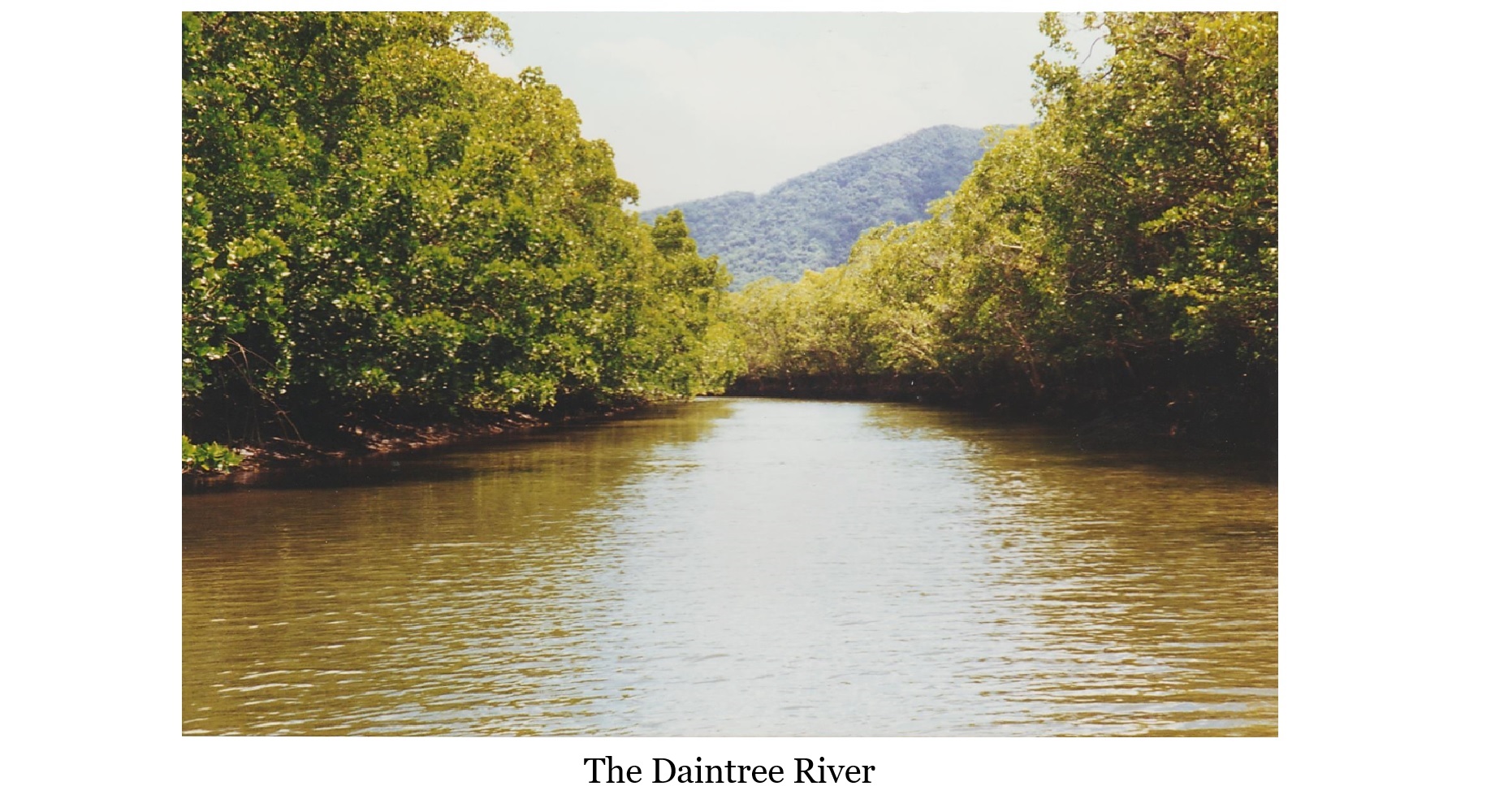
With the dawning of day four , a 7:30 boarding of their transportation found the explorers traveling north viewing the coastline of the Coral Sea,  arriving at Mossman Gorge in the middle of the rainforest.  A bushwalk from the gorge to acquainting the Daintree River for their morning river cruise.   The Daintree River sharing its presence with the realm of 2000 lbs, 17 foot saltwater crocodiles.   The river very much isolated from shoreline rainforest access, no roads or foot trails on it banks, the ten boating occupants viewing the encompassing forage, the pictorial  waterfalls, flora and bird life.  Their scenic river run complete, leaving the Daintree, the group partaking of  grilled barramundi,  tropical salad and fruit lunch.  A brief excursion of  Port Douglas,  then stopping at Harley’s Creek Crocodile Farm,  viewing  the crocks  up close and acquainting the  Australia native emu and cassowaries.      Their Daintree River and Rainforest excursion coming to a conclusion, once again enjoying the views of the breakers of the  coral sea coming ashore as they returned on the coast highway to Cairns..

Another early start, Nancy, Monica and their tour group boarding a 6:00 a.m. Qantas Airlines 7 37 for the 4 hour, 12 hundred  mile flight to Sydney.   Arriving, the two secured transportation at the Sydney airporter,  a hotel, motel shuttle service to their lodging, at the Chateau Sydney,  in pomeroy building.  After lunch, they procured a hop-aboard tour bus,  acquainting them with the city Sidney,  with a stop at a city district known as  the Rocks, an outdoors museum.  The streets, courtyards, and facades, a treasure trove of artistic, architectural, archaeological detail, and  galleries of fine crafts, specialty shops and boutiques.

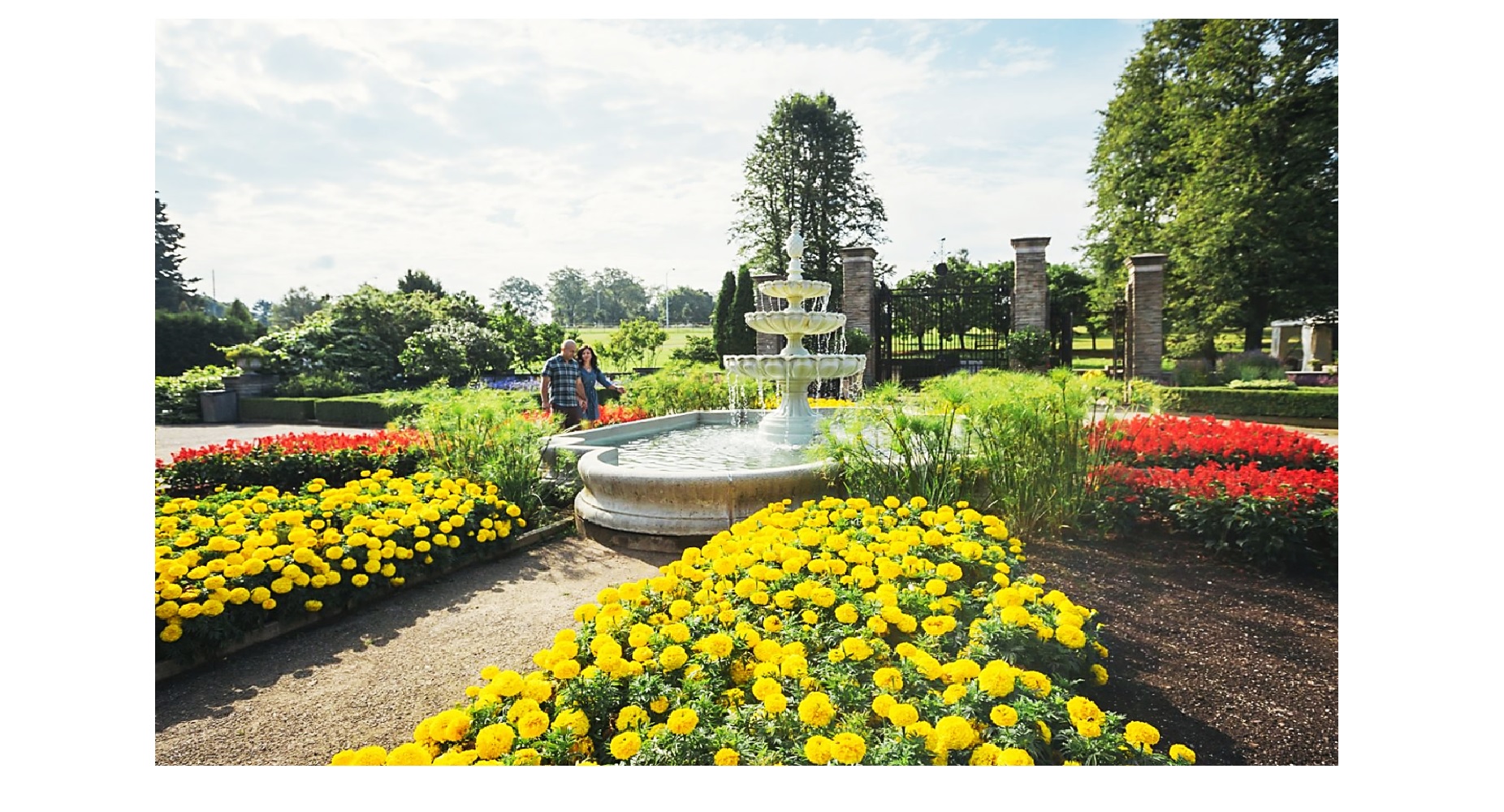
The morning once again found them on a bus seeing more of the city,  with an afternoon  stop at  the Royal Botanical Gardens,   its 72 acres  surrounded by 130 acres of open parkland.   The Garden forms a large natural amphitheater, divided into four major sectors called the Lower gardens, the middle gardens, the palace cardens and the Bennelong precinct.  The Gardens acreage adjacent to the Sydney Opera House grounds, the two later scheduled for a later tour, but deciding to venture to the Drama Theatre,  to take in an afternoon theatre production.


Day three In Sydney found a full tour agenda for the two, starting with the Governors House, the complex construction started in 1837,  including the house, a garden and greenhouse, a chalet with courtyards,  garages and gatehouse, taking six years to complete.    A visit to another Australian landmark, Paddington and the Town Hall, with its foundation being laid in 1890, the 105 foot clock tower added in 1904.  Their venture continuing to Kings Cross,  colloquially known as The Cross, the area once known for its music halls and grand theatres, but then was transformed during the conclusion of  World War II by the influx of troops returning and visiting from the nearby Garden Island naval base, and remains known as Sydney’s night entertainment, and redlight district. .

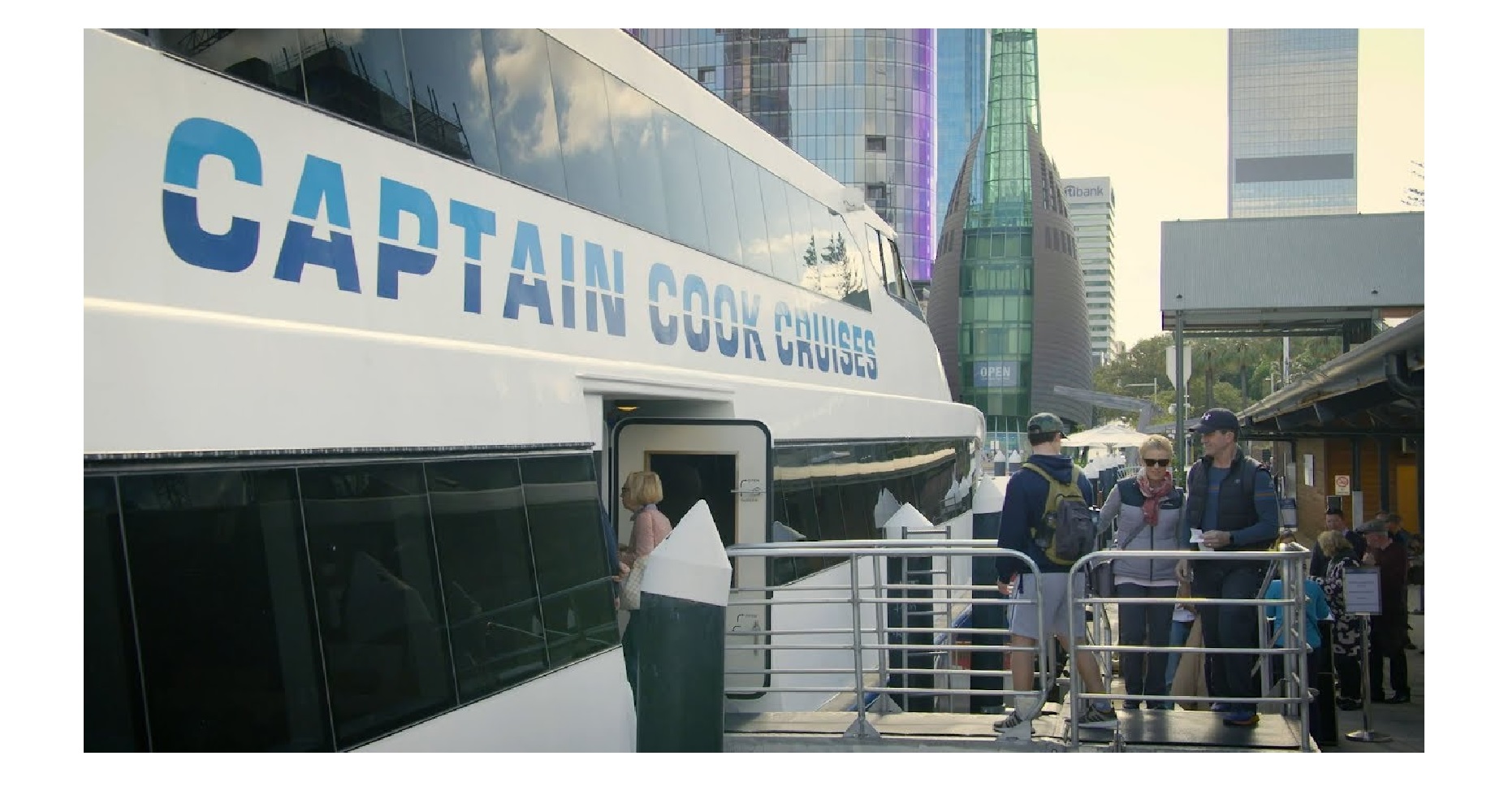
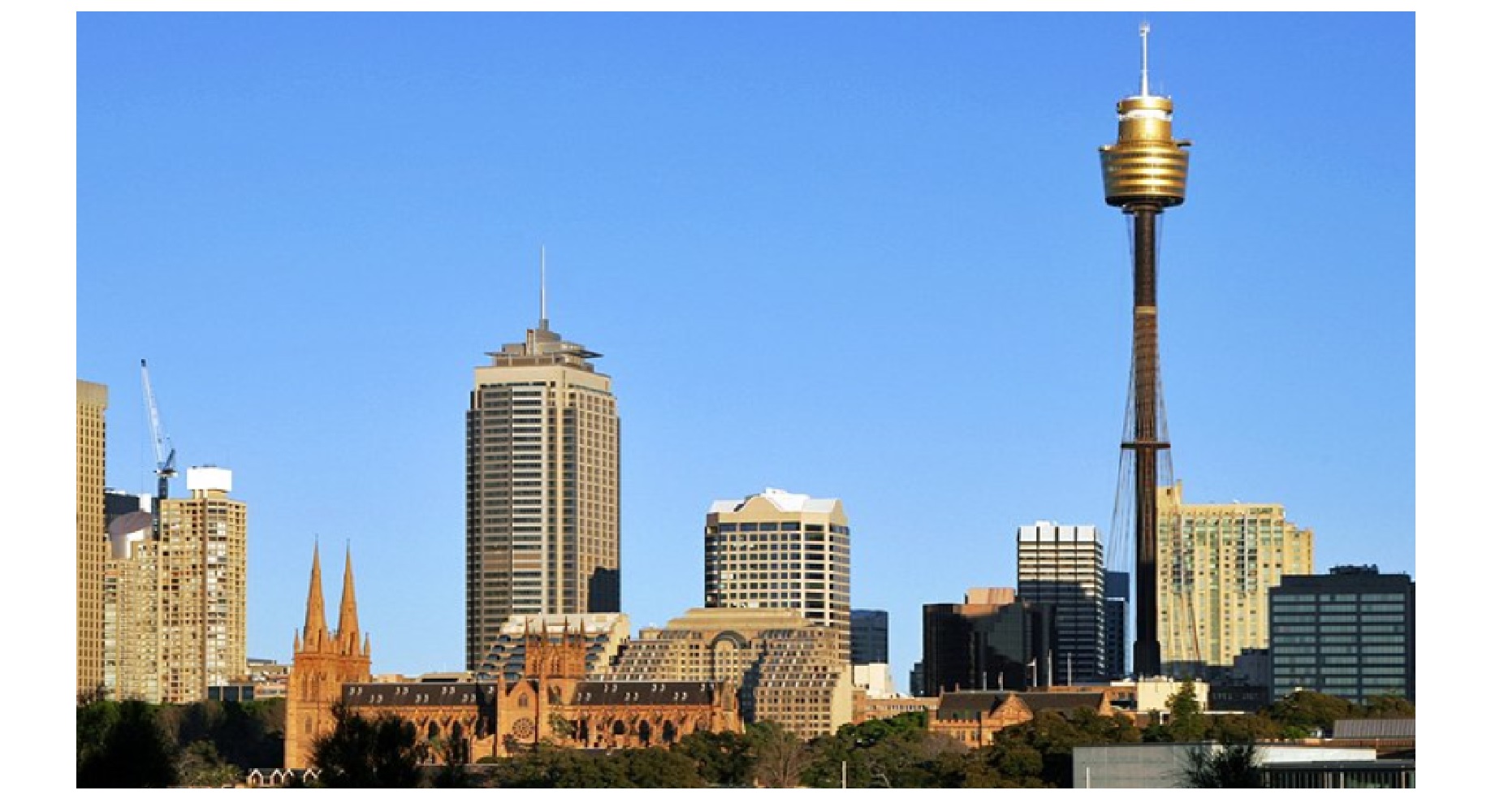
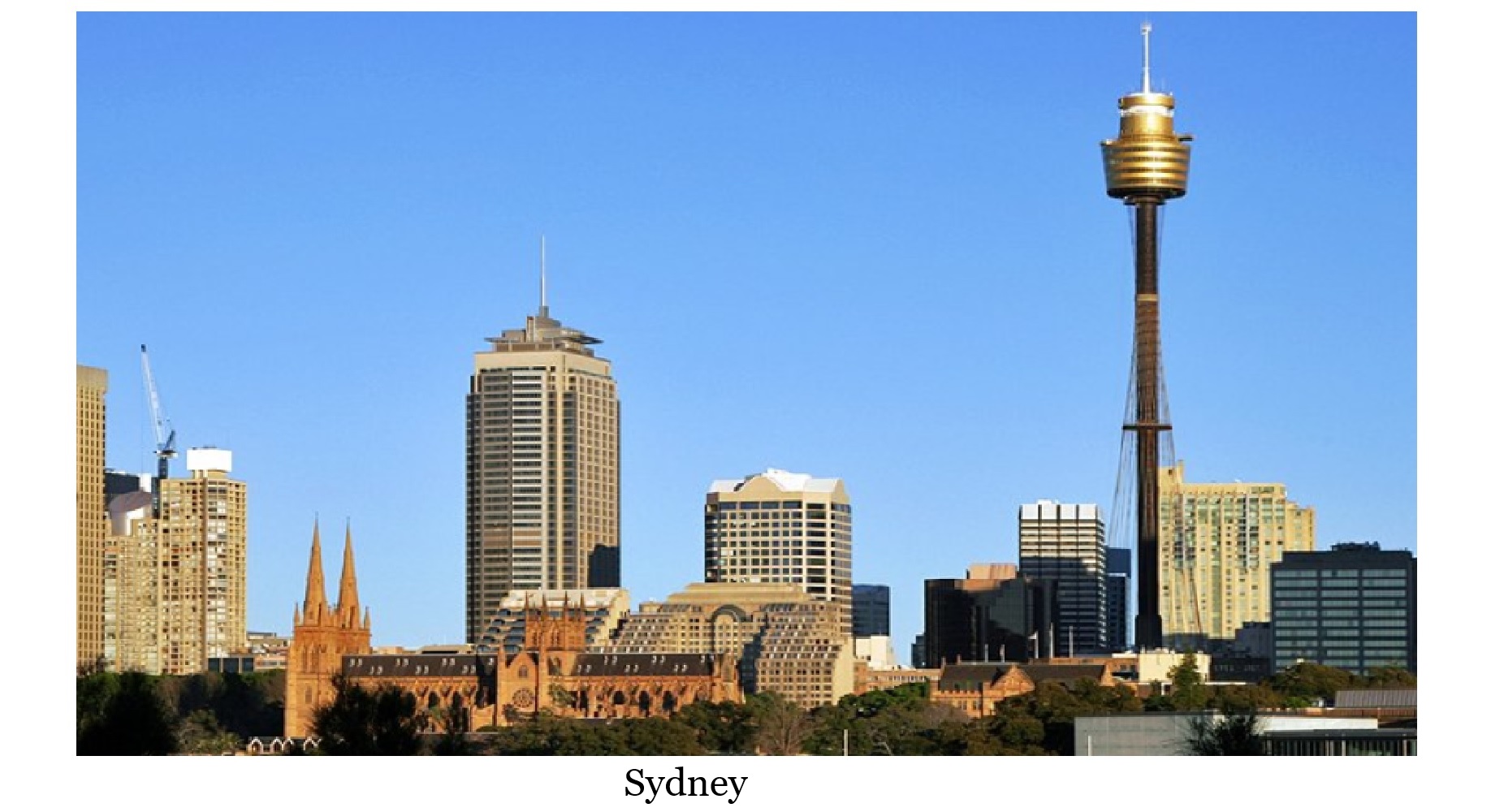
The afternoon found Nancy and Monica enjoying a  Captain Cooks luncheon Cruise, viewing  Sydney’s beautiful skyline,  cruising under the Harbour Bridge, past the Opera House, Fort Denison, an off shore fort built in 1840, and seeing the expansive harbor as the landmarks continue to roll by while  they enjoyed their lunch.  From the harbor cruise, the iconic Sydney Tower beckoned,  the tower a Sydney showcase, completed in 1981,  rising 1014 ft., the cities maximum building height limit of 915 ft. having been set back in the era of pontoon flying boats,  being raised. The two looking forward to the view, taking one of three elevators, it being publicized the emergency exit stairwells had 1504 steps, the equivalent for a 98 story building. Reaching the  observatory level of the tower, finding it somewhat unimpressive, even with a coffee and snack counter and viewing binoculars, but the view was something else.


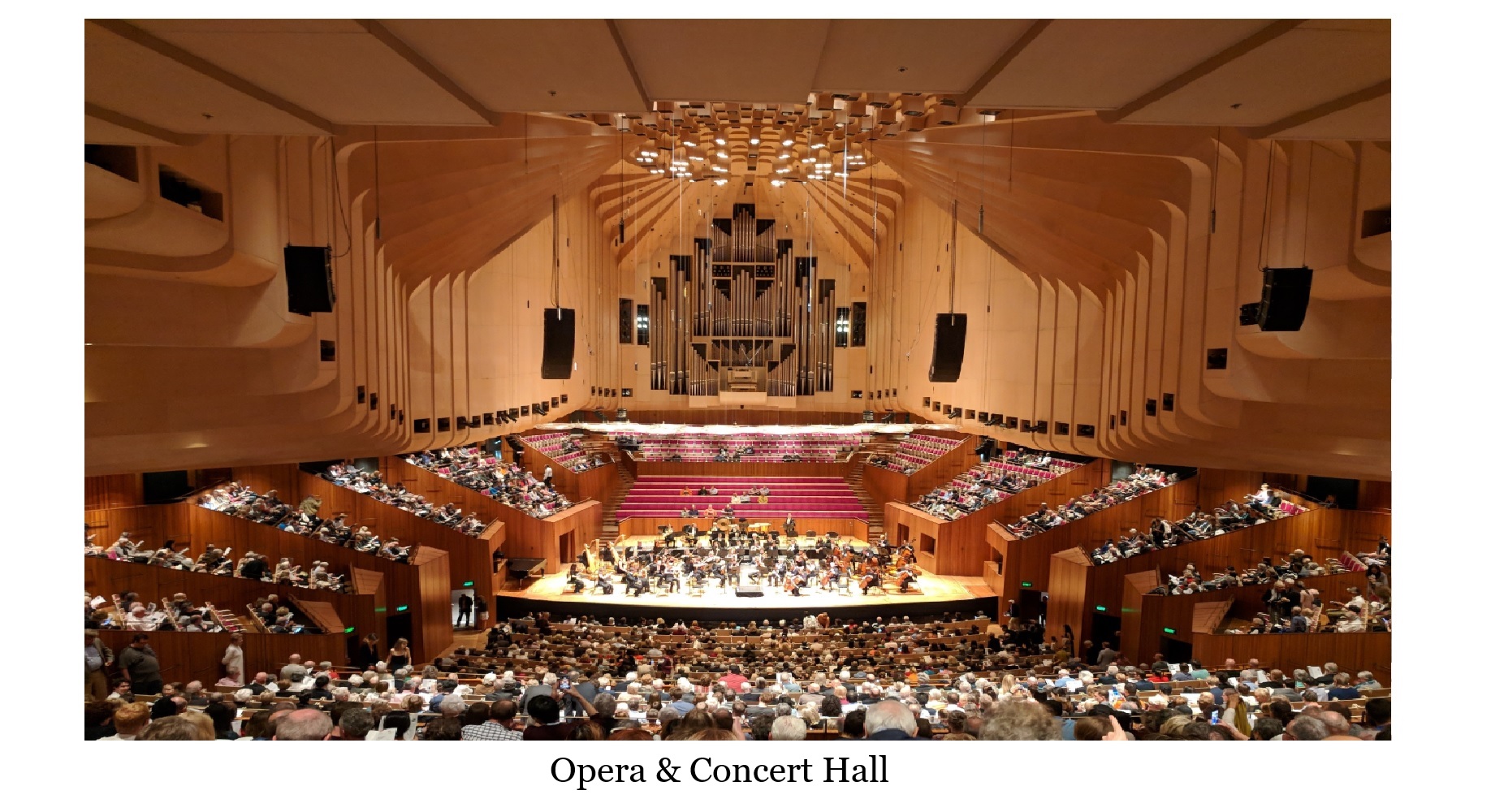
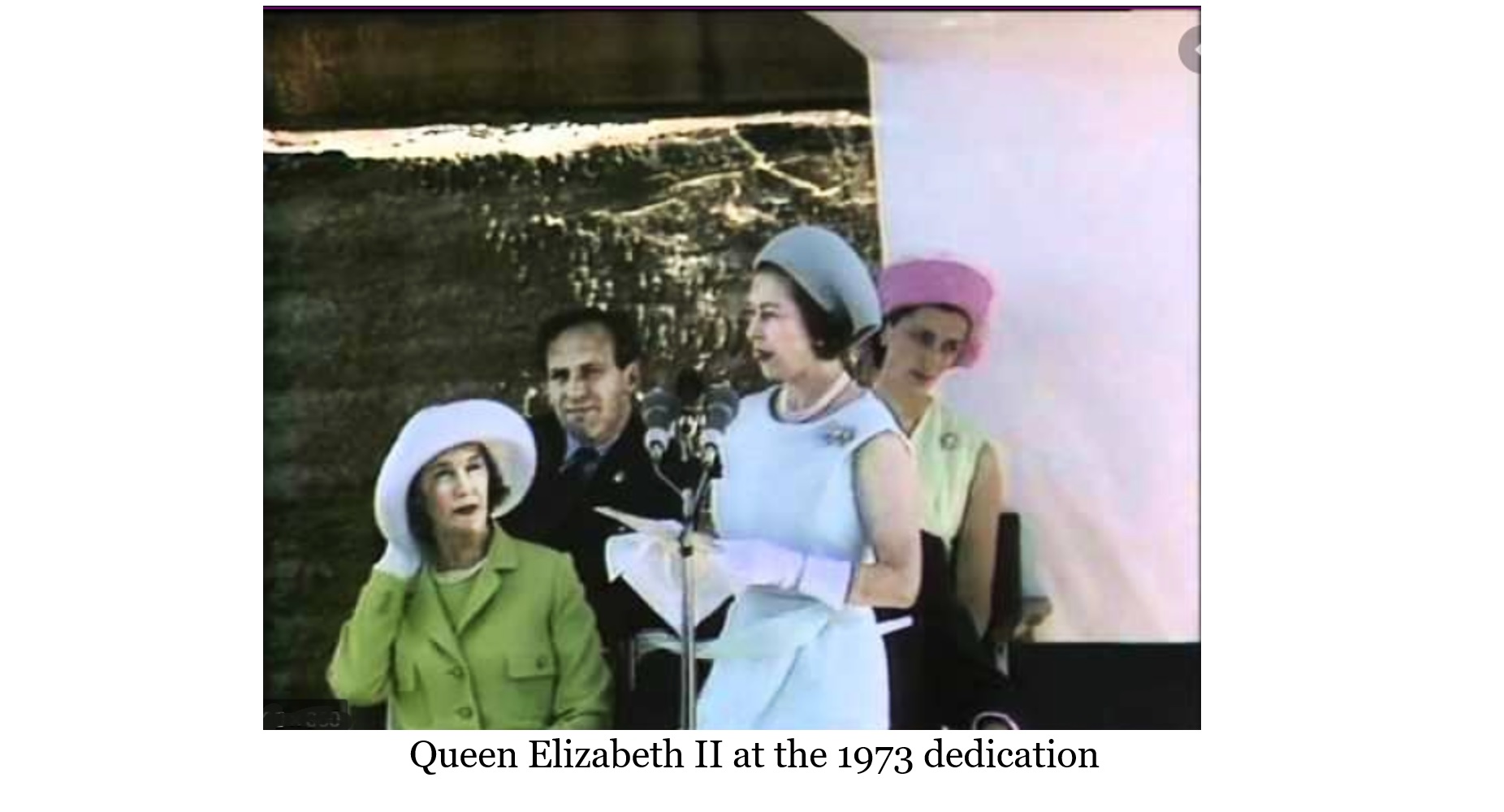
It was the last excursion of the day, a guided tour of the world renown Sidney Opera House, with its 1000 rooms,  concert hall and opera theatre, the Joan Sutherland and  drama theatres, the play house, the studio, and Utzon,  with the outdoor forecourt and north broadwalk,  providing spectacular outdoor performance space.  The complex’s construction began in 1959 in three stages,  and completed in 1973, with Queen Elizabeth the second, at the official opening.   Nancy and Monica amazed at its conception,  an international competition was organized for the design of a performing arts complex that was won by Danish architect Jom Utzan,  to be built on Bennelong Point, the birth place of  the first aborigine to speak english.  Their building tour long and impressive, and with day’s activities fulfilled,  a bigger day instore for tomorrow.

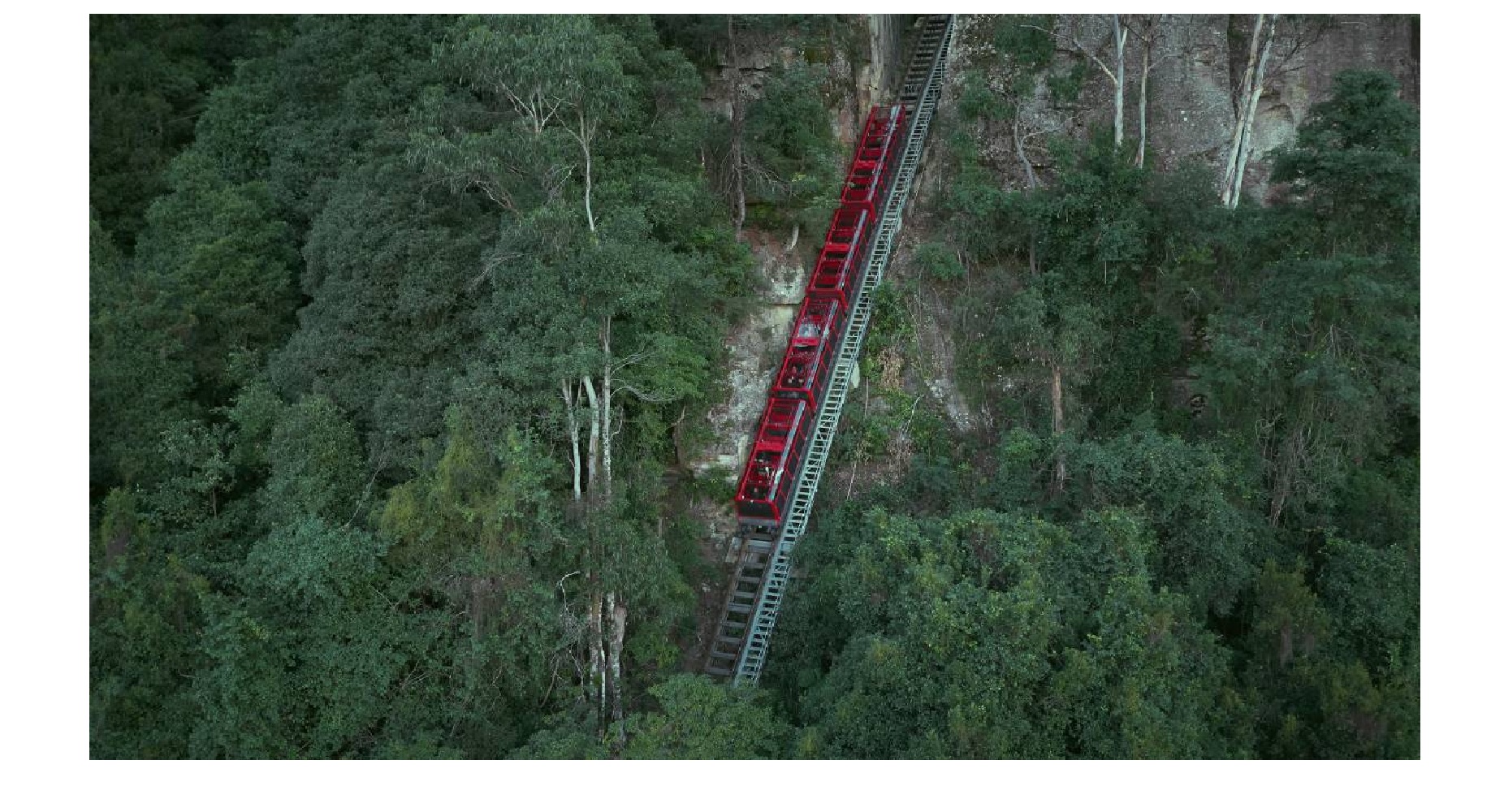
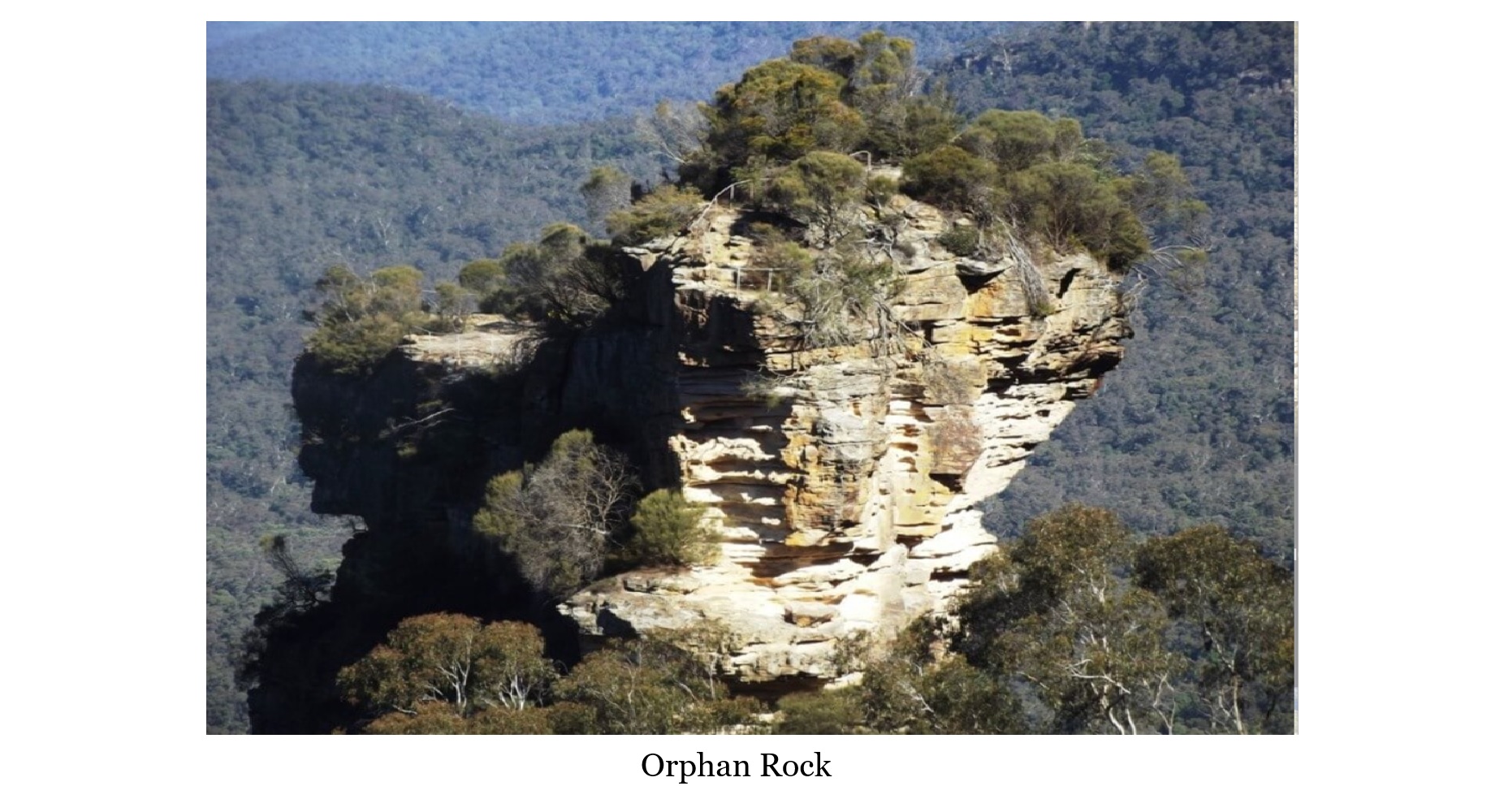
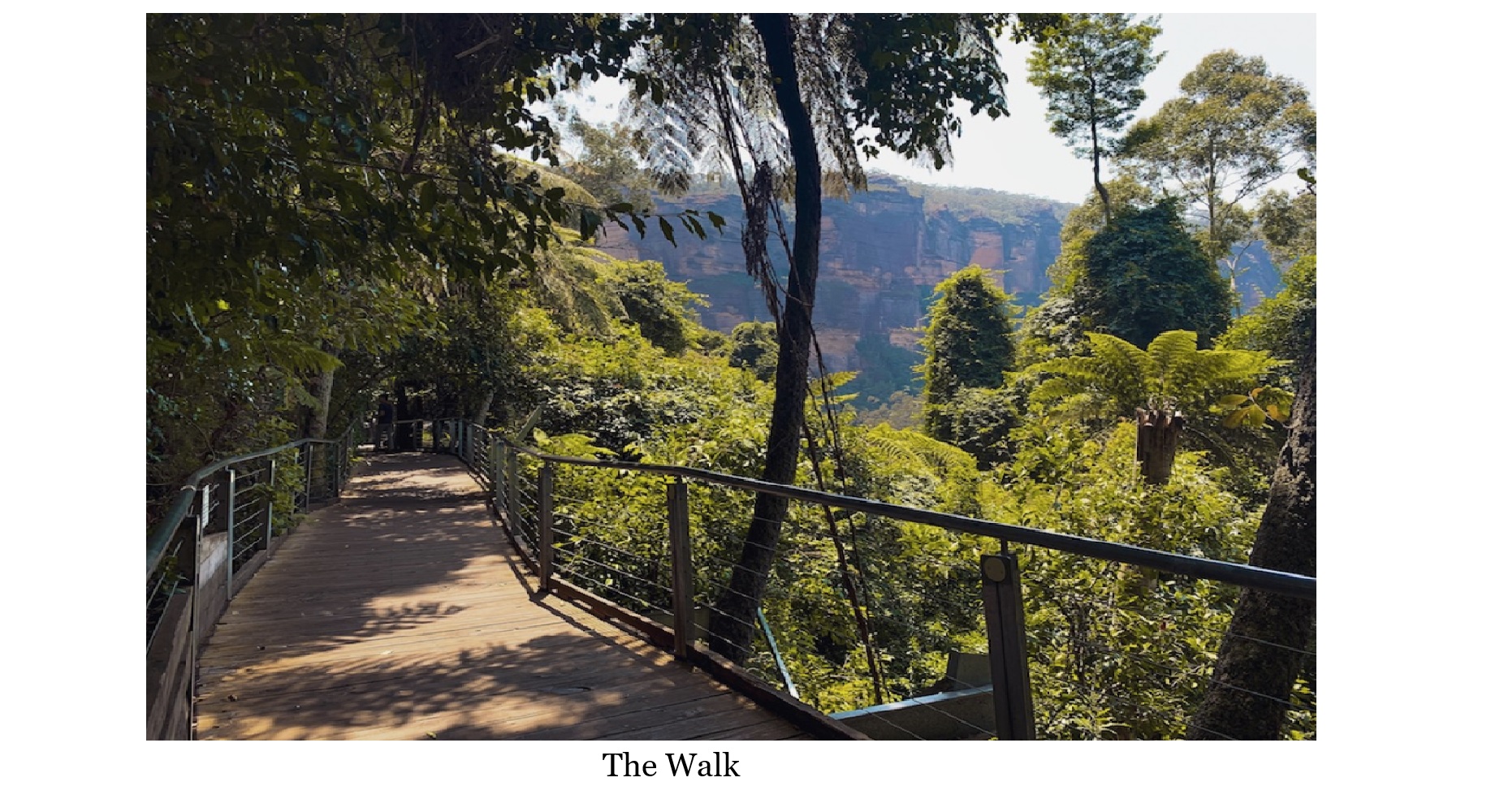
The morning again found the two explorers traveling, this time to the most visited city in the Blue Mountains,  Katoomba and its spectacular surroundings.  Boarding the  Scenic Railway,  the railway built in the late 19th century to serve the Katoomba coal mine, down a 52-degree incline,  the steepest railway incline in the world.  Seated, they continued down the sandstone cliffs,  dipping into a rock tunnel, next to the famous Orphan Rock landmark, and then re-emerging to incredible views of the Blue Mountain surroundings.  At the bottom station Nancy and Monica dismounting, deciding to take the mile and half Scenic Walkway back through the Jamison Valley rainforest.

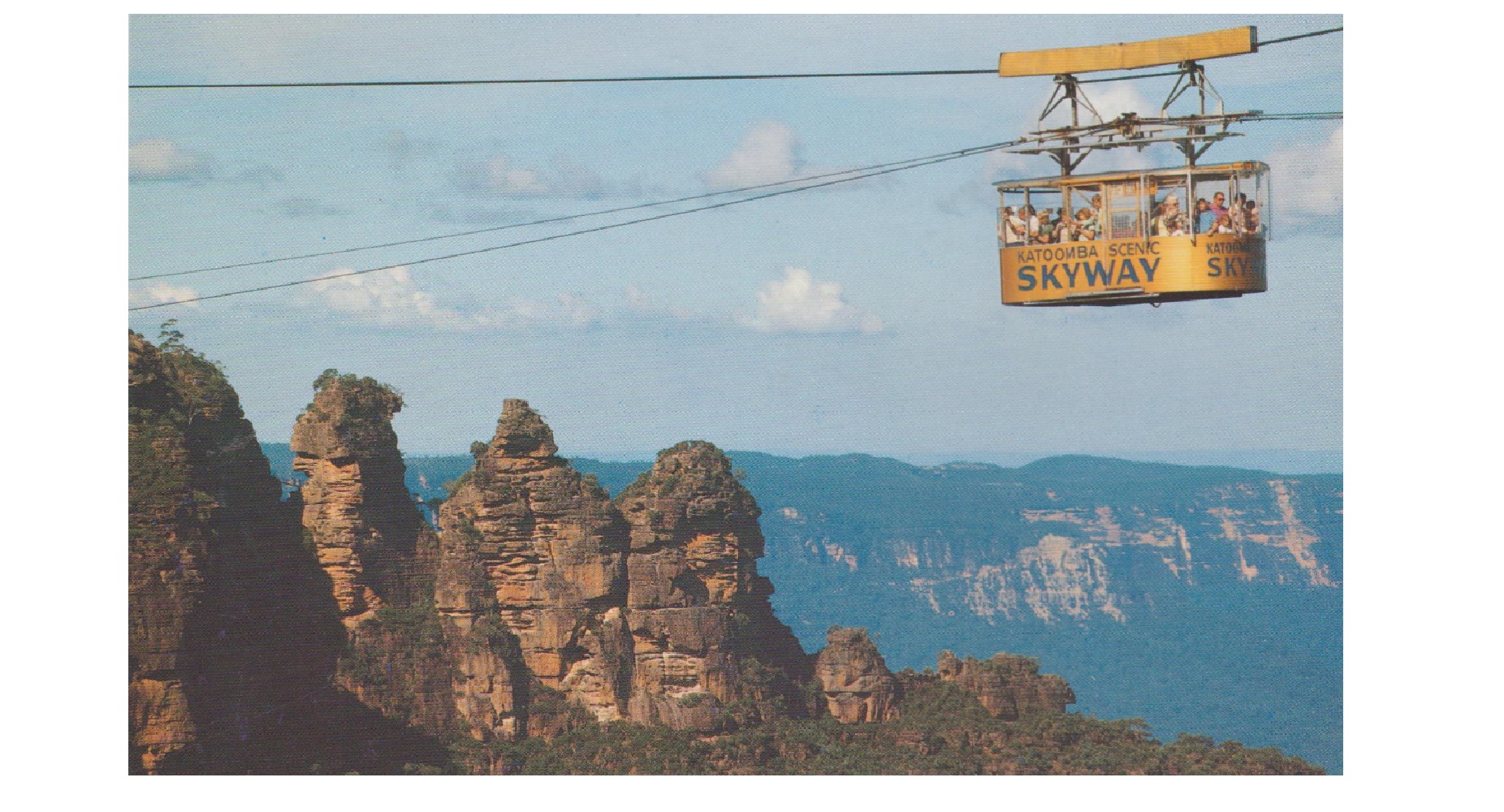
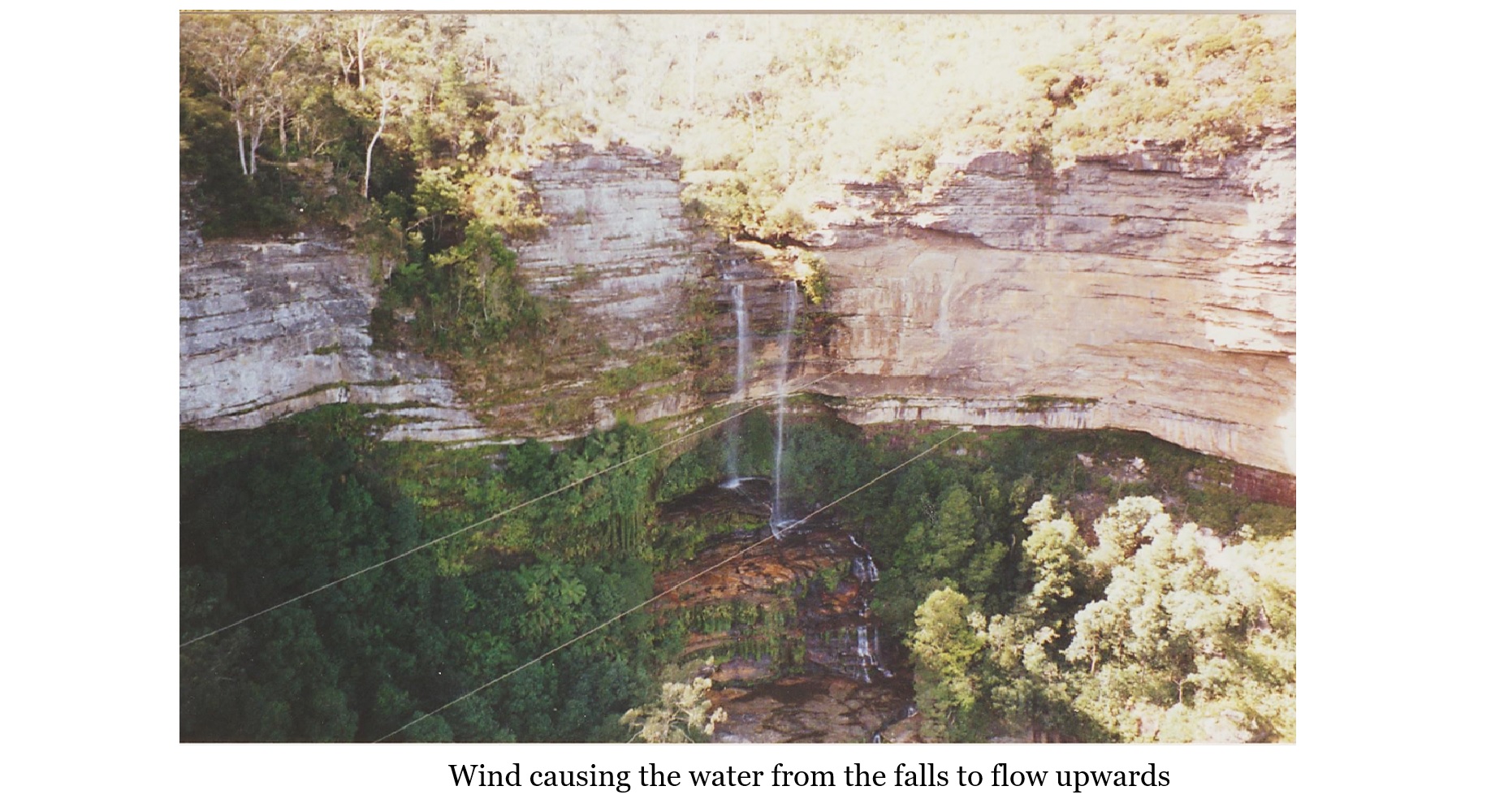
Returning to Scenic World, the two deciding to venture on the Scenic skyway, a large gondola suspended 885 feet above the bushland, the car with its many passengers  gliding between the clifftops, a 4 mile journey gazing over the treetop canopy of the val lee below. The two viewing Cahill Lookout, Katoomba falls, traveling by the famous Thee Sisters and experiencing, the scenic wonders of the Blue Mountains.

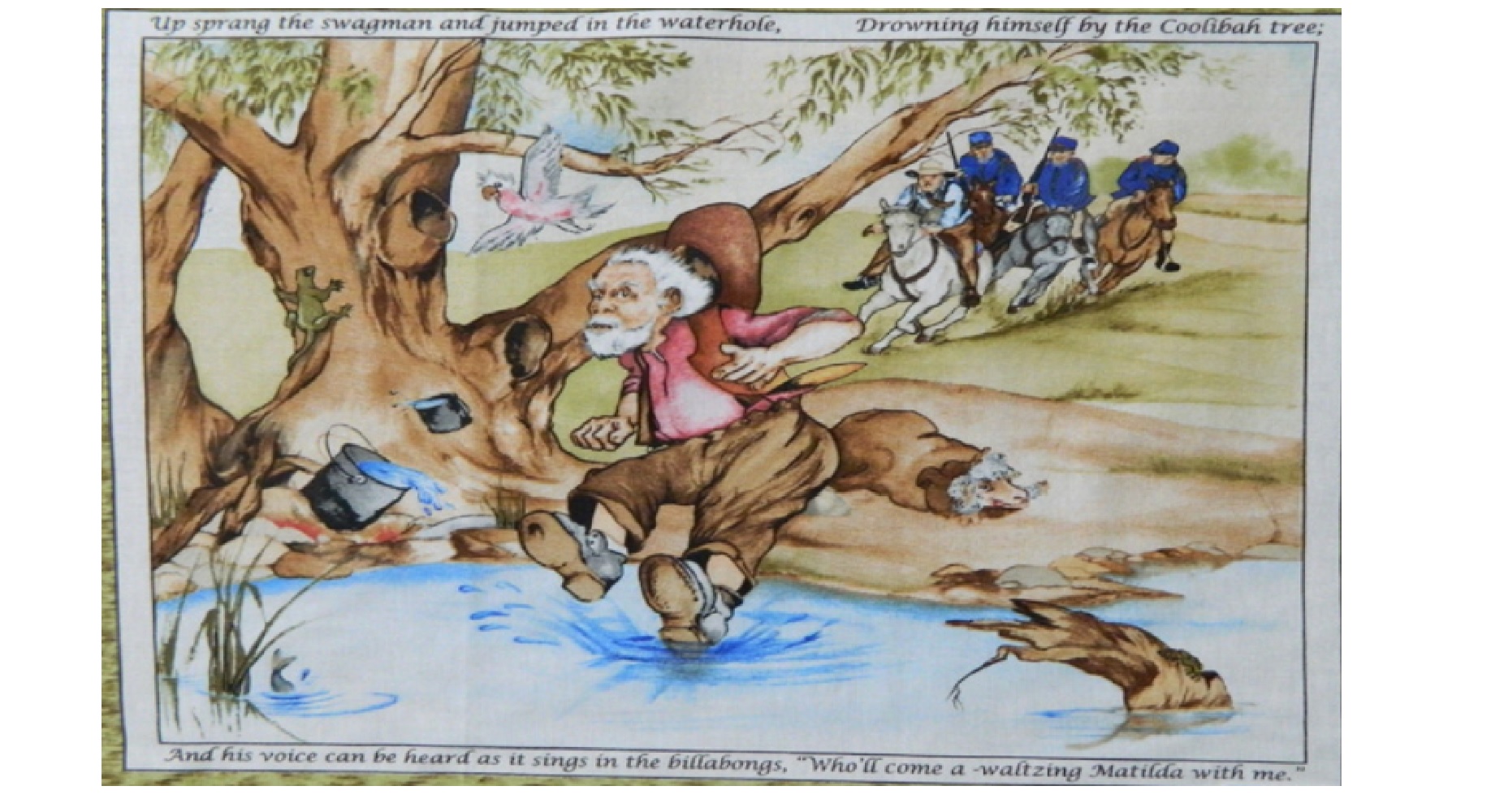
Returning back to Sidney, the evening was not on entertaining but educational, the two attending The Jolly Swagman Show Dinner Show.  “Waltzing Matilda” being Australia’s best-known bush ballad, and described as the country’s “unofficial national anthem” . The two learning the title was Australian slang for travelling on foot (waltzing) with one’s belongings in a “Matilda” (swag) slung over one’s back.  The song narrates the story of an itinerant worker, or “swagman”, making a drink of billy tea at a bush camp and capturing a stray jumbuck (sheep) to eat.When the jumbuck’s owner, a squatter,  landowner, and three troopers , mounted policemen,  pursue the swagman for theft, he declares “You’ll never catch me alive!” and commits suicide by drowning himself in a nearby billabong, a watering hole,   after which his ghost haunts the site.  The translation of words in the Australian colloquialism bringing meaning to the song.  The two enjoying the dinner show, the performer having dressed appropriately in hat with corks, bowyangs and worn out boots.   the swagman throwing down his swag and billy can, spinning his yarns with songs, poems and folklore.  the hour long show an unforgettable experience.


It was their last night in Sydney,  The morning found members of the touring group joining Nancy and Monica in a renting a van, continuing their tour itinerary schedule trekking north.


Nancy’s 1994 Australian Quest Pt. 2

October 4, 2015

Nancy Willson Gokey,  and Monica Johnson , having explored the historic and scenic wonders from Cairns and Sidney, continuing  their Australian tour.  Renting a van and exiting the captivating city of Sidney, the two, accompanied  by other members of their tour group, ventured north on motorway 1, known as the Pacific Highway.

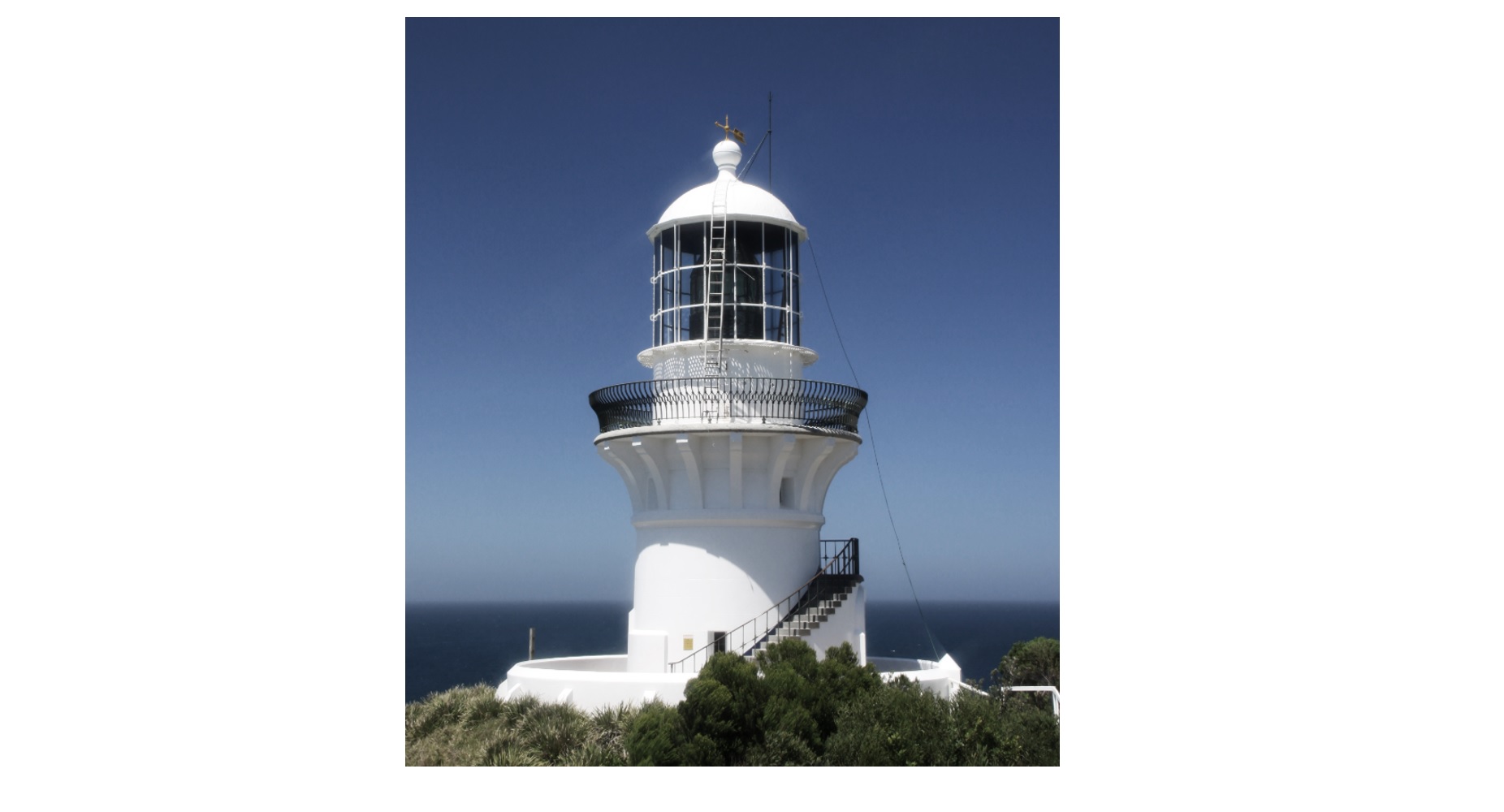
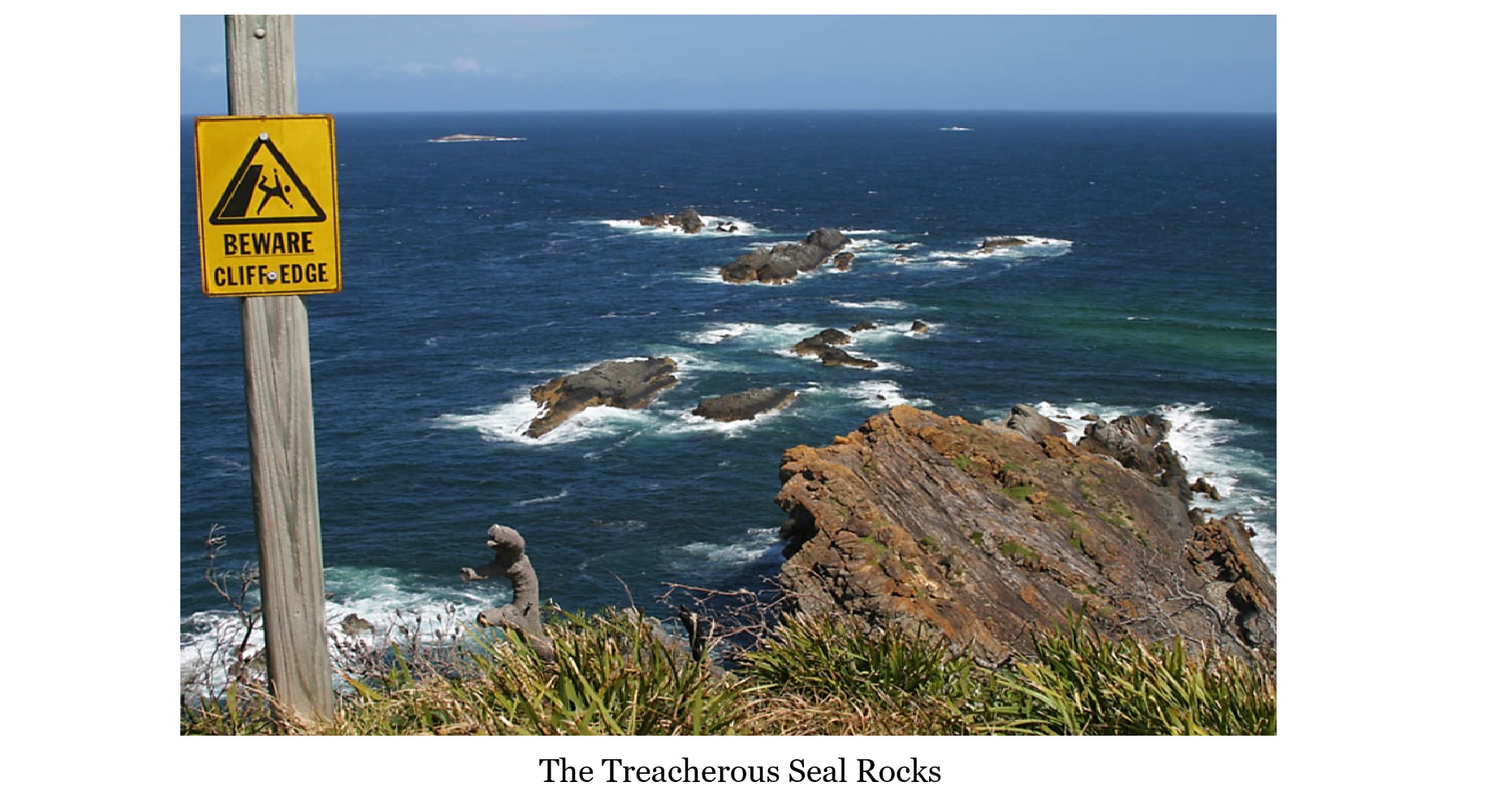
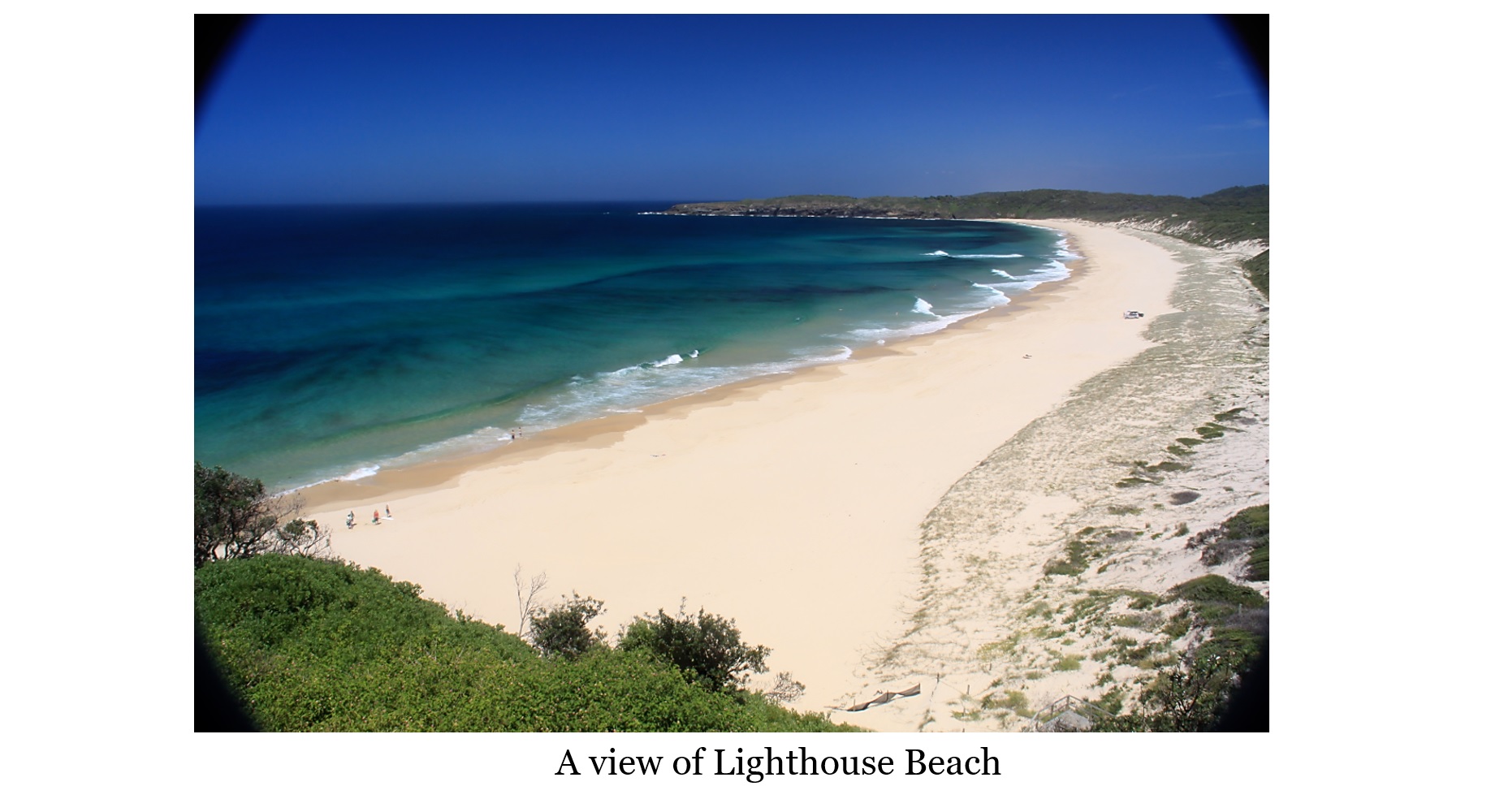
The travelers first stop,  171 miles north of Sidney at Seal Rock and Sugar Loaf Point. The Sugar Loaf Point lighthouse, sometime referred to as,  the Seal Rock light,  consisted of a Mid Victorian watch tower,  and a complex of living quarters, it was one of only two beacon’s in Australia with an external stairway.  Beginning service in 1875,  it’s guardian post giving notice of the notorious Seal Rocks, a treacherous rock formation to the south, the lighthouse location and the panoramic lighthouse beach are both popular  attractions within the Myall Lakes National Park.


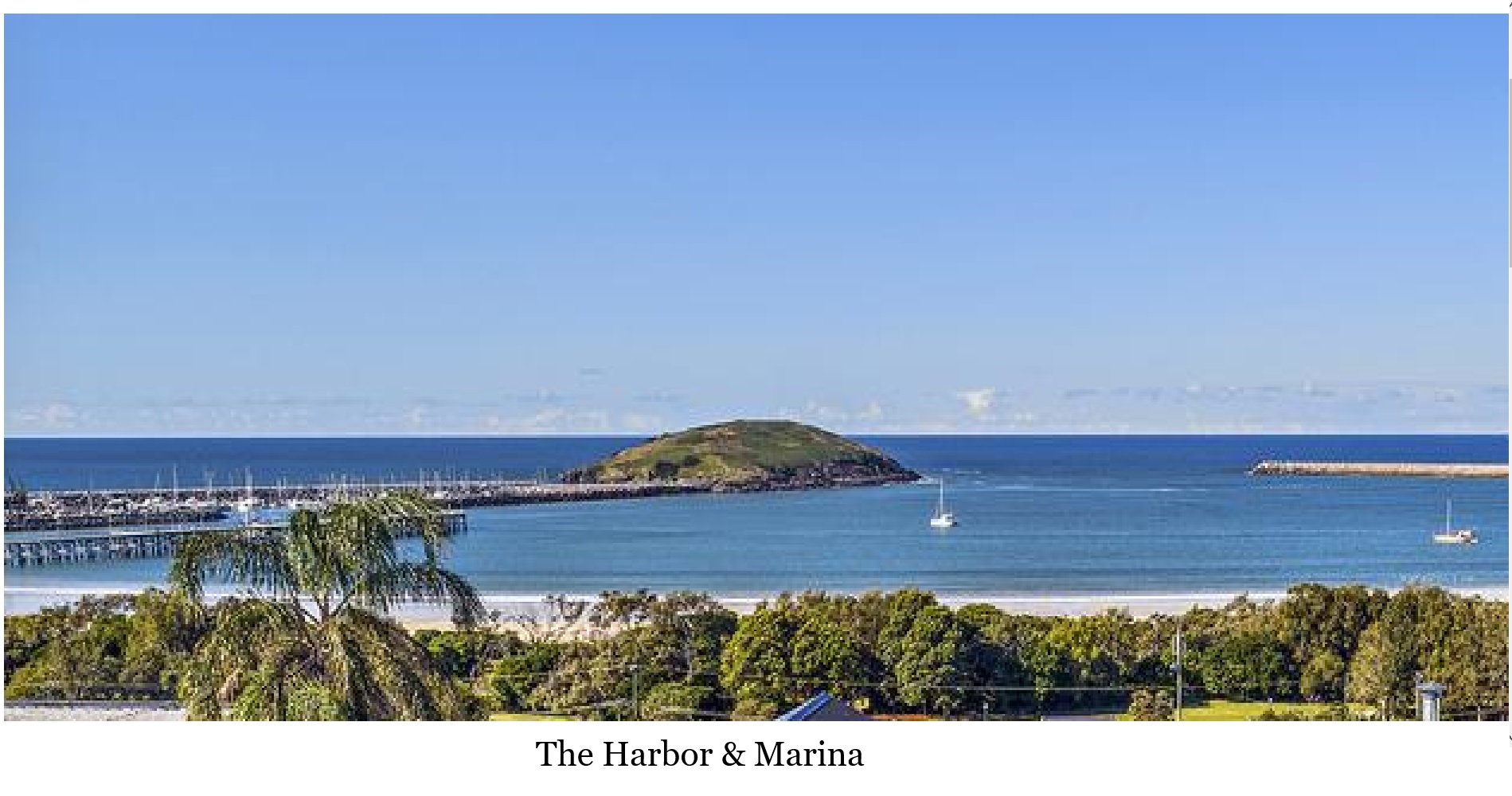
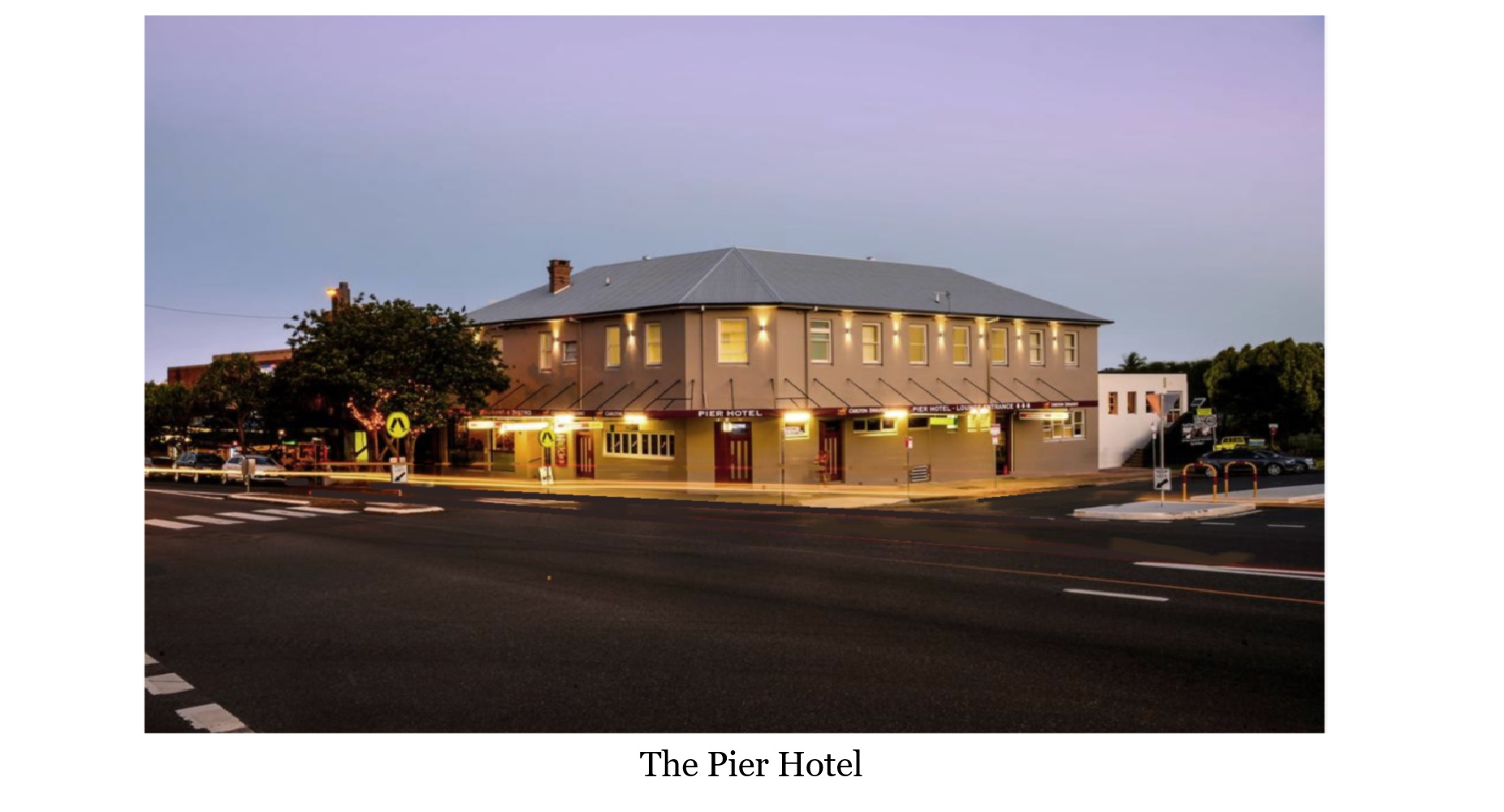
Continuing the their trek north to Coffs Harbor,  a major regional city, midway between Sidney and Brisbane, where the great dividing range meets the sea,  a hill laden landscape overseen by the forested mountains.  The traditional inhabitants of the Coffs Harbour region were the Gumbaynggirr people, who have occupied the land for thousands of years, one of the largest coastal Aboriginal Nations.  The visitors touring the harbor, viewing the its entrance and visiting  Muttonbird Island.  Their day complete, the travelers checking in at the Pier Hotel.

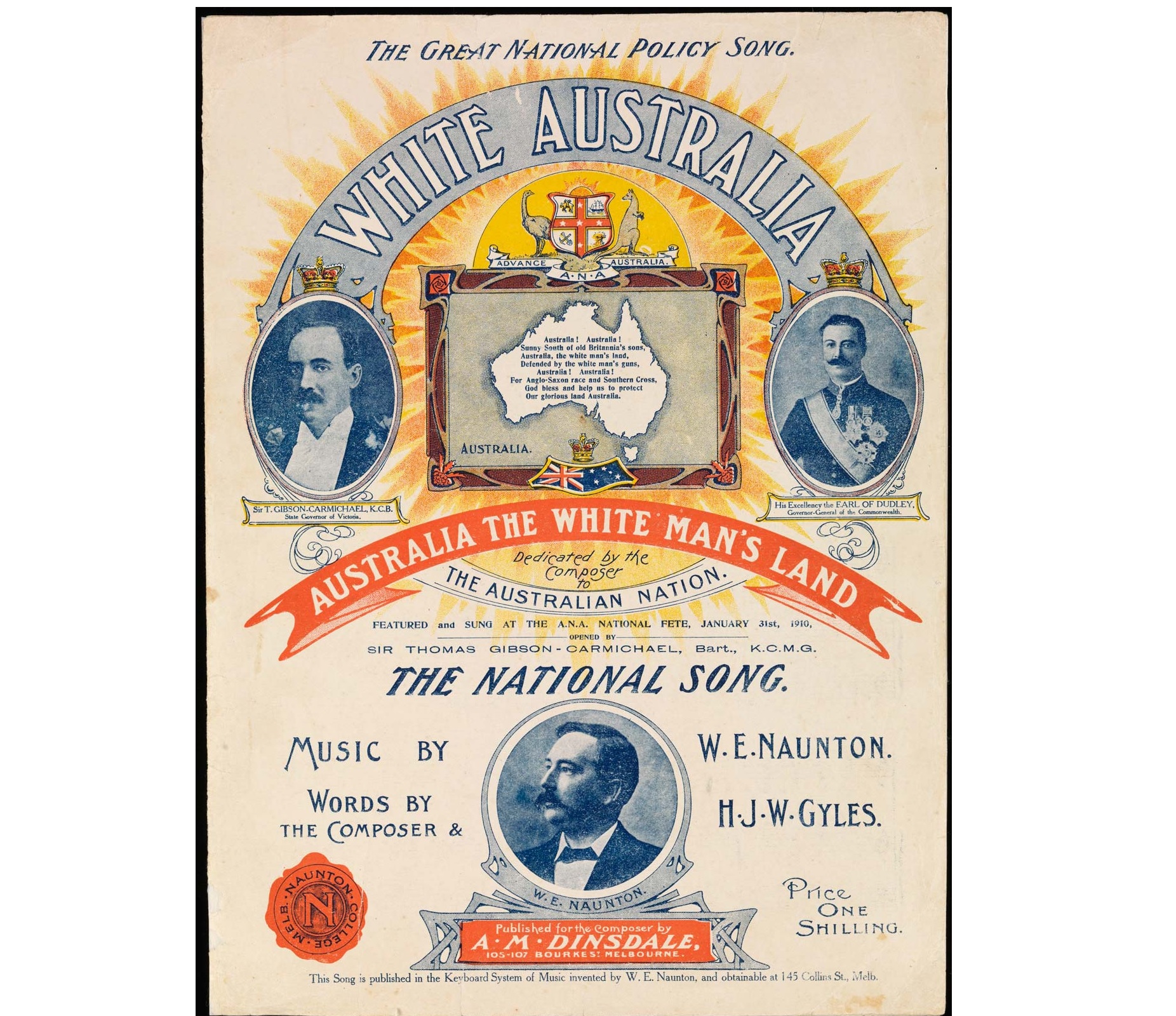
The van resuming its travel in the morning, a brief stop at Woolgoolga, the site of the first Sikh Temple built in 1968.   Sikhism was relatively nonexistent because of  the 1901 White Australia Policy, restricting the immigration of non-whites , but was  altered with the racial discrimination act of 1975.  Continuing on the Pacific Highway, enjoying the scenic landscape, the bustling agricultural topography, crossing the inland rivers flowing from the mountain divide to the sea.

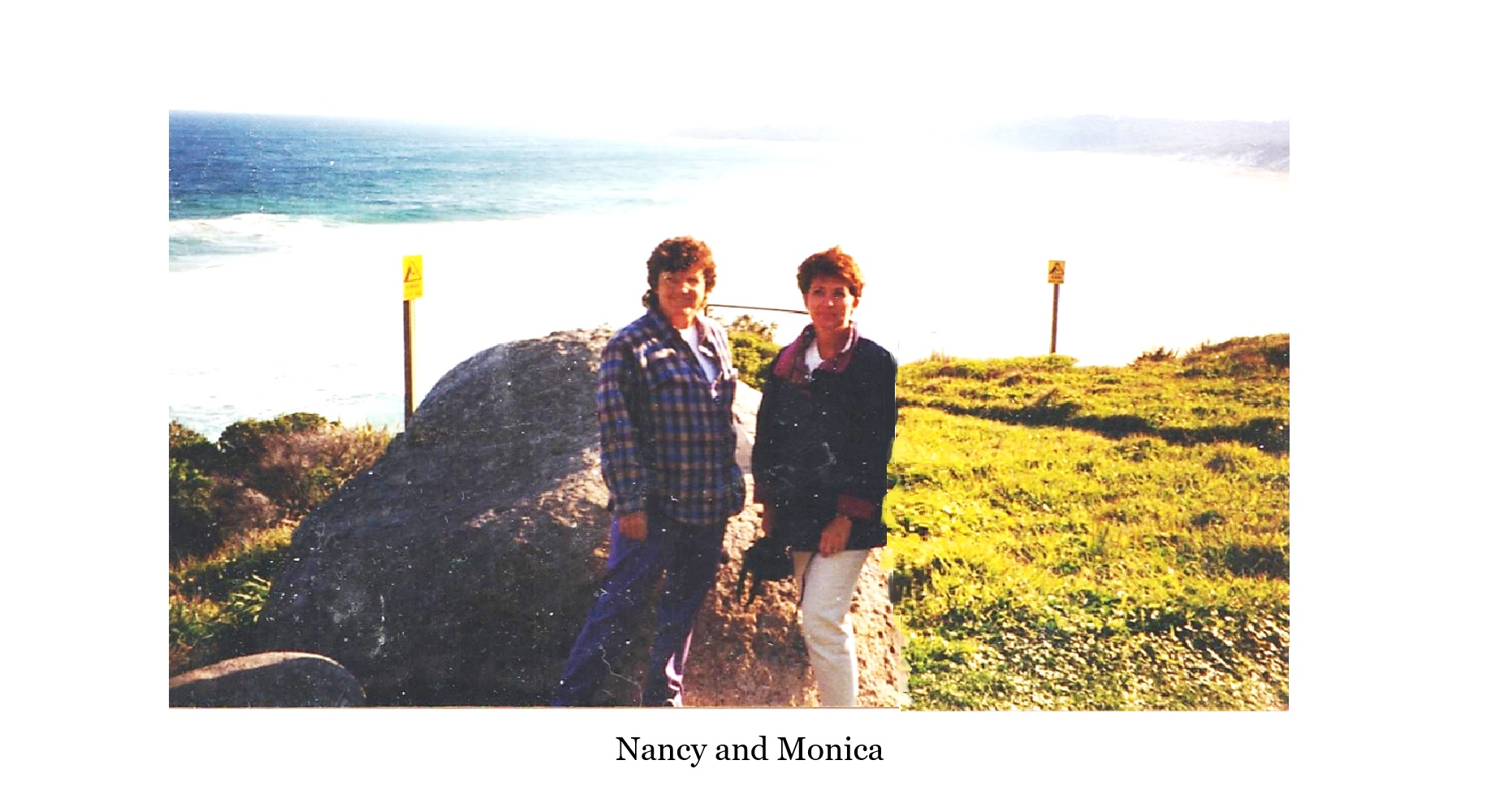
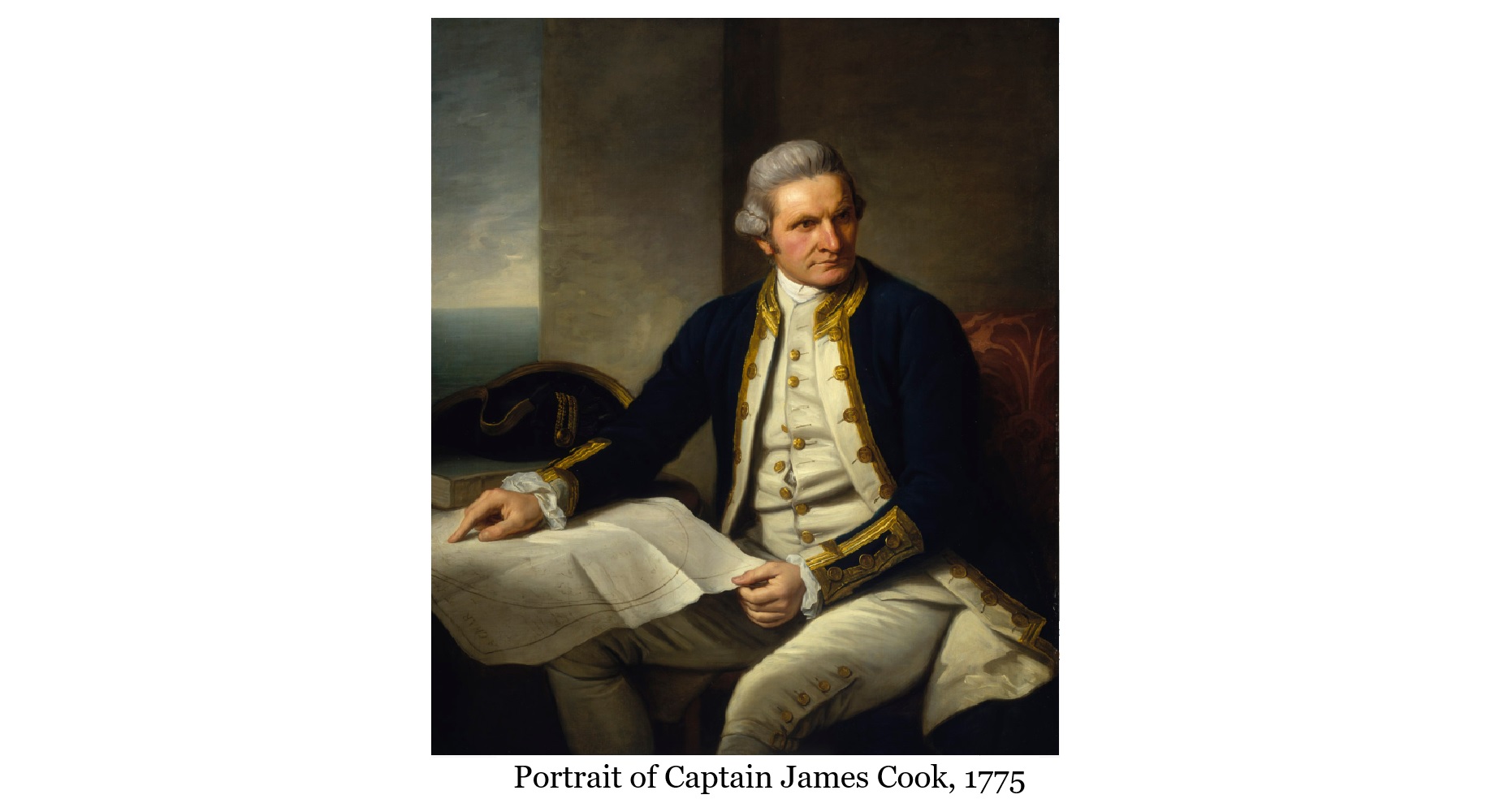
An arrival at Byron Bay, a stop to visit to Cape Byron, named by Captain James Cook when passing the area in May of  1770  Cook naming his discovery after John Byron, a fellow global circumnavigation of 1776  The group viewing the 1901 Cape Byron light house, its awareness overseeing the treacherous rocky outcrops of Cape Byron Point and entrance to Byron Bay.  The group sojourning a scenic beach walk to an overlook displaying the most easterly point on the mainland,  documenting their presence by posing for photos before resuming their travel north to once town of Coolangatta. The town now a suburb of Gold Coast.


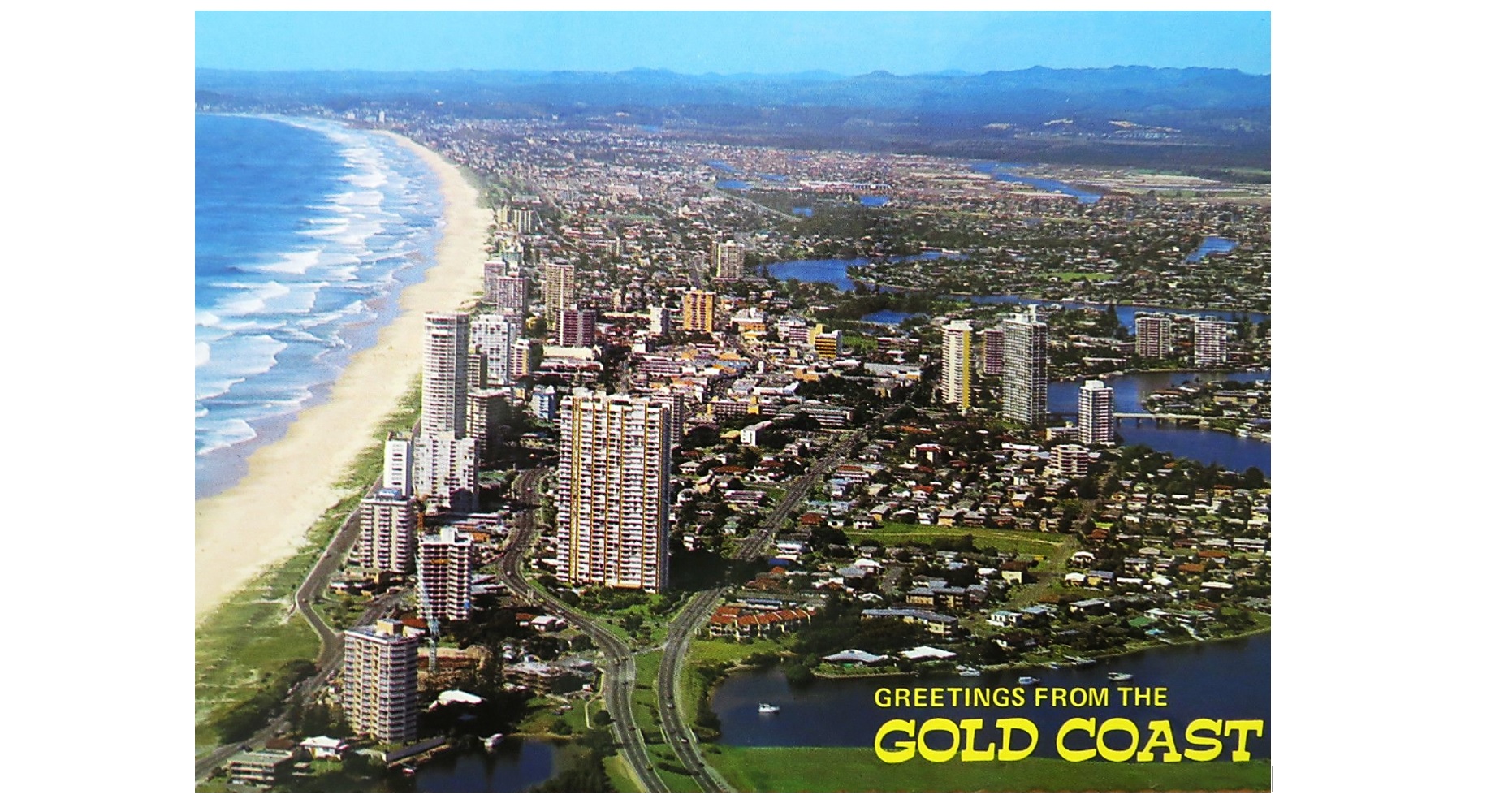
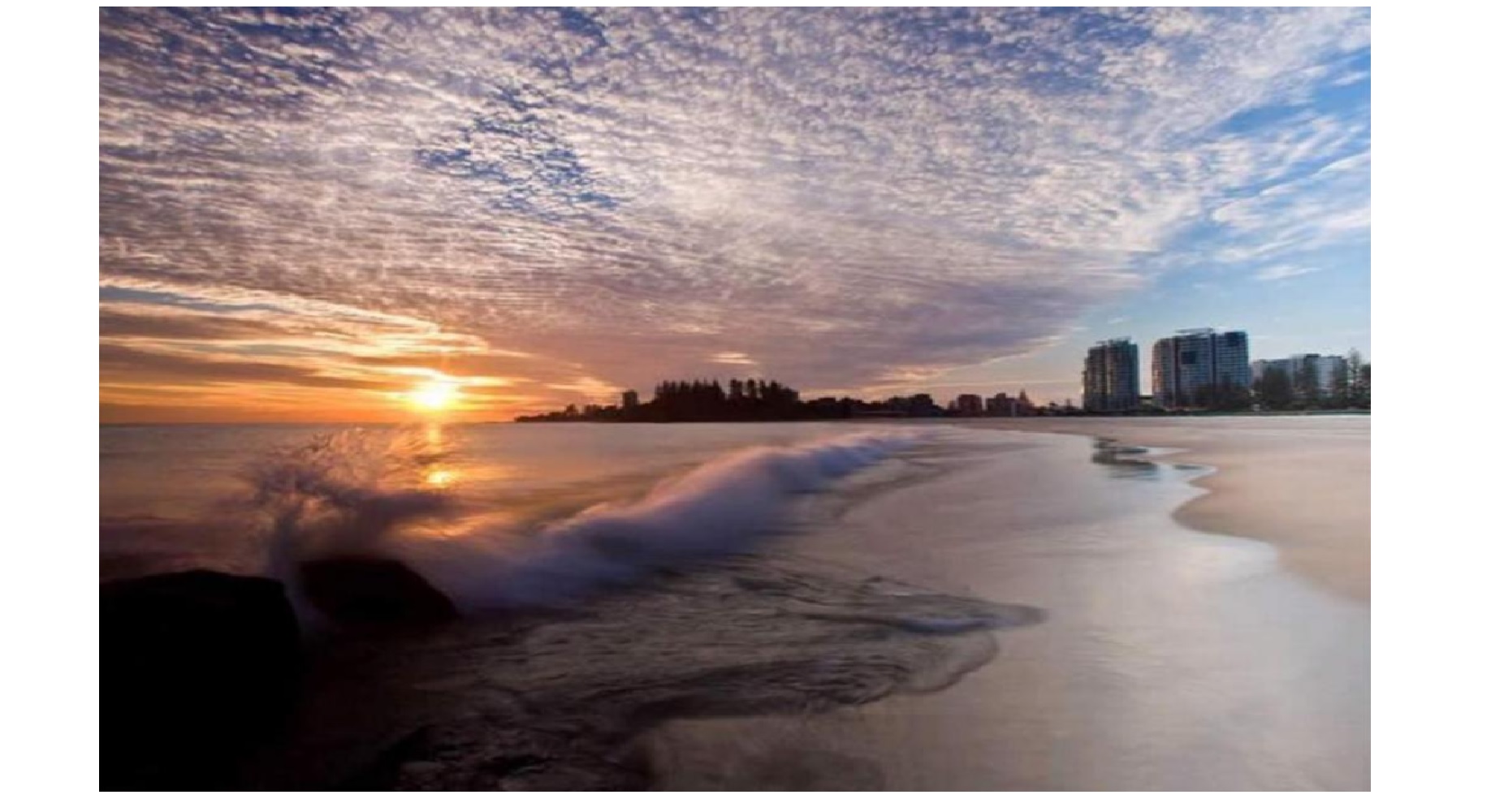
The city of Gold Coast was historically called South Coast, because it was south of Brisbane,  but because of the inflated real estate prices and prosperous goods and services of the fifties, in 1958 south coast name was changed to gold coast.   Then in fifty nine,  the city formed an amalgamation with the towns of Coolangatta,  Southport, and other coastal areas,  its boundaries expanding to an incorporated area of 160 square miles, with 37 miles of imposing beach shoreline, making it the second largest city in Australia.   With their travels done for the day,  the group having prior reservation at the pristine seven story, one hundred thirty four room Greenmount Beach hotel.

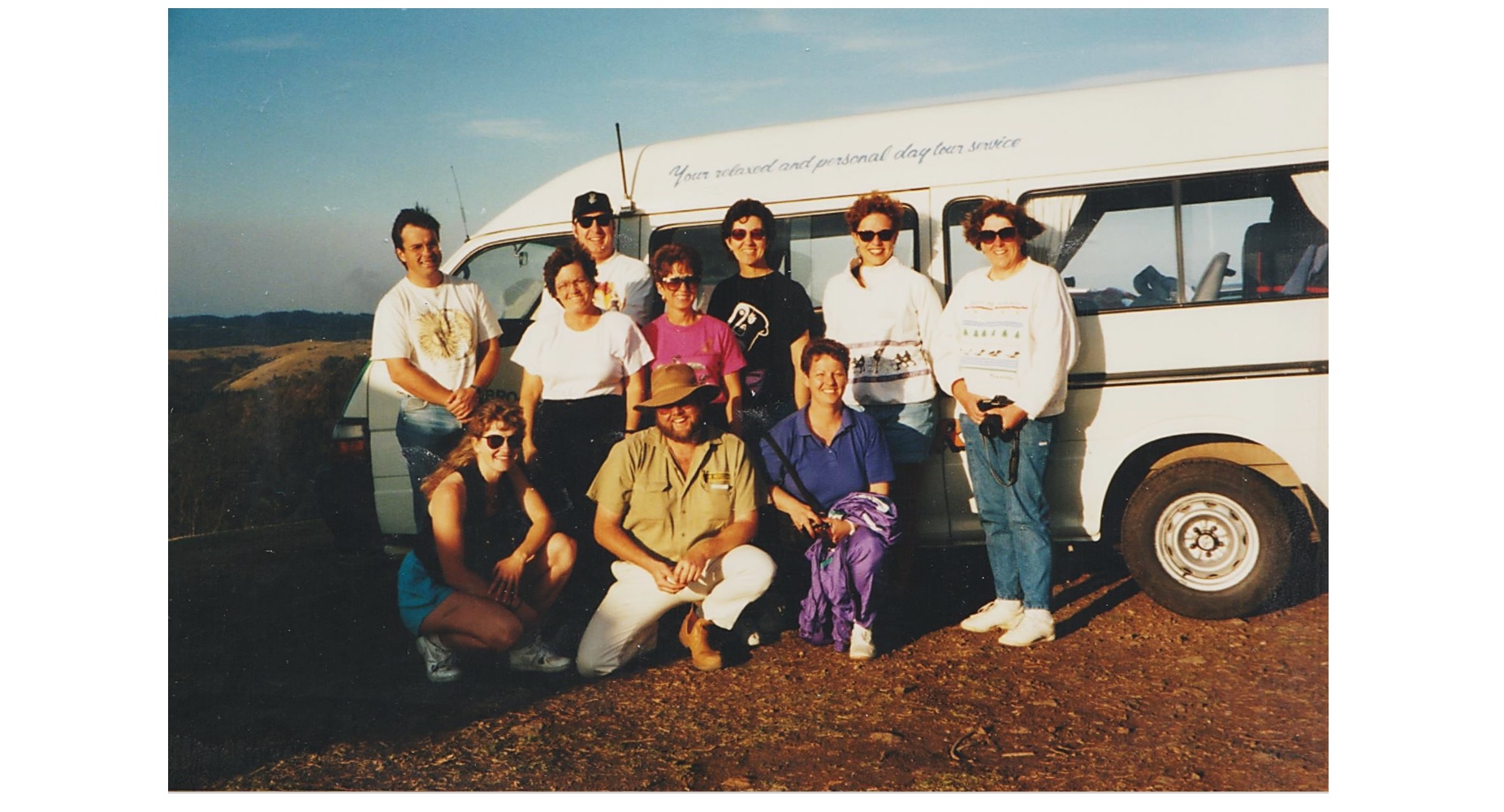
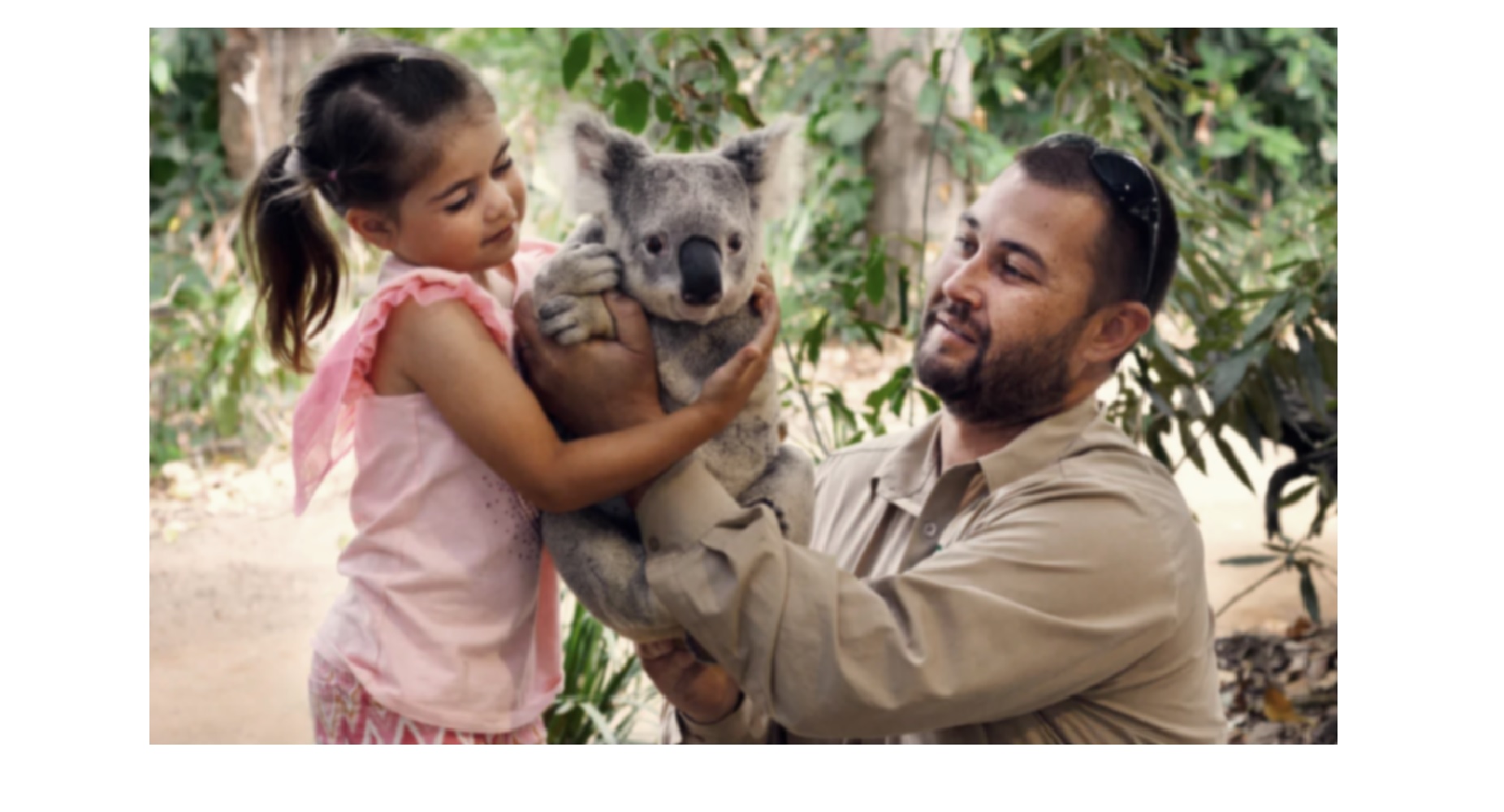
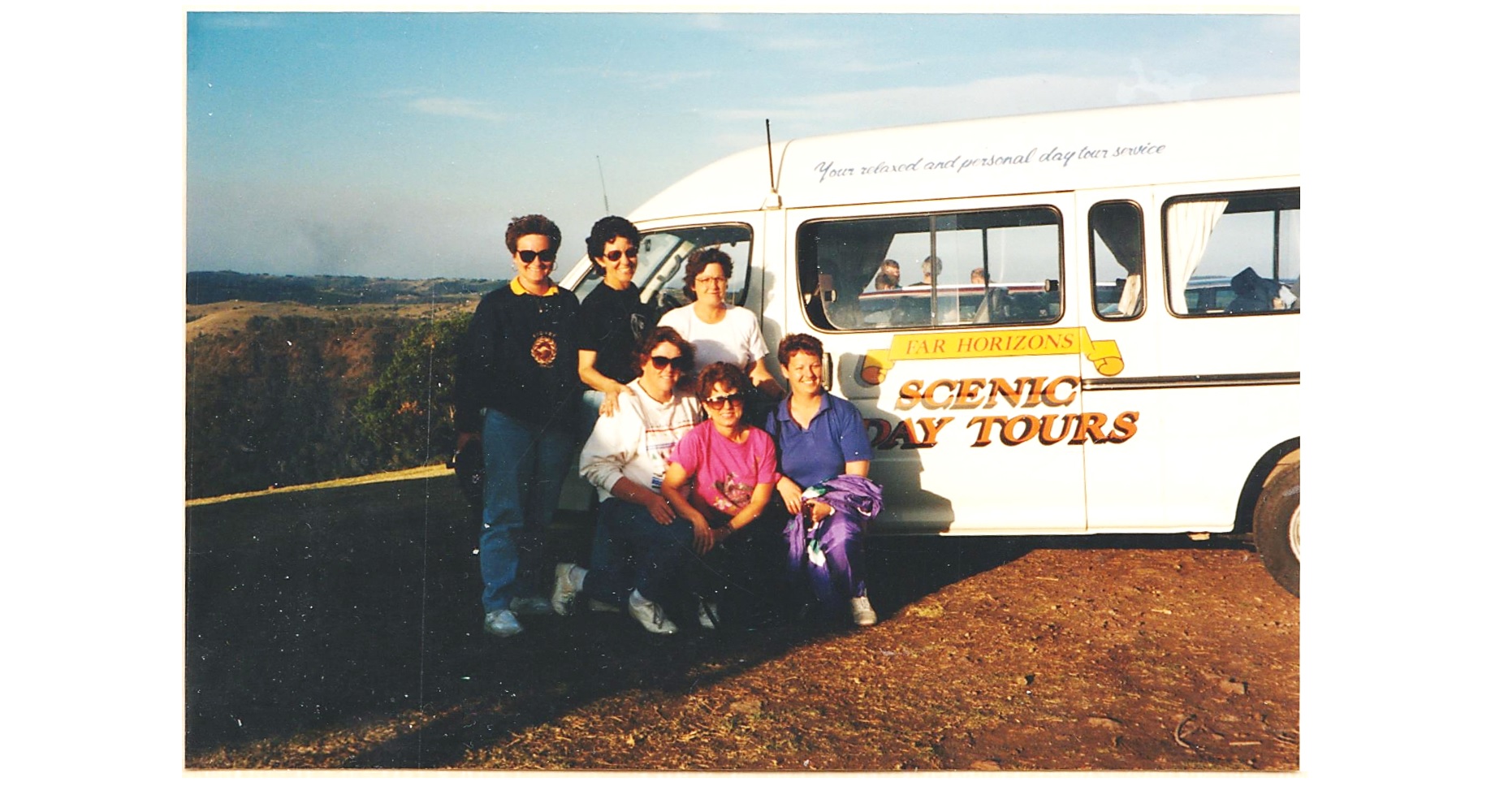
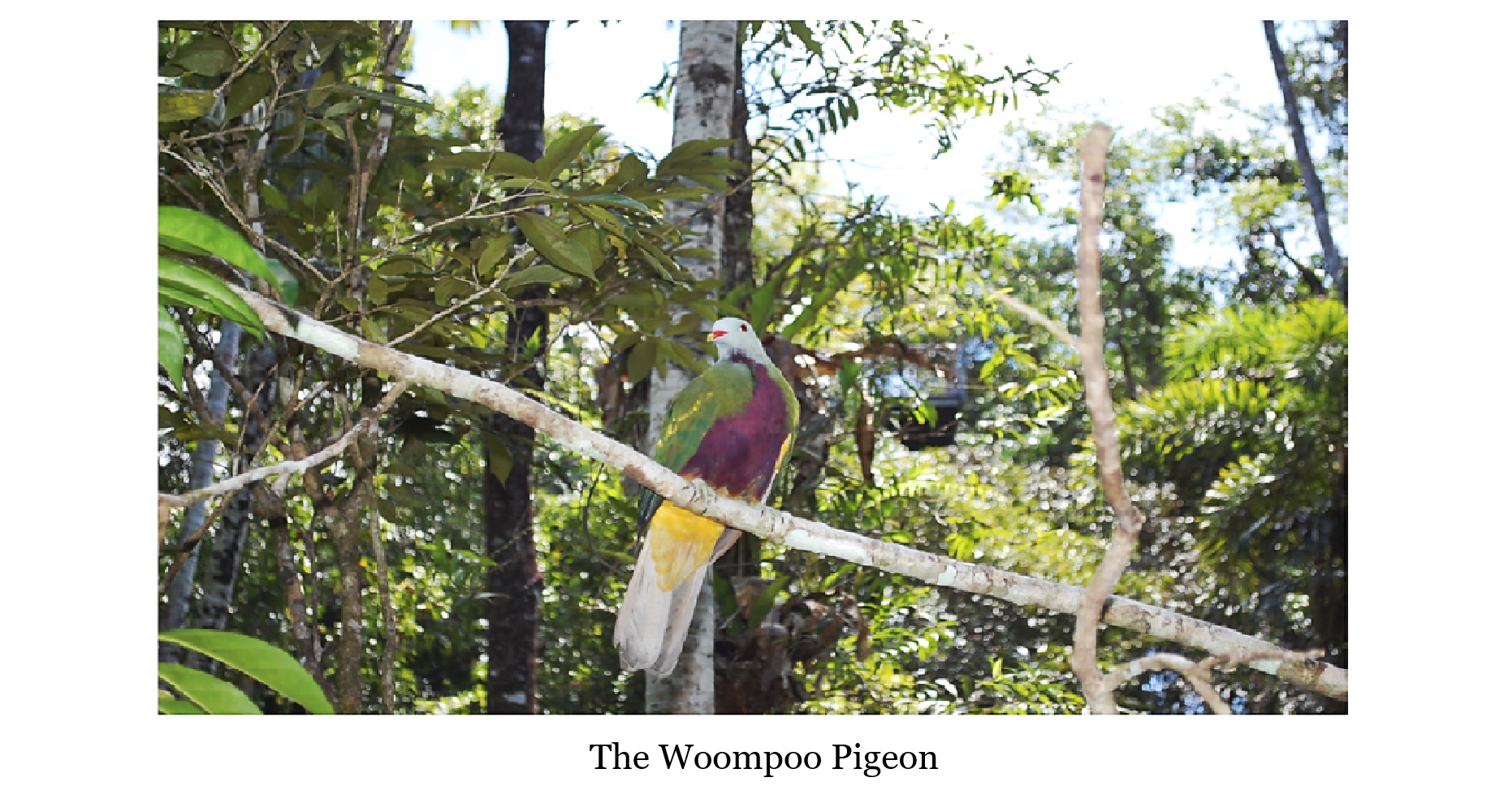
The sun rising on their third day, the group having scheduled a guided tour of the Currumbin Wildlife Sanctuary,  the ten member contingency boarding a far horizon scenic day tour van.  The Sanctuary was established by beekeeper and floriculturist Alex Griffiths in 1947,  as a small scale tourist venture, featuring guest interaction with a medium-sized vocal,  and exceptionally colorful parrot native to Australia, the lori keet.  Griffiths adding a variety of other wildlife everything from the native  kangaroo and wallabies, to the emu, cassowary’s and the Australian canine dingo.  It was not without the notorious dangerous crocodile,  but  included the human friendly, docile cuddly Koala Bear.  Griffiths dream blossoming into a renown 44 acre wildlife and Botanical garden,  a display in which tourists could interact with the surroundings.  The interaction and togetherness of a guided tour making for an unforgettable experience.


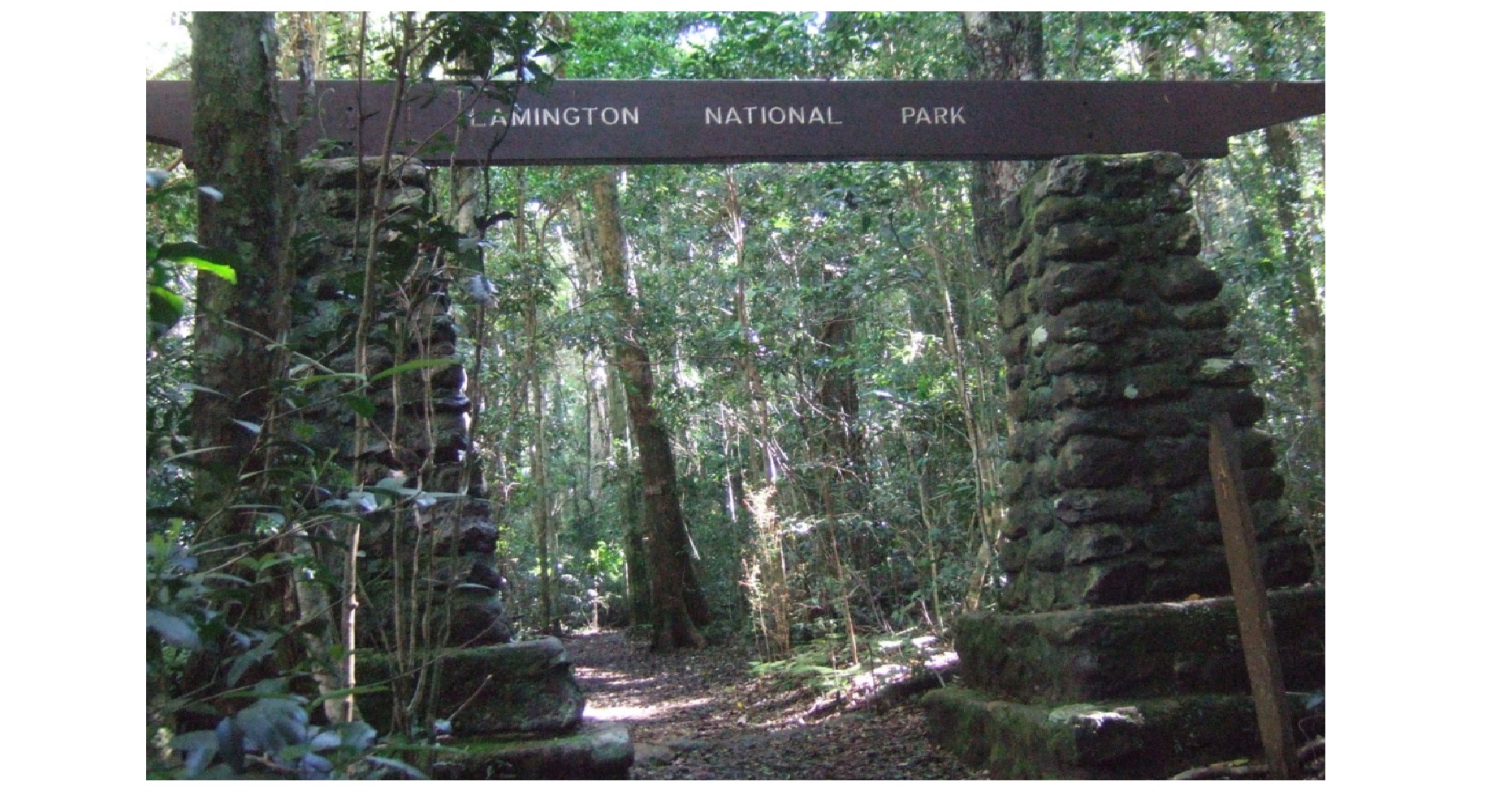
A morning venture into the Gold Coast hinterland,   a day long tour of the Lamington National Park,  and  O’Reilly’s Rainforest Retreat.  The arriving group experiencing a spectacular view from the summit of Tamboring Mountain,  then proceeding into the subtropical rainforest on the scenic and informative natures walk.  An Aussie barbecue lunch complimenting both appetites, lunch,  and the experience of communicating with the Rainforest and the inhabitants of the wilderness. At O’Reilly’s Rainforest Retreat, the tour able to get an up close look at native plants, birds and even the koalas.   The Retreat having an half mile,  52 foot elevated treetop walk,  providing an  aerial rainforest view of the scenic wonders.  Returning from their day long exploration,  Nancy and Monica,  opting to spend a quiet evening on the beach, and the sound of the cresting sea gently coming ashore.


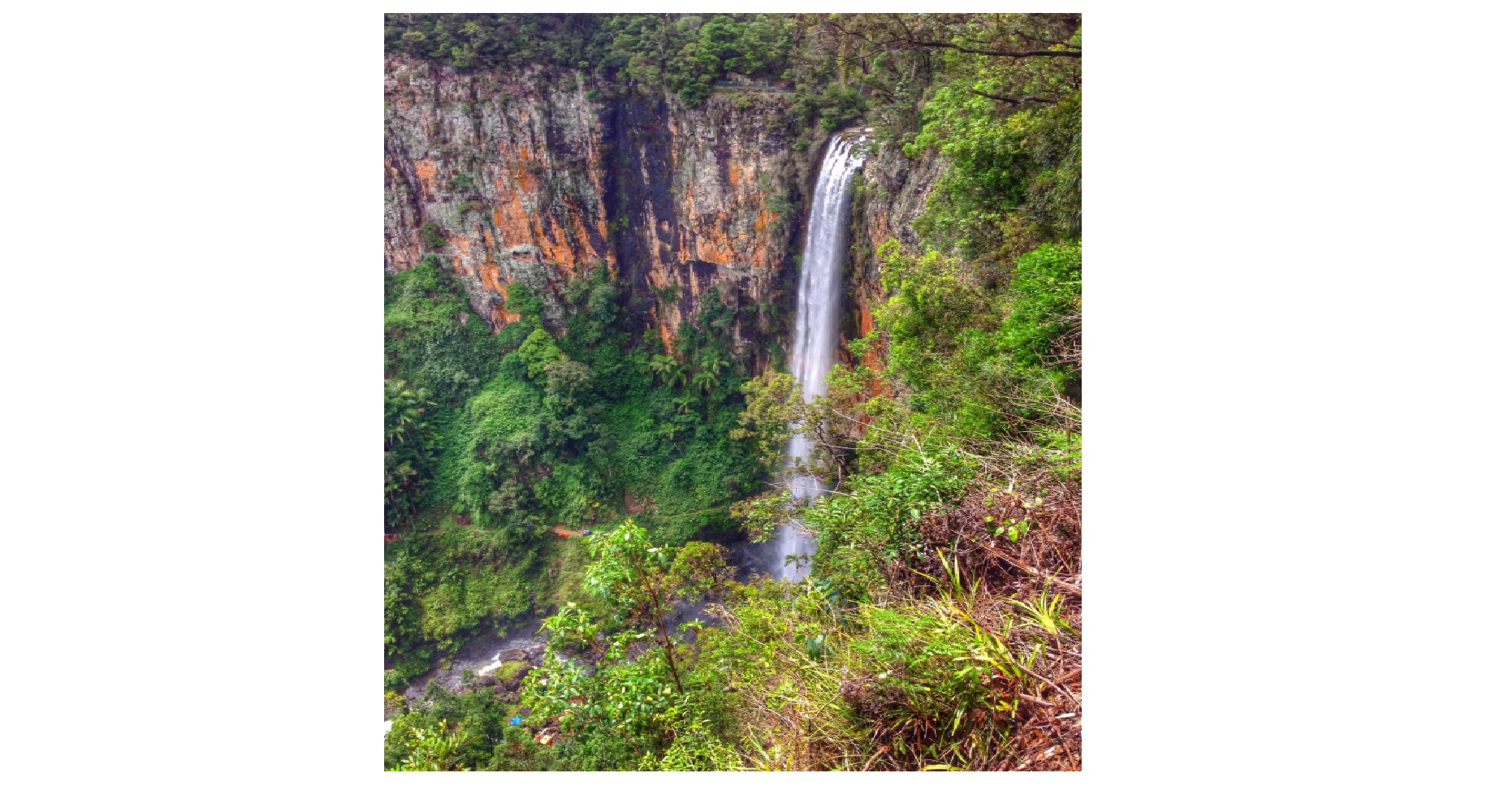
A late morning checkout and a leisure hour long drive to Brisbane. A return of the rental van,  Nancy and Monica having reservations at Dooley’s, the Irish Hotel.  The two taking advantage of an afternoon tour, once again venturing to a rainforest environment, this time to the Springbrook National Park.    The southern cliffs in Springbrook are the remnants of the northern rim of the ancient Tweed Volcano,  their circuit walk beginning with the view of the proclaimed Twin Falls.  The parks rainforest and eucalypt,  a result from the cliff-lined headwaters of the numerous rivers and creeks.  the waterway flowing over the escarpment of the cliffs,  providing 16 waterfalls seen in a relatively short distance in the plateau section of the park.

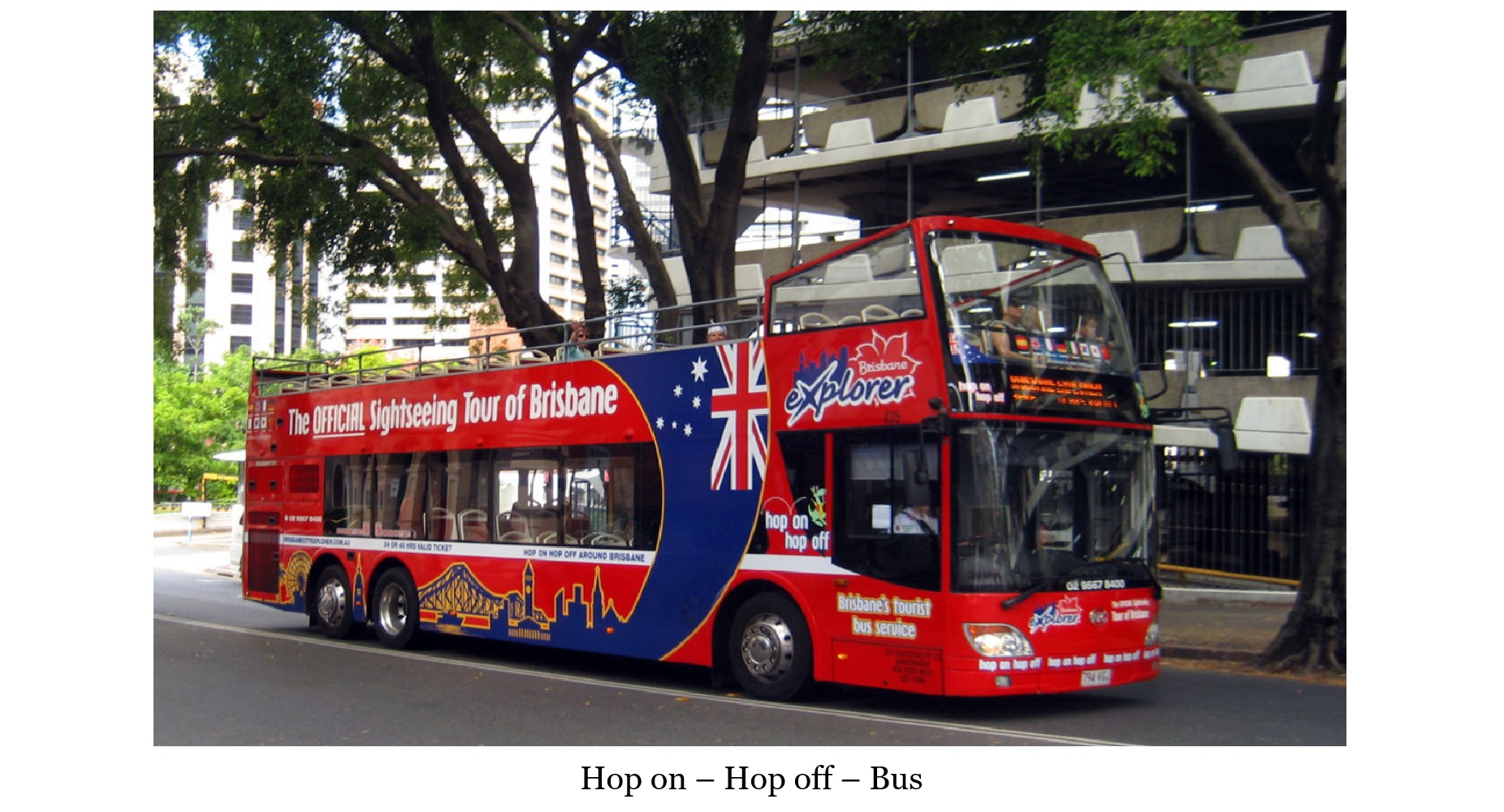
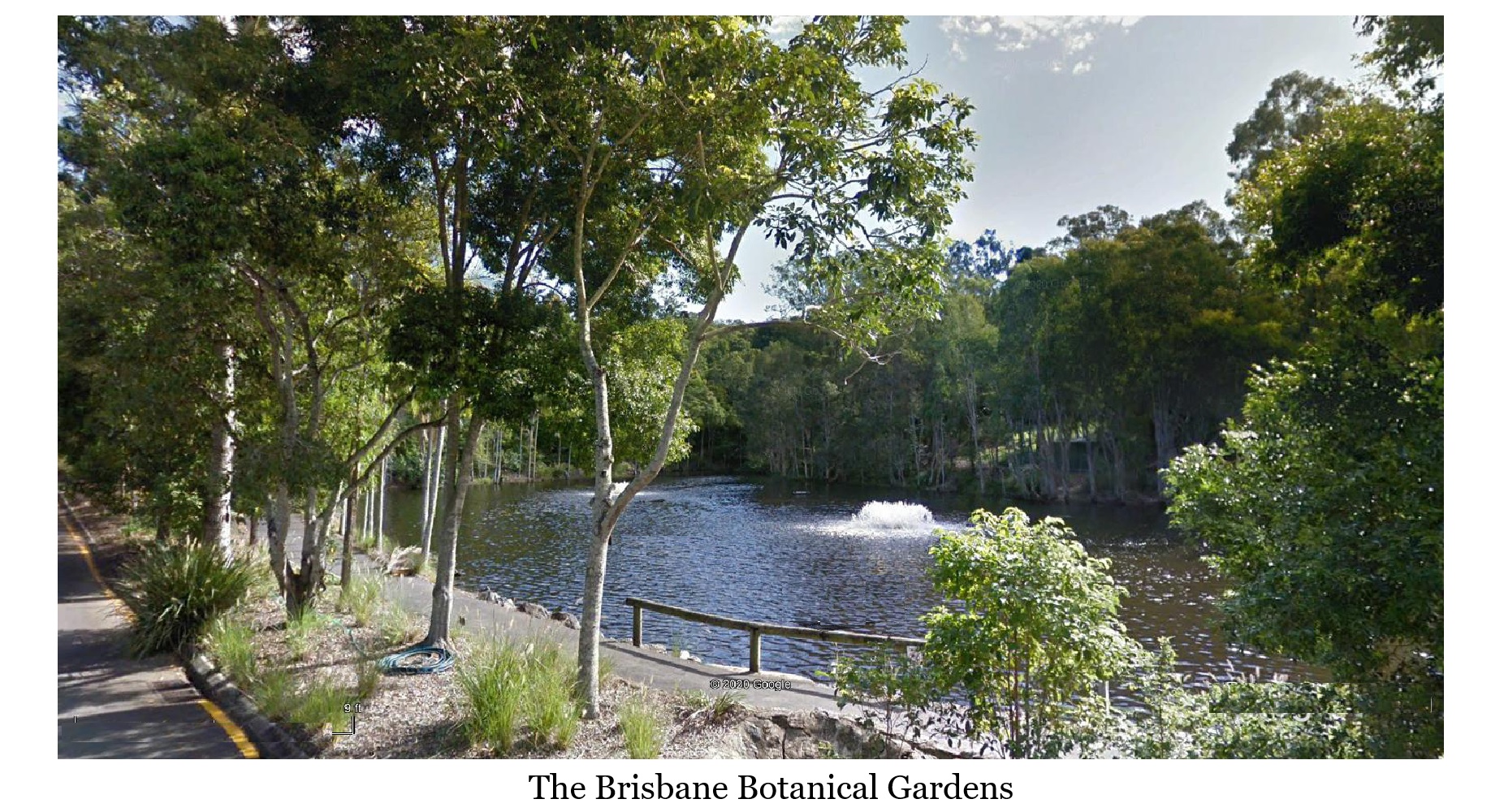
It was Nancy and Monica’s last day in Brisbane, the two deciding on a city tour,  boarding a Hop on Hop Off scenic tour bus, their first stop the Brisbane city botanical Gardens. The two venturing on the walkway, discovering more than the flora.  The Sir Thomas Brisbane Planetarium, named for the governor of New South Wales from 1821 to 1825,  who was an astronomer, and established the first observatory at Parramatta in 1822.  Another stop at the Roma Street Parkland, the two amazed at that botanical habitat of Brisbane and the surrounding area.


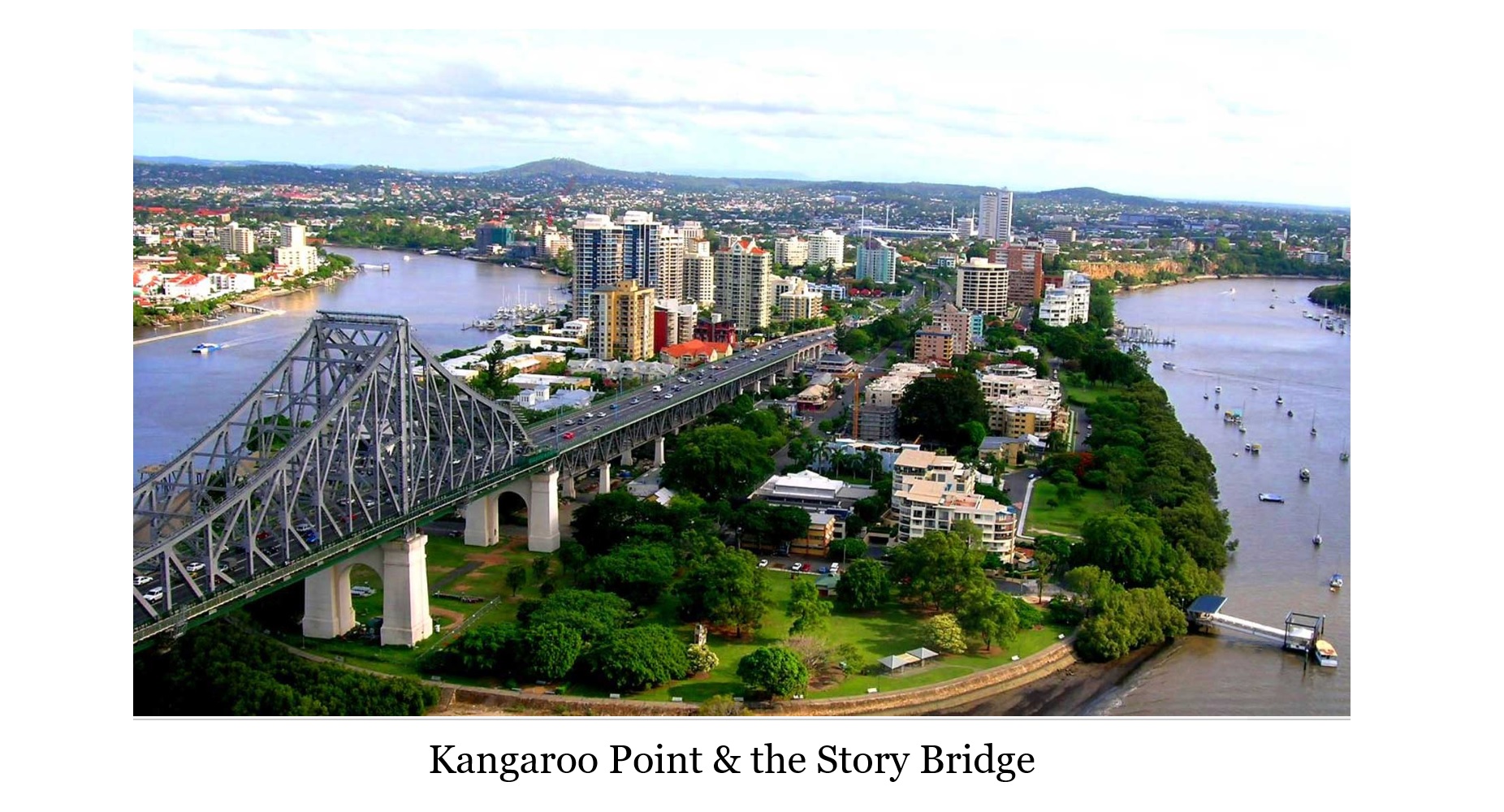
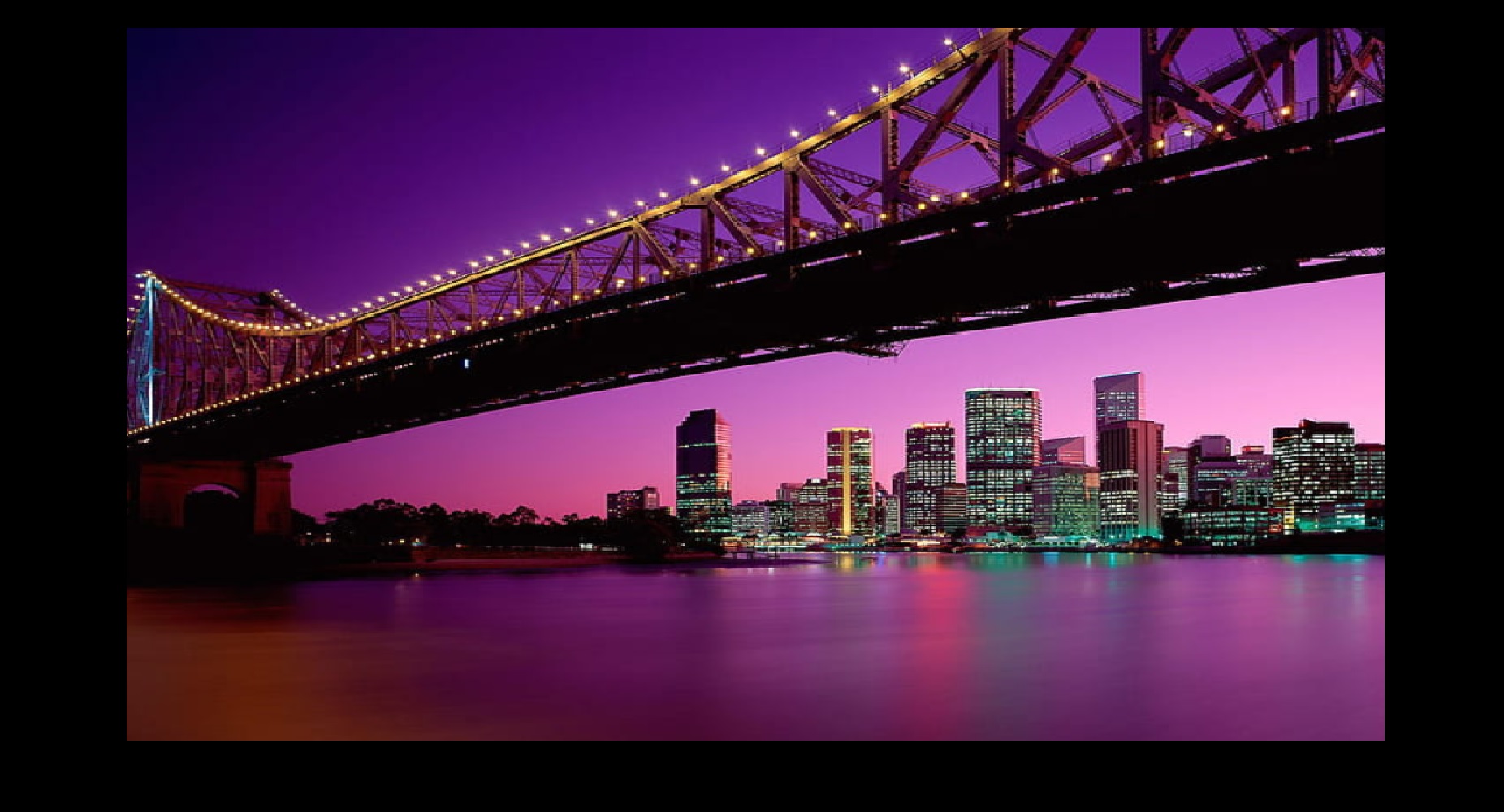
Change of venue, Nancy and Monica,  boarding a Brisbane river scenic tour boat.   the Brisbane River headwaters located in the great dividing range east of the town of  King a Roy,  winding its way two hundred and fourteen miles to its union with Morton bay,   and the sea.  aboard, the two viewing Kangaroo Point cliffs,  passing under the landmark Story bridge, witnessing the flora and fauna,  and getting a glimpse of Brisbane’s historical past and present,  from the likes of the old custom house,  to the city’s most popular tourist attraction, The South Bank Parklands, established at the site of the 1988 World Exposition.   Their touring day completed, the two returning to Dooley’s Irish hotel, a final night in Brisbane.


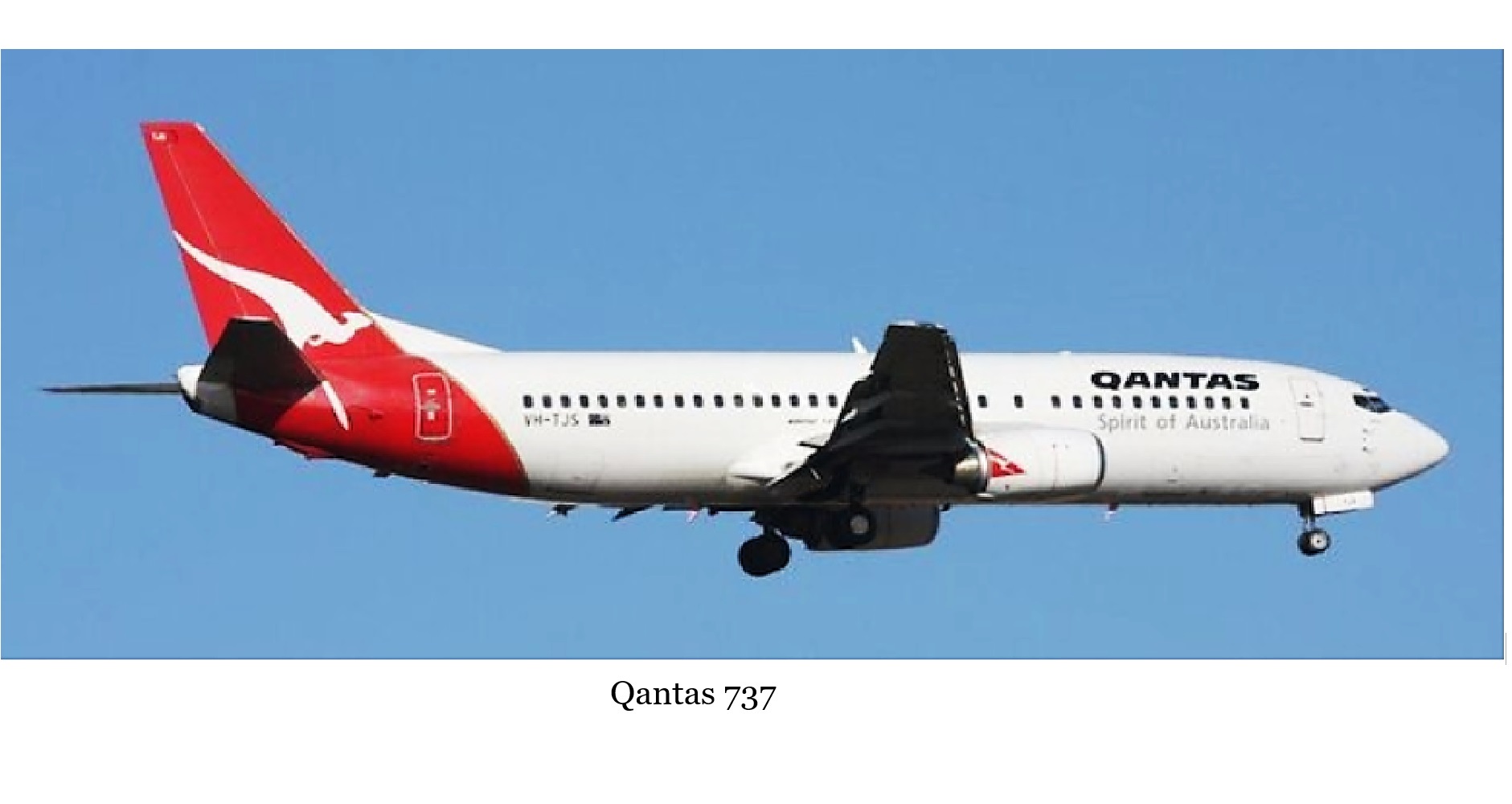
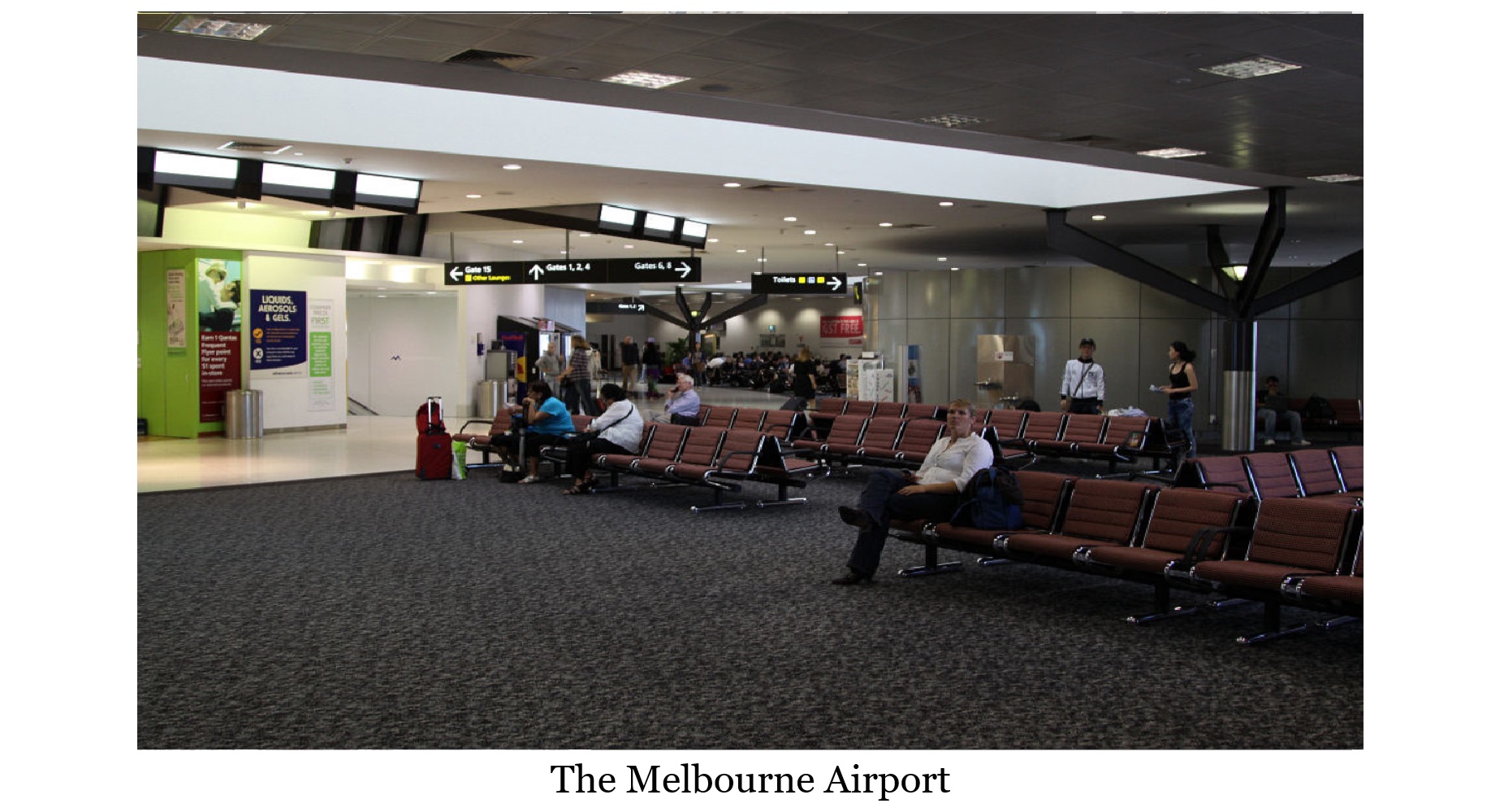
A morning arrival at the airport, Nancy and Monica boarding a Qantas airlines seven thirty seven for the two hour  and ten minute flight to Melbourne.  A two hour layover for the Tasmania flight was scheduled.  once aboard, the  two settling in for the one hour airborne Tasmania sea journey to Hobart, the capitol of the Island State of Tasmania, their host for the next five days.


Nancy’s 1994 Australian Quest Pt. 3

October 3, 2015

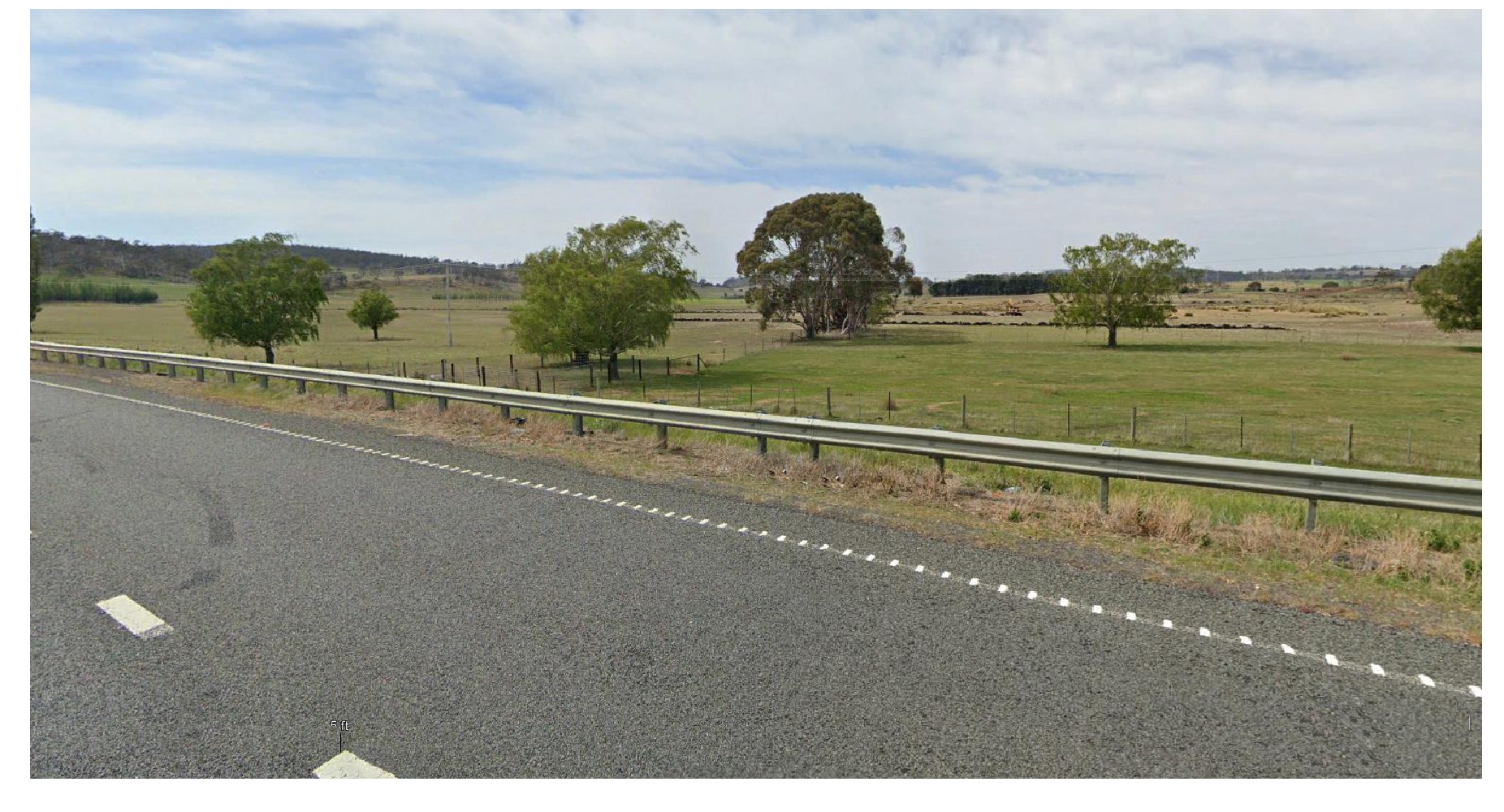
Nancy and Monica aboard a Qantas Airlines 737 in route to Hobart Tasmania, having departed Brisbane.  With their 4:05 afternoon arrival at the Hobart international, a brief stop at the Avis rent a car counter,  a 2 1/2 hour journey remaining on the days menu.  Travel-land Tours having secured accommodations for the two at the Kilmarnock Guest House in Launceston.  The 198  mile road trip was not without surprise,  for some reason,  just the name Tasmania seem to project an atmosphere of detrimental wilderness, but was soon discounted,  the two viewing vast areas of cropland irrigation and agricultural endeavors  during their drive north.

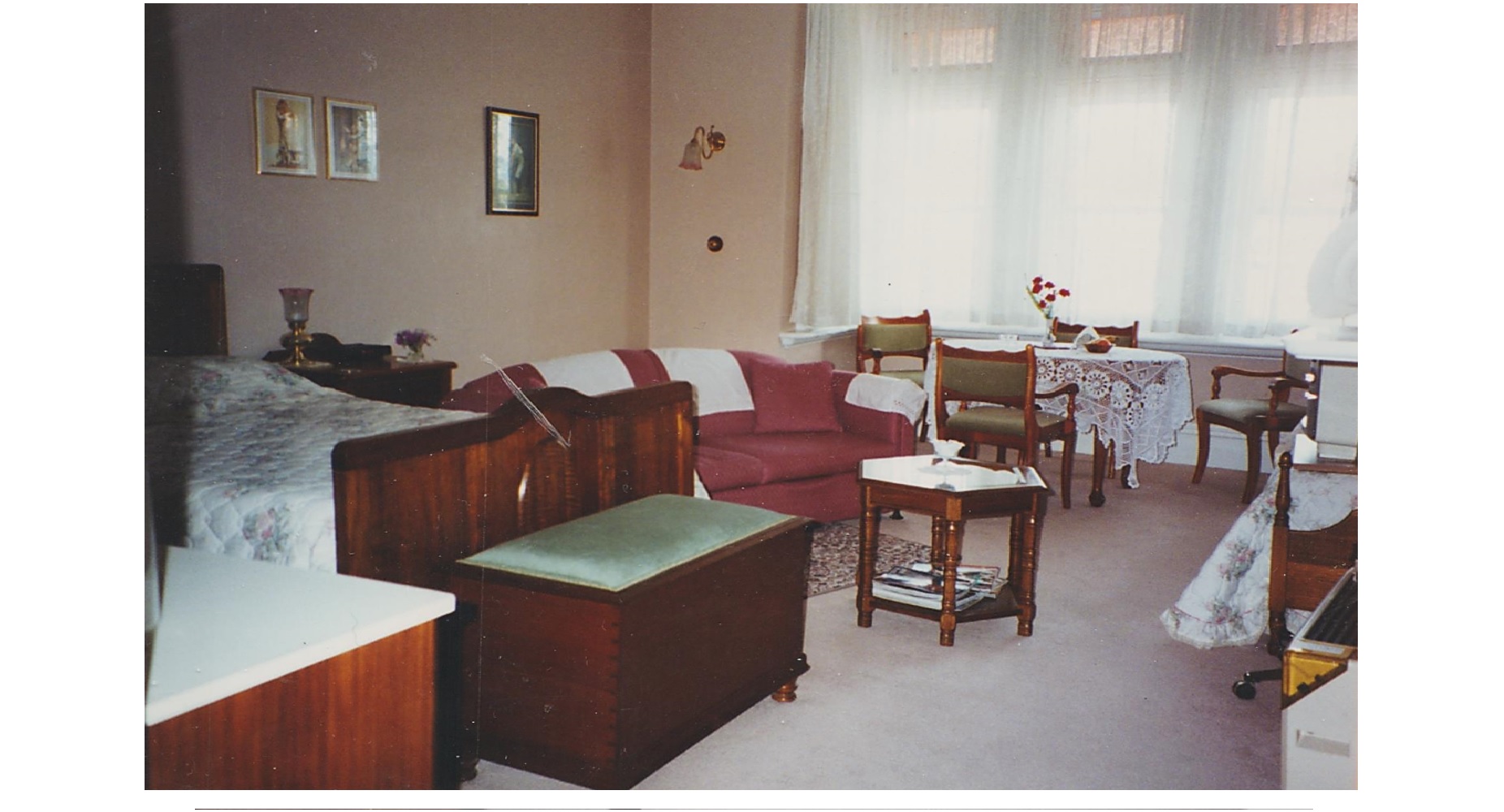
With their arrival in the city of Launceston, the third oldest city in Australia,  founded in 1804  as Port Dalrymple, the picturesque municipality seated on the many hills gazing down on the Tamar Valley.  The travelers finding a nights rest at  the Kilmarnock House, an 1805 historic town house having been restored to its Edwardian glory in 1985,   the two discovering the elegance and charm of an bygone era.   Their bay window suite beautifully appointed with authentic antique furniture.

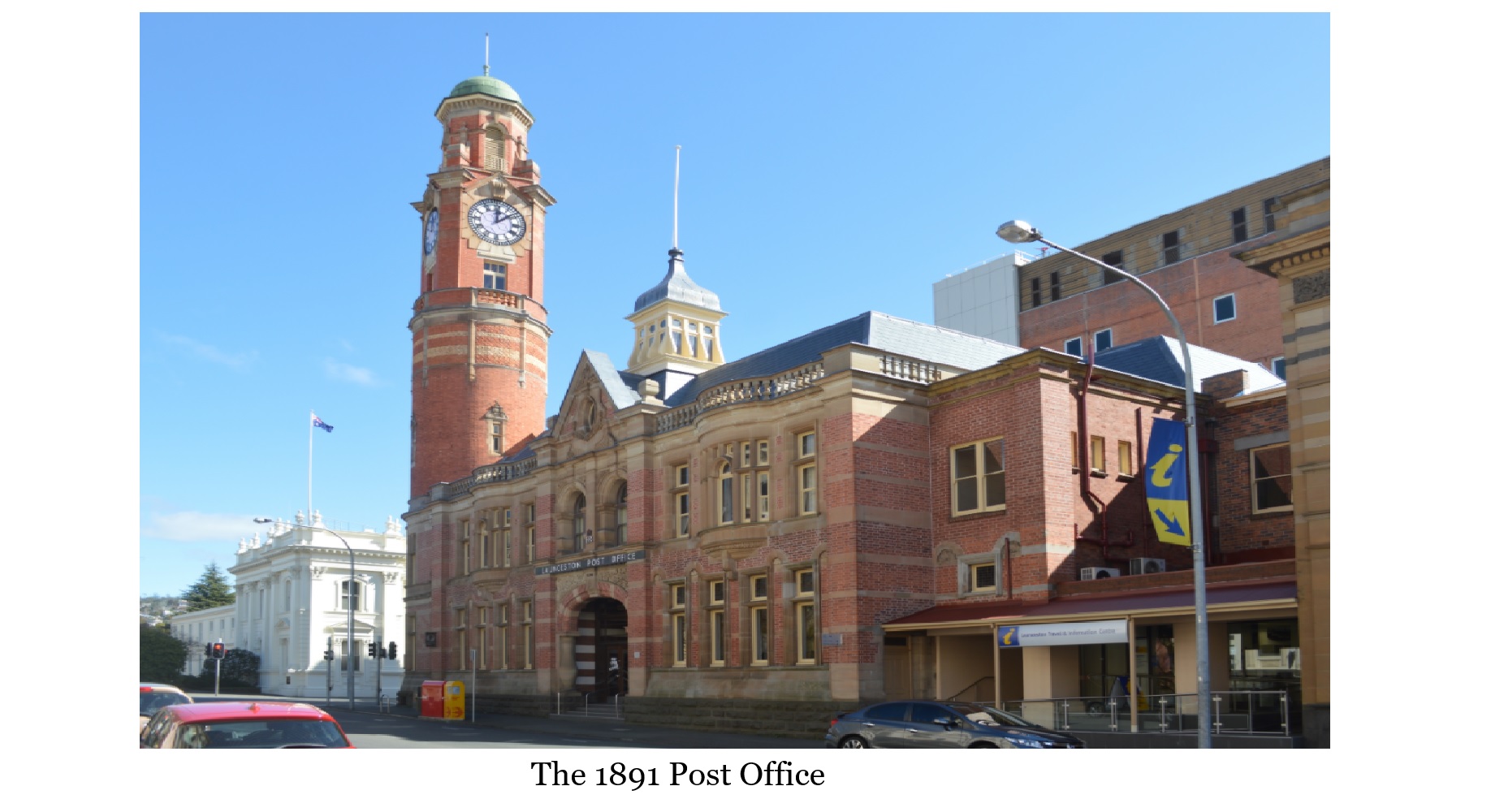
The Launceston morning found the two on what was called a walk through history, a scenic designated walking tour in town and some of the outlying areas.  Their walk beginning,  viewing the old post office that was opened in 1891 , further along  the clock tower completed in 1903. The two coming upon  the custom house build 1888 and the town hall built 1864. Their walk continuing, including  St. Johns, the oldest Church in Launceston built in 1824, Albert’s Hall 1891.

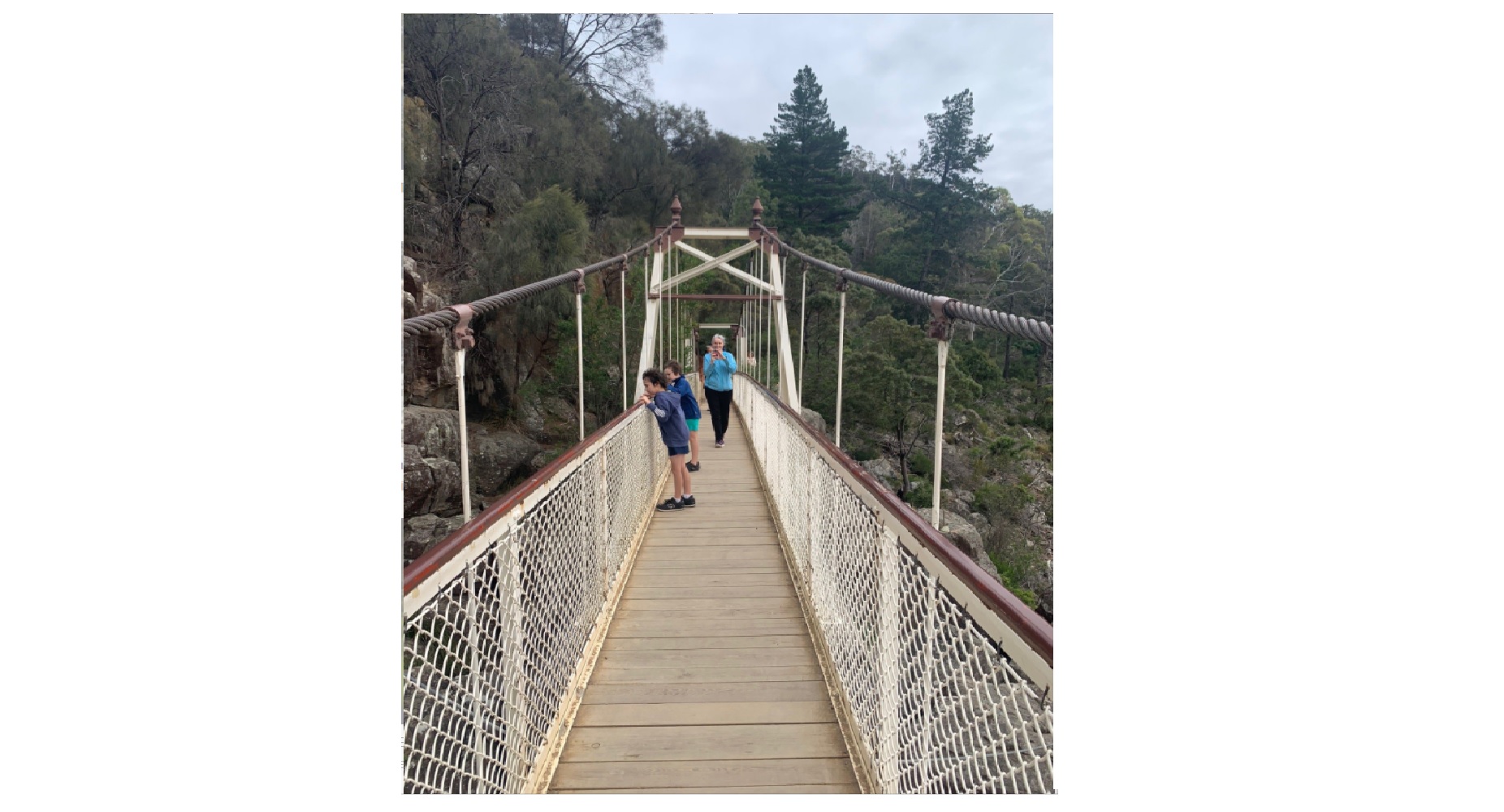
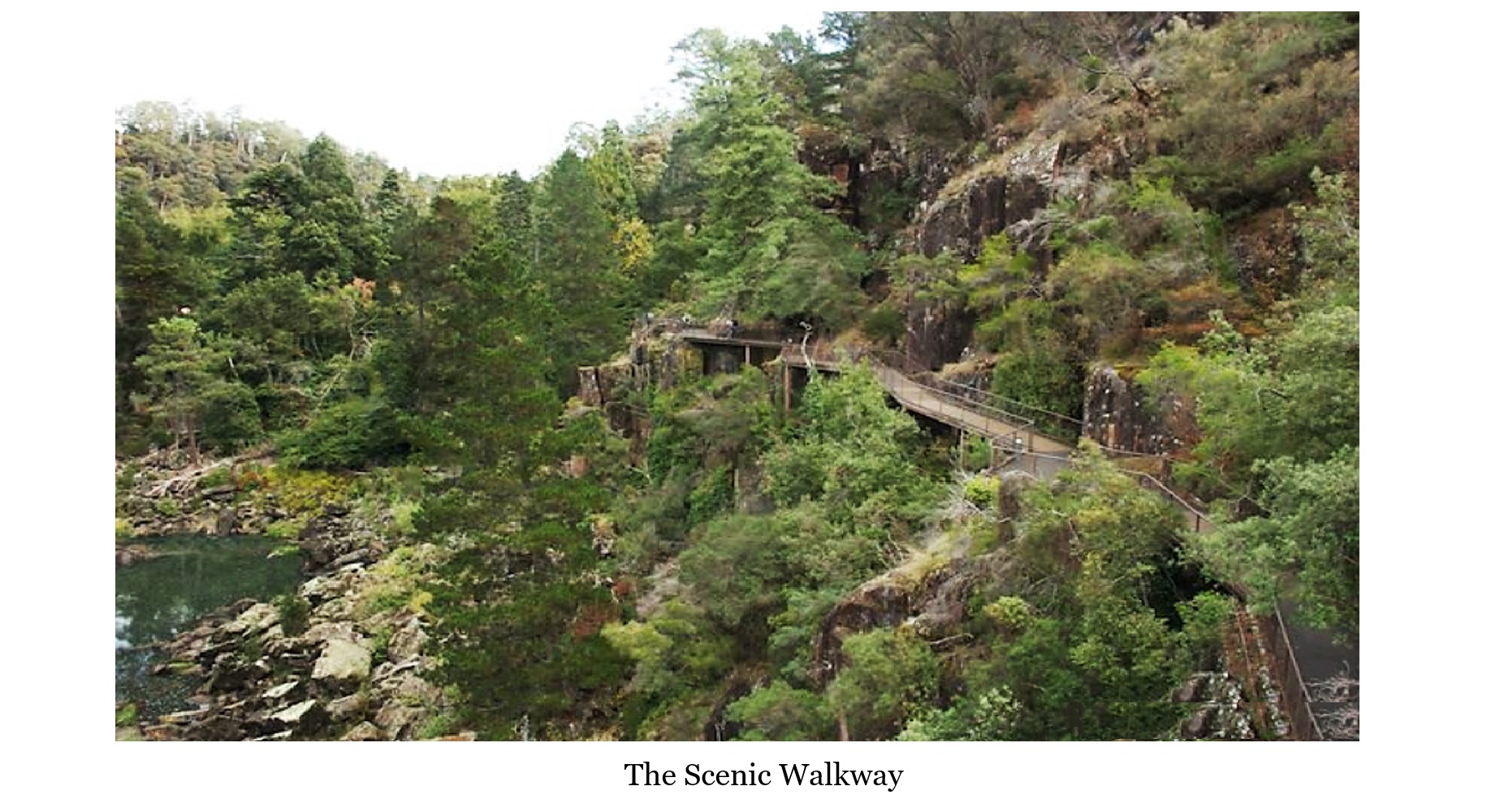
After lunch, an excursion to the cataract gorge reserve. This primeval gorge,  2 miles from Launceston,  having been formed when the river cut a line through a volcanic rock fault in the ridge forming this magnificent landscape.  The South and North Esk rivers merge in the gorge to form the Tamar river basin,  it’s water flowing forty three miles to the Tasman Sea.  Their journey beginning at what was called the first basin, the two crossing on the Alexandra swinging bridge, first built in 1895 named after Queen Alexandra, consort to King Edward the seventh.  Once across, continuing on  a pathway known as the King’s Bridge-Cataract Walk, originally built by volunteers in the 1890’s. The walkway runs along the north bank of the gorge, clinging to the cliff.  The pathway offering excellent views of the dolerite columns along the cliffs,  with stairways up. Providing scenic overlooks.  Their visit coming to an end,  a final view of the Kings Bridge and the Tamar River basin.   This their final night at the Kilmarnock guest house.  The evening finding them observing some of the treasures in the shops of Launceston.

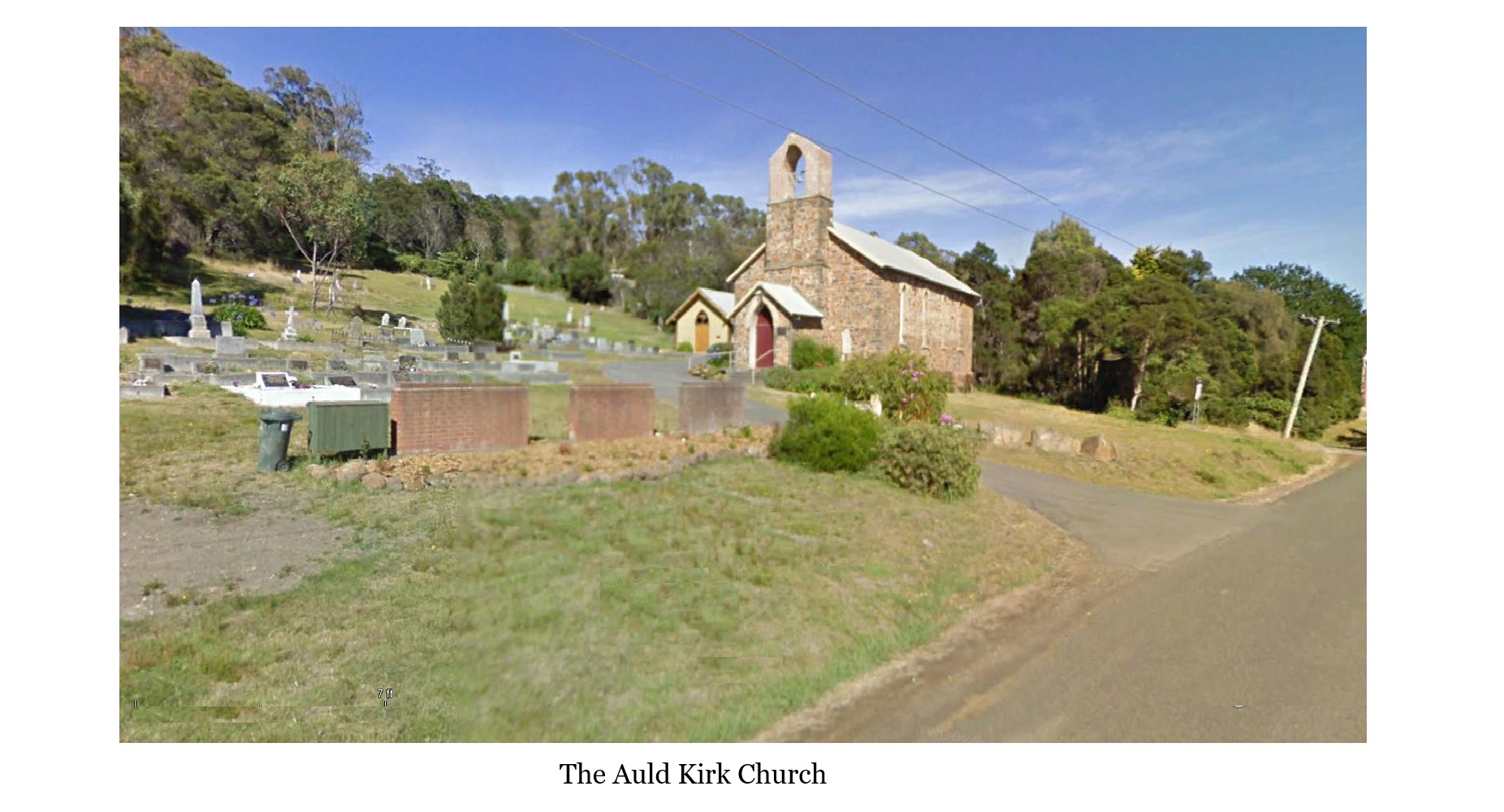
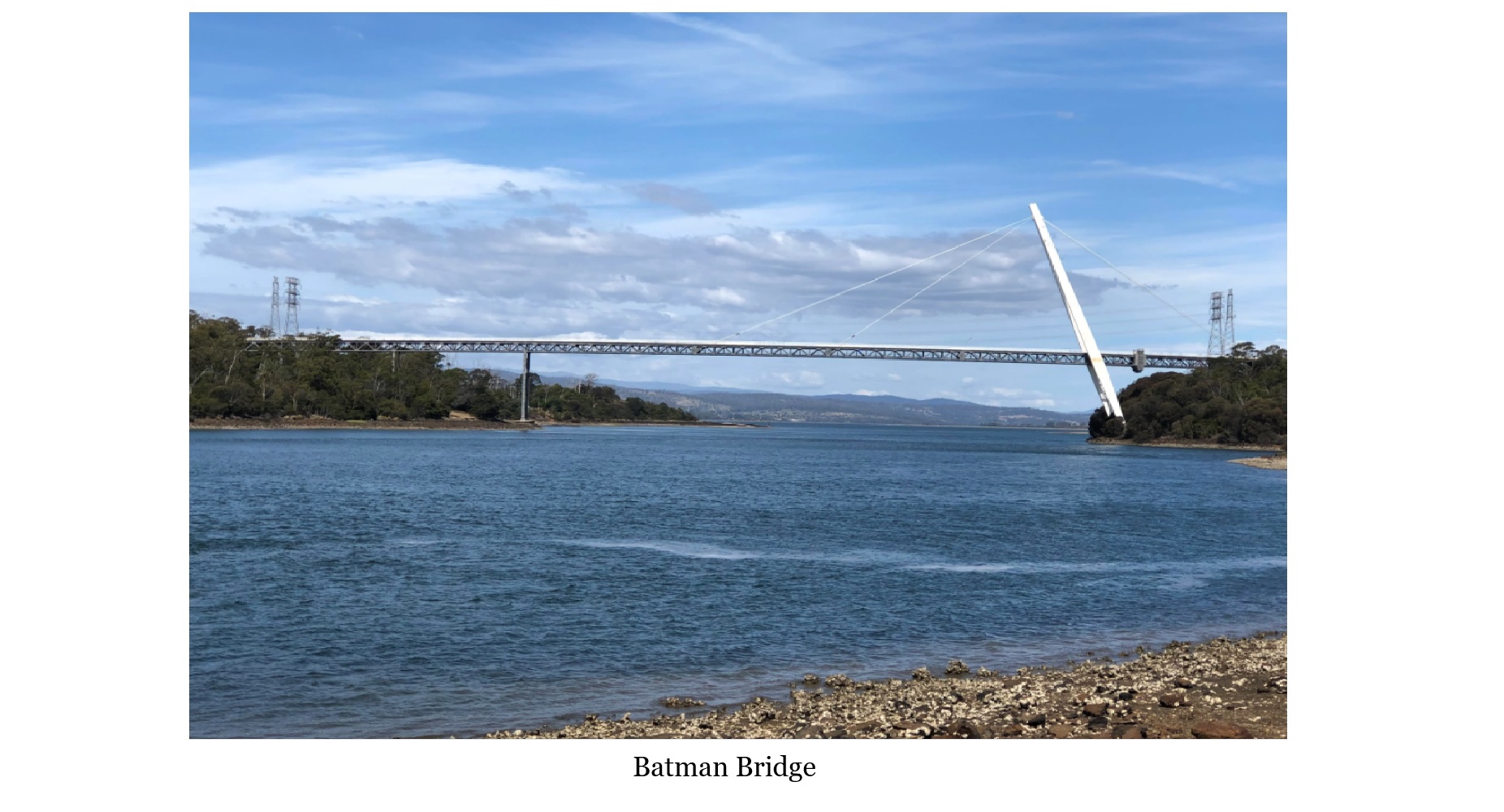
The morning discovering the two explorers traveling north up the Tamar valley, a tour guide stop at Sidmouth to view the historic Auld Kirk,  west Tamar Presbyterian Church,  built in 1845 by volunteers and convict labor.   Also on Auld Kirk road, an unusual lighthouse, the light said to be kept burning by the Presbyterian minister. Down the road a half mile from the church, crossing the Tamar river was the Batman Bridge, built between 1966 and 1968,  the first cable-stayed bridge in Australia.

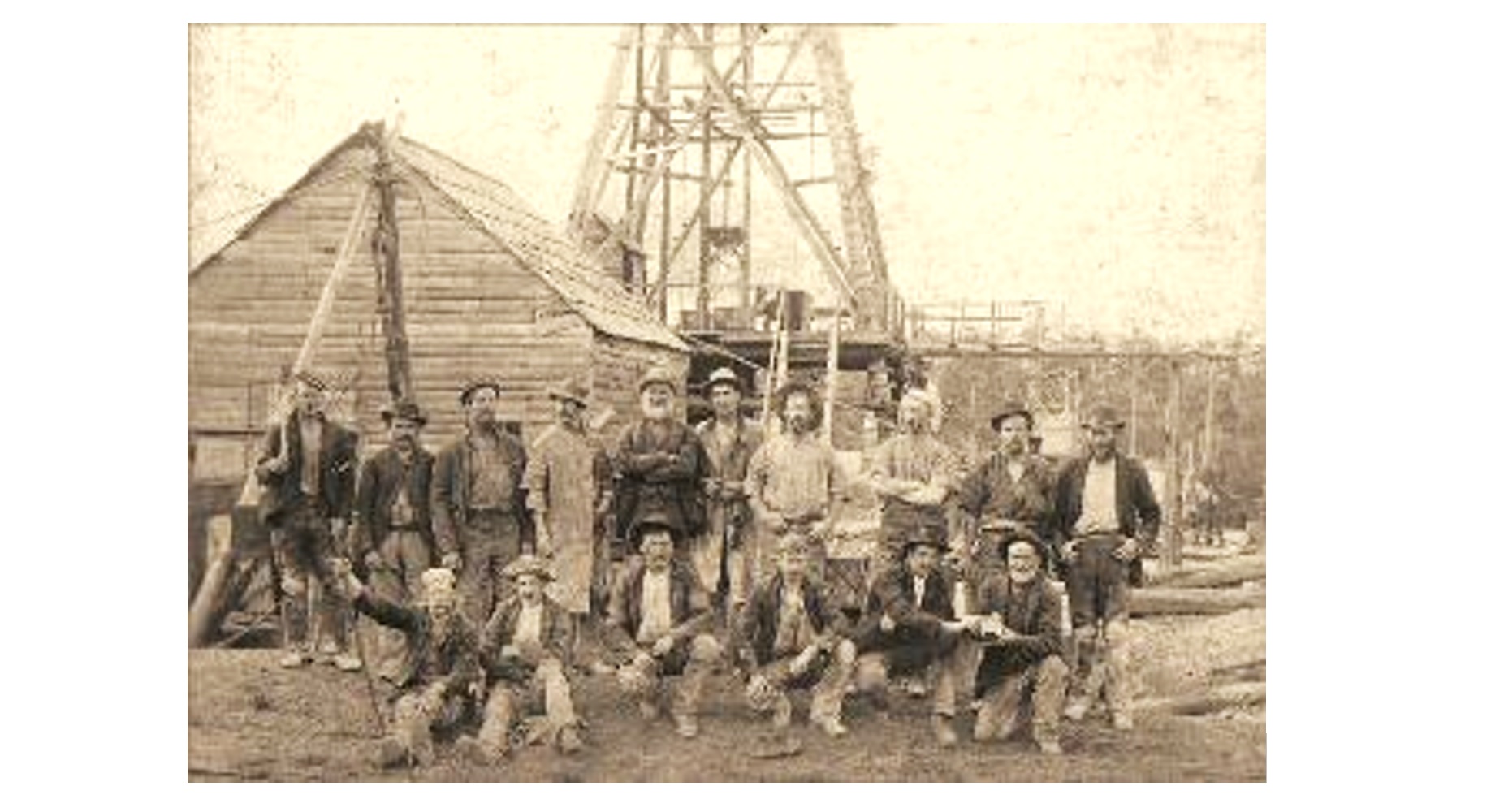
Continuing their northern trek, Beaconsfield next on their agenda,  a visit to the Hart and Grubb,  Shaft Gold and Heritage Museum.   Gold was first discovered at Brandy Creek in 1869  its name changed to Beaconsfield.  serious mining beginning  in 1877 on the  eastern slope of Cabbage Tree Hill by the Dally brother,  the two discovering the motherlode, and with its unveiling , the area’s population soon boomed.  At its peak,  700 men were employed in the mine and 26 tons of gold was recovered, and  by 1881, there were 53 companies working the field.   Beaconsfield becoming the richest gold town in Tasmania.  The two entering the heritage center, viewing a spectrum of the past, a time line of the progression of the mining industry with a sprawling host of exhibits, not only mining equipment,  but production and processing apparatus and tools.   With another satisfaction fulfilled, the Avis rental with its two adventurers reached their norther apex, ensuing a 3 hour journey south, back toward Battery Point, a suburb of Hobart, and their tour booked  lodging reservations at the Cromwell Cottage.

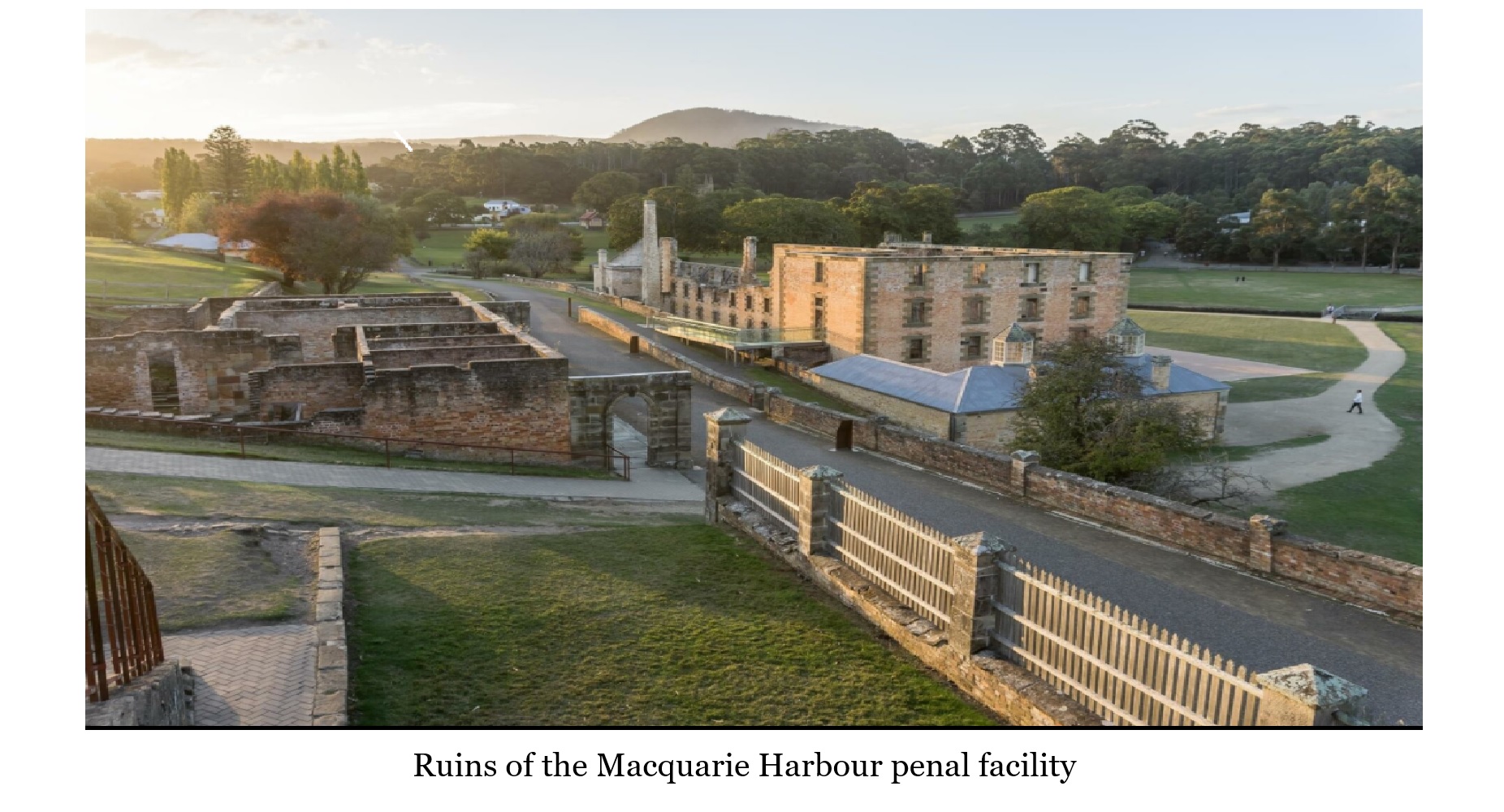
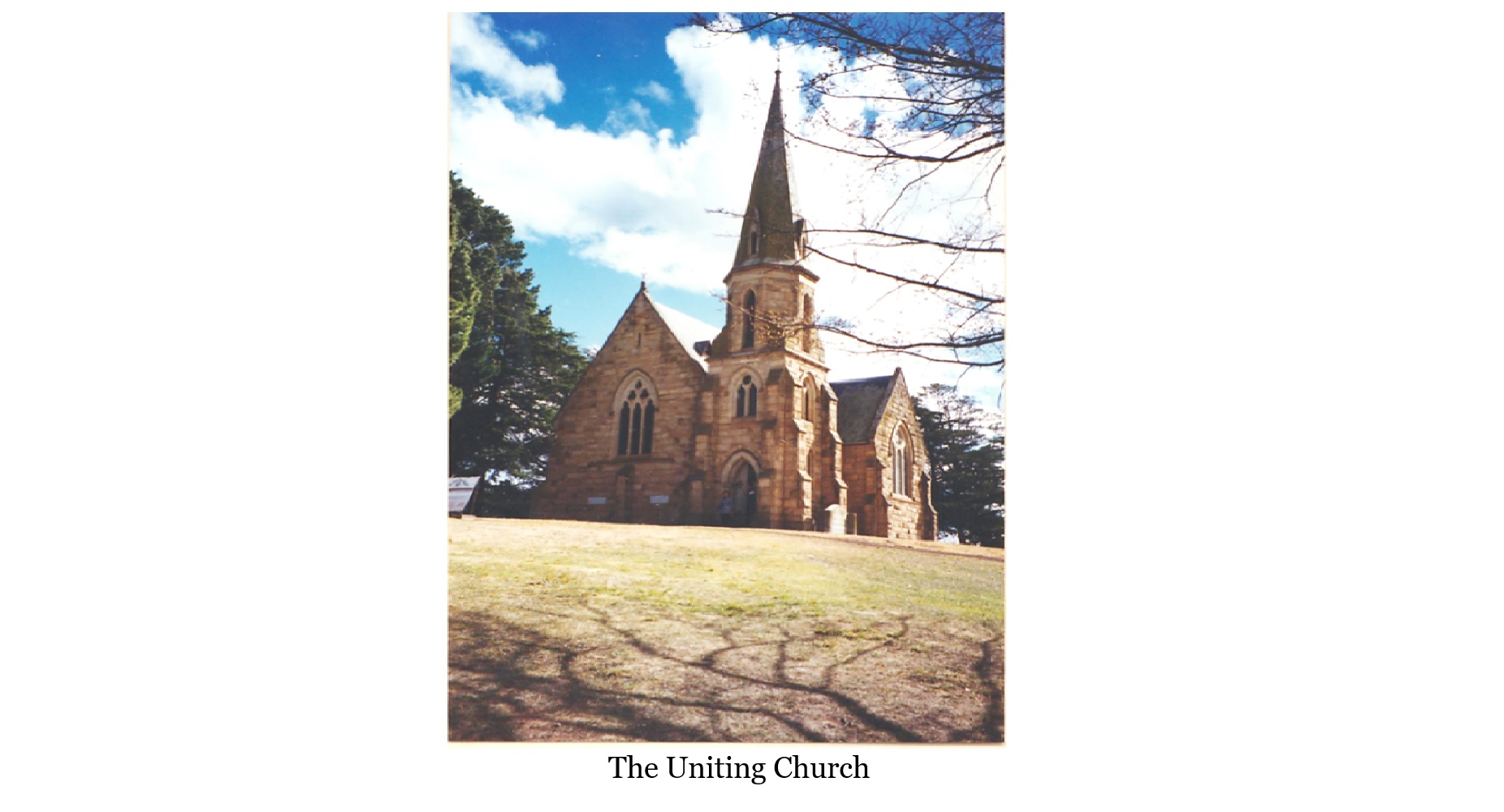
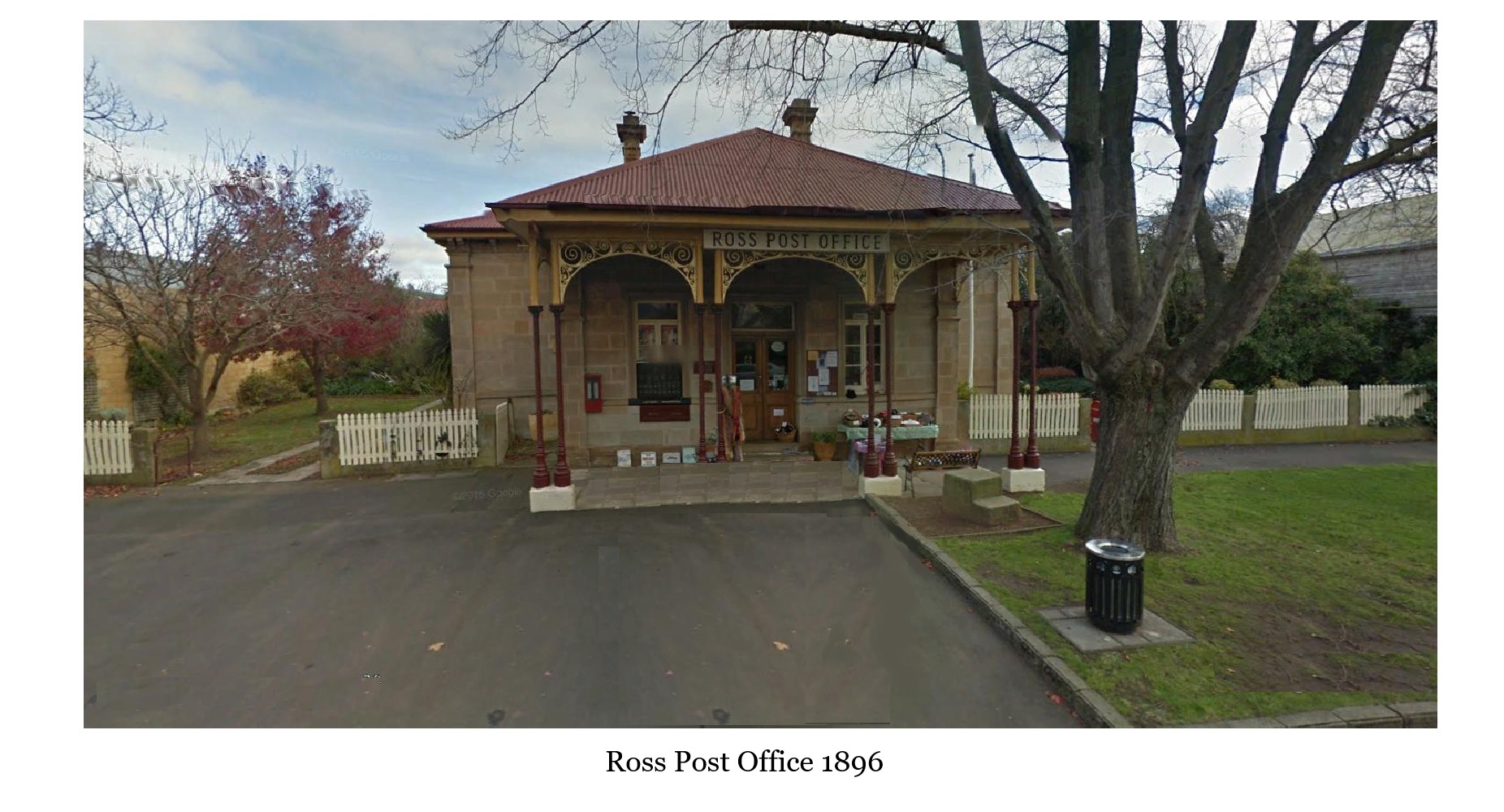
The promo on the literature said,  Let’s talk about Ross.  Nancy and Monica were once again on the road,  curious to view what was in Ross to talk about.  The town was located  north, on the Macquarie River, a sparsely populated hamlet, less that a square mile in area.  Crossing over the river on the immaculate 1836 stone bridge, revealing it too was constructed by convict labor.  The two discovering that from 1803 to 1853 ,  parts of Tasmania served as a penal colony for the British Isles, with upwards of 73,000 men and women being incarcerated and used for involuntary labor.  Parking the car, their walking tour beginning at the entrance intersection island, its two statured monuments and a field gun, a depiction of the men who fought  in the Boer War and WWI.  On the corner, taking notice of the beautiful stone Uniting Church, its services starting in 1885, Its interior included blackwood pews and a ribbing ceiling of pine.  Passing the town hall with sandstone paving  and the Ross Post Office, still in use.  , their tour list addressing over 39 historic sites, the two agreeing that Ross had something to talk about.

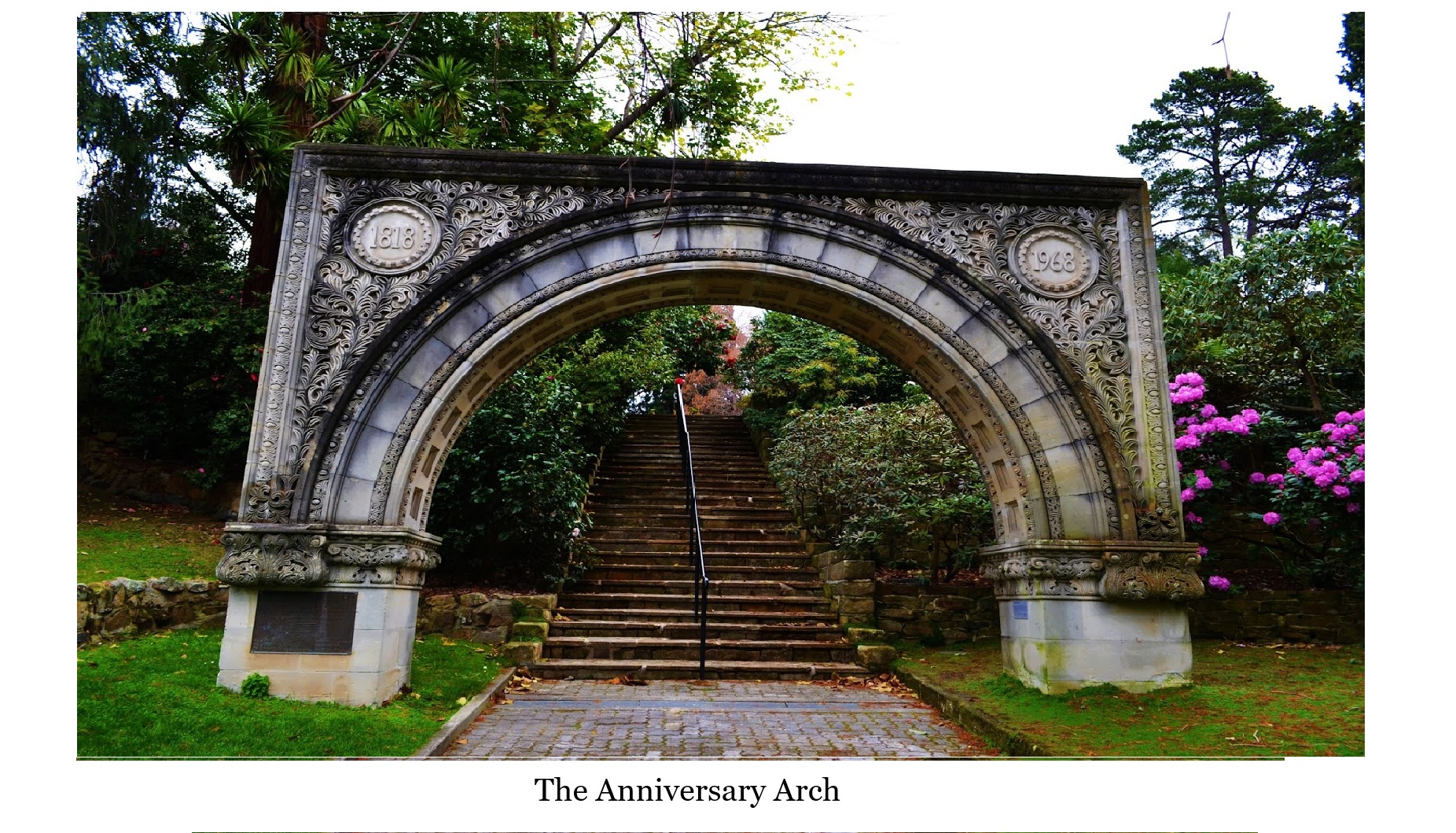
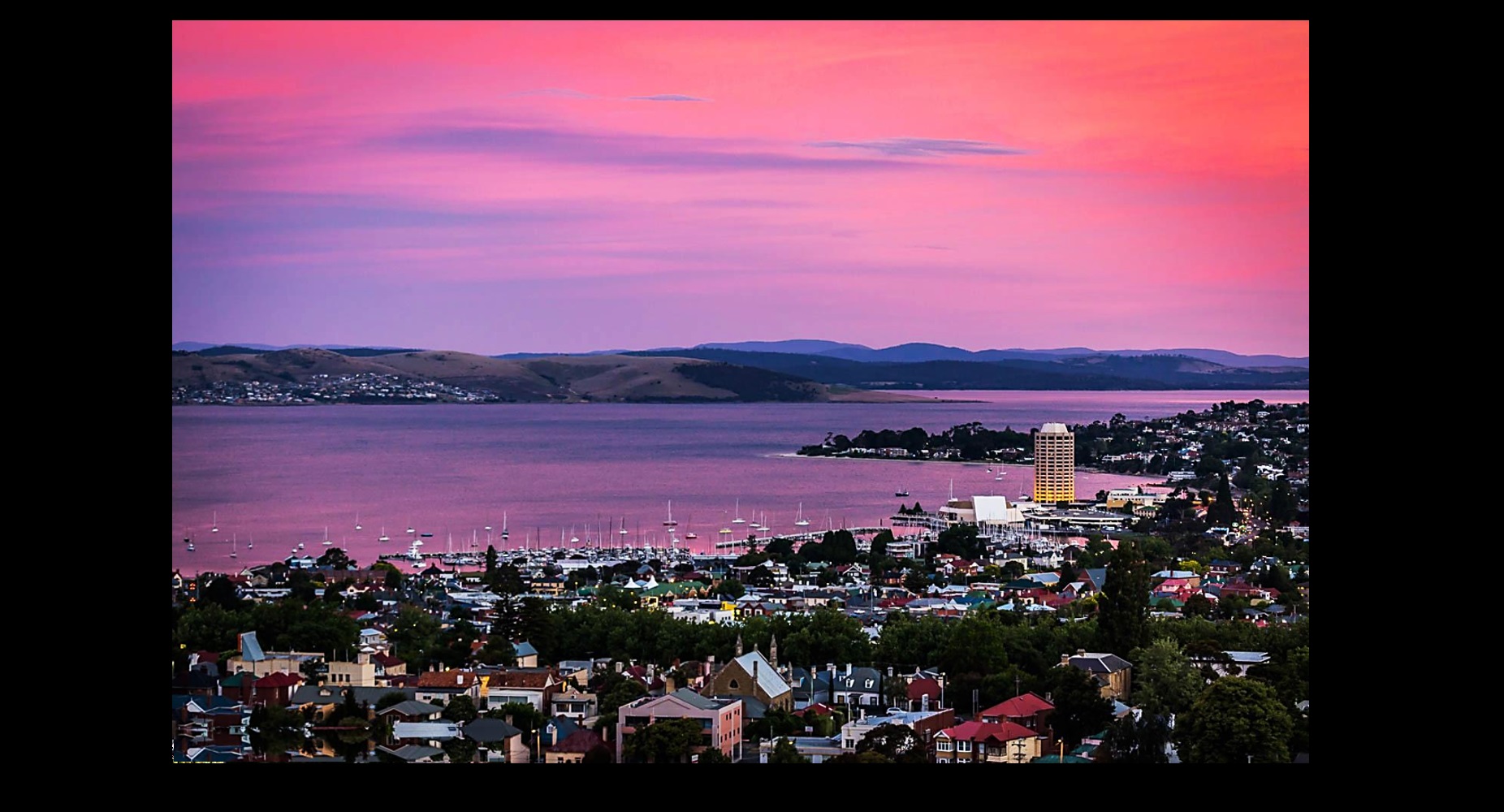
Returning to Hobart and an afternoon visit to the royal Tasmania Botanical Gardens, situated adjacent to the Tasman Bridge, a five lane and Southern rail line bridge across the Derwent River.    the botanical gardens established in 1818,  the second oldest in Australia,   represented by the Anniversary Arch,  placed in the Gardens in 1968,  in recognition of  its 150th year anniversary.  The afternoon found the couple strolling the 34 acre garden,   enjoying the horticultural displays, and the manicured landscape setting.

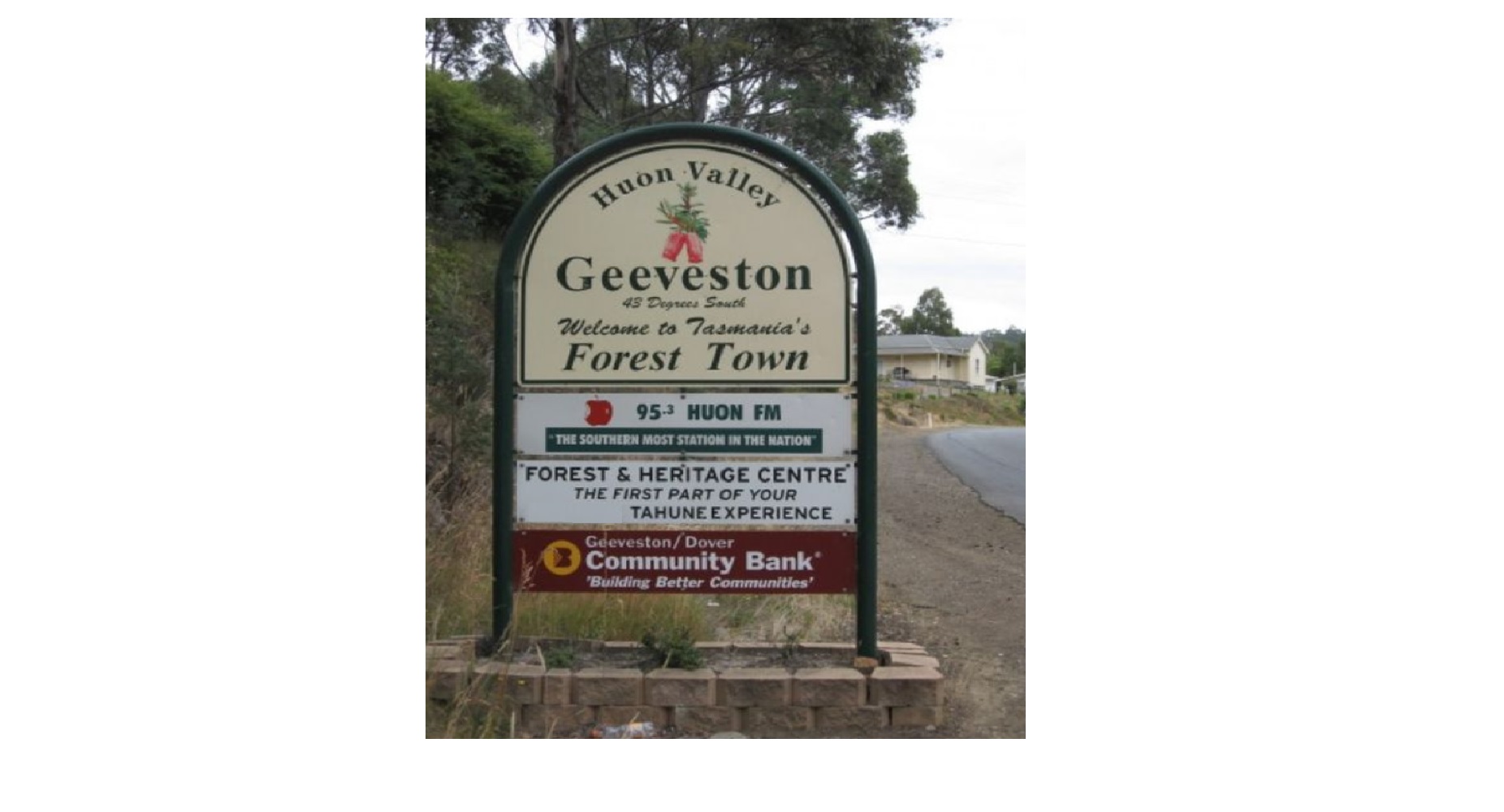
t was their final day, Monica and Nancy journeying south to Geeveston, a small community and the gateway to the Huron  valley and the Tahune forest.  A brief stop in the small town to gather tour information at the forest and heritage center.  Exiting town, turning onto the two lane road, it soon became apparent that they had entered the portals of the Tahune forest, a 30 minute journey to the forest reserve center on the banks of the hear on river

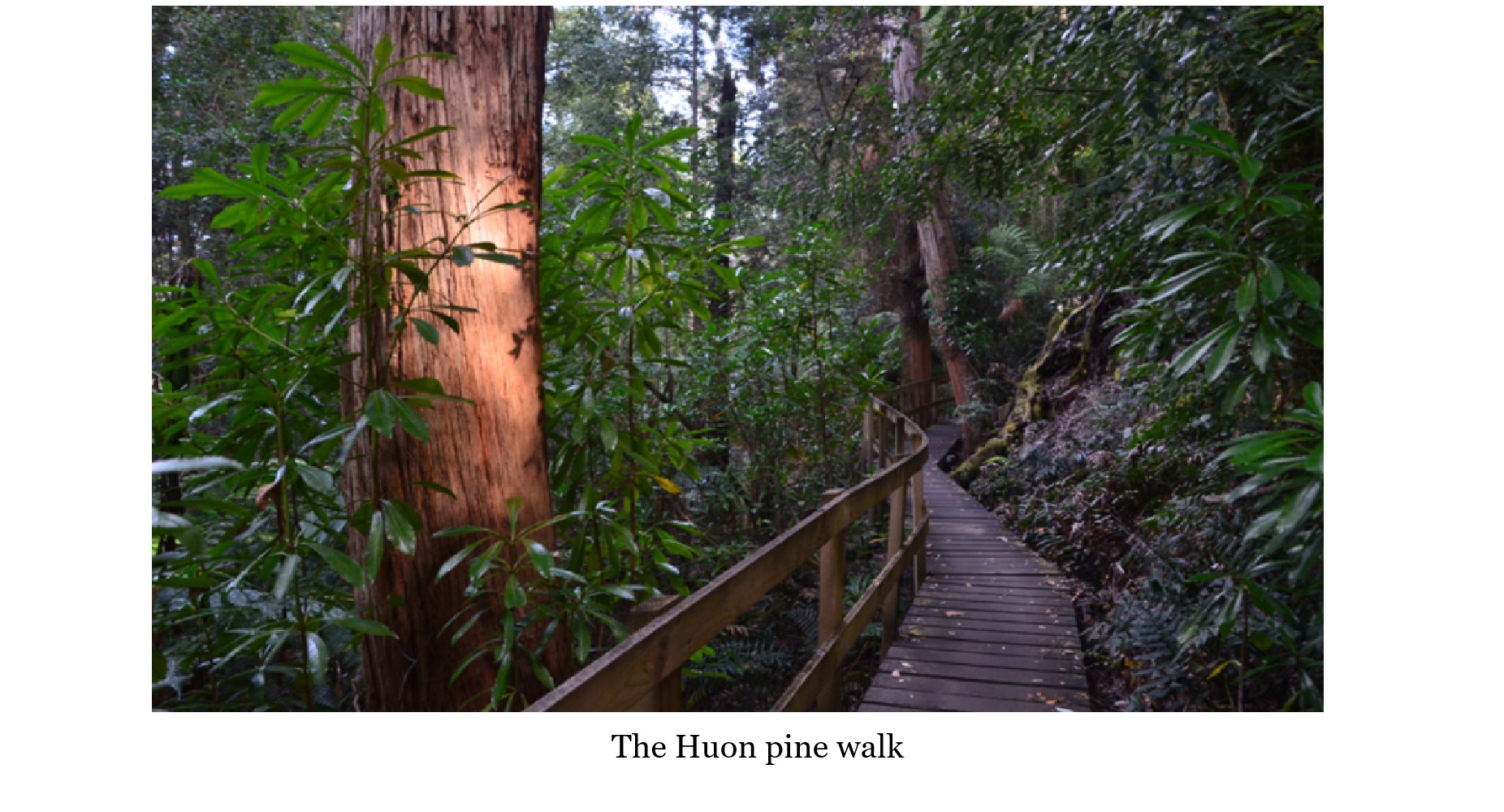
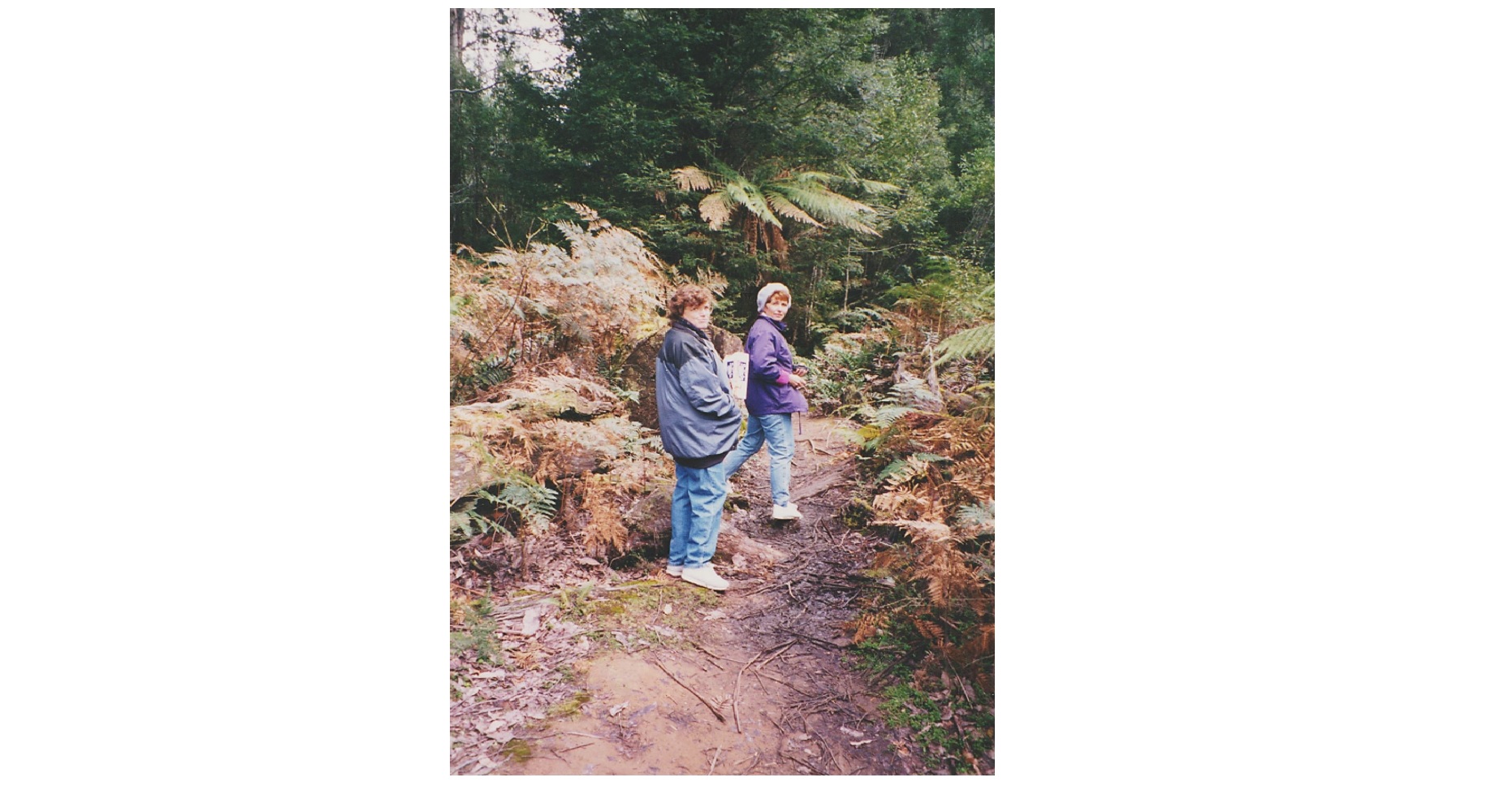
Nancy and Monica crossing the solid concrete bridge over the here on,  starting their tour with the Pine Walk,  a  loop taking in the temperate rainforest located next to the River,  the walk having a marked pathway through the forest.   First coming upon the Huron pines,   one of the oldest living tree species in the world,  having been logged for over the past two centuries,  it’s propertied making it excellent for shipbuilding.   Most impressive were the size of the Eucalyptus Regnans,  better known as the Swamp Gum trees,  some towering over 300 feet.  Coming upon a viewing platform, the two able to survey the  bountiful wilderness and the river from an eagles height.  Continuing on near the river,  coming across a small picturesque rainforest waterfall,  the tributary on its journey to acquaint the here on river,    the two taking time to pause and absorb the pastoral grandeur of their surroundings.  Nancy not so much embossed by the free standing trees,  but more engrossed with the laden smaller species, and their never ending struggle with the aggressive rainforest ferns and undergrowth.  The explorers afternoon continuing, the scenic wonders never ending.  Finally taking notice,  the hour was waning,  it was time to return to reality.

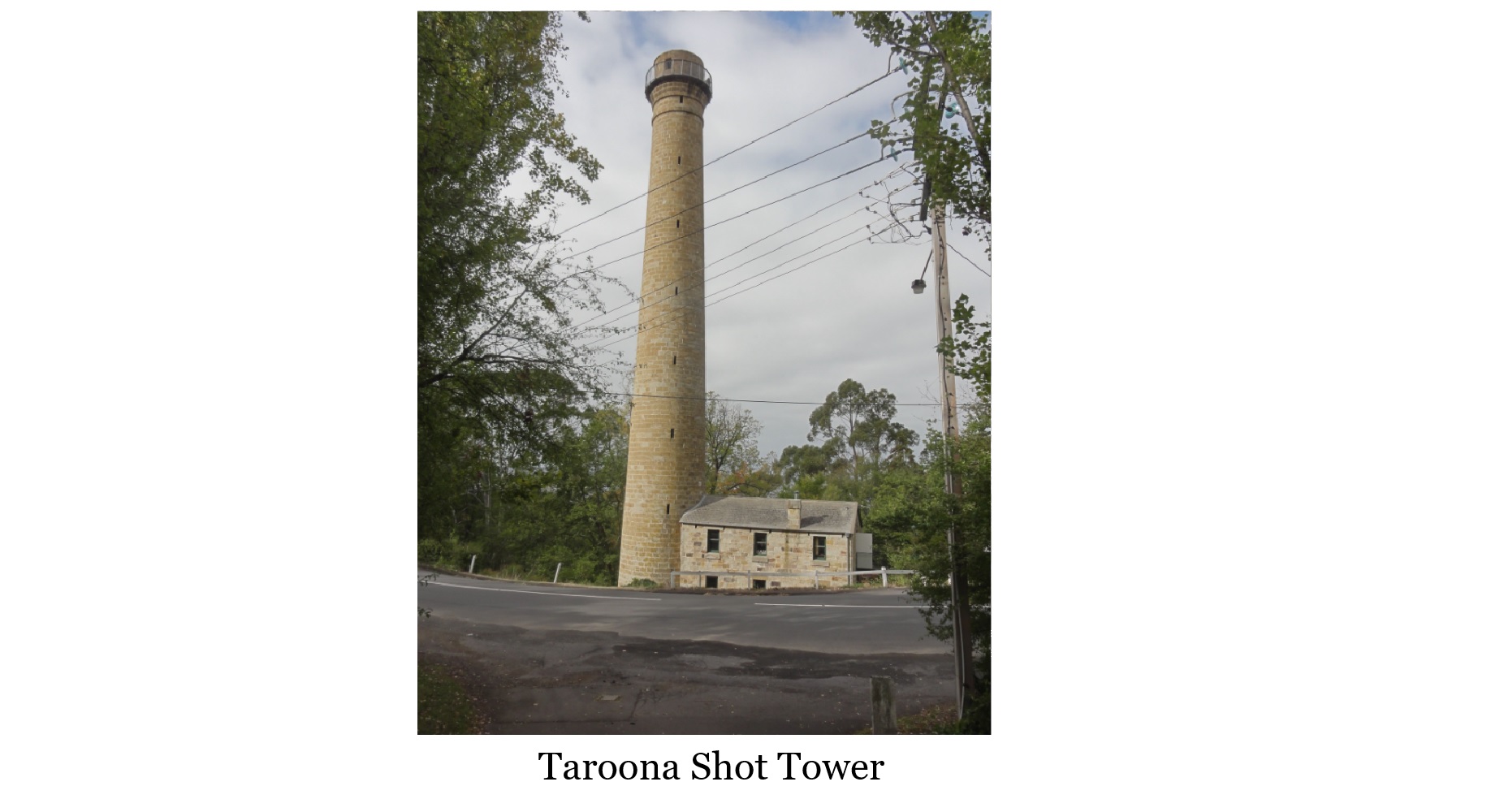
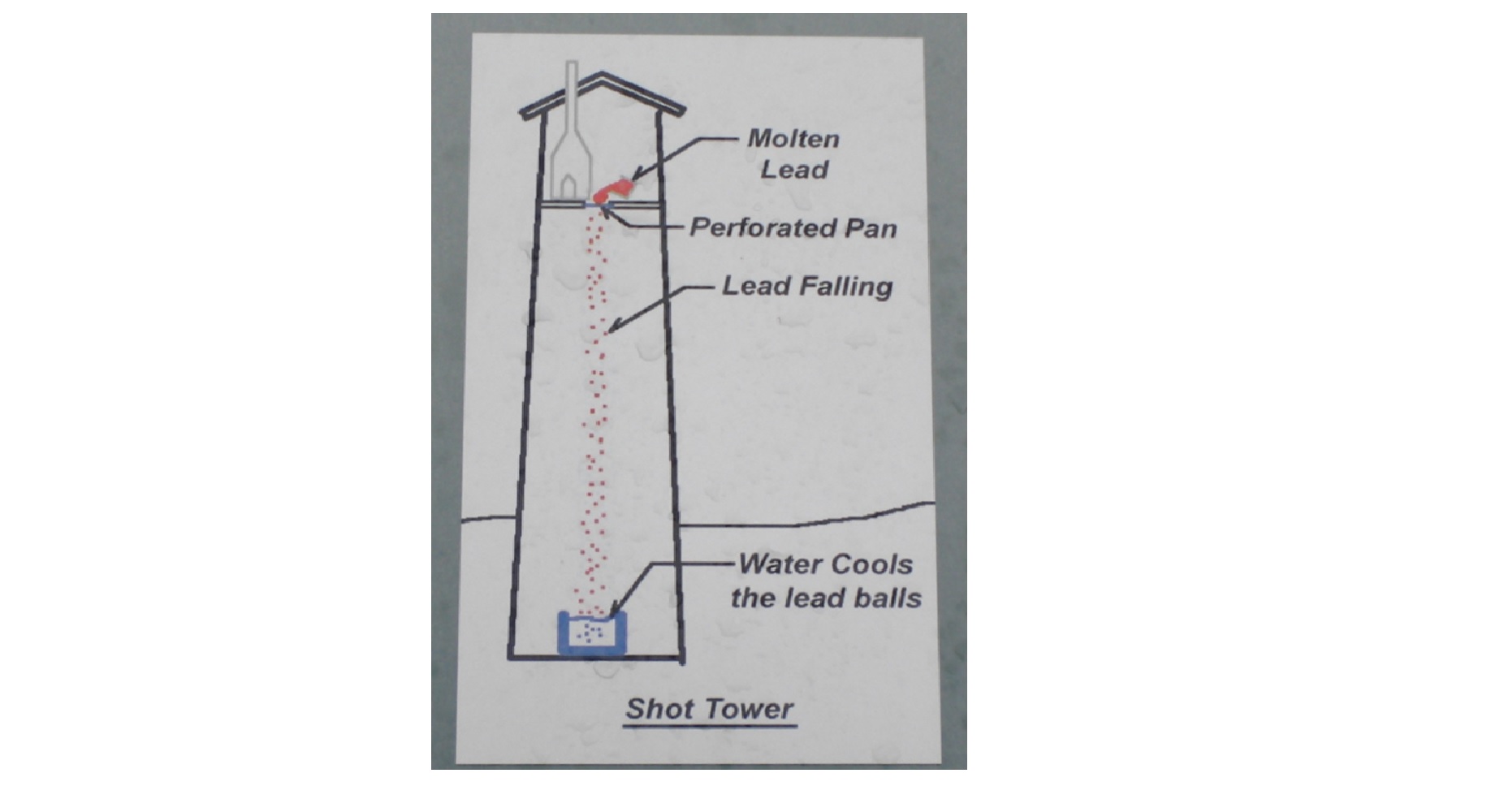
The return underway, bidding the Tahune forest reserve a farewell,  the adventurist with another planned stop before calling it a day.   The town of Taroona was not far from their Battery Point abode,  and was host to one of two remaining Shot Towers in Australia.   The 157 Ft.  tower was built in 1870 by Joseph Moir,  and operated till 1964   Shot towers were used as a means to produce balls for firearms munitions. Workers at the top of the tower would pour molten led through a sieve. During the fall,  the led would begin to cool,  forming a round ball before its fall was terminated in an open pool of water.  The two stop not to impressive,  entering the gift shop, noticing,  but declining to traverse the stairwell to the top.

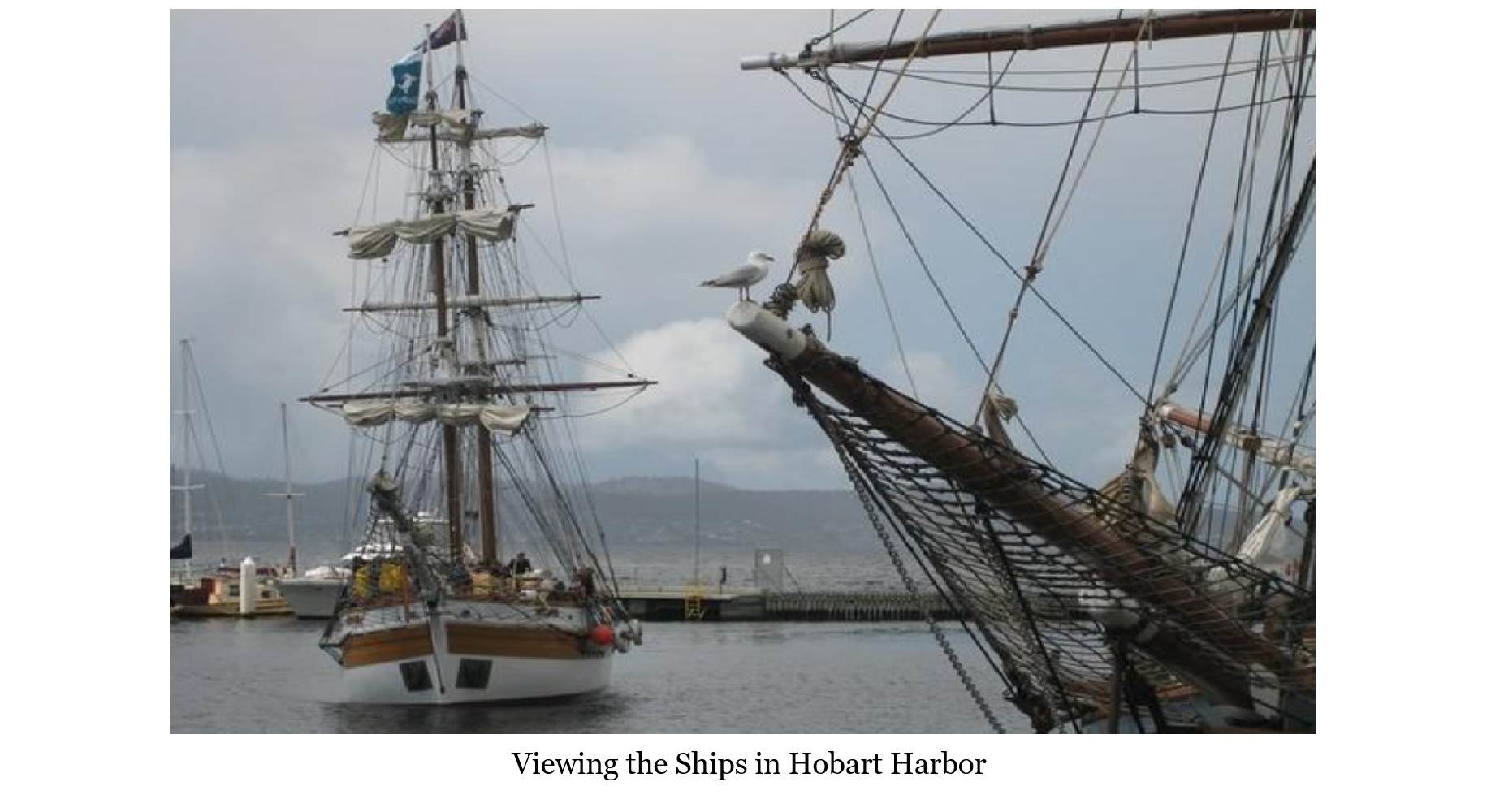
Continuing their drive to battery point along the bay highway,  viewing the harbor vista,  knowing their Australian quest was coming to an end.  a brief stop decision being made at the Sandy Bay Marina, the two getting out,  absorbing the atmosphere of their surroundings, a two mask schooner and a close up view of the boats at anchor, before continuing the 6 blocks to their Cromwell reside.   It was unsaid, but when packing that night, for their departure, it was almost like leaving an old friend.

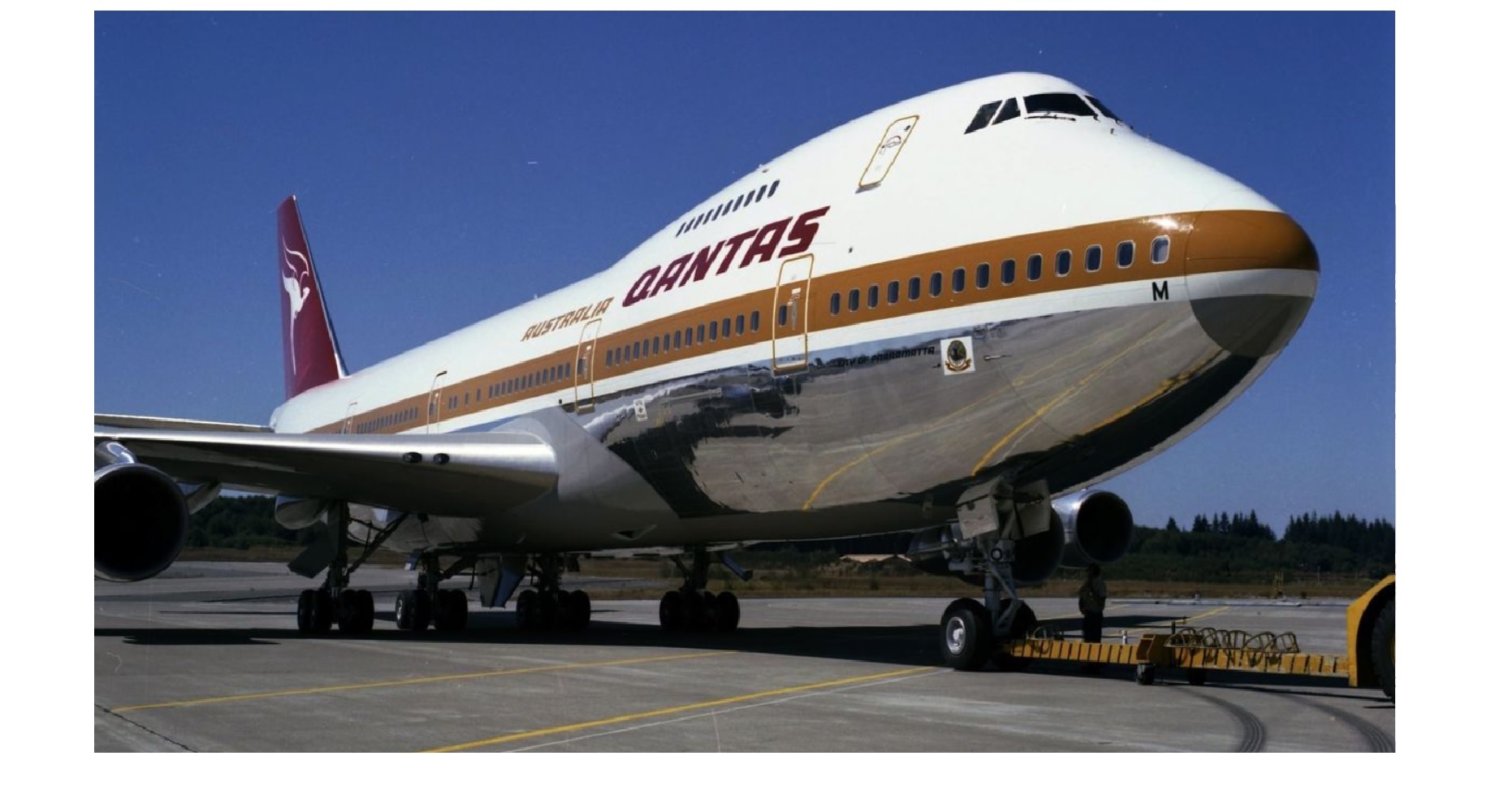
It was an early morning awakening, Nancy and Monica having to return their rental car at the airport and a 6:30  Melbourne departure time.  As expected there was a layover in Melbourne,  the two finally boarding a Qantas 747 for their 22 hour non stop flight to Los Angeles.  Nancy settling in for the long journey home, a time to reflect on her Australian Quest, and the meaning of  undertaking,  acknowledging the land down under’s past and scenic wonders,  but coming to the conclusion the story is about the journey, not the destination.


Once Upon A Time – The Life Of Betty (Potter) Willson #1

July 30, 2014

96th Birthday – 2016

The following is a transcription of over a hundred handwritten pages of my mother’s remembrances journaled in a notebook over a span of years after reaching the age of  88.  The words and sentence structure for the most part remain as originally written vividly projecting her personality, the flavor of the landscape and her view of the times.


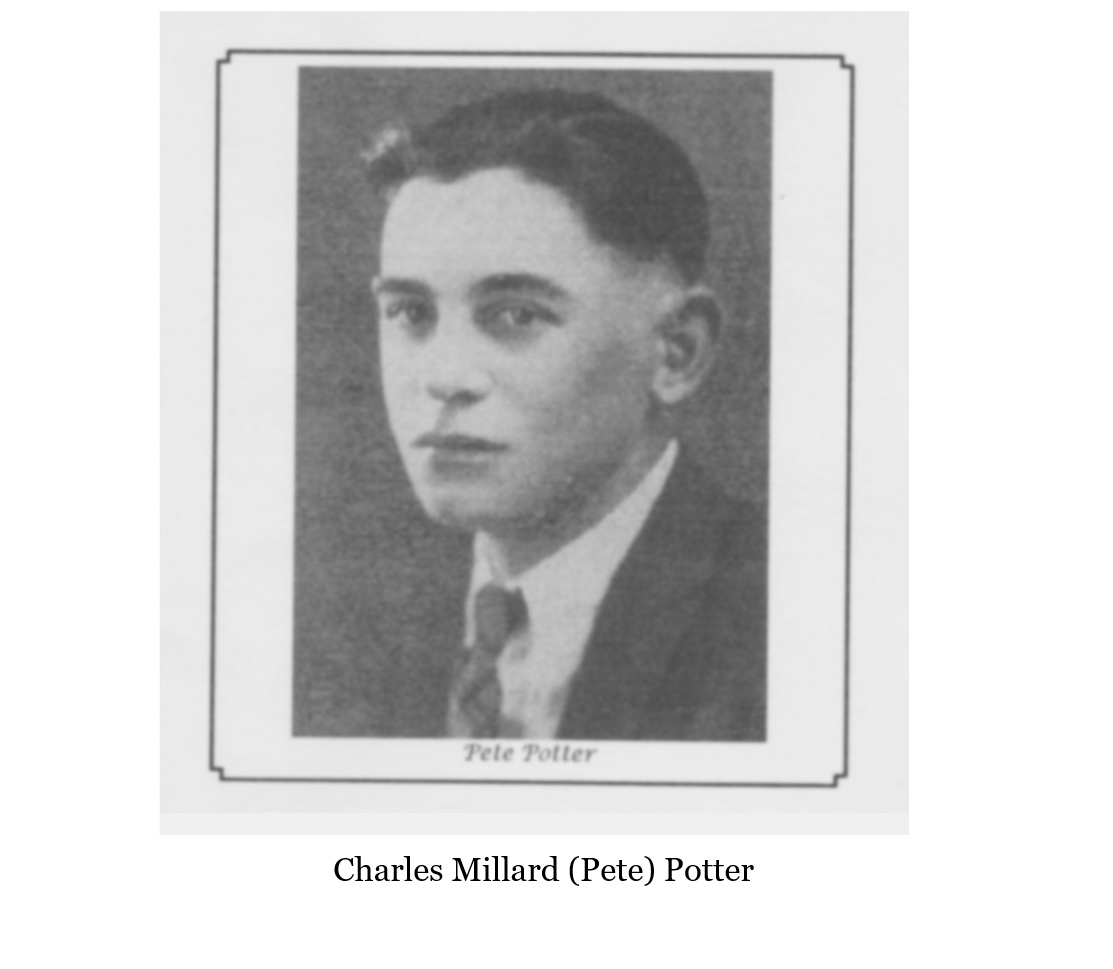
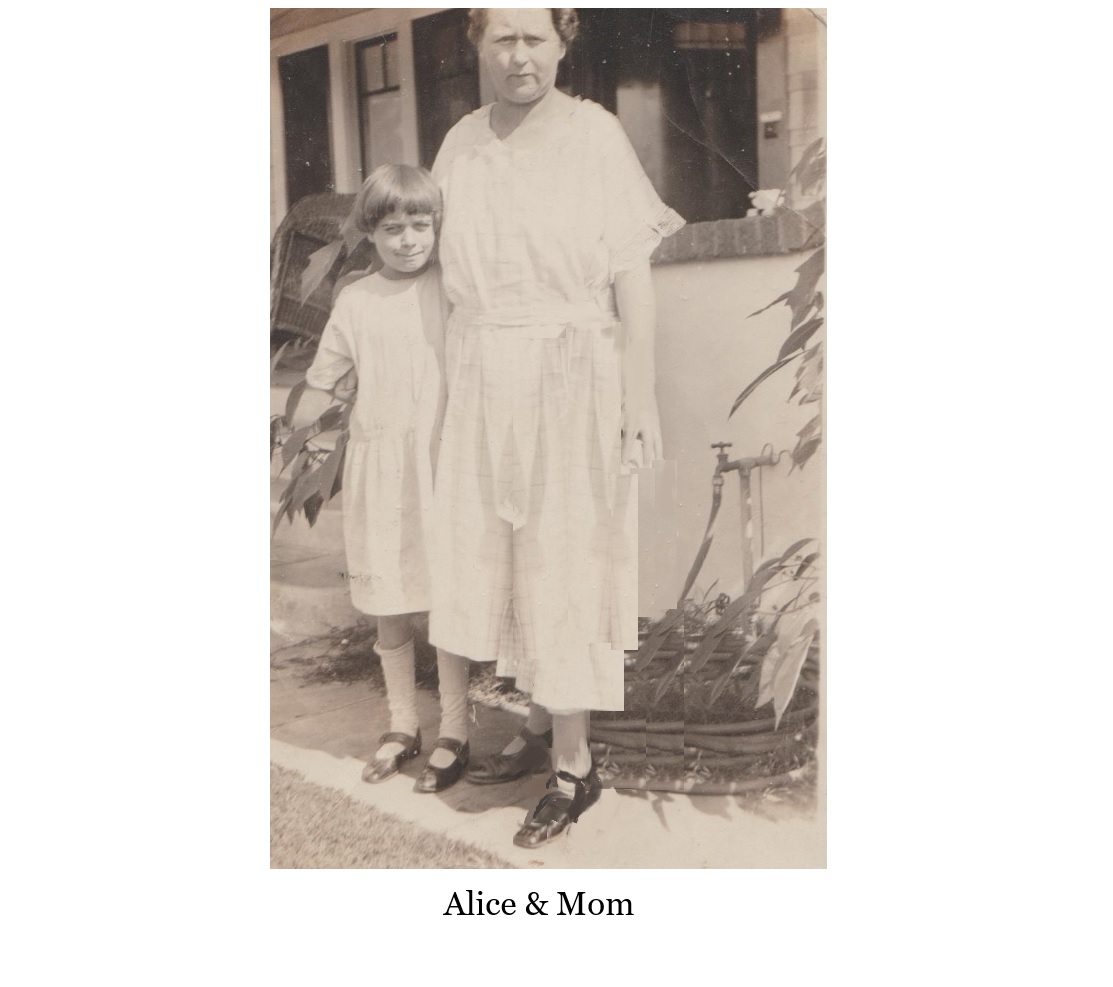
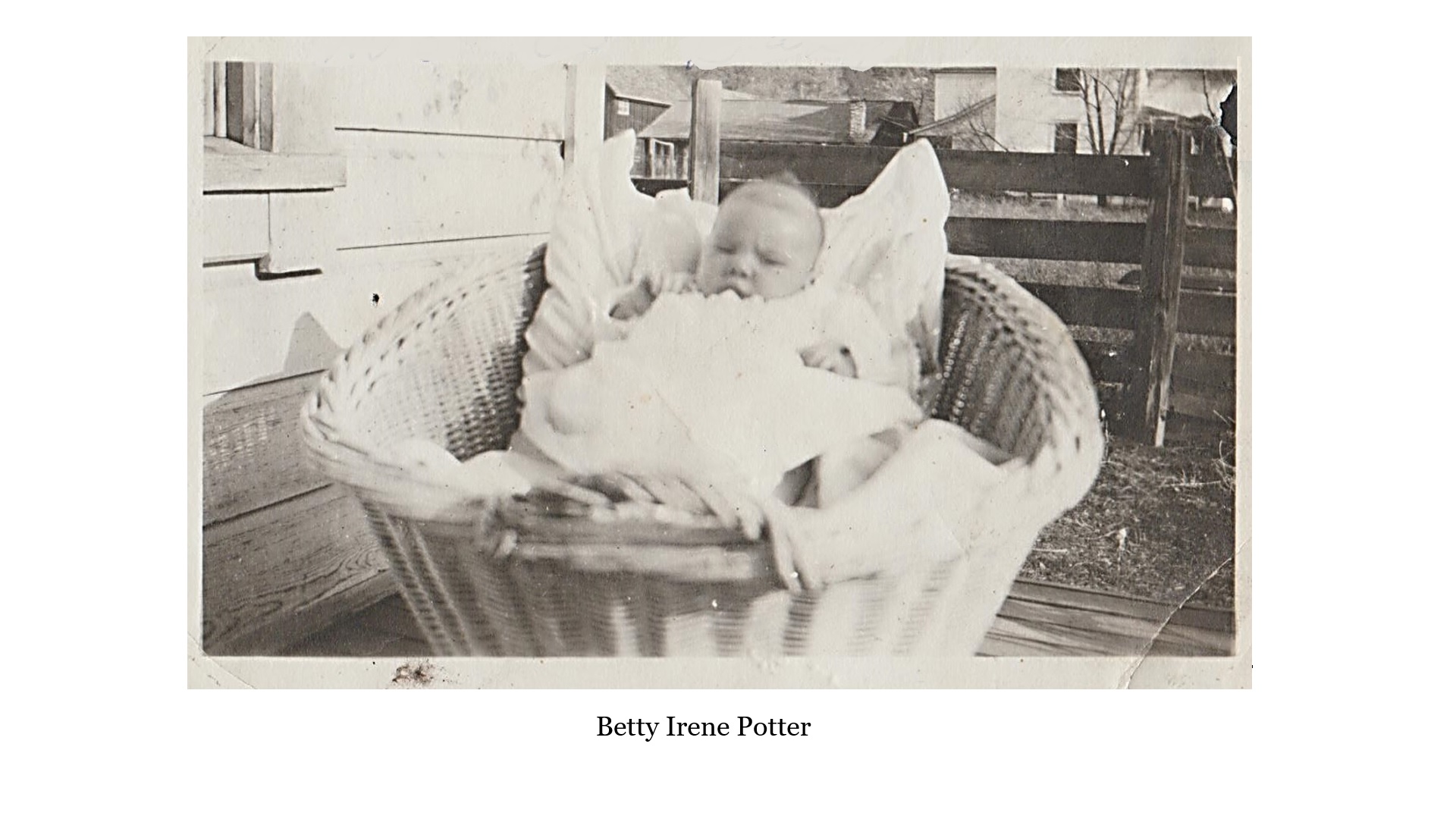
Once upon a time many long years ago in the year 1920 a baby girl was born in the Scott Valley town of Fort Jones, Siskiyou County California.  Her mother, Olive Annie (Kuder) Potter, age 37,  her father Robert (Bill) William Potter was a versatile cement contractor builder welcoming the beautiful baby addition.  She had four siblings; Samuel age 19 attending college in Long Beach;  Della who was taking teaching exams at a school in Chico, the following year to be renamed Chico State Teachers College; Charles Millard age 15 ½ attending high school and 7 year old sister Alice Minerva going the grammar school.


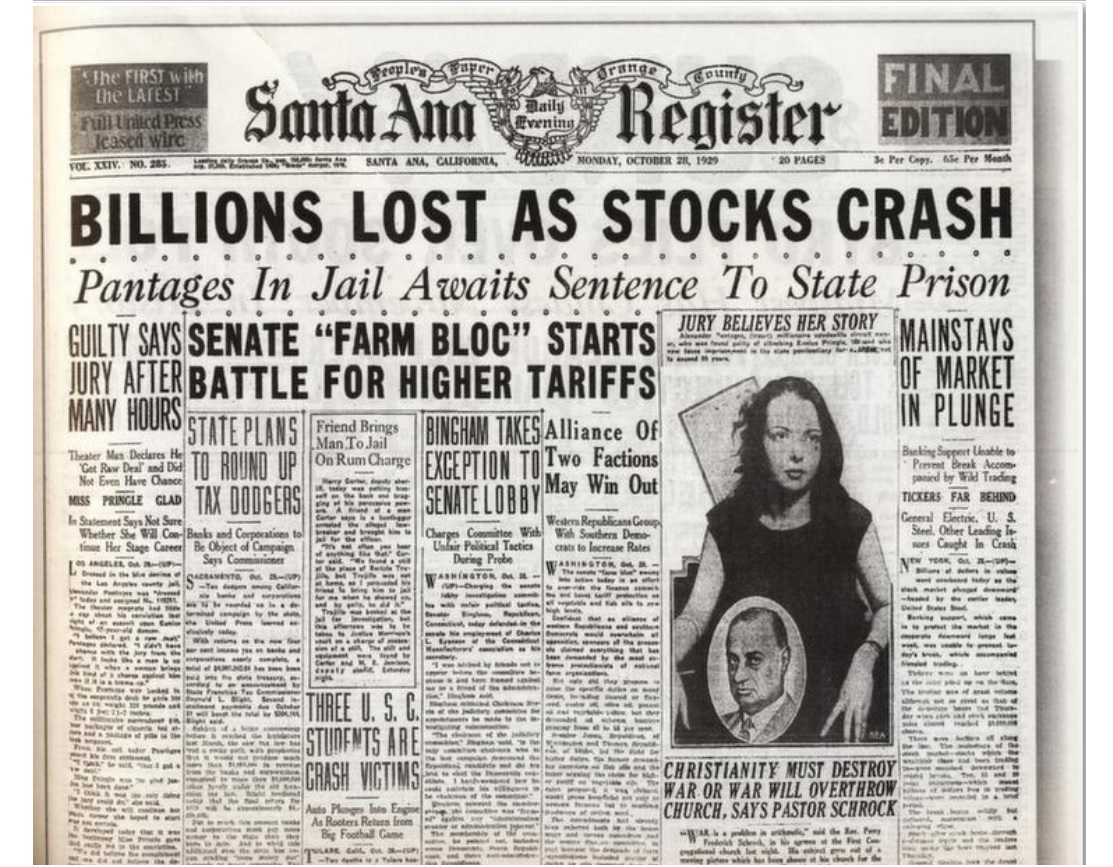
It was a time of the “roaring 20’s and the worst flu epidemic the world had ever known and was also the first time women could vote in an election.  It was also the start of prohibition, women dresses that showed their knees, cutting their hair and a time when everyone thought they couldn’t live without cars, electricity, inside plumbing, radio, washing machines, refrigeration, silent movies and the beginning of airmail and air travel.  At the end of the twenties came a down fall, the stock market crashed in October 1929 and the start of the big depression.

“Thus, a baby girl born July 22, 1920, Betty Irene Potter was conveyed into a world of change and promises.”                                                                                                               This is her life.


I have only a few memories of fort Jones.  One of falling out of the smoke house and breaking my nose, my Grandfather Kuder picking me up and holding me with great love.  My sister Alice and her friend Norma, with me between them the three of us running from a drunken Indian.  I remember being in a car stuck in Chee-Chee Lane when my sister Della got it stuck in the ditch.  I also remember a huge barn fire and mother moving all our treasures because she thought our house would burn and then the time playing barber with a boy and he cut off all my beautiful curls.


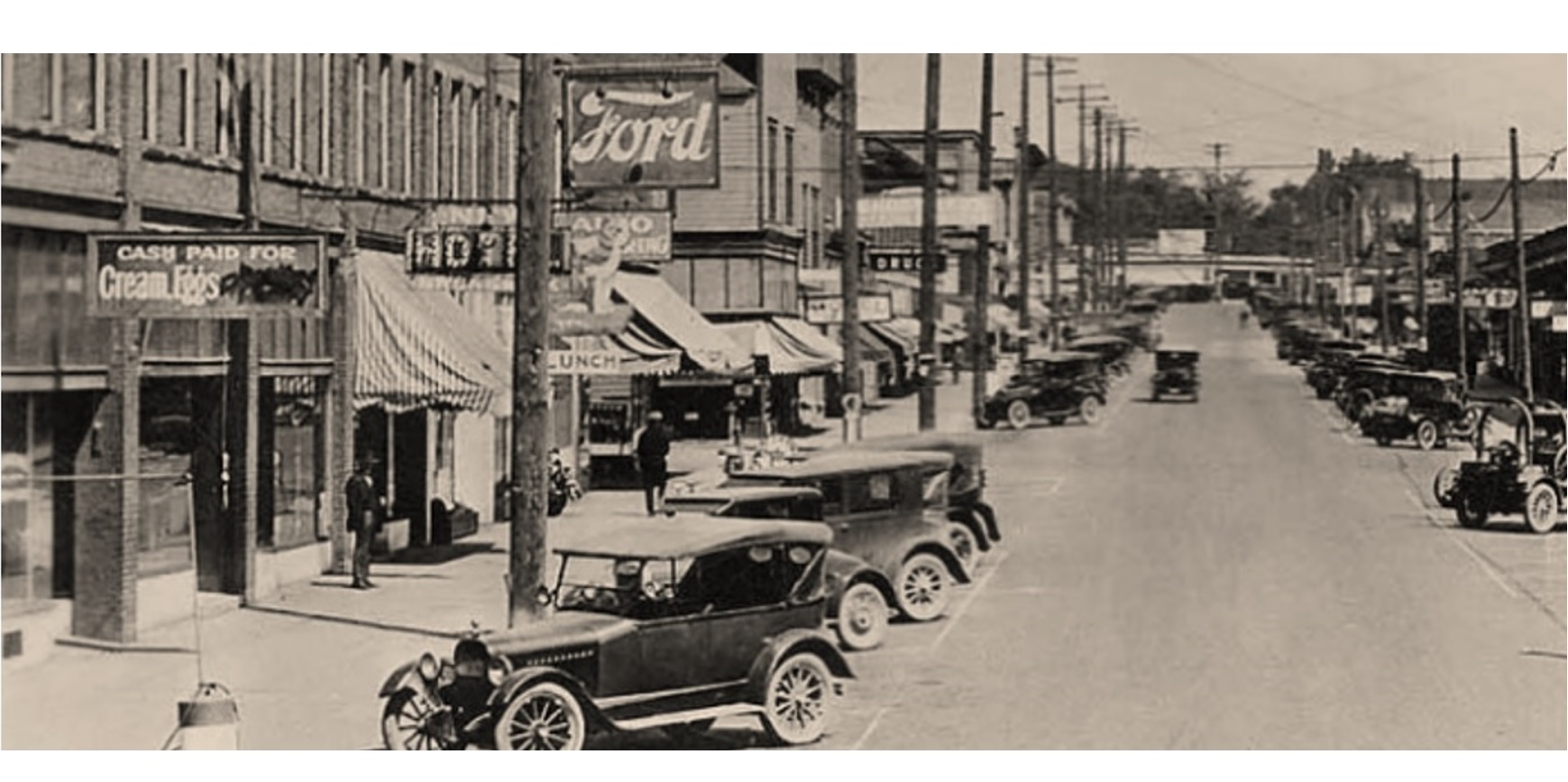
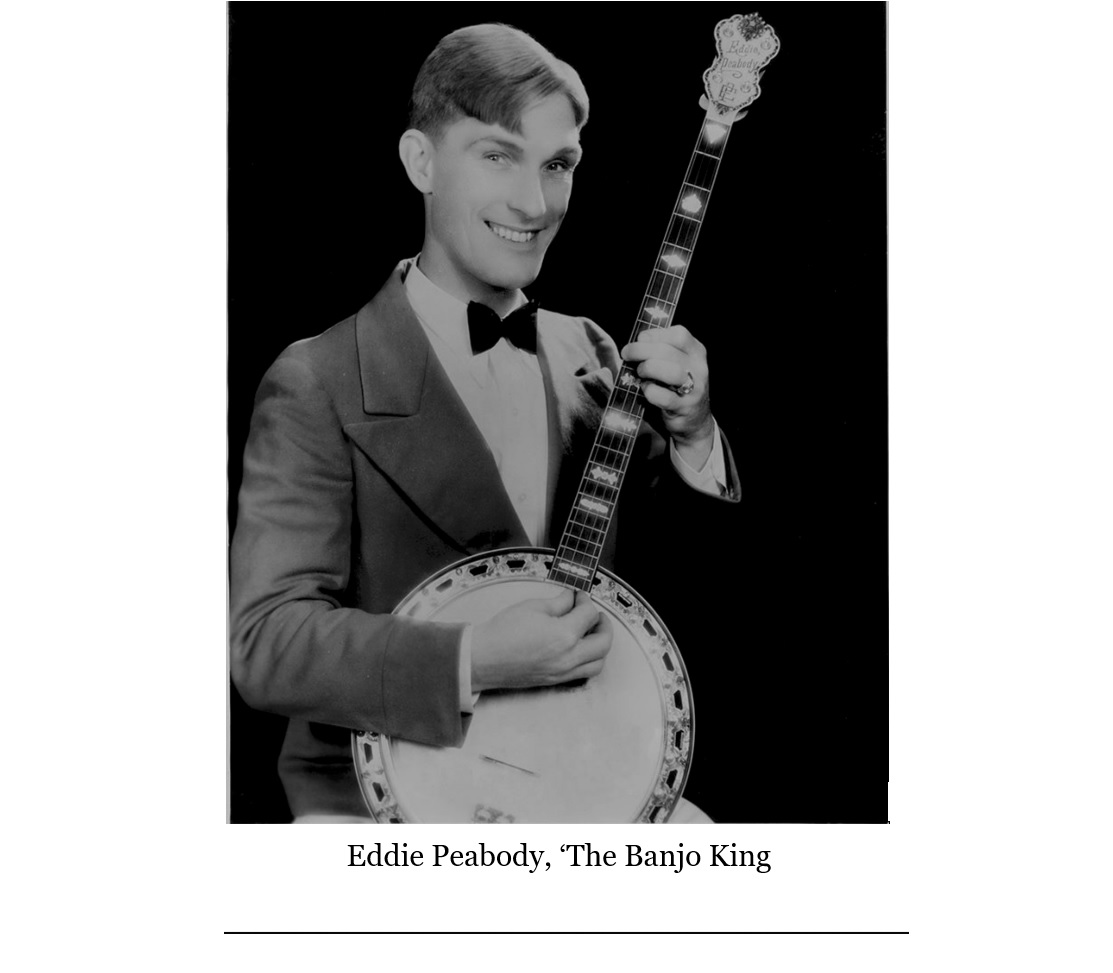
We moved to Yreka into the Joe Miller’s house in 1923, my brother Sam having returned home after working with Uncle Denim and going to Architectural school in Los Angeles.  Dad was building the Yreka Laundry, several houses , the Ford Garage and had to moved the Call house while they were still living in it so he could build their new house.  I use to go to the Circus in Montague with the Call’s every year.   Our cousins, the Busby’s visited on their way to Alaska and Aunt Olive also came to visit.  While visiting,  Eddie Peabody (the banjo King) stopped to see her.  They played the banjo and guitar on the front porch to the neighbors delight, Aunt Olive having accompanied him on the stage until she married Uncle Cory Dohans.


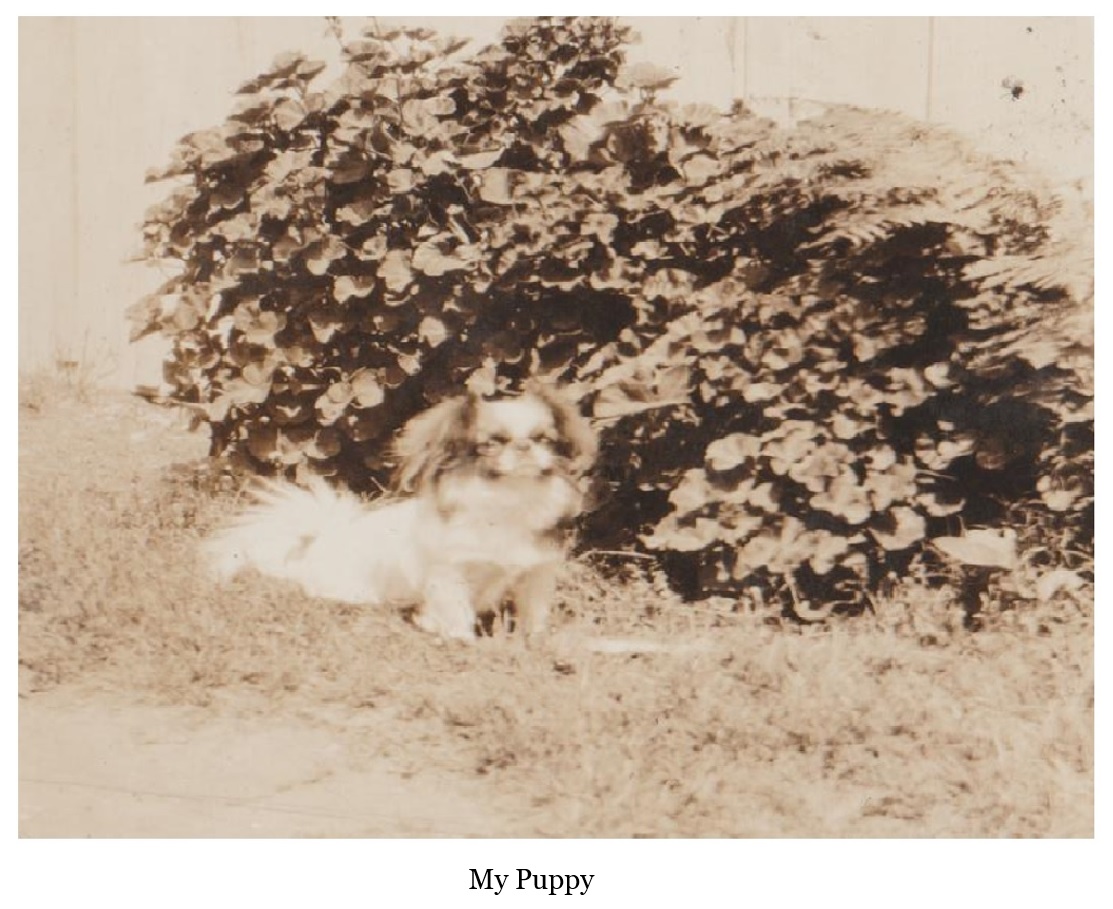
Mrs. Short give me a Toy Spitz puppy, he was my pride and joy.  One day mother started the old gas washing machine and so startled my puppy that he leaped off the back porch and hit the root cellar door and broke his neck. I was heartbroken and grandpa Kuder help me give him a grand funeral.  When I was four and a half mother took me to a tea in honor of Mrs. Patsy Reed who was with the Donner Party.  My brother Pete told me she ate people and when I was introduced to her I was so frightened I screamed “don’t eat me.”  Poor mother was so embarrassed I was sent home as punishment but Pete got a lecture.


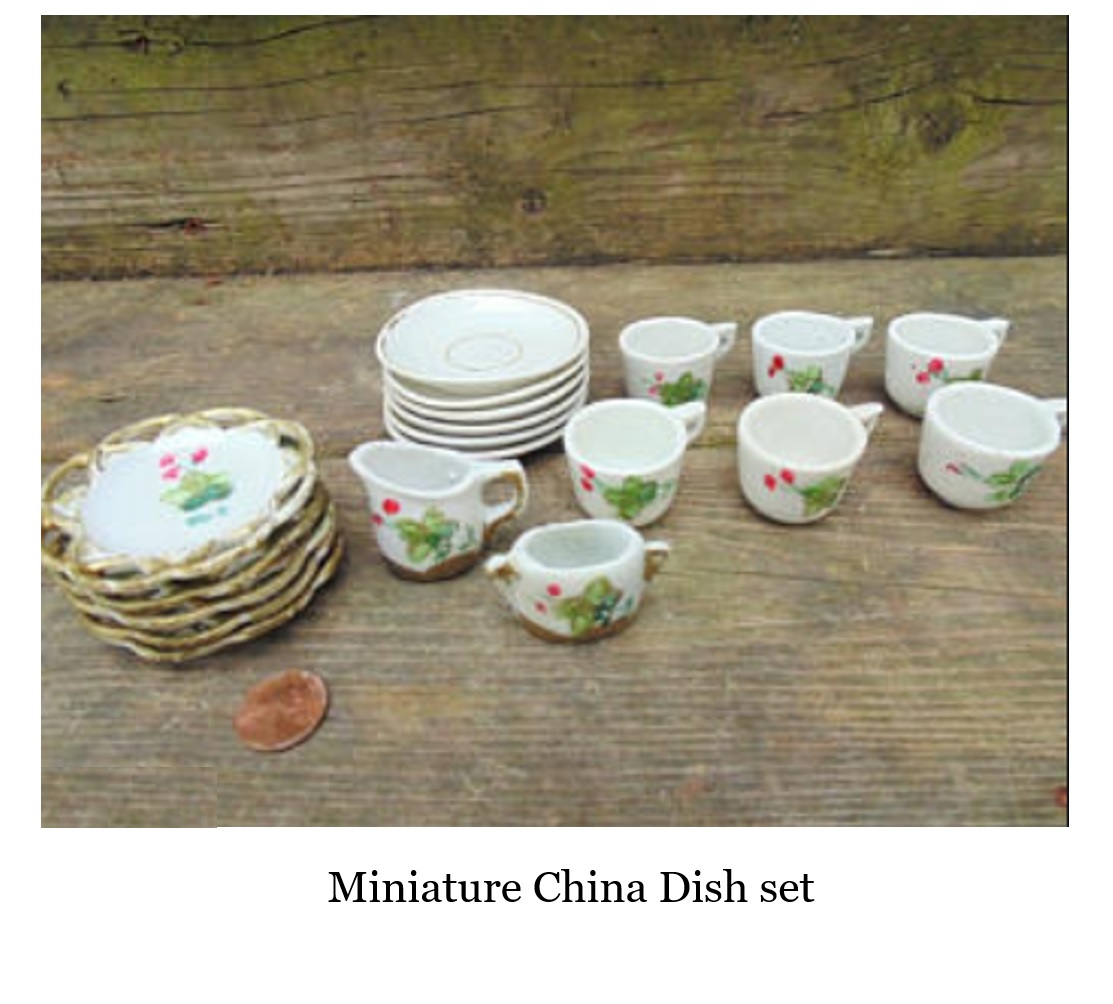
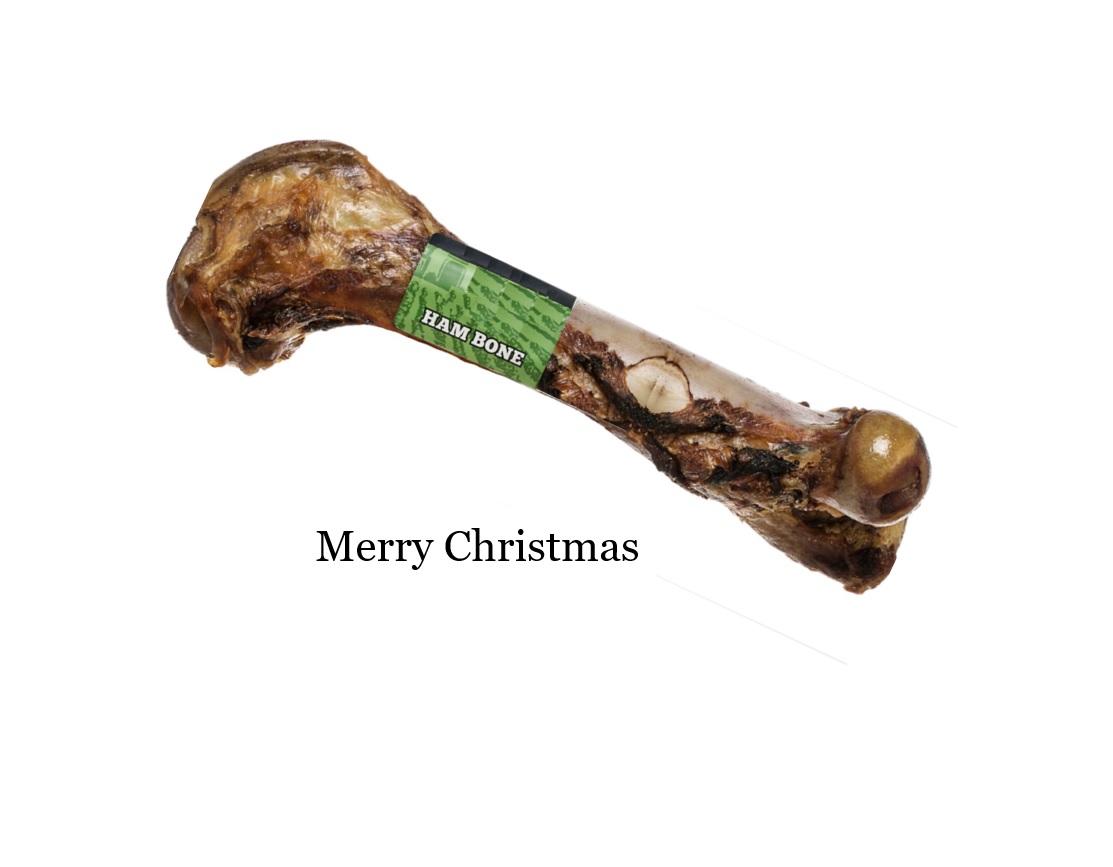
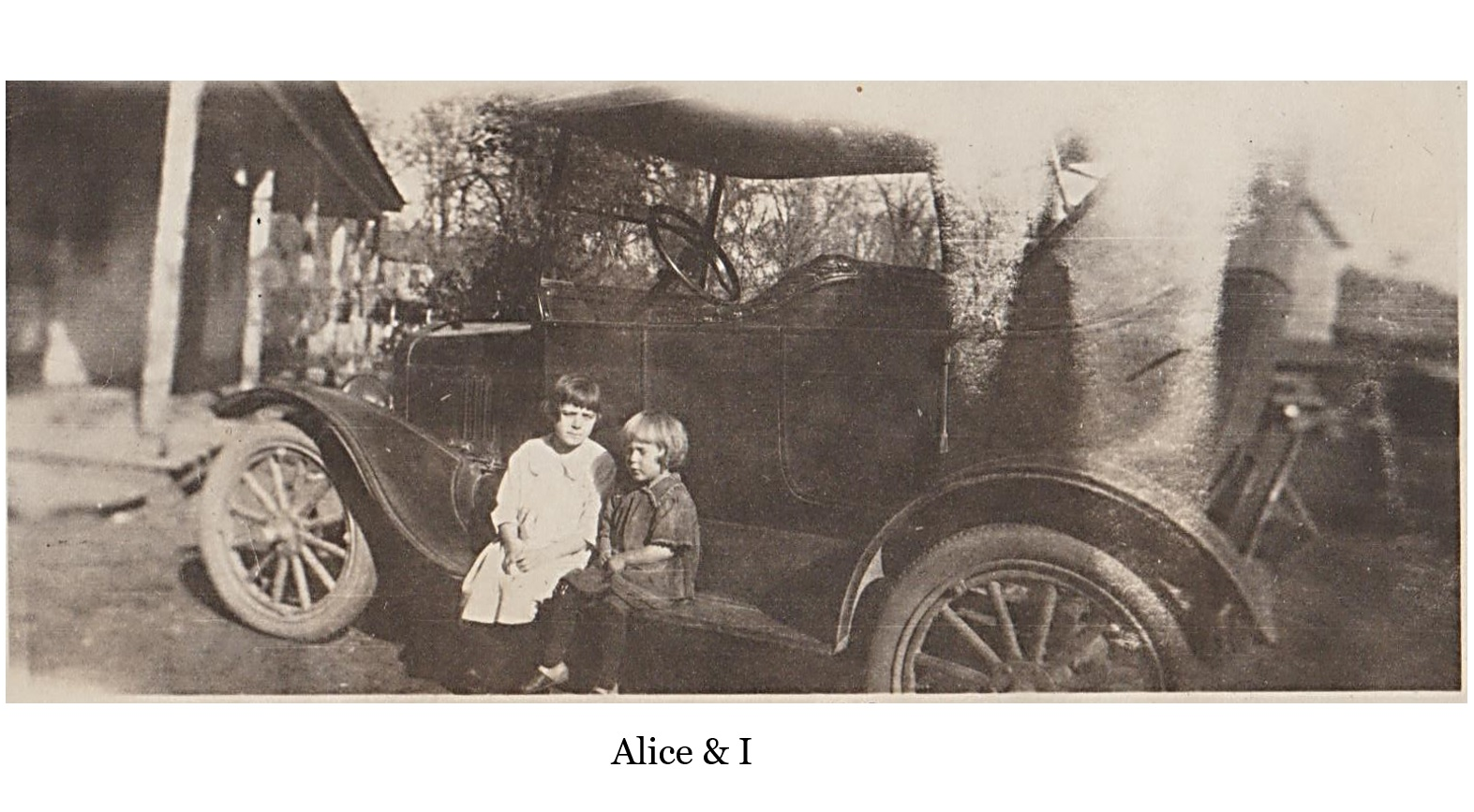
I had a lot of friends, Josephine Member, Mary Allen, Beatrice Parrott, and Gladys Gott.  It was playing house with Gladys’s that I broke all of my sister Alice’s dishes.  I had been forbidden to play with them as they were a complete set of china dishes only in miniature.  I accidentally tipped over the board we were using as a table.  I really deserved that punishment.  We always had a large garden, when Alice and I wanted something special to buy we would pick a vegetable to sell, and Alice was often upset because I always could sell mine to her customers before her.    The worst memory when we lived in the Joe Miller house was getting a ham bone for Christmas.  I had a bad habit of biting Alice, it was my defense.  My mother kept telling me “only dogs bit people” When Christmas came I got a ham-bone, no other presents till the next morning.  Never again did I bite anyone.


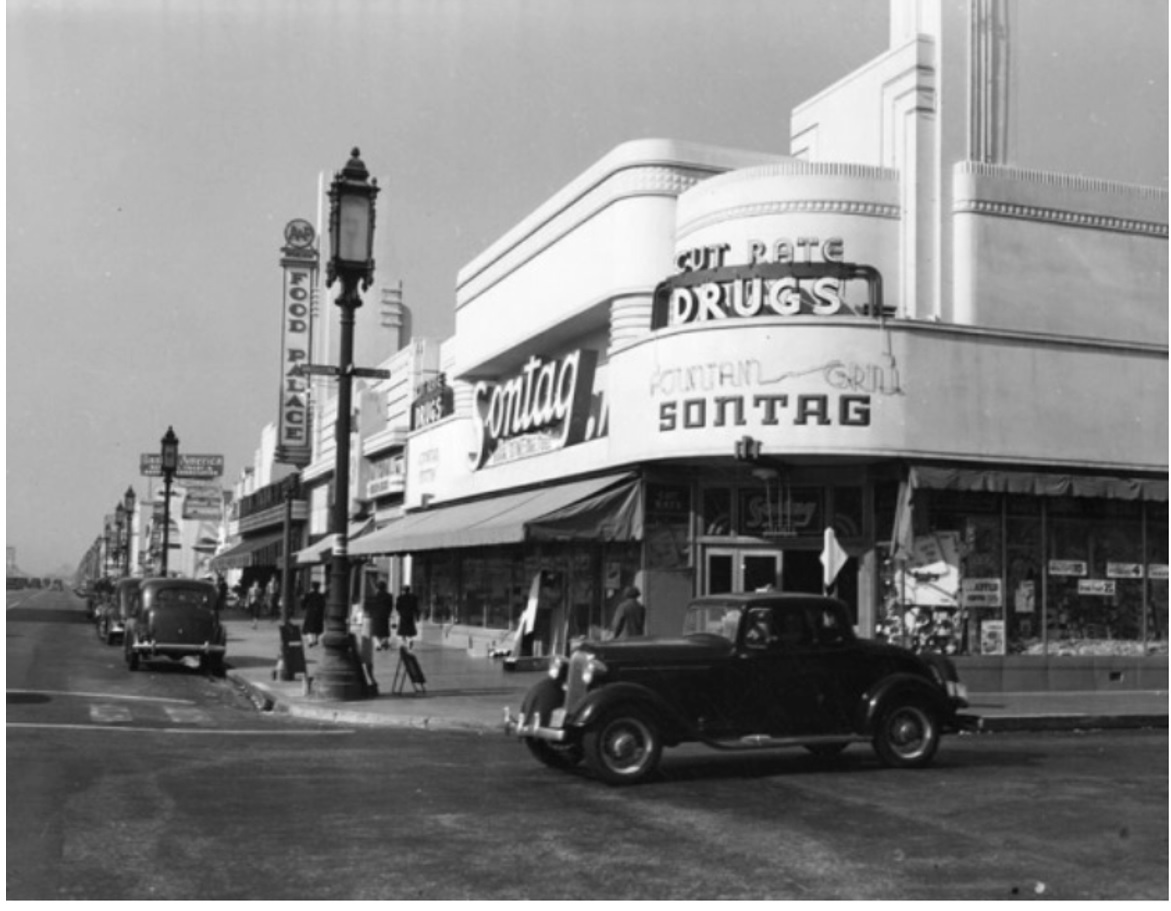
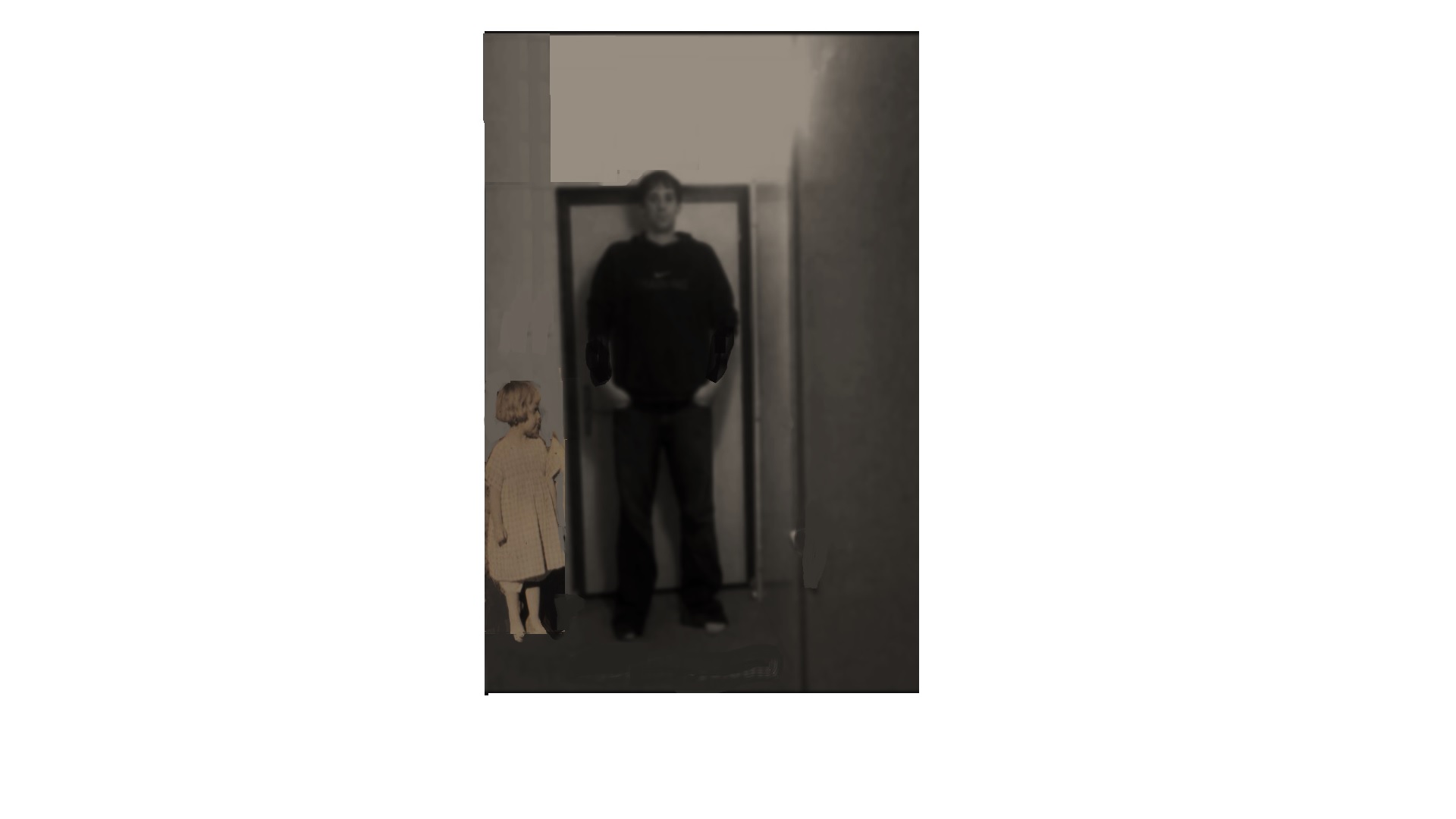
A very fond memory was that it was always my father who took care of us when we were sick.  We had all the childhood sickness’s, Croup, Measles, Chicken Pox, even Scarlet Fever.  I remember when I was six my grandfather Kuder who always lived with us died of a heart attack, having that very morning put up a swing for me.  He was on the front porch when he suffered the attack.  Della ran out in the road and flagged down a car with a couple of young men in it, they carried him into the house, but he died before the doctor could get there.   Some of dad’s crew lived and boarded with us, my brother Sam’s wife Bernice’s brother Charley Werth, Bobby Gray who became head of Sontag Drug Stores, Jack Lyons who was a great big man so tall that when he held me up I could reach our ceiling of twelve feet.


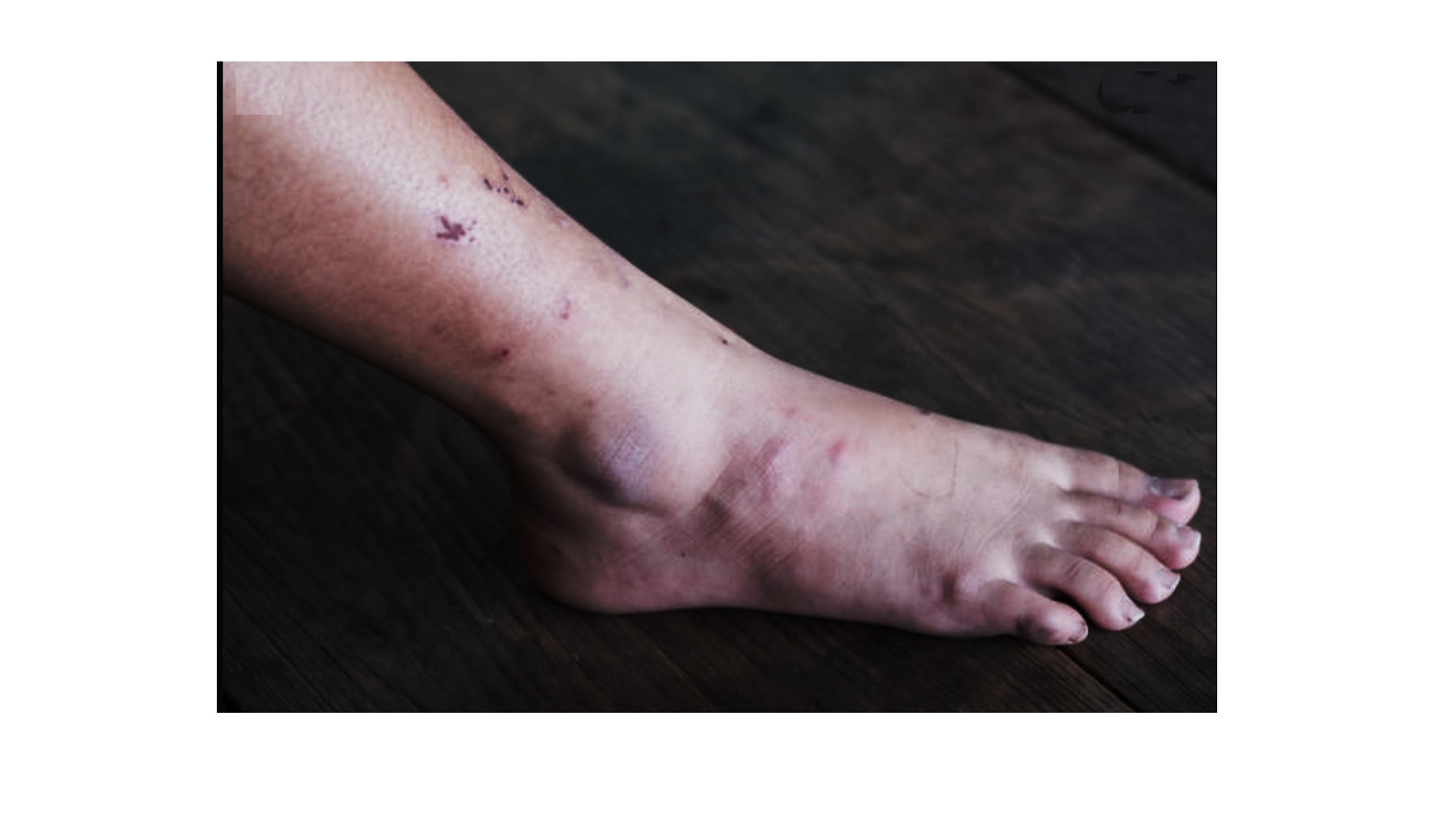
It was while living at the Joe Miller’s house that I nearly lost my leg.  A ditch ran in back of Joe’s house and in front of ours.  He used it as a septic tank and we sometimes waded in it.  A cut on my ankle became infected and gangrene started.  The doctor said he would amputate my leg just below the knee.  Della was teaching school in Quartz Valley when one of her student’s grandmother who was Indian saw her crying and asked what the matter was.  Della told her about me and she gave Della some salve to put on my leg.  Mother put it on, I still remember the pain, but it got rid of all the infection and saved my leg.  My brother Sam used it on his boils and they would come to a head in hours.


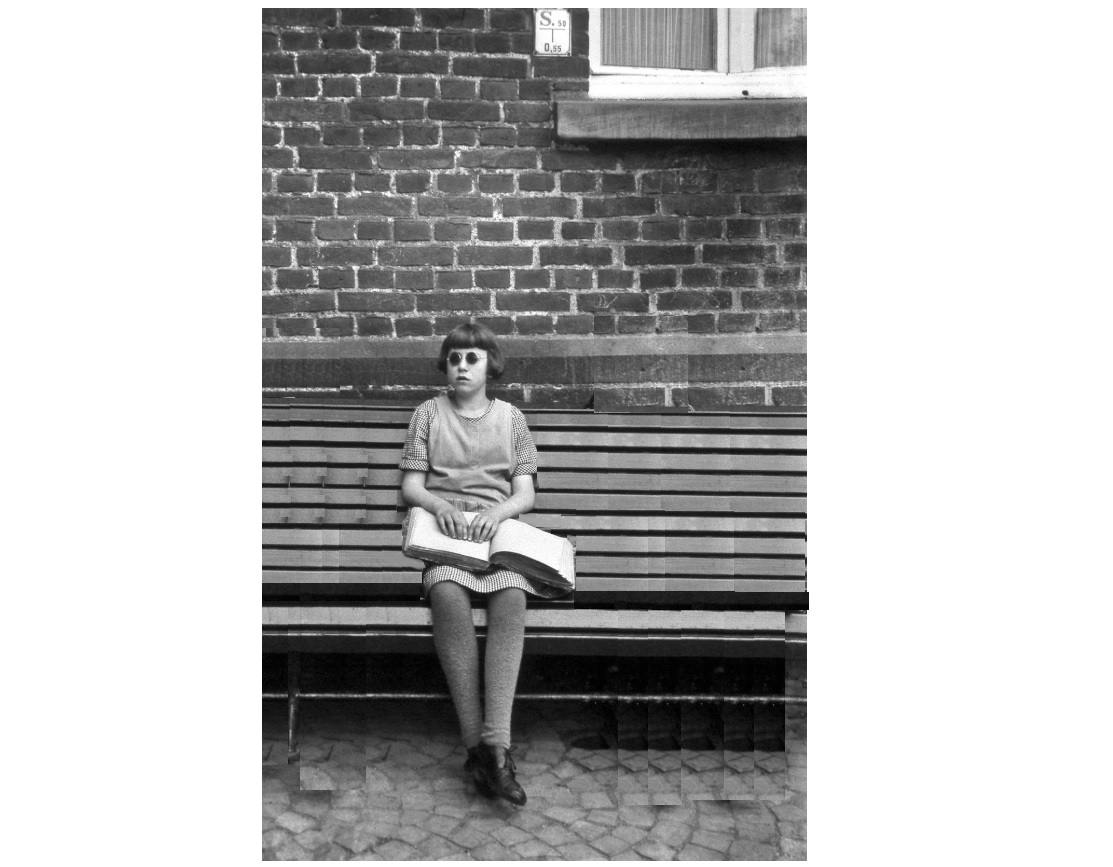
Ruth Brown would spend her summers in Yreka staying across the street, she was blind.  She was about 13 years old when I first meant her and she would read to me from her blind book for hours.  My sister Della during the winter months would read to us every night, the Five Little Peppers and How They Grew, Moby Dick, Ann of Green Gables, Peter Pan, Alice In Wonderland and the Swiss Family Robinson.  She also bought My Book House Collection and read from it.  When I was seven Della had a baby,  my cousin Peg was born in the upstairs bedroom.  What a treat, I was allowed to hold her, not like my brother Sam and Bernice’s baby Jerry who was born six months earlier and I didn’t get to see her until Christmas although she was only two blocks away.


I was spoiled:  When my sister Alice was watching me, which was most of the time and I didn’t get my way I would throw myself on the ground crying and screaming.  That ended when I was about five.  One day when I did it in front of Mrs. Churchill’s house she came out, stood over me, telling me  to get up and never do that again and learn to be a proper lady. (bye the way – she was old and look to me like a witch)  Later when I was confirmed in the Episcopal Church she was my sponsor and stood up for me.

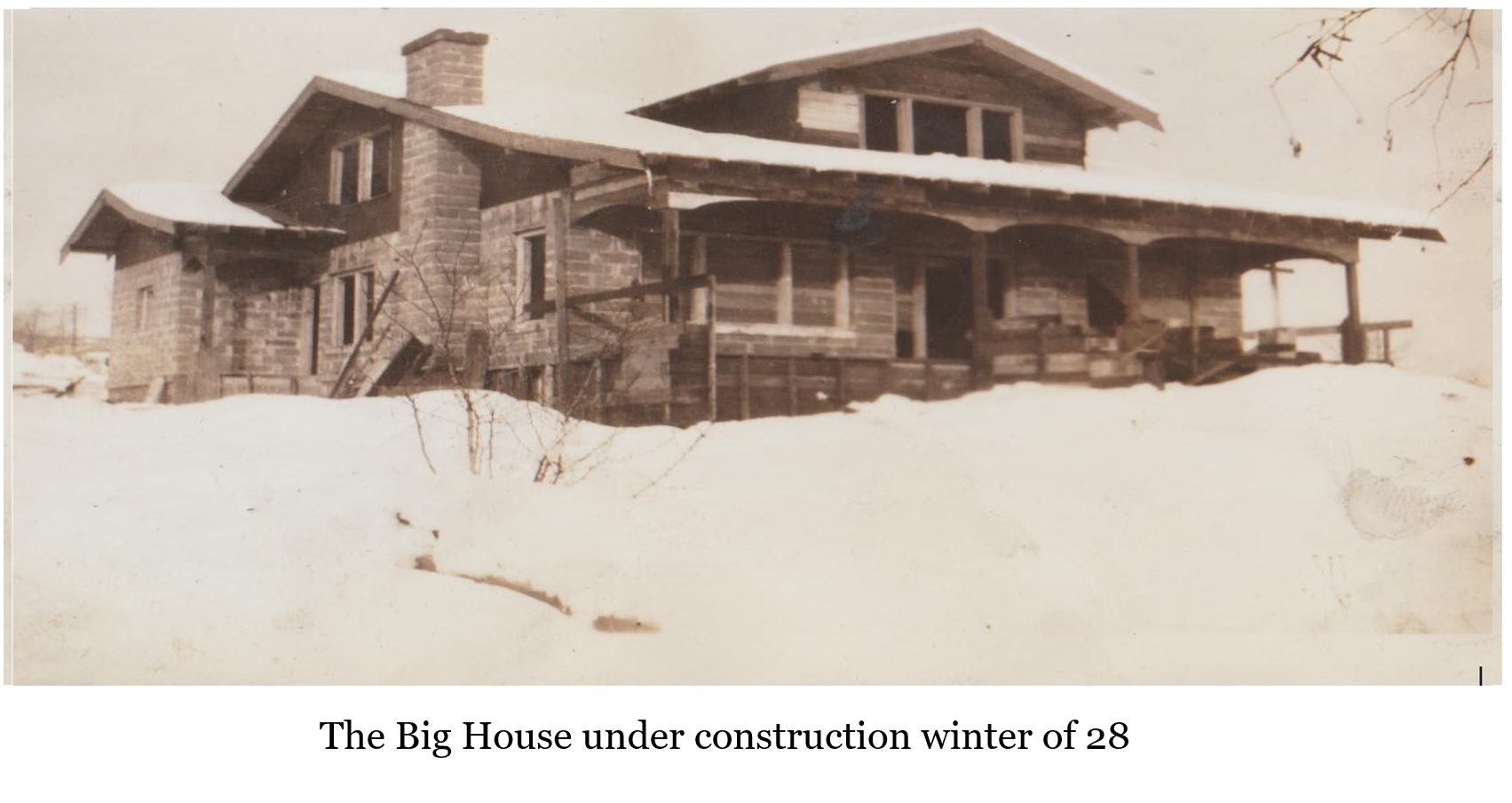
The Big House under construction winter of 28


In late 1927 we moved to the old Call house that dad had moved across the road from Russell’s gas station.  The Perkins farm was next to the Russell’s, my dad buying it, moving their bunk house and main house to the back of the Main St. lot, then building our five bedroom home of cement block, which we called ‘the big house’,  where the Perkins house once stood.  He worked on it in the winter of 1928 and into 29 while building two blocks of stores in Klamath Falls and the downtown area of Chiloquin Oregon for the Indians.   The memories of living in the Call house are great.  I walked to school with Bea Parrott, Alden James, Muggy Cloyd, Bob and Mary Allen.  Sometimes we roller skated up Third St., crossing Miner St. and up fourth St. to school. In the summer we all played outside till dark.


The first black person I ever saw was an old ex-servant of the Glovers.  He was a retired slave who fought alongside Mr. Glover in the civil war for the south.  He lived in a small shack at the corner of Butte St. and Broadway,  I passed his house on the way to school.  When I was in the first grade I was so scared of him that I generally ran past his house but mother found out and took me to meet him.  She called him Mr. Cotton, he was gentle and so interesting that I would often stop to talk to him on my way home from school.


My sister Alice had me fooled.  She use to say she had magic powers.  I believed her since one day while we were watching the smoke from a forest fire on the other side of Humbug Mountain she said that when the five o’clock laundry whistle blew the fire would come over the hill.  Sure enough just as the whistle blew we saw the first tree on top of the mountain begin to burn.  From then on I was a sucker, she would go into a trance while doing dishes and stop and I would end up doing all the work.  Never climb a chokecherry tree, they are very slender and the least bit of movement makes them bend and shake.  I know that for a fact after spending a long afternoon in one.  My sister Alice and her friend Irene Allen took Mary, Irene’s sister and I chokecherry picking.  I being the smallest climbed the tree while they held it steady and then they left me stuck in the tree while Alice and Irene went to the show and Mary went home.  It was near supper time when mother asked Alice where I was, sending her to get me,  Alice threatening my life if I told mother what had happened.


All of us kids played in a big open field behind Parrott’s and the Russell house.  There were two ditches and Greenhorn Creek that ran through it, the ditches once carried water to the mines at Hawkinsville.  On the west side was a small knoll with several large oaks.  That flat area became our battle field, war against the Indians, a baseball or stickball field, a fort with trenches, castles made of rocks and even Robin Hood was in a forest of trees on the knoll.  Saturday movie matinees were played out and the rest of the week we built forts, made rubber band guns, bows and arrows, even rocket projectors. In the winter we had snowball fights and sledding down the knoll. We put on plays, sold lemonade on hot days.  We played outside all summer long, ‘run sheep run’, dodgeball, ‘sheep in my pen’, ‘hide n’ seek’ and ‘kick the can’.  Our mother’s would keep watch and corrected every one of us but we soon learned with each mother  what we could get away with.


I use to go with my mother to visit her aunts in southern California.  We would go by train leaving from Montague and mothers cousin Clarence would pick us up in Los angles,  I must have gone at least four times.   I remember the first time staying with my Aunt Annie, she was married to a Pinney, heir to Pinney Copper and Iron (*DBA – as the Los Angeles Iron Works).  She had a beautiful home opposite Mary Pickford’s.  The last time I saw her she was 98 and lived to be over 100.  All of mother’s aunts lived to be in their nineties except her mother who died giving birth to twin (born dead) in 1905 and Aunt Clara, the oldest who died in 1932 in Medford Oregon.    Some summers I was able to spend with my Grandmother Potter and Aunt Lily Creason in Ashland.  I was allowed to do most anything, go to the park, to the teachers memorial will grandma’s boarders, as long as I was home before dark and told them wear I was going.  I even did the same when they moved to Dunsmuir in 1928.


I remember the Herbert Hoover, Al Smith 1928 election.  One day while I was staying with Aunt Lilly and grandma in Dunsmuir the Hoover train stopped.  He was running for president and had two of his body guards with him, on his way to fish on the Klamath River, deciding to visit his cousin, my grandmother.  He knocked and grandmother opened the door.  He asked if she knew who he was, she said “yes, you’re Herbert our stealing cousin and shut the door.  Poor Aunt Lilly was so upset she cried all day, all grandma would say is he took all the inheritance and put himself through Stanford.

The entrance to the Big House

When we first moved into our big house Alice had me so frightened at night that I would tie my big Teddy Bear to the bed with a large doll and sleep between them.  She said Grampa Kuder who had died in 1927 would come at night and put his coat in our closet.  My dad put a stop to her scaring me but one black and windy night in October she locked me out on the back porch and told me goblins and witches were coming to get me.  The wind blowing between the house and garage would make a moaning sound.  I was scared as I believed she had special powers, so scarred I passed out and my Dad found me.  I was a tattle tale that time.


Every summer we would go to Ashland for the fourth of July.  I have yet to see any fireworks that matched the ones at Lithia Park.  We always brought home from Uncle Andrews’s orchard,  apples, pears, apricots peaches and plums, enough fruit to can for the year.  During the summer of 1929 mother’s cousin Clearance and his bride came to visit, they were on their way to Europe and had a brand new Cord.  Uncle Pinney committed suicide when the stock market crashed and  Aunt Annie lost millions but moved to Pasadena, then to Baldwin Park where she bought a store and three houses, Aunt Olive living in one houses.  Uncle Cory was an alcoholic, I remember Aunt Olive being so happy he quit drinking, instead he was taking two bottle of medicinal tonic a day, 60% alcohol, he later died of TB.


I joined the  Girl Scouts and we would go to Ashland for a week every year.  As a girl scout I climbed Black Butte, also as high as Thumb rock on Mt. Shasta but when I was eleven I didn’t get to go, all the money I had saved for the trip went to buy Alice a wedding dress. That year I learned how and where babies came from.  Mother gave me her medical book that showed all the female and male parts, telling me to read it.  The pictures alone were education, what an education.  Bea Parrott, Alice Larson and Jerry Saxton were soon educated by me, my good friends were well informed.


As soon as I was old enough I had to watch my nieces and nephews, Jerry was six, Peggy six and half, Bobby five and half and Bud 8 years, younger than I.  The only time my father ever threaten to spank me was when I was watching them.  He had a big long work table, standing about three feet off the ground and I had built a playhouse on it using a latter to get up on it.  I wouldn’t let them play in my playhouse, I was afraid they might fall and they went crying to my dad.  He sent me inside promising to spank me for being selfish and I locked myself in my bedroom and when he found out why I wouldn’t let the little ones in my playhouse he came to the door to apologized, but l didn’t stop crying.  After he brought me some ice cream I accepted his apology.  It was a real hurt to think that he thought I was selfish, for to me my father was everything.

(Continued)

Once Upon A Time – The Life Of Betty (Potter) Willson #2

July 29, 2014


The following is a transcription of over a hundred handwritten pages of my mother’s remembrances journaled in a notebook over a span of years after reaching the age of  88.  The words and sentence structure for the most part remain as originally written vividly projecting her personality, the flavor of the landscape and her view of the times.


I was 9 years and 2 months old when the Stock Market crashed in 1929.  There were runs on banks so they called in all their notes, loans, mortgages and by 1932 the people were losing their homes, farms business and cars,  people loss millions.  Farm income dropped to nothing and because far foreclosures and eviction they had to call out the national guard in Iowa.  Since I went to the Saturday Matinees they would show us the Fox News of people in soup lines, the dust storms in the mid-west and just how bad it was in the cities. In 1932 Roosevelt became President with his New Deal.  For the first time my father voted democrat and voted against Herbert Hoover his third cousin. We had a big Majestic Radio and I stayed up very late with my Dad taking down the election returns. ..


The spring before the crash mother’s cousin Clarence Hudson came to visit with his bride and a brand new Cord convertible.  They were on a six months tour of the USA and the Mediterranean and Paris.   He was very wealthy, played the stock market, his mother my great Aunt Annie was married to a Pinny, Iron, Steel and Copper heir.  They had a huge home across Douglas Fairbanks and Mary Pickford home in Hollywood.  When the stock market crashed they loss everything, the Pinny Company folded and Aunt Annie’s husband committed suicide.  Clarence’s wife divorced him and he moved to a small house in Pasadena and went to work for Republic Pictures. When my Aunt Annie died at the age of 99 she left over 30 saving accounts all in different banks.  She didn’t trust the banks.


Yreka being a small county seat town didn’t feel the real bad effect of the depression.  Few business closed, some people lost home and a lot of people lost their saving when the banks failed. I think the depression brought the community together, neighbors helped each other out.  They shared with those in need.  We had free dances almost every Saturday night, Lodges paying for the music.  The Townsend Plan held dances every Friday night.  Bet you never heard of it before, prior to social security, it was a plan to give every adult over 60 years of age $200 a month and it had to be spent on food, clothing, furniture or a car before the next check could be issued.  Almost everyone had a garden, a few fruit trees and canned enough to see them through the winter.  Most people just accepted less pay for their work.


From the time I was 10 to 17 our home was sort of a rescue mission, us having a five bedroom house.  One of the upstairs bedrooms was very large and had three double beds in it.  After my sister Alice married in 1932 there were just five people living the house,  my father, mother, cousin Harry and Ann Zornes going to high school.  Almost every night every extra bed was filled.  Sometime with my sister’s family but most often with strangers and even those with children.  Any homeless that ended up in Yreka with no money or place to sleep, the cops would sometime call my dad.  My father always welcomed them into our home.  My mother had one rule (which meant we had to keep the kitchen stove going no matter how hot it was for the water pipes were heated in its fire box)  everyone had to have a bath before they could sleep in one of her beds.  I never set down to dinner or breakfast that there wasn’t at least 10 to 12 people at the table.  My father always made sure our passing through guest had enough gas to get them to Oregon.  With all those strangers in our home I can truly say we never heard a swear word or ever lost or anything stolen.


My Dad being a contractor was doing okay busy building the town of Chiloquin Oregon and in the early thirties moving buildings, building  bridges for new highways in Siskiyou County.   In 1931 when they widen and changed the route of highway 99 from Redding to the Oregon line he had the contracts for all the bridges and culverts until 1934.  while building the bridges down the Shasta Canyon a chip of cement put out his right eye and it to be removed, his left eye became infected and he lost most of his sight and after that his eye sight prevented him from undertaking government contracts.  He still built house’s and several building in or around Yreka. We had money, only maybe we were what you called property poor.  He built a garage for the Dodge dealer, moved six houses to be across from the hospital and added another house to the three in back of our big house and moved the Old Catholic parsonage to a lot on Butte St.  turning it into an apartment house.  I never lacked for food, clothing or spending money but still the depression era was brought home to me every day.  My brother Sam and sister Alice’s husband Charlie began building the (CCC) Civilian Conservation Camps.  Brother Pete was still at home working for Dad.  Dad staking Barney and Sister Della to three ranches at different times but the income from the milk was small and they couldn’t make it pay.

  In 1934 my Dad’s cousin Harry Hayes came to live with us.  His wife Molly after a long stay in the hospital died of cancer.  Harry stayed and did the driving as Dad no longer drove, that year was bad for us.  Besides a chip of cement putting out and the removal of his right eye and he losing most of his sight in the left, my mother had to have a kidney removed.  I graduated from the eighth grade and started high school.  Believe it or not I was very shy my first two years of high school.  I got very good grades, then I started dating.  Our ancient history teacher Miss Gould was moving, she invited me to visit her in Pasadena.  Mother and I went to Aunt Annie’s in southern California and while I was there Miss Gould took me to the famous Brown Derby where all the movie stars went.  I had a big time, the waiter stood right beside us with a napkin over one arm, I felt special but didn’t even know what fork to use.  I saw Joan Crawford and Wallace Beery and later Cousin Clarence took me on a tour of a movie studio, but don’t remember which one.


When Anne Zorn’s came to live with us to go to high school, mother having displaced a kneecap needing help with all the house work so Dad gave Ann Twenty dollars to help out.  She ended up giving most of it and her school $12. 50 travel allowance money that the schools paid for boarding  because the bus didn’t go to the house’s down the Klamath River,  to her parents so they and her younger sibling wouldn’t go hungry.  Her brother Alvie would also sometimes stay with us.  If my dad found someone or a family who had no place to stay he would bring them home.  When my sister Della had second son Johnny she only went to the hospital for delivery then came home to us.  More responsibility,  mother was in bed with her knee injury so Ann and I had to care for a new born baby plus Della and mother.  The summer I was 14 I went to visit Emily and John Dunham, Emily was on stage with my aunts, she was a concert pianist.  Their son Everett was a year older than I.  We picked wild gooseberries, but never again. Everett was killed the year he graduated from high school, broke his neck driving in the Klamath river.


I was allowed to date at fifteen and I dated James Avery and Jack Linville and Ann went with a guy named Kenneth from Weed who later was the first causality in World War II from Siskiyou County.  We worked real hard until mother could get around and when school started we still stripped the guest beds, also doing the dishes before going to school and at noon we did them before returning to school, but at least there wasn’t so many at noon as Dad didn’t bring the Homers home for lunch.  After school we brought in and folded sheets, helped with supper and did the dishes.  After supper we cleaned the house top to bottom and on Saturday we were able to date or whatever.  I didn’t like the local boys for all they wanted to do was make out.


My brother Pete Got married in 1936 to a nurse, Virginia Ann Lamach, Dad giving him the six houses across from the hospital.  I was sixteen, Ann and I stated dating the CCC boys.  We were jail bait to them so outside of heavy necking we were safe, they being two or three years older than us.   I started going with a CCC boy named James Lebeff, he was Russian and French, his father was the Russian Orthodox Minister in San Francisco.  He had such perfect manners, mother finally had to tell him to stay seated when she came into the room.  He gave me a mahjong set made of ivory, always brought flowers or candy for mother.  Mother made me give back the mahjong set, she said it was too expensive.


Dad would let me use the old 1929 Model A Ford.  I drove it to the CCC Granges dances every Saturday night.  The tires were bald and Harry often bailed us out when we had too many flats but we never missed a Saturday night dance. Bye the way I had dancing lessons given by an ex burlesque queen. I learned to tap, hula and black bottom plus grinds and bumps.  Never less I loved to dance and from the time I was twelve I went with mother and dad to Townsend Dances where they did square dance, schottisches and polka’s.  We would go to the Hippodrome in Weed when the big bands stopped there.  Friday night we’d go roller skating or to watch the boxing matches between the different CCC camps.


  Back when I was 14 my Dad let me have piano lessons in exchange for the teachers rent.  The small house in back of the big house was always rented, first to a friend of my brother Sam’s,  the Knapp’s.  They couldn’t pay the rent for three months and when they got a job at Chico they left the piano for back rent,  I got it.  I was 14 and my Dad let me have piano lessons in exchange for the teachers rent.  Next to move in was Lee and Kay Blizzer.  Kay was an Edwards of San Francisco and married a young mining engineer.  She had servants to do all for her.  So when she came to Yreka she couldn’t cook, build a fire, wash, iron or make a bed, so I taught her and she taught me how to walk like a lady, set a table correctly, table manners, to appreciate classical music and opera.  Her husband salted a mine and sold it.  They left in a hurry for the Philippines, where they bought a sugar plantation.  We carried on our correspondence for several years until she died in 1939.  During WWII  the rest of the family were interned in a Jap prison camp.  The daughters kept their father alive by bringing him food.  They were allowed outside.  The Youngest of their two girls lost her arm during the return of the Americans.  After the Blizzers left, Kitty and Jack Gore moved in the little house. They had two daughters.  Jack worked out of town quite a bit, Kitty was an alcoholic,  I did a lot of babysitting for them, their youngest, Barbara, was almost totally blind from birth.  Year’s later in 41 Jack was killed working on a dredger on the Klamath.  Kitty died of Alcoholism, her sister took the girls.


In the fall of 1936 I meant Rebec, (Anton Rybicki) he was so handsome every young girls dream man and I was the lucky one.  We went to the 49er’s day celebration held in Yreka.  The carnival was held on Dad’s lot next to the Apartment house and they provided all the free ride tickets we wanted, we had a ball.  A boy by the name of Tony from San Francisco and I entered the waltz contest.  We took second place and won a 5 lb box of candy which we shared it with everyone.  I remember one of the first times Rebec and I went to the movies, it snowed about five inches while were in the theatre. I had open toe shoes so Rebec carried me the 6 blocks home.  I think we kissed under every street light.  Mother was waiting when we got home.  She had received a phone call from Mrs. Harmon, Mrs. Young and Mrs. Atkinson all seeing me carried and  all wanting to know if I was hurt.  Small town,  everyone wanting to know everything.


In November, Rebec and I became engaged with the understanding that I would finish high school.  We were a couple until September of 1937 when I meant his parents and his mother informed me all Sundays would be spent with his family.  They only spoke polish at home, so Goodbye Rebec, I sent his ring back.  (When I was 80 years old he started calling me about every three months and sent me pictures of him and his wife.  He said you never forget your first love, I agree.) I started dating Shorty and Shaf, Bernard Frock and Al Linville.  I graduated from high school June 1938, 23rd out of a class of 76.  I continued to date Al in May, June and July,  we mostly just drove around but sometimes would go to Della’s and Barney where Barney played the violin and Al his guitar.  Barney was great with the violin.


I didn’t smoke but I did drink when with Shorty and Shaf, they called me ‘gin baby’, I could drink them both under the table.  On Friday nights we, along with Azealia Burns would go to the Pastime in Weed to dance.  This was a road house just north of Weed on highway 99.  You had to buy a drink to dance.  I often drove them home in shorty’s 1925 Dodge.  Once I drove to Della’s in Quartz Valley, we stayed overnight sleeping on the floor.  One time we went to McCloud to a dance and when we started back the car couldn’t pull the grade, so we put it in reverse and backed over.  The only time I got drunk was on my 18th birthday when Pete bought me a bottle of wine.  We drank it and then went to the Pastime where I drank gin.  I was sick and heaved all the way home.


I wanted to go to college but dad wouldn’t go for it.  I think he needed me at home.  He was going blind, he even stopped bringing strangers home.  I would read the Sacramento Bee to him every night.  Alvie Zornes was living with us working at the Palace, Ann was at our home for the summer rather than stay with the Cloys being engaged to Muggy. In July Bernard Frock and I went to the Oregon Caves and Gold Beach where we stayed with Dad’s cousins.  The next day we went to Roseburg and stayed with some of his friends, then to my Great Aunt Alice‘s in Medford.  Great Aunt Alice told our fortunes, telling me I would marry someone from a big city and never go back to Yreka to live excerpt for short visits.  She took aside and told me Bernard would die in just a few years, ( he died in 1941).  Bye the way, there was no hokey pokey with Bernard.  He was a perfect gentleman the whole trip.  My mother and Mildred Frock really hoped that he and I would marry.


Every time I wanted to get a real job my dad would say that I would be taking a job someone else needed to feed a family.  I started working by taking care of a little boy and house cleaning.  His mother was the county librarian, I don’t think she ever did any house work.  Her husband didn’t work just hunted and fished.  Life was becoming routine then fate intervened…….Bob


(Continued)